Thailand Auto Industry: Lessons for Pakistan
Pakistan’s auto output rebounded in 2025, but Thailand’s scale dwarfs it—can Pakistan build a stable industry with affordable cars and jobs?
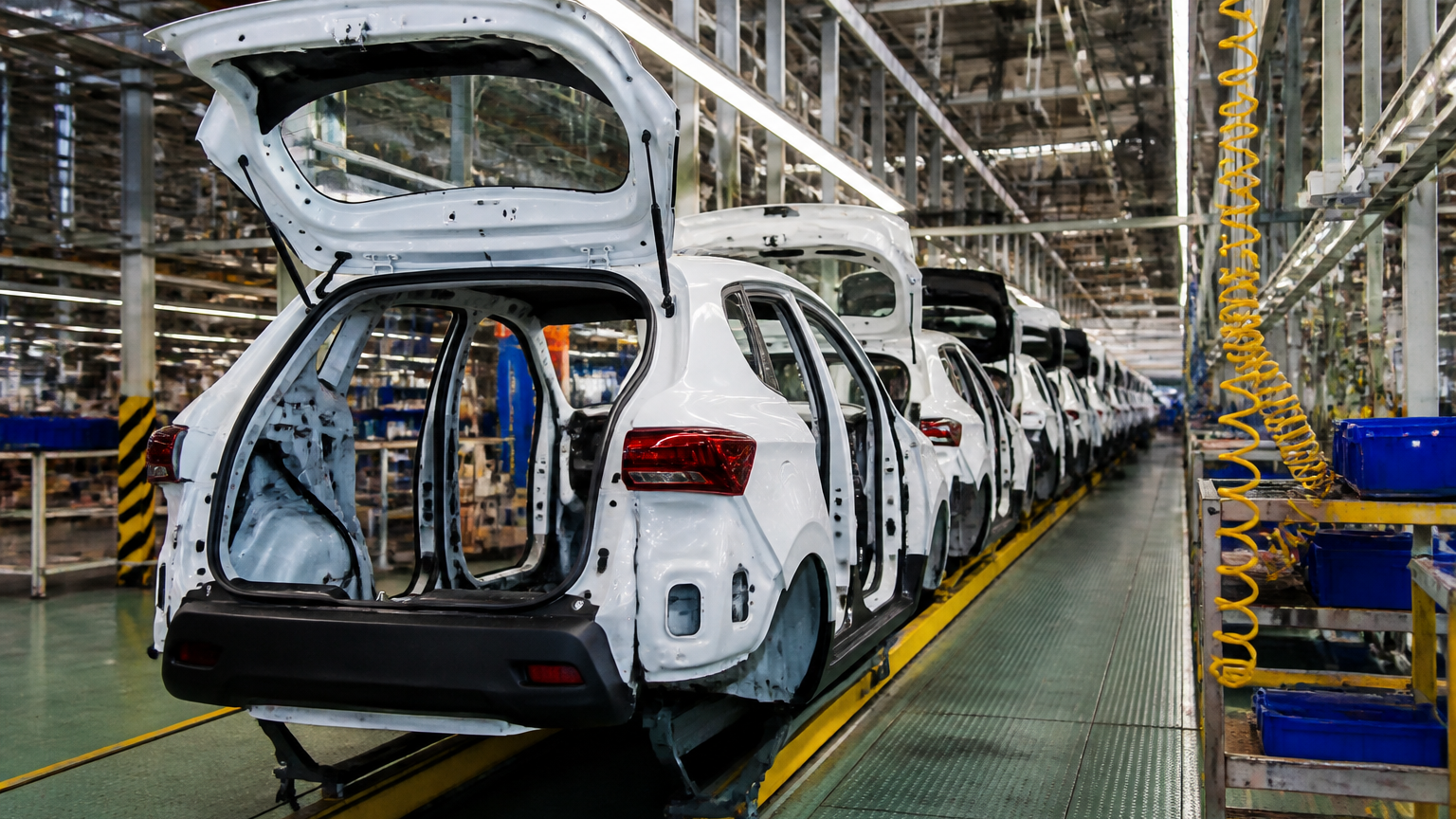
Table of Contents
- Pakistan Is Growing Again, but the Gap Is Still Huge
- Why Exports Made Thailand Stronger
- The Supplier Base Is the Real Test
- EV Policy Should Build Skills, Not Just Cut Import Cost
Pakistan’s auto output recovered in 2025, but it still looks small next to Thailand’s industrial scale. According to a source report using OICA figures, Thailand built 1,455,569 vehicles in 2025 and exported 935,750 of them. Pakistan produced 190,082 vehicles in the same year.
For Pakistani buyers and workers, the real question is not whether Pakistan can copy Thailand line by line. It is whether the country can build a stable auto base that supports jobs, steady production, and more affordable cars over time.
Pakistan Is Growing Again, but the Gap Is Still Huge
The source report says Pakistan’s production rose 48.8% in 2025 from the year before, but it was still 19.3% below 2022 levels. Thailand also saw a fall in output, yet it still made about 7.7 times more vehicles than Pakistan in 2025.
These figures cover cars and commercial vehicles only. Motorcycles are not part of the comparison.
That matters because a single good year does not fix deeper problems. The source report links Pakistan’s earlier slowdown to import limits, costly loans, a weak rupee, and soft demand. If parts are missing or buyers cannot get finance, factory lines slow down fast.
Why Exports Made Thailand Stronger
Thailand’s bigger advantage is not only factory count. It is exports.
With 935,750 vehicles shipped abroad in 2025, exports helped support larger production runs, more machinery use, and more supplier investment. More orders also make it easier to spread testing, design, and equipment costs across many units.
Pakistan has tried to push exports too. According to a source report on the Auto Industry Development and Export Policy 2021–26, the target was tied to export value versus manufacturers’ import value, not to exporting 10% of all vehicles made. Most companies did not meet that goal.
That shows the problem clearly: export growth needs competitive prices, quality that meets global standards, sales channels abroad, and approval from the parent brands that control production rights.
For readers, this means local assembly alone does not guarantee cheaper cars at home. Export strength is what can help build scale.
The Supplier Base Is the Real Test
Thailand did not build its auto sector by assembly only. The source report says local-content rules from 1975 to 1999 pushed carmakers to work with local parts makers, share technical knowledge, and build deeper supply chains. Those rules were later removed, but the supplier base had already grown stronger.
That part is hard for Pakistan to copy quickly.
Assembly incentives are easier to announce than a long-term plan to make local parts competitive. Roads, ports, skilled labour, and industrial zones also matter. Thailand’s Eastern Seaboard is one example from the source report of how infrastructure helped.
A source report citing Pakistan Institute of Development Economics argues that Pakistan needs stronger competition, better duty rules, and more parts exports. It also suggests a five-year pause on new assembly licences, though that idea would need debate because it could also protect existing firms from fresh competition.
EV Policy Should Build Skills, Not Just Cut Import Cost
The source report notes that earlier Pakistan policy included duty relief on some hybrid and plug-in hybrid parts, plus a temporary cut in duty on certain CKD kits for eligible vehicles up to 850cc. But cheaper kits are not the same as real industrial strength.
Pakistan still needs more local capability in components, software, testing, and engineering if it wants to move into EVs in a serious way.
A source report using newer research also warns that carmakers do not place export production everywhere. They pick locations carefully. That means Pakistan must choose the right niches, build supplier skills first, and avoid chasing big EV dreams without a competitive base.
For buyers, the lesson is simple: watch export orders, supplier investment, and production stability — not just new plant announcements.
For more updates, visit DrivePK.com
Tags
Share this article
About the Author
Dr Khan
Automotive Expert & Content Strategist
Comments (0)
Login Required
You need to be logged in to comment on this article.
No comments yet. Be the first to share your thoughts!
Related Articles
PIA Approves Leases for Five Boeing Aircraft
PIA may lease five Boeing aircraft, potentially boosting UK routes—but the plan is only reported for now, not a confirmed increase in London flights.
Rawalpindi Rs2.86bn Road Upgrade: 13 Roads
Rawalpindi may get a Rs2.86bn upgrade for 13 inner-city roads—but it’s only a reported plan, with timelines and details unconfirmed.