The Pajero Is Coming Back on September 2
Mitsubishi has locked in September 2, 2026, for the global reveal of the all-new 2027 Pajero. The fifth-generation model returns on a ladder-frame platform with Super All-Wheel Control, a modern digital triple multi meter, and a clear focus on both long-distance comfort and serious off-road ability, drawing on the nameplate’s Dakar Rally record.

Table of Contents
- What We Know About the New Platform
- The Digital Triple Multi Meter Returns
- Comfort Alongside Capability
- Why the Timing Matters
- A Nameplate With a Clear History
Mitsubishi has confirmed the date. The all-new 2027 Pajero will be officially unveiled on September 2, 2026. After five years away, the nameplate returns as a proper cross-country SUV. It will sit on a ladder-frame platform shared with the Triton pickup, use the company’s Super All-Wheel Control system, and bring back a digital version of the classic triple multi meter.
For many drivers, this is more than another new model. The original Pajero arrived in 1982. It went on to claim 12 Dakar Rally victories. That history still shapes how people see the badge. Mitsubishi is leaning into it rather than ignoring it.
What We Know About the New Platform
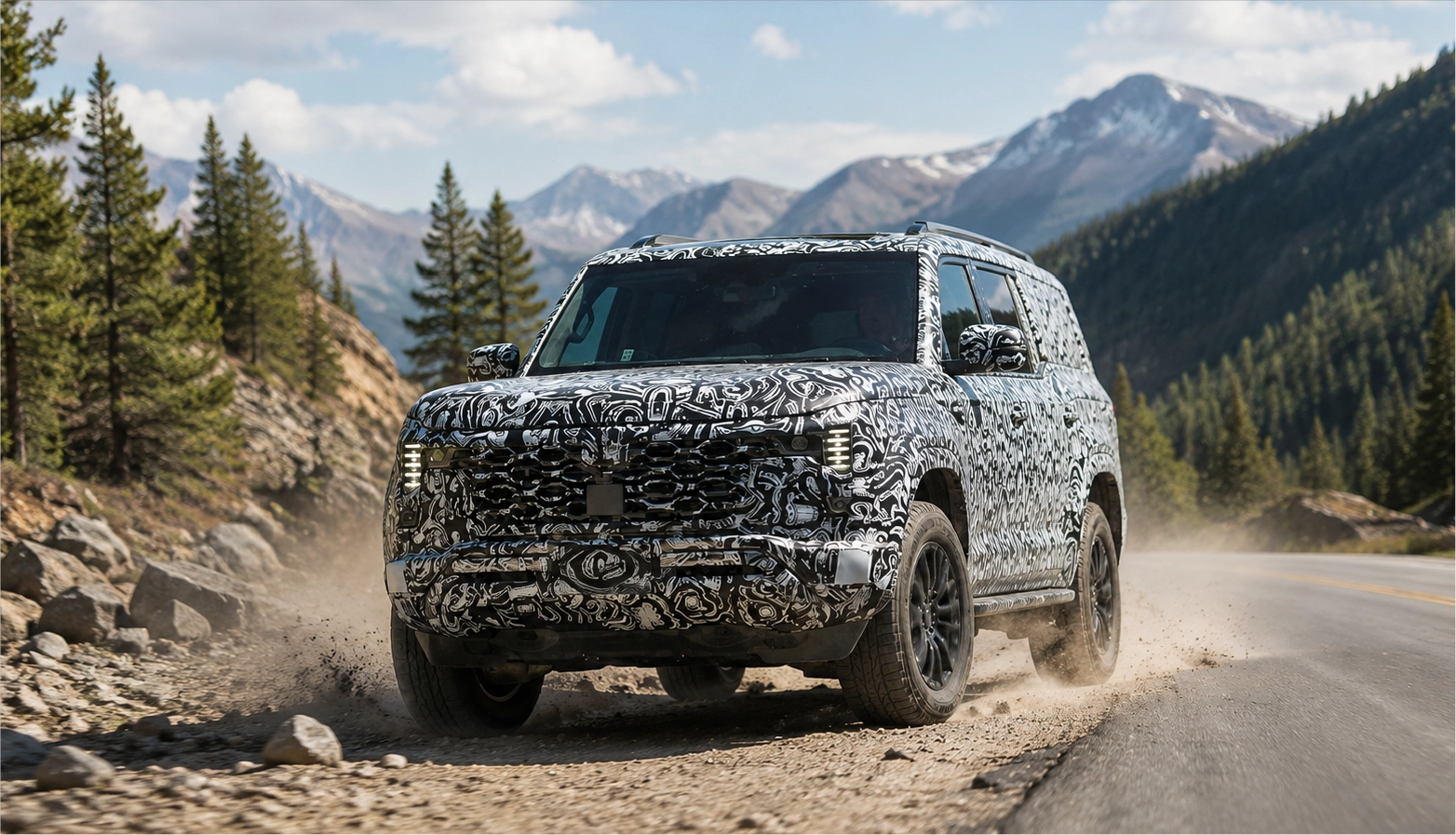
The new Pajero uses a ladder-frame chassis. This is a clear shift back toward traditional off-road construction. Recent generations moved toward unibody designs. The 2027 model returns to body-on-frame roots, taking its base from the current Triton.
Mitsubishi has developed the cabin and suspension specifically for the SUV. The goal is to keep the toughness needed for rough ground while improving the ride for long highway trips. Officials describe the suspension as tuned to handle large bumps and impacts off-road, then settle down on smoother surfaces so occupants feel less fatigue on long drives.
Super All-Wheel Control, or S-AWC, is confirmed. The system manages torque across all four wheels. It works with the Super Select 4WD setup that lets drivers choose rear-wheel drive, full-time four-wheel drive, locked center differential, and low-range gearing. Terrain modes cover different surfaces. This is the same technology already proven on the Triton and earlier high-performance Mitsubishi models.
The Digital Triple Multi Meter Returns
One detail that stands out is the return of the triple multi meter. Older Pajeros carried a distinctive set of three gauges that showed inclination and other data useful off the pavement. The new version is fully digital.
It displays real-time altitude, compass heading, ambient temperature, vehicle pitch and roll angles, and left-to-right torque distribution. The idea is simple. When the road disappears and the surface changes, the driver can see exactly what the vehicle is doing without digging through menus. Mitsubishi presents it as a direct link to the model’s Dakar past, updated for today’s screens.
Comfort Alongside Capability
Mitsubishi is careful to stress both sides of the brief. The Pajero is meant to handle serious off-road work. At the same time, the company is paying attention to long-distance comfort. The ladder frame and revised suspension are supposed to reduce unwanted body movement and vibration on uneven roads. That matters for families or anyone who will spend hours behind the wheel between destinations.
Exact powertrain details have not been fully released. Most reports point to a version of the Triton’s 2.4-litre twin-turbo diesel as the likely starting point. Hybrid options are expected later. Seating will include both five- and seven-seat layouts in some markets. Australian documents already list familiar grades: GLX, GLS, Exceed, and GSR.
Why the Timing Matters
The previous-generation Pajero left production in 2021. In the years since, rivals such as the Toyota LandCruiser Prado, Ford Everest, and Isuzu MU-X have held the space for ladder-frame family 4x4s. Mitsubishi’s decision to return with a Triton-based model puts it directly into that competition.
North America is expected to receive a version later under the Montero name, possibly closer to 2030. Other markets, including Australia, are set for showroom arrivals by the end of 2026 once the September reveal is complete.
The company has kept the teaser campaign steady. Recent images and statements have focused on the underbody, the frame, the S-AWC hardware, and the multi meter. Full exterior and interior details arrive on September 2.
A Nameplate With a Clear History
The first Pajero appeared more than forty years ago. It built a reputation in the world’s toughest rally events. Twelve Dakar wins are part of that record. Mitsubishi is not shy about using that background. The new model’s design language, technology choices, and marketing all point back to it.
Whether the 2027 Pajero can match the durability and character of earlier generations will only become clear once real examples reach customers and the first independent tests appear. For now, the confirmation is firm. The global unveil is set for September 2, 2026. The ladder frame is confirmed. S-AWC is confirmed. The digital triple multi meter is confirmed. The focus on both off-road ability and everyday comfort is the stated direction.
Drivers who still remember the older models will be watching closely. So will anyone looking for a modern body-on-frame SUV that does not pretend the road always stays smooth. The next chapter of the Pajero story starts in a little over a week. For more updates, visit DrivePK.com
Tags
Share this article
About the Author

Najeeb Khan
Automotive enthusiast and writer
Comments (0)
Login Required
You need to be logged in to comment on this article.
No comments yet. Be the first to share your thoughts!
Related Articles
Toyota Corolla Discontinued Before Pakistan Facelift
Pakistan’s pre-facelift Toyota Corolla is reportedly discontinued, hinting at a facelift. Prices, bookings, specs and launch timing remain unconfirmed.

DrivePK Car Inspection Reports: Buy with Confidence
Buying a used car in Pakistan? A pre-purchase inspection can reveal hidden damage, engine issues and red flags before you pay—but it’s not enough alone.
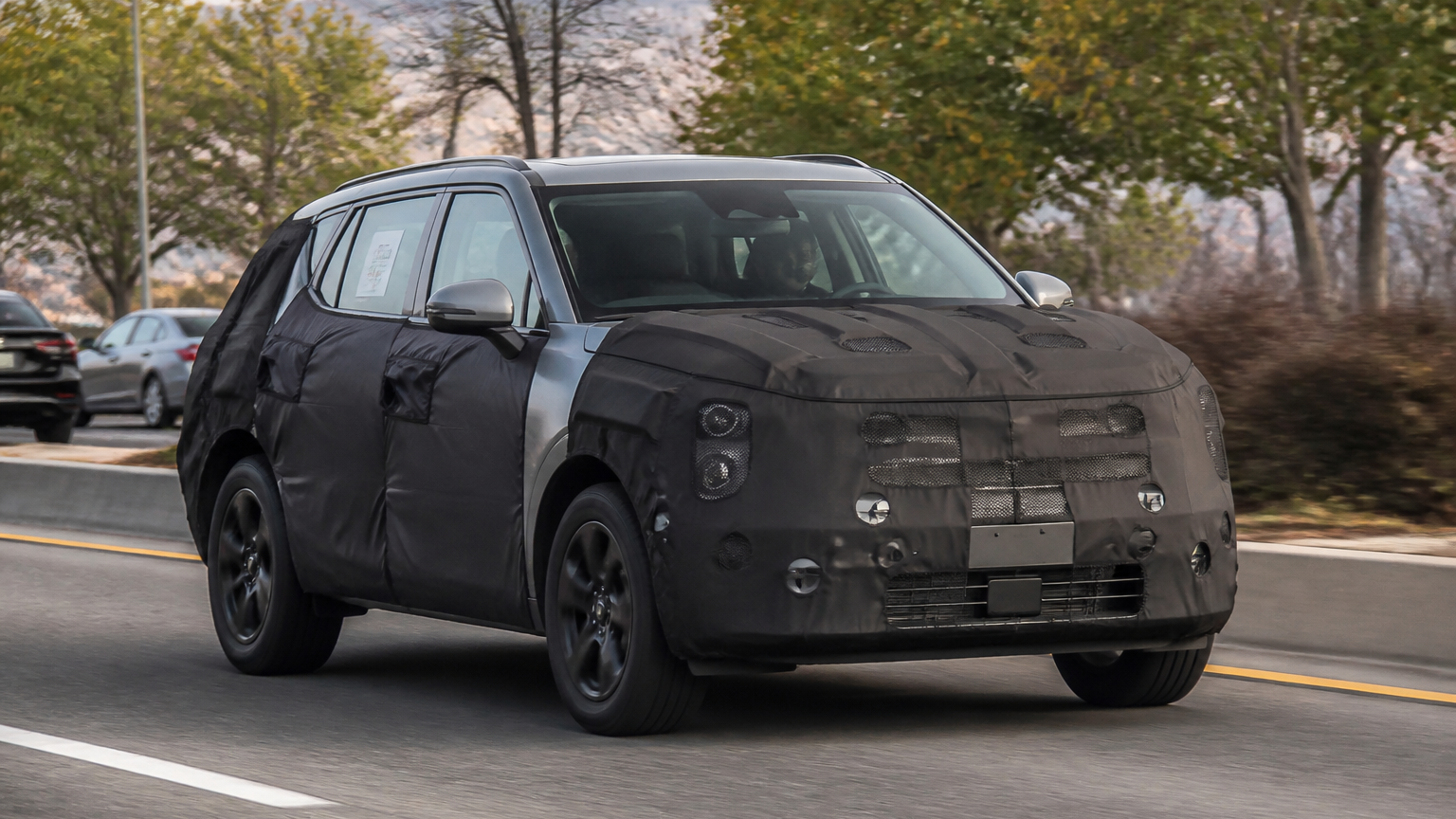
2028 Kia Sportage: Major Design Changes Spotted
Kia’s next Sportage may get a bolder, boxier redesign, with an upright profile, sharper lines, wider grille and split headlights hinted by spy shots.