Toyota bZ7 Electric Sedan China Launch 2026 Specs Price Range
The Toyota bZ7 electric sedan is set to launch in China in 2026, featuring long range, fast charging, advanced tech, and competitive pricing.
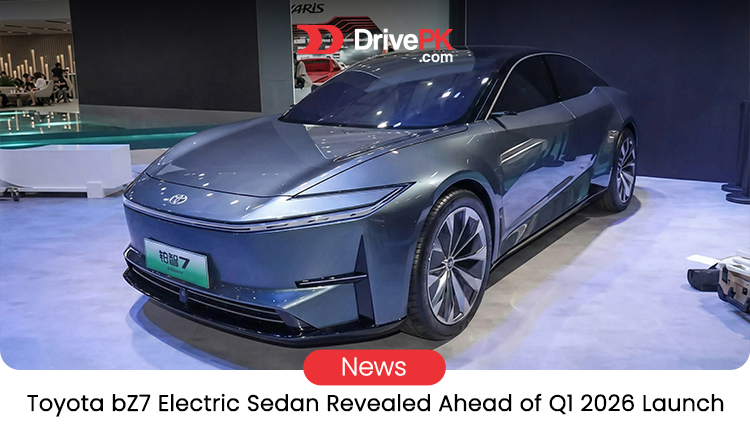
Table of Contents
- A Quick Look at Toyota's EV Plans
- Design That Turns Heads
- Inside the Cabin
- Power and Range Details
- When and How Much?
- China's EV Market and the bZ7's Place
- Conclusion
Toyota's push into electric cars picks up speed in China. The bZ7 sedan showed up at dealerships recently, even though its official debut comes in early 2026. This large EV aims to grab attention in a crowded market full of local brands.
Photos from dealers give a peek at what's coming. It's built just for China, with tech from partners like Huawei and Xiaomi. And at a starting price around $28,000, it could draw in buyers looking for value.
A Quick Look at Toyota's EV Plans
Toyota has been slow on full electrics compared to rivals. But in China, things change fast. The company teams up with GAC for models like this. The bZ series started with the bZ4X SUV, and now the bZ7 joins as a flagship sedan.
Unveiled at Auto Shanghai earlier this year, it's about 5 meters long, similar to a Toyota Crown. That size puts it up against cars like the Tesla Model S or BYD Han. Toyota wants to blend reliability with new tech to win over drivers.
Design That Turns Heads
The bZ7 looks modern from the outside. It has a closed grille typical of EVs, slim LED lights, and smooth lines for better aerodynamics. The roof slopes back like a fastback, giving it a sporty feel without overdoing it.
Up front, there's a sharp bumper with air vents for cooling. Sides show flush door handles and big wheels up to 20 inches in some shots. At the back, a full-width light bar connects the taillights. Colors include sleek blacks and silvers, fitting urban streets.
And yes, it has roof-mounted LiDAR for advanced driving aids. That helps with features like lane keeping and auto parking.
Inside the Cabin
Step in, and it's clear this car focuses on comfort. The dashboard centers around a big touchscreen running HarmonyOS 5.0 from Huawei. It handles navigation, music, and more with smooth integration.
Seats come with heating, ventilation, and massage functions even for rear passengers. A Yamaha sound system fills the space with clear audio. Add a panoramic roof for light and views, and it feels premium.
Xiaomi ecosystem ties in, too. You can link smart home devices or use voice controls easily. Storage is ample, with a roomy trunk and fold-flat seats. Materials mix soft leather with eco-friendly fabrics.
Safety gets a boost from multiple cameras and sensors. The ADAS system can handle highway driving and traffic jams.
Power and Range Details
Under the hood or floor, the bZ7 uses a Huawei DriveONE motor. It puts out 207 kW, which is about 278 horsepower. That's enough for quick acceleration without feeling wild.
Battery options vary, but the top one offers up to 710 km on a charge under CLTC tests. Real-world might be less, around 500-600 km, depending on driving. It supports fast charging, hitting 80% in under 30 minutes at compatible stations.
Drive choices include rear-wheel for efficiency or all-wheel for grip. Toyota's platform keeps the ride smooth, with a low center of gravity from the battery pack.
When and How Much?
Launch hits in Q1 2026, but dealers already have units for previews. Pricing starts near 200,000 yuan, or about $28,000. That's competitive in China, where EVs undercut global prices.
No word on trims yet, but expect base models with essentials and loaded ones with all the extras. Sales through GAC-Toyota networks, with service backed by the brand's reputation.
China's EV Market and the bZ7's Place
China leads the world in EVs. Brands like BYD and NIO dominate, but Toyota brings trust and quality. The bZ7 fits by adopting local tech, Huawei Motors, and HarmonyOS, to feel familiar.
It could help Toyota catch up. Sales of their EVs have grown lately, and this sedan targets families and pros needing space and range.
But competition is tough. Tesla's Model 3 starts cheaper, and locals offer more features sometimes. Toyota bets on durability and resale value.
Conclusion
The bZ7 shows Toyota adapting to China’s fast pace. It mixes size, tech, and price in a package that could appeal widely. If you're in the market for an EV sedan, watch for its release.
Spottings like this build buzz. Come 2026, we'll see if it drives sales higher. For now, it looks like a solid step forward. For more updates, visit DrivePK.com
Tags
Share this article
About the Author

Najeeb Khan
Automotive enthusiast and writer
Comments (0)
Login Required
You need to be logged in to comment on this article.
No comments yet. Be the first to share your thoughts!
Related Articles
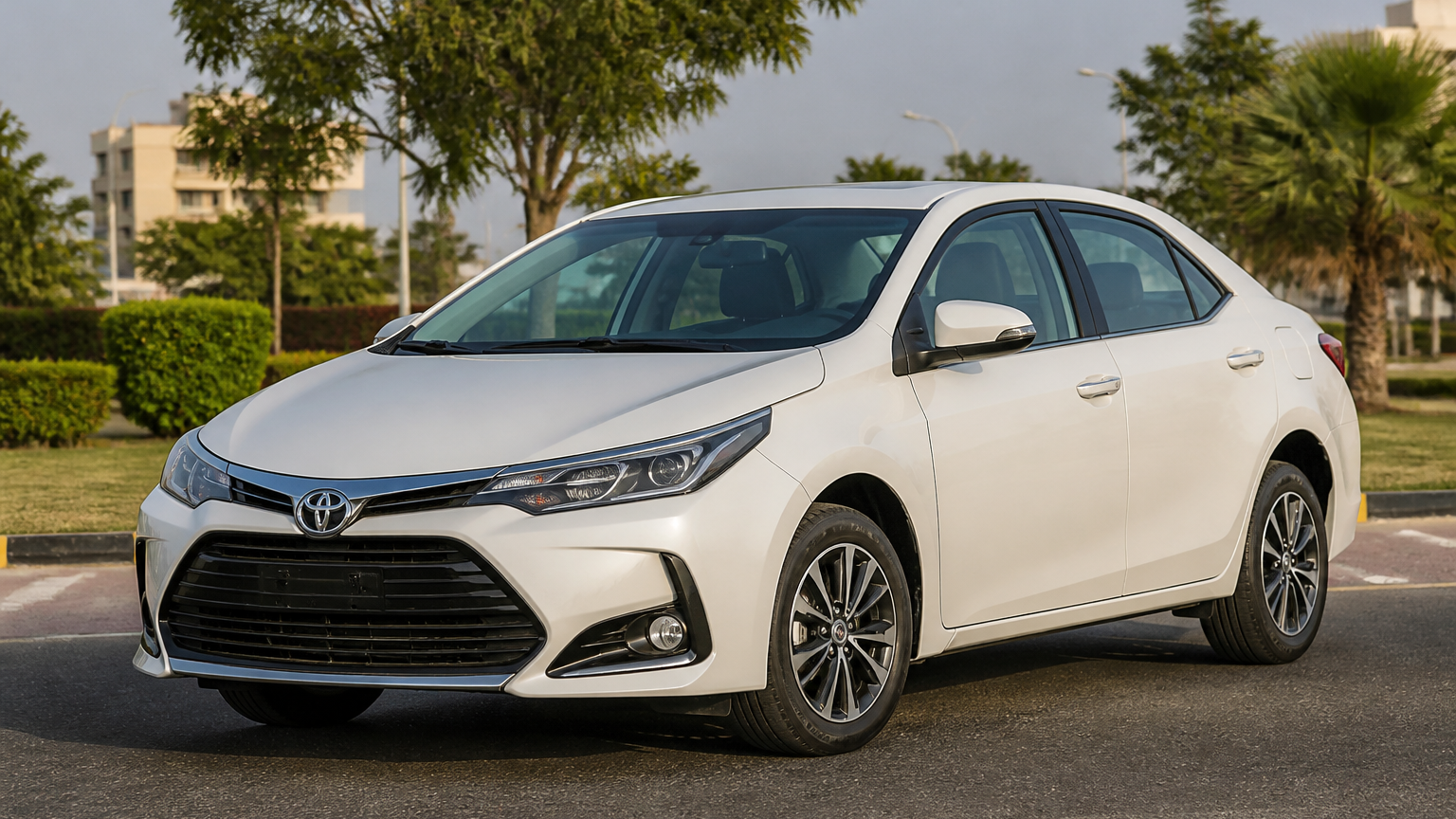
Toyota Corolla Discontinued Before Pakistan Facelift
Pakistan’s pre-facelift Toyota Corolla is reportedly discontinued, hinting at a facelift. Prices, bookings, specs and launch timing remain unconfirmed.
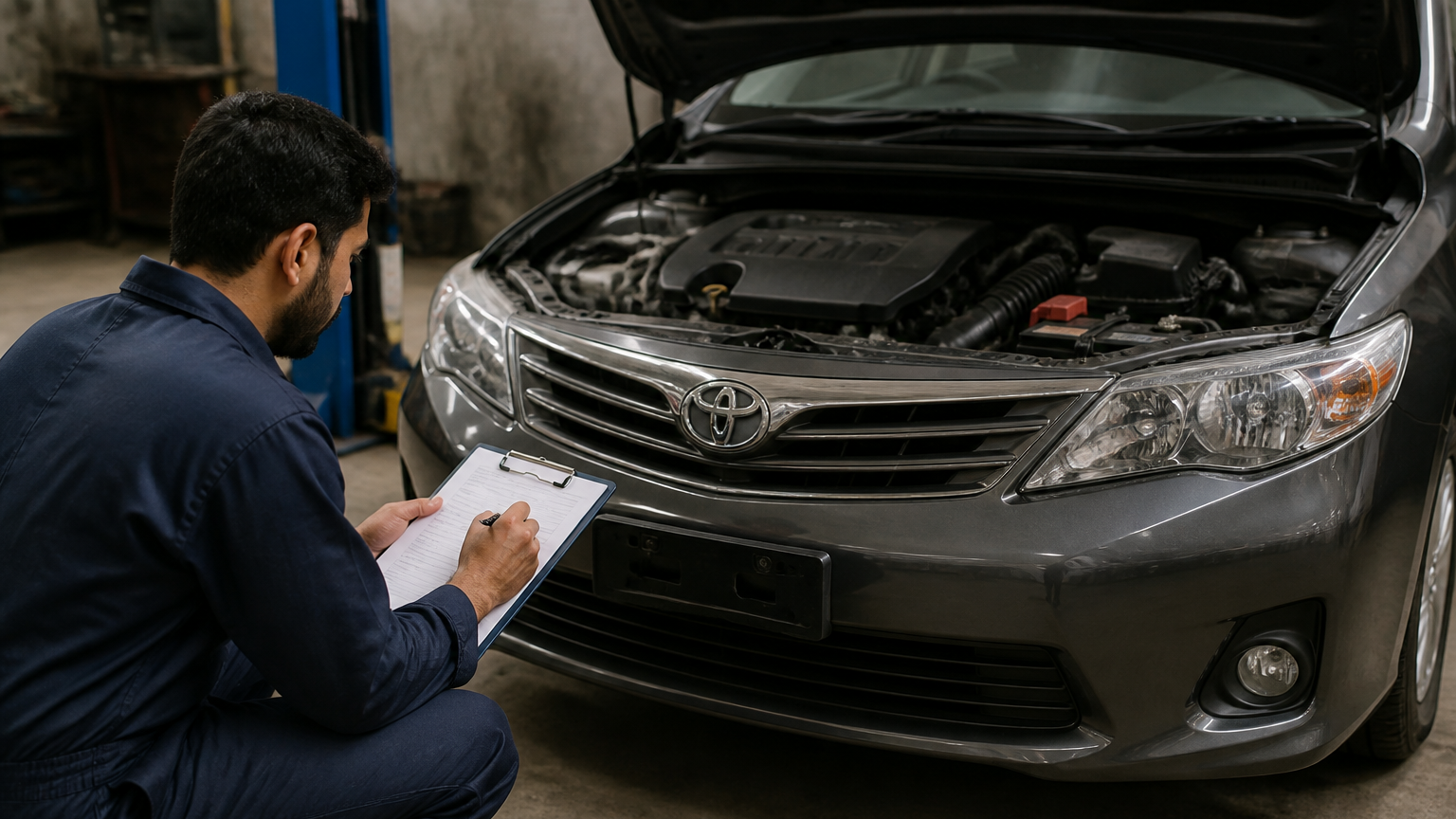
DrivePK Car Inspection Reports: Buy with Confidence
Buying a used car in Pakistan? A pre-purchase inspection can reveal hidden damage, engine issues and red flags before you pay—but it’s not enough alone.
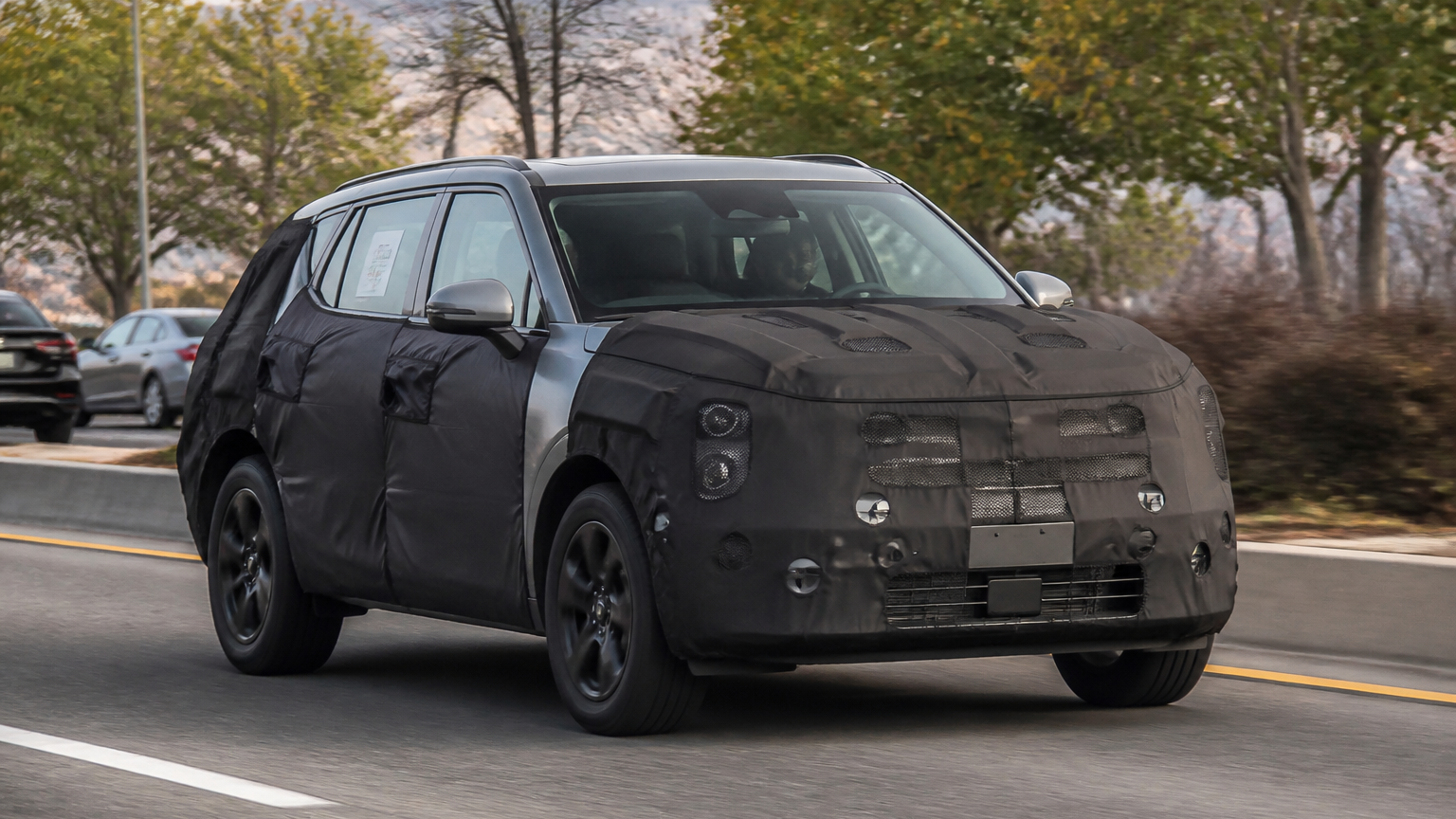
2028 Kia Sportage: Major Design Changes Spotted
Kia’s next Sportage may get a bolder, boxier redesign, with an upright profile, sharper lines, wider grille and split headlights hinted by spy shots.