Toyota Q4 FY2026 Earnings: Profit Drops 27% Despite Strong Sales Volumes
Toyota faces a challenging earnings report with operating profit falling 27% to ¥813 billion in Q4 FY2026, marking the fourth consecutive quarterly decline. Despite robust vehicle sales and strong hybrid demand, rising material costs, U.S. tariffs, and Middle East supply disruptions are squeezing margins significantly.
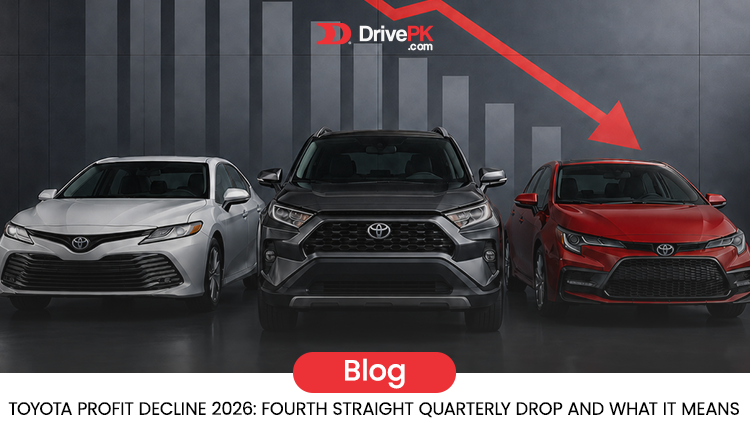
Table of Contents
- Why Profits Are Falling Despite Good Volumes
- Looking Back: 10-Year Profit and Sales Comparison
- Impact on Dealers, Pricing, and Competition
- What Toyota Is Doing About It
- Broader Industry Context
- What to Watch Next
Toyota, the world's largest automaker, faces another tough earnings report. Analysts expect the operating profit to be about 813 billion yen for January to March 2026. That's down 27% from the same period last year.
This marks the fourth straight quarterly drop. For the full fiscal year ending March 2026, profits look headed for a three-year low of around 4 trillion yen. Yet vehicle sales and production remain robust in many markets. What explains the gap?
Why Profits Are Falling Despite Good Volumes
Several factors hit Toyota at once. Rising material and labor costs top the list. U.S. tariffs add pressure, too. Ongoing tensions in the Middle East, especially around Iran, disrupt supply chains and push up prices for aluminum and oil-based parts.
These issues eat into margins even as hybrids sell well. Toyota built strong demand for its electrified lineup, but external costs outweigh those gains for now.
Global sales dipped in March 2026, down 7.3%. The Middle East saw a nearly one-third drop, partly due to shipping problems. A model changeover for the popular RAV4 also affected deliveries in key markets like the U.S.
Production actually rose slightly overall, showing that Toyota is preparing for recovery. But the profit squeeze is real.
Looking Back: 10-Year Profit and Sales Comparison
Toyota delivered impressive growth over the past decade, but recent pressures show up clearly. Here's a simplified overview based on reported figures (operating profit in trillions of yen, approximate; sales in millions of vehicles globally).
| Fiscal Year | Operating Profit (¥ trillion) | YoY Change | Global Vehicle Sales (approx. million) | Notes |
|---|---|---|---|---|
| FY2016 | ~2.0 | - | ~10.2 | Steady recovery |
| FY2017 | ~2.0 | Flat | ~10.5 | Stable |
| FY2018 | ~2.5 | Up | ~10.6 | Growth |
| FY2019 | ~2.5 | Flat | ~10.7 | Pre-pandemic |
| FY2020 | ~2.0 | Down | ~9.5 | COVID impact |
| FY2021 | ~2.85 | Up | ~10.5 | Strong rebound |
| FY2022 | ~2.99 | Up | ~10.5 | Record profit |
| FY2023 | ~2.72 | Down | ~10.6 | Supply issues |
| FY2024 | ~5.35 | Strong Up | ~11.1 | Peak performance |
| FY2025 | ~4.80 | Down | ~11.0+ | Tariff pressures begin |
| FY2026 (est) | ~4.0 | Down | ~9.7-11 target | Cost & geo risks |
Note: Figures are rounded and drawn from company reports and reliable financial summaries. Profits peaked in stronger yen or lower-cost periods but faced headwinds recently. Sales stayed resilient overall, with hybrids driving much of the volume.
The table shows Toyota's ability to bounce back. But sustained cost increases test that resilience now.
Impact on Dealers, Pricing, and Competition
Higher input costs may eventually reach consumers. Dealers could see tighter incentives or adjusted pricing strategies. Market competitiveness matters too — rivals face similar pressures, but Toyota's scale and hybrid strength give it an edge.
In North America, a key market, sales held up well in recent periods despite challenges. Electrified vehicles made up a growing share, helping offset some pain.
Suppliers also feel the strain. Higher aluminum prices and logistics issues from the Middle East ripple through the entire chain.
What Toyota Is Doing About It
Toyota focuses on cost control where it can. It continues investing in hybrids and regional production. A weaker yen helps exports somewhat. The company raised its full-year outlook earlier in the fiscal year, but later quarters show the challenges mounting.
Longer term, Toyota bets on its diverse powertrain strategy hybrids, plug-ins, and EVs rather than going all-in on one technology. That flexibility served it well before.
Broader Industry Context
This isn't just a Toyota story. Many automakers deal with inflation in raw materials, labor shortages, tariffs, and geopolitical risks. The auto sector remains sensitive to global events, from trade policy to conflicts affecting key shipping routes.
Consumers still want reliable, efficient vehicles. Toyota's reputation for quality and resale value positions it strongly, even in tougher times.
What to Watch Next
Toyota's official earnings release will provide more details on guidance and mitigation plans. Pay attention to:
- Updates on cost offsets
- Hybrid and EV sales mix
- Any production adjustments
- Comments on Middle East supply risks
For buyers and dealers, it may mean watching for deals if incentives shift. For investors, the focus stays on how quickly Toyota can restore margins.
The coming months will test how the company navigates these headwinds. Toyota has a long track record of adapting. This period highlights the difference between top-line strength and bottom-line pressure in today's complex world.
For more updates, visit DrivePK.com
Tags
Share this article
About the Author

Najeeb Khan
Automotive enthusiast and writer
Comments (0)
Login Required
You need to be logged in to comment on this article.
No comments yet. Be the first to share your thoughts!
Related Articles
Ghandhara Automobiles Results: Key Highlights
GAL's latest results are stirring investor interest, but incomplete details demand caution: verify the official PSX filing before trading on headlines.

Multan Green Electric Bus Service Starts With 60 Buses
Multan launches 60 green electric buses, offering free rides to students, women, seniors and people with disabilities as Punjab expands clean transit.

Suzuki Fronx Hybrid Price Revised in Pakistan
Suzuki Fronx Hybrid prices may shift after HEV tax changes in Pakistan. No verified figure yet—confirm the official invoice before booking.