Toyota's Engine Strategy: Hybrids and EVs Through 2030
Toyota sticks with internal combustion engines and hybrids through 2030, even as it expands EVs for China. Chairman Akio Toyoda sees engines as key to performance and brand. This balanced plan keeps Toyota competitive in a shifting auto world.
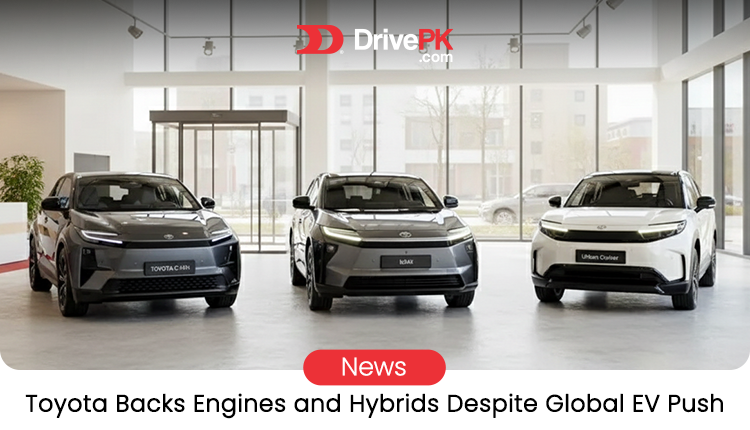
Table of Contents
- Why Engines Still Matter to Toyota
- China's EV Push and Toyota's Response
- Hybrids Lead the Way Globally
- The Multi-Powertrain Plan: A Smart Bet
- What This Means for Drivers
- Looking Ahead to 2030
Toyota has made a clear choice. The company will keep working on internal combustion engines and hybrids until at least 2030. At the same time, it plans to grow its electric vehicle lineup, but not everywhere. China gets special focus here. This comes from Chairman Akio Toyoda, who thinks engines still matter a lot. They help keep the cars fun to drive, spark new ideas, and hold onto what makes Toyota unique.
But why stick with older tech when the world pushes for EVs?
It's about staying smart in a tough market. China moves fast toward electric cars. Local brands there cut into Toyota's sales. So, Toyota fights back with EVs made just for that country. Elsewhere, like in the US, hybrids stay the star. This mix lets Toyota cover all bases without betting everything on one thing.
Why Engines Still Matter to Toyota
Akio Toyoda doesn't hide his views. He says engines aren't going away soon. They power the thrill in driving that many people love. Think about it. A smooth rev or quick acceleration that's hard to beat. Toyoda believes ditching engines too fast could hurt innovation. Instead, Toyota invests in making them cleaner and better.
This isn't just talk. The company pours money into research. They tweak engines to cut emissions and boost efficiency. Pair that with hybrid systems, and you get cars that sip fuel but still perform. It's a way to ease into the future without shocking customers or the supply chain.
And there's the brand side. Toyota built its name on reliable, fun cars. Engines play a big role in that story. Dropping them overnight might confuse fans. Toyoda wants to protect that identity while testing new waters.
China's EV Push and Toyota's Response
China changes everything. The market there explodes with EVs. Government rules and buyer tastes shift quickly. Local makers like BYD and Nio grab shares fast. Toyota feels the pinch as sales dip as rivals zoom ahead.
So, what does Toyota do? They roll out EVs tailored for China. These models fit local needs, like tech features and price points. It's not a full switch, though. Hybrids still sell there, but EVs get the spotlight to catch up.
This selective approach makes sense. China leads in EV adoption, with charging spots everywhere and subsidies flowing. Toyota can't ignore that. By focusing here, they learn fast and apply lessons globally. But they won't force EVs where they're not ready, like in places with spotty infrastructure.
Hybrids Lead the Way Globally
Outside China, hybrids rule for Toyota. Take the US market. People here want efficient cars without full plug-in hassle. Models like the Prius and Camry Hybrid fly off lots. They offer gas savings and low emissions without range worries.
Toyota bets big on this. They expand hybrid options across their lineup. From SUVs to trucks, hybrids sneak in. It's a bridge to full EVs. Customers get used to electric elements without jumping all in.
This strategy pays off. Hybrids outsell pure EVs for Toyota worldwide. They fit more lifestyles right now. Plus, they use existing tech, so costs stay down. Toyota avoids the pitfalls of rushing EVs, like battery shortages or high prices.
The Multi-Powertrain Plan: A Smart Bet
Toyota calls it a multi-powertrain strategy. That means engines, hybrids, EVs, all in play. No single winner yet. They invest across the board to stay flexible.
Research and development get huge funding. Billions go into better batteries, cleaner engines, and smarter hybrids. Partnerships help, too, like with other makers for shared tech.
This keeps Toyota competitive. The auto world splits. Some go all-EV, like Tesla. Others lag on old tech. Toyota sits in the middle, ready for whatever comes. If EV tech improves fast, they're set. If not, hybrids and engines carry them.
But challenges loom. Critics say Toyota moves too slowly on EVs. Sales in some spots slip as rivals push ahead. Supply chains for batteries are strained. And regulations tighten everywhere, pushing for zero emissions.
Still, Toyota adapts. They watch trends and adjust. For now, this balanced path looks solid. It honors the past while eyeing the future.
What This Means for Drivers
If you're shopping for a car, Toyota's plan offers choices. Want a hybrid for daily drives? Got it. Eyeing an EV in China? Options grow. Engines stick around for those who love them.
This variety helps. Not everyone can plug in at home. Gas stations often outnumber charging stations in many places. Hybrids solve that gap.
And innovation trickles down. Better engines mean cleaner air. Advanced hybrids push efficiency. EVs get refined through China tests.
Looking Ahead to 2030
By 2030, things might shift more. Toyota hints at more EVs globally as tech matures. But engines and hybrids won't vanish. They'll evolve.
Toyoda's vision guides this. He wants cars that excite, not just transport. Performance and identity matter as much as green creds.
Toyota navigates a complex road. Competition heats up, tech changes daily. Their strategy buys time to get it right.
Ultimately, this approach proves practical. It meets people where they are. No hype, just steady progress. That's Toyota's strength.
For more updates, visit DrivePK.com
Tags
Share this article
About the Author

Najeeb Khan
Automotive enthusiast and writer
Comments (0)
Login Required
You need to be logged in to comment on this article.
No comments yet. Be the first to share your thoughts!
Related Articles
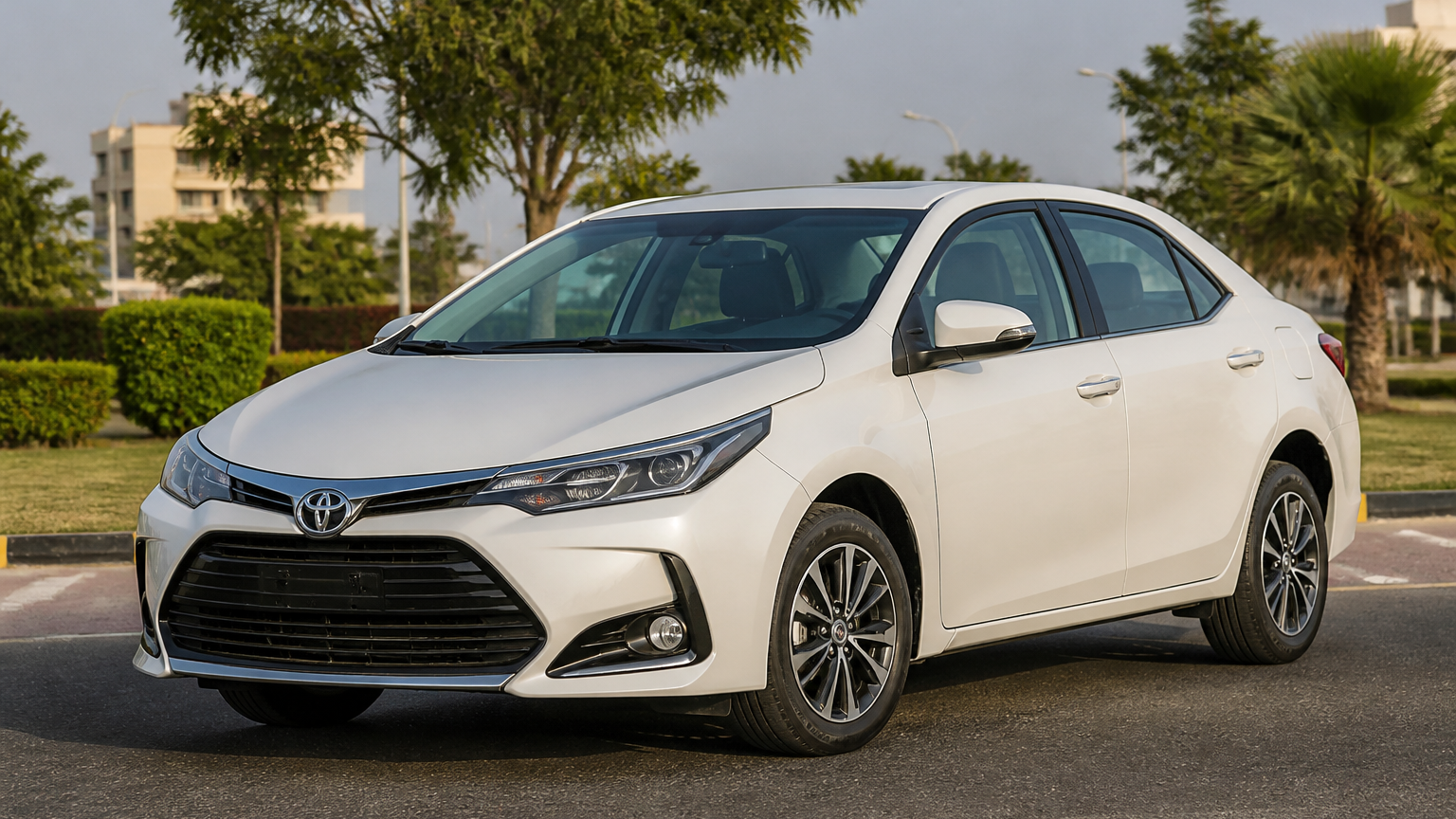
Toyota Corolla Discontinued Before Pakistan Facelift
Pakistan’s pre-facelift Toyota Corolla is reportedly discontinued, hinting at a facelift. Prices, bookings, specs and launch timing remain unconfirmed.
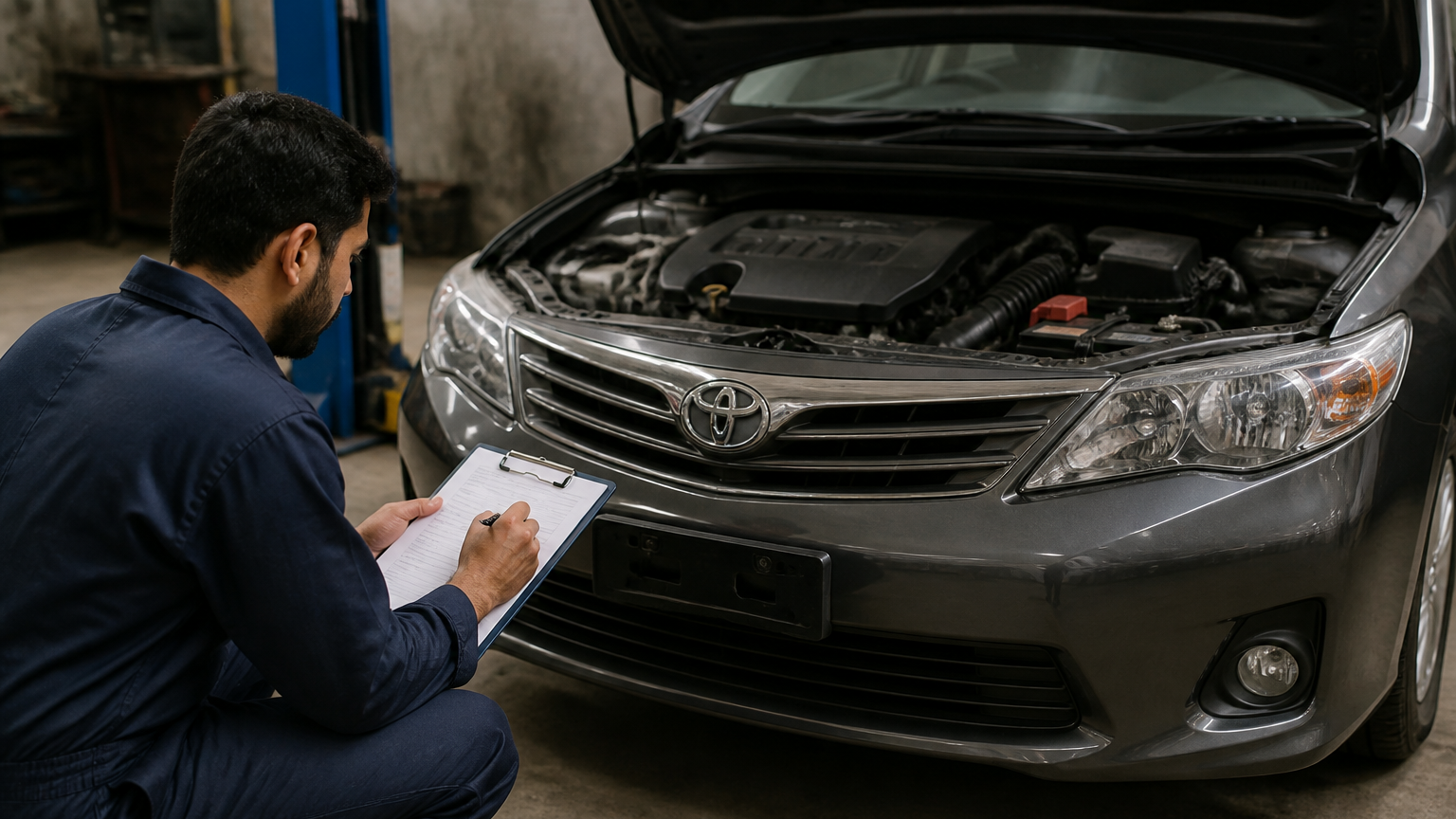
DrivePK Car Inspection Reports: Buy with Confidence
Buying a used car in Pakistan? A pre-purchase inspection can reveal hidden damage, engine issues and red flags before you pay—but it’s not enough alone.
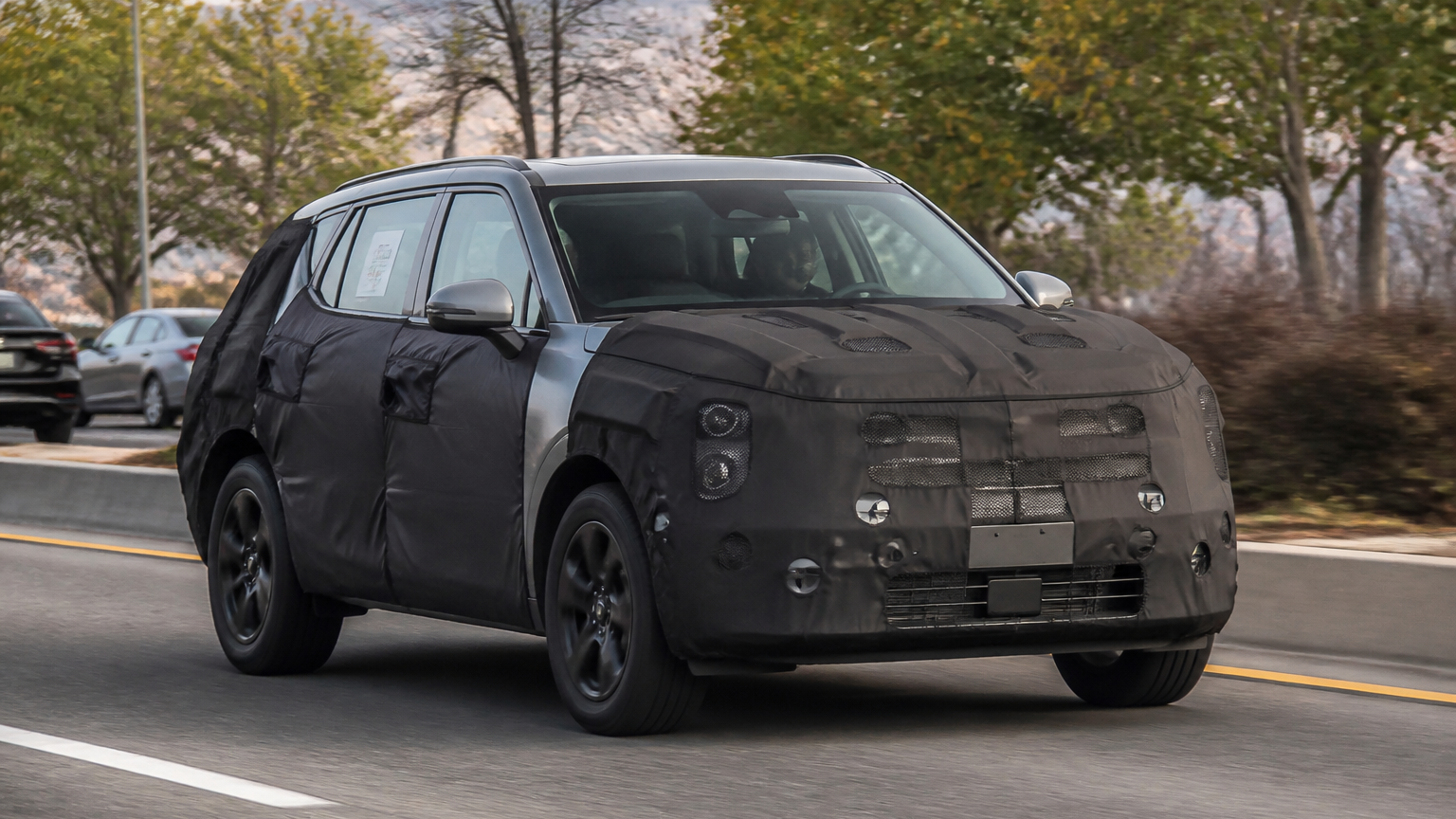
2028 Kia Sportage: Major Design Changes Spotted
Kia’s next Sportage may get a bolder, boxier redesign, with an upright profile, sharper lines, wider grille and split headlights hinted by spy shots.