7 Used-Car Document Checks Before Paying in Pakistan
Before buying a used car, verify its chassis, documents, fines, and finance status—or a clean-looking deal could become a costly legal nightmare.
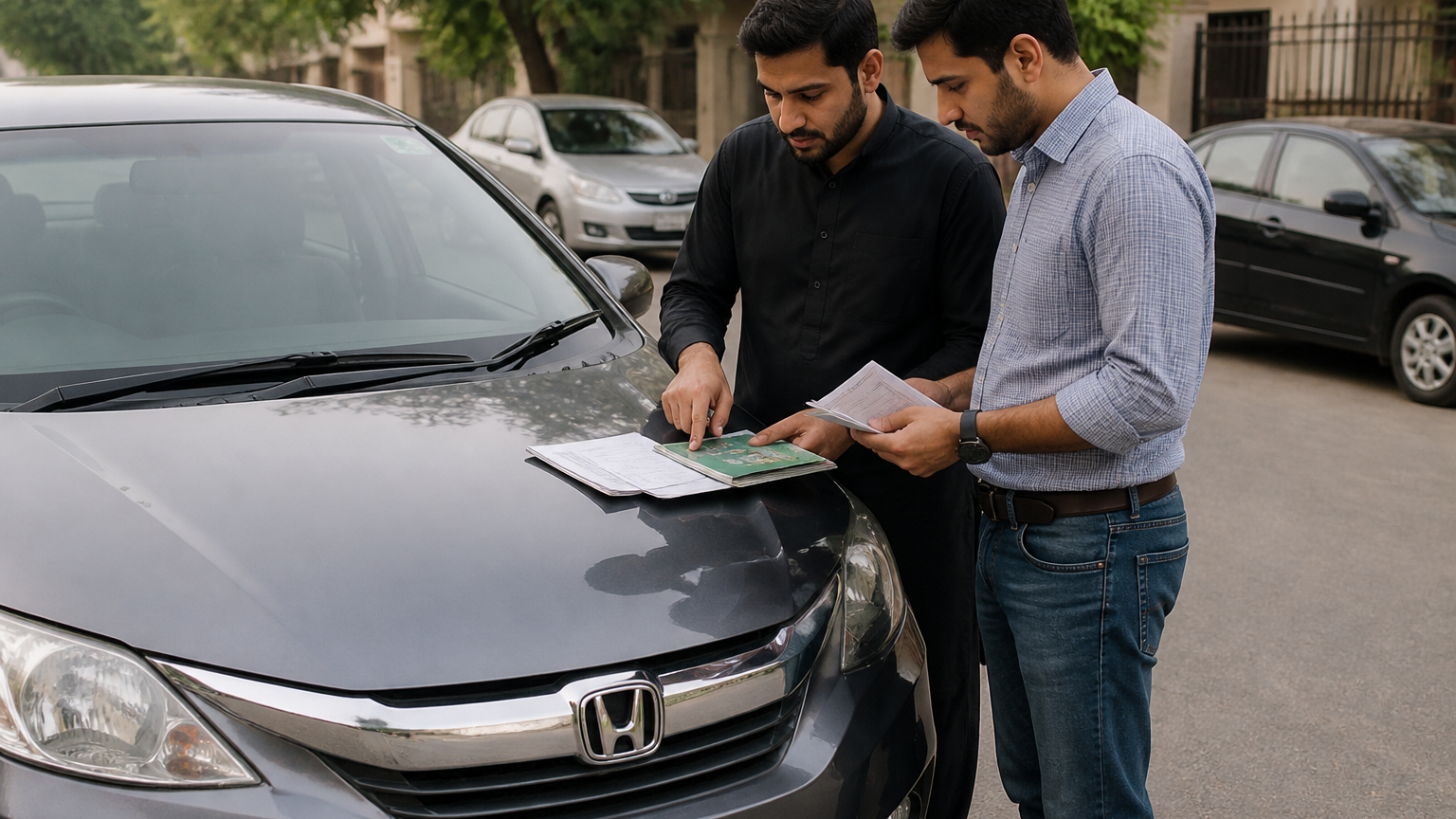
Table of Contents
- 1. Match the chassis and engine numbers
- 2. Verify the registration through the right Excise portal
- 3. Confirm the seller can actually transfer the car
- 4. Check token tax and challans separately
- 5. Look for bank finance or hypothecation
- 6. Avoid open-letter cars
- 7. Check customs papers for imported cars
- After the papers, inspect the car too
- Safe rule for buyers
- Explore DrivePK services
A clean-looking used car can still hide a costly problem. A Honda City may look ready to go, and the seller may ask for Rs 50,000 as token money, but that does not mean the papers are real or clear. A mismatched chassis number, unpaid challans, or a bank finance hold can turn a simple purchase into a long fight for your money.
These checks matter whether you are buying a local car, an imported hatchback, a hybrid, a plug-in hybrid, or an EV. Some of them take only a few minutes on your phone, while others may need a visit to Excise, Customs, or the bank.
1. Match the chassis and engine numbers
Start with the original smart card or registration book. Find the chassis number on the car itself and compare every letter and digit with the papers. Do not match only the last few digits.
For petrol and diesel cars, check both chassis and engine numbers. For hybrids, check the combustion engine details where recorded. For EVs, the papers may carry an electric motor number or power detail instead of a normal engine number.
If an engine has been replaced, that is not always a red flag. But the change should have proper receipts and official record updates. If you see grinding, welding, or tampering near the stamped number, ask for physical verification before paying.
2. Verify the registration through the right Excise portal
Do not depend on a WhatsApp screenshot of a vehicle record. Enter the registration number yourself on the portal for the province or area where the car is registered.
A car registered in Islamabad should be checked in Islamabad’s record, even if it is being sold in Karachi. Compare the owner name, make, model, colour, and identification details with the car and the papers.
If the car does not appear online, that does not automatically mean it is fake. Older vehicles may need an Excise office visit.
3. Confirm the seller can actually transfer the car
Check the seller’s original CNIC and compare it with the registered owner name. If the car is in someone else’s name, do not rely on a promise that the transfer will happen later.
This is where many buyers get trapped. They pay first and only then learn that the registered owner is unavailable or unwilling to appear for transfer. Make sure the transfer route is clear before any token money changes hands.
4. Check token tax and challans separately
Token tax and traffic fines are not the same thing. A car may have cleared one and still owe the other.
Check token tax with the relevant Excise or tax authority. Check traffic challans through the proper traffic-police system. Also add transfer charges to your budget, because those costs are separate from the car price.
If dues exist, get the settlement terms in writing and keep proof of payment.
5. Look for bank finance or hypothecation
If the papers mention HPA, hire purchase, or hypothecation, the car may still be under finance. In that case, ask for the bank’s clearance certificate or NOC.
Do not pay on a verbal promise that the bank document will arrive later. Verify the NOC directly with the bank or leasing company and then confirm with Excise that the restriction can be removed.
6. Avoid open-letter cars
An open-letter car is one sold without completing the ownership transfer. This creates trouble later, especially when you try to resell the car or complete biometric steps.
Always insist that the registered owner is ready to complete the transfer before you pay.
7. Check customs papers for imported cars
Imported cars need extra care. Ask for the Goods Declaration, customs-clearance papers, Bill of Lading, and other import documents linked to the car.
Match the chassis number across the vehicle, registration, and import papers. A Japanese auction sheet may help with history, but it does not prove customs clearance in Pakistan.
After the papers, inspect the car too
Clean papers do not mean a perfect car. A separate mechanical check can reveal accident damage, engine trouble, suspension wear, brake issues, or electrical faults that papers will never show.
Safe rule for buyers
Check identity, registration, chassis number, tax, challans, finance status, and customs papers before you pay. Put the price, dues, and transfer responsibility in writing. Use a traceable payment method only when the transfer is clear.
A small token can become a big loss if you rush. When any number, name, or document looks wrong, stop and verify first.
Explore DrivePK services
Considering a used car? Explore DrivePK Car Inspection to assess its condition before deciding. Review service coverage and booking details first.
For more updates, visit DrivePK.com
Tags
Share this article
About the Author

Dr Khan
Automotive Expert & Content Strategist
Comments (0)
Login Required
You need to be logged in to comment on this article.
No comments yet. Be the first to share your thoughts!
Related Articles
سندھ نے نمبر پلیٹس کے لیے 1.5 ارب روپے کی منظوری دے دی
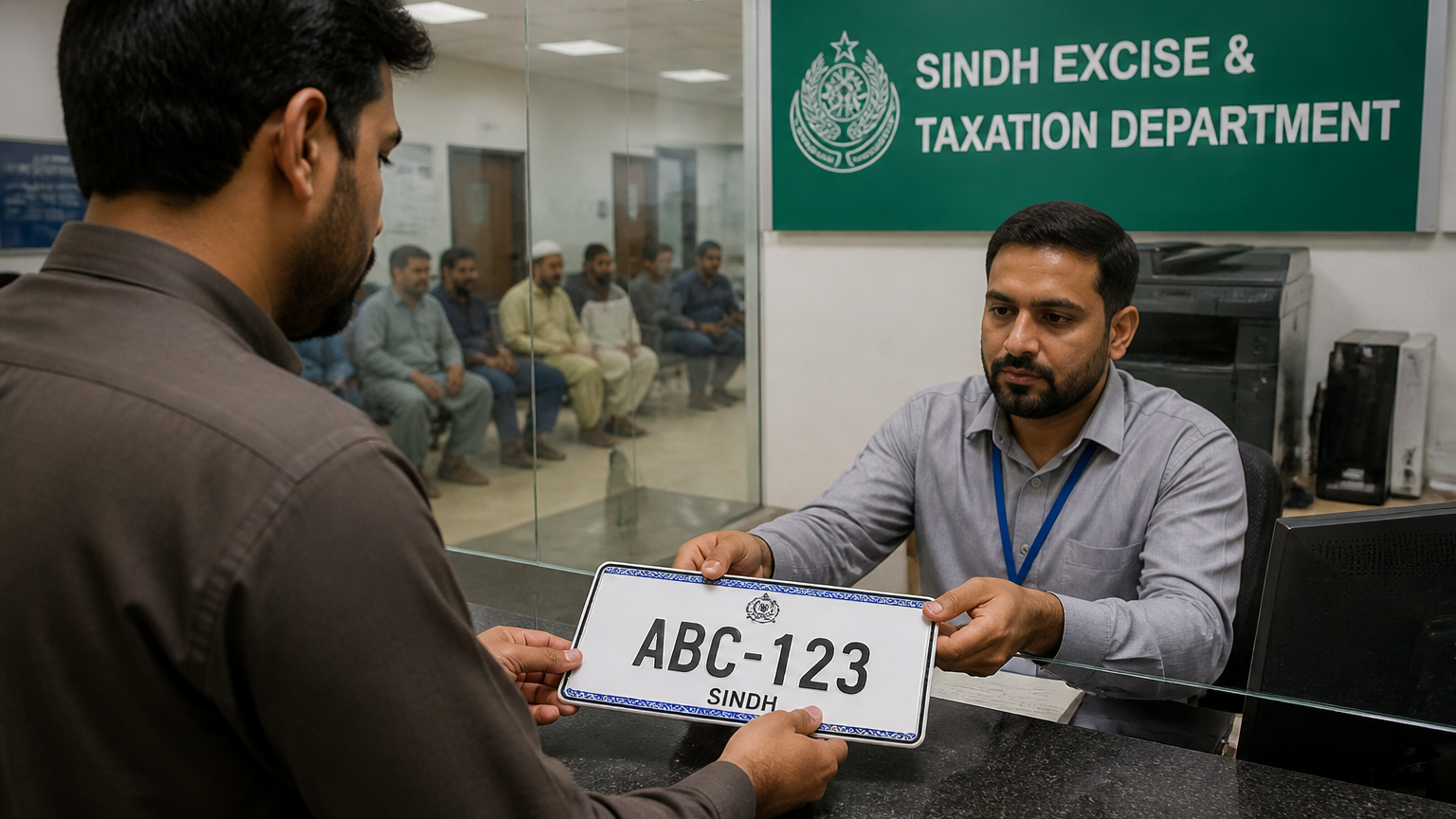
سندھ نے نئی سیکیور گاڑیوں کی پلیٹس کے لیے 1.5 ارب روپے منظور کر لیے، جس سے تاخیر میں کمی آسکتی ہے—تاہم موٹرسائیکل سواروں اور ڈرائیورز کو فوری اجرا کی توقع نہیں رکھنی چاہیے۔
Sindh Approves Rs 1.5 Billion for Number Plates
Sindh approves Rs1.5bn for new secure vehicle plates, potentially easing delays—but motorists shouldn’t expect immediate issuance.
پاکستان میں 1,000cc کاروں کے لیے فیول سبسڈی زیرِ غور
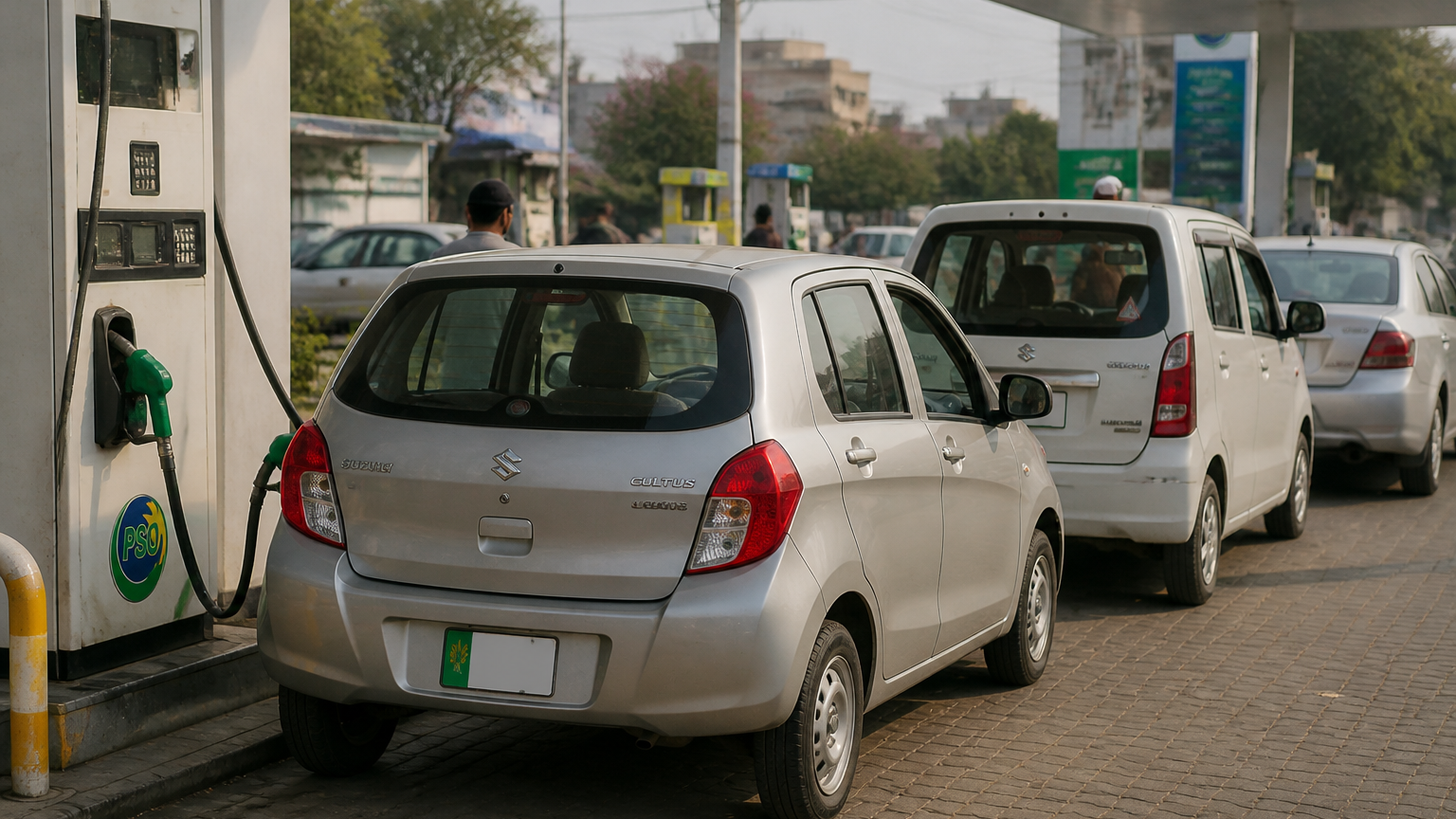
ایندھن میں ریلیف 1,000cc تک کی کاروں تک بڑھ سکتا ہے، تاہم یہ تجویز ابھی حتمی نہیں۔ موجودہ امداد موٹرسائیکلوں، رکشوں اور 800cc تک کی کاروں کے لیے ہے۔