Xiaomi Ends SU7 Production After 381,000 Deliveries, New Model Launches April 2026
Xiaomi has ended production of its first-generation SU7 after delivering more than 381,000 units in under two years. The sedan topped China's premium segment and outsold the Tesla Model 3. The next-generation model launches in April 2026 with an upgraded range up to 902 km, new tech, and pre-sale prices from 229,900 to 309,900 yuan.
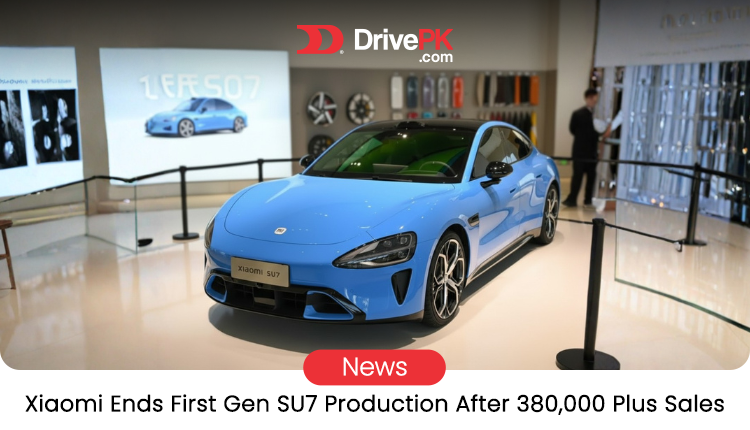
Table of Contents
- Strong Sales and Key Wins
- Moving to the Next Generation
- What the Success Says About the Market
- What to Expect From the New SU7
- Challenges and the Road Ahead
Xiaomi has wrapped up production of its first-generation SU7 electric sedan. The company delivered more than 381,000 units in less than two years. Xiaomi founder Lei Jun shared the news during a livestream on February 10. The last SU7 has already rolled off the line, and the factory is now moving to the next version.
This marks a fast rise for Xiaomi in the EV world. The brand jumped into cars in 2024, and the SU7 quickly became a strong player. Deliveries started in April 2024. In that short time, it stood out in a tough market.
Strong Sales and Key Wins
The SU7 did more than just sell well. It became the top-selling sedan in China's premium segment, which covers cars priced above 200,000 yuan. Even more notable, it was the first electric vehicle to outsell the Tesla Model 3 in China.
These numbers show how quickly buyers took to the car. It offered good performance, modern tech, and a price that felt right for many people. The mix of style, features, and driving feel helped it stand out.
Lei Jun highlighted the milestone in his livestream. He noted that the final car was on its way to its new owner. Production has now fully shifted. The lines are getting ready for the updated model.
Moving to the Next Generation
Xiaomi is not slowing down. The new-generation SU7 is set to launch in April 2026. Pre-sales are already open, with prices ranging from 229,900 to 309,900 yuan. Display vehicles are starting to reach dealerships this month, so people can see the changes up close.
The updates focus on design, technology, and the powertrain. Early details point to improvements across the board. The new version brings a higher maximum range, up to 902 km under CLTC testing. It also adds lidar sensors as standard for better driver assistance.
All trims get upgrades in safety and smart features. The interior sees a full redesign for better comfort and usability. These changes come with a modest price increase from the original models, but the added value aims to justify it.
What the Success Says About the Market
Xiaomi's quick run with the SU7 highlights the strength of China's EV market. Buyers want cars that feel premium without the highest prices. The SU7 hit that sweet spot. It competed directly with established names and came out ahead in sales.
Beating the Model 3 was a big statement. Tesla has long led in the premium EV sedan space. Xiaomi showed that a new entrant could shake things up with the right formula. Good range, strong acceleration, and tech that matches phones and smart homes appealed to younger buyers.
At the same time, the fast production end shows how the industry moves. Two years is a short cycle for a new model. Companies refresh cars quickly to stay competitive. Xiaomi is following that path.
What to Expect From the New SU7
The next version builds on what worked. A higher range will help with longer trips and reduce charging worries. Standard lidar supports more advanced assistance systems, which many drivers now expect.
Powertrain options are getting upgrades, too. The car should feel even more refined on the road. Design tweaks will give it a fresher look while keeping the sleek style that fans liked.
Pricing starts at 229,900 yuan for the base model. The top trim reaches 309,900 yuan. This positions it firmly in the premium segment. Early interest seems solid, with pre-orders moving well since they opened in January.
Xiaomi also set a delivery target of 550,000 vehicles for 2026. The SU7 will play a key role in hitting that number. The company is expanding its lineup with more models this year, which should help overall growth.
Challenges and the Road Ahead
Ending the first generation so soon might surprise some owners. But it is common in fast-moving tech sectors. The original SU7 still holds strong value, and many units are on the road delivering good experiences.
For Xiaomi, this shift is about staying ahead. The EV market in China is crowded. New features and better efficiency keep buyers interested. The company is using its strengths in electronics and software to make cars that feel different.
Buyers considering the new model should watch for official launch details in April. Test drives and real-world reviews will show how the upgrades perform day to day. Range figures are useful, but actual driving conditions always tell more.
Xiaomi's entry into EVs has been one of the fastest success stories in recent years. The SU7 proved the brand could deliver on cars the way it does with phones. Now the next chapter begins.
This move keeps the momentum going. It shows confidence in the updates and the demand for better EVs. As more details come out, the new SU7 could continue the strong run started by the first generation. For more updates, visit DrivePK.com
Tags
Share this article
About the Author

Najeeb Khan
Automotive enthusiast and writer
Comments (0)
Login Required
You need to be logged in to comment on this article.
No comments yet. Be the first to share your thoughts!
Related Articles
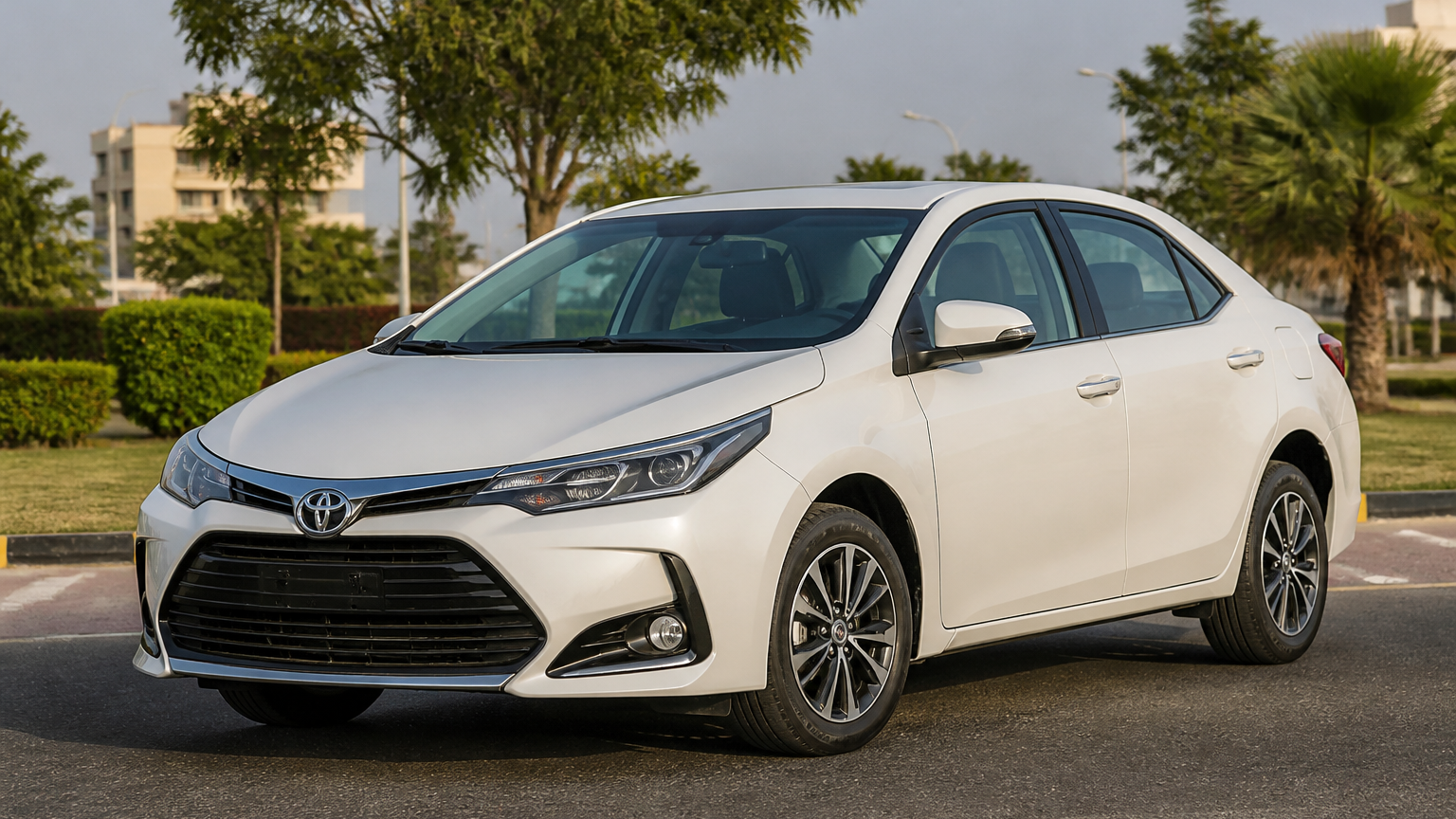
Toyota Corolla Discontinued Before Pakistan Facelift
Pakistan’s pre-facelift Toyota Corolla is reportedly discontinued, hinting at a facelift. Prices, bookings, specs and launch timing remain unconfirmed.
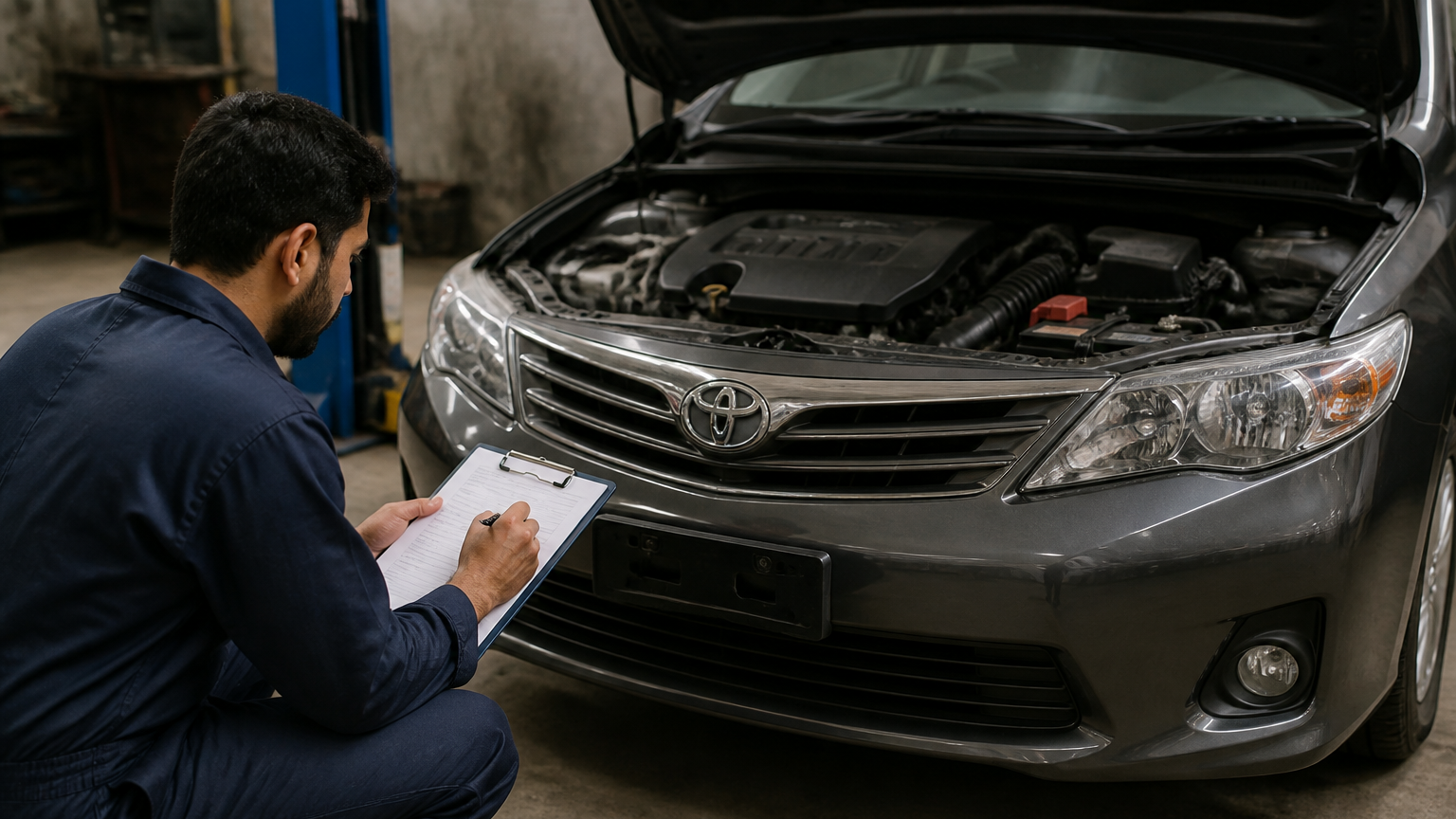
DrivePK Car Inspection Reports: Buy with Confidence
Buying a used car in Pakistan? A pre-purchase inspection can reveal hidden damage, engine issues and red flags before you pay—but it’s not enough alone.
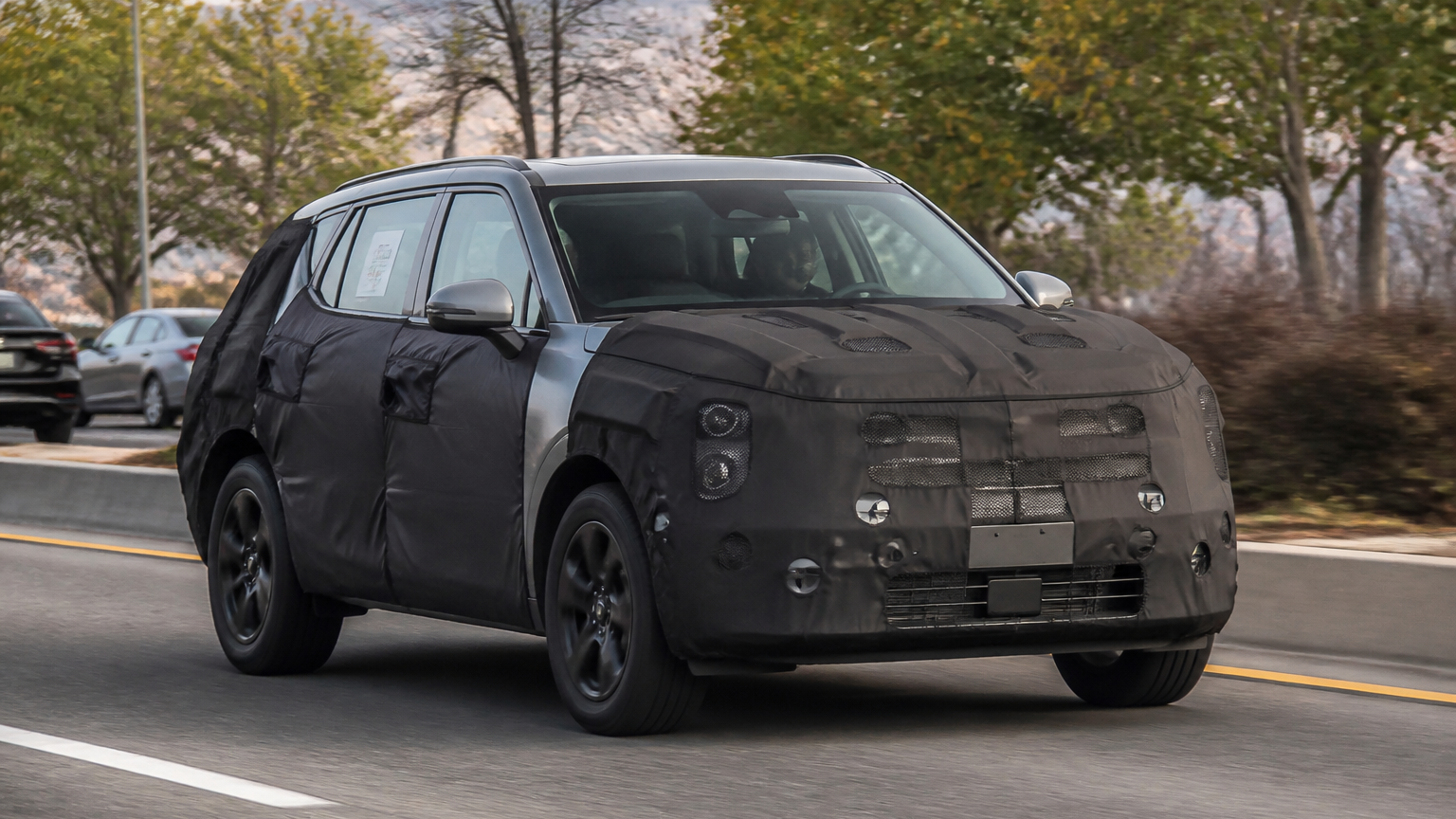
2028 Kia Sportage: Major Design Changes Spotted
Kia’s next Sportage may get a bolder, boxier redesign, with an upright profile, sharper lines, wider grille and split headlights hinted by spy shots.