Xiaomi Q3 2025 Earnings: EV Deliveries Hit Record 350,000 & First Profit Achieved
Xiaomi delivered over 100,000 EVs in Q3 2025, hitting its annual 350,000 target early and posting its first EV division profit. Revenue, margins, and store expansion signal Xiaomi’s rapid rise in China’s electric vehicle market.
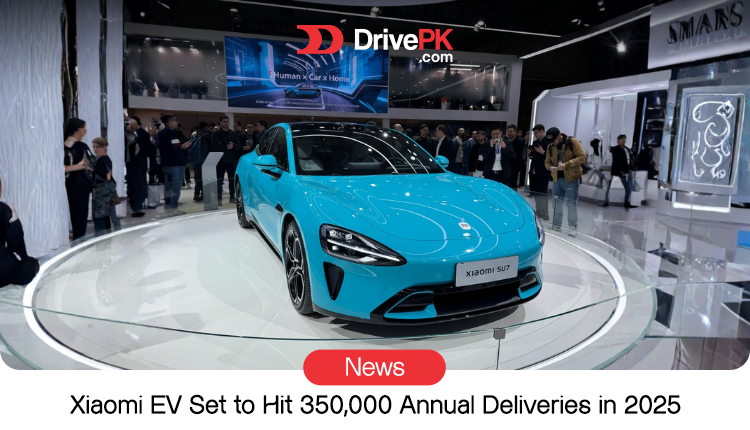
Table of Contents
- The Numbers Behind the Surge
- Breaking Down the EV Push
- Stores Popping Up Everywhere
- What the Experts See Coming
- The Bigger Picture for Xiaomi
- Why This Feels Like a Turning Point
Xiaomi just wrapped up a quarter that shows it's no longer just the phone company. Their electric vehicle side hit a big milestone: delivering enough cars this week to reach their full-year goal of 350,000 units. And for the first time, the smart EV and AI business turned a profit.
The numbers tell the story. In Q3 alone, they handed over more than 100,000 vehicles. That pushed the total for the first nine months past 260,000. September and October both broke records with over 40,000 deliveries each month. It's the kind of growth that makes you wonder what's next for a brand that started with gadgets in your pocket and now builds cars for the road.
The Numbers Behind the Surge
Xiaomi's overall revenue climbed 22.3% to 113.1 billion yuan. That's about 15.9 billion USD. Net profit jumped 80.9% to a record 11.3 billion yuan, with a gross margin of 22.9%. The EV part drove a lot of that. Sales from smart EVs hit 28.3 billion yuan, with a healthy 25.5% gross margin.
The EV and AI division brought in 700 million yuan in operating revenue and finally posted a quarterly profit of the same amount. Before this, it was all about investing big; R&D alone cost 9.1 billion yuan in Q3, up 52% from last year. Now, with scale kicking in, the pieces are fitting together.
| Key Q3 2025 Metrics | Value | Year-over-Year Change |
|---|---|---|
| Total Revenue | 113.1B yuan | +22.3% |
| Adjusted Net Profit | 11.3B yuan | +80.9% |
| EV Deliveries | 108,796 units | N/A (new business) |
| EV Revenue | 28.3B yuan | N/A |
| EV Gross Margin | 25.5% | N/A |
This table shows how EVs aren't just a side project anymore. They made up 25% of total revenue.
Breaking Down the EV Push
Xiaomi entered the car world last year with the SU7 sedan. It caught on fast, took 230 days to hit 100,000 deliveries. The next 160,000 came in just 232 days. That's double the pace. In June, they added the YU7 SUV, which topped sales charts in October.
September saw 40,000+ units roll out. October matched it. Weekly deliveries now top 10,000. The average price per car? Around 260,000 yuan, up 9% from last year, thanks to premium models like the SU7 Ultra.
But it's not all smooth roads. Chip prices are soaring because of AI demand, and Xiaomi warned smartphone costs might rise next year. For EVs, material shortages slow some deliveries to 28-38 weeks. Still, the momentum feels real.
Stores Popping Up Everywhere
Xiaomi isn't waiting for online orders to do all the work. As of late October, they had 424 stores in 125 Chinese cities. That's up from 402 centers by September's end. Come November, 17 more open in eight new spots. It's a smart move, lets people touch the cars, test the tech, and drive away the same day.
These aren't just showrooms. They're full-service hubs with delivery centers baked in. In a market where trust matters, seeing a Xiaomi EV up close helps. Especially when competitors like Tesla face their own delivery hiccups.
What the Experts See Coming
Analysts at Citi crunched the numbers. At 10,000+ per week, Xiaomi could hit 400,000 deliveries by year's end, 50,000 more than planned. Other forecasts say 410,000. That's double last year's total.
Gross margins should climb too, maybe to 27.4% in Q4 as production scales. Rumors swirl about a plug-in hybrid model in 2026 to grab more buyers wary of full electrics.
China's EV world is a price war, but Xiaomi's ecosystem helps. Link your phone to the car, sync with home devices, it's all one loop. That "people-car-home" idea isn't hype; it's what keeps users hooked.
The Bigger Picture for Xiaomi
Phones still pay most bills, 43.3 million shipped in Q3, up just 0.5%. IoT and lifestyle products held steady. But EVs and AI? They're the spark. R&D spend hit 23.5 billion yuan in nine months, betting on smarts like large AI models for the whole setup.
Challenges loom. Tax breaks for EVs are shrinking. Competition from BYD and others heats up. But Xiaomi's track record from budget phones to global player suggests they adapt.
For buyers, this means more choices soon, affordable tech in a car that feels connected. For investors, it's proof that the pivot to mobility works.
Why This Feels Like a Turning Point
Hitting profit in EVs after one year? That's rare. It took Tesla longer. Xiaomi's not promising the moon, but the steady climb of more cars, more stores, and better margins builds quiet confidence.
If you're eyeing an EV, watch Xiaomi. Their Q3 run shows they're in it for the long haul. And with 400,000 on the horizon, the roads ahead look busier.
For more updates, visit DrivePK.com
Tags
Share this article
About the Author

Najeeb Khan
Automotive enthusiast and writer
Comments (0)
Login Required
You need to be logged in to comment on this article.
No comments yet. Be the first to share your thoughts!
Related Articles
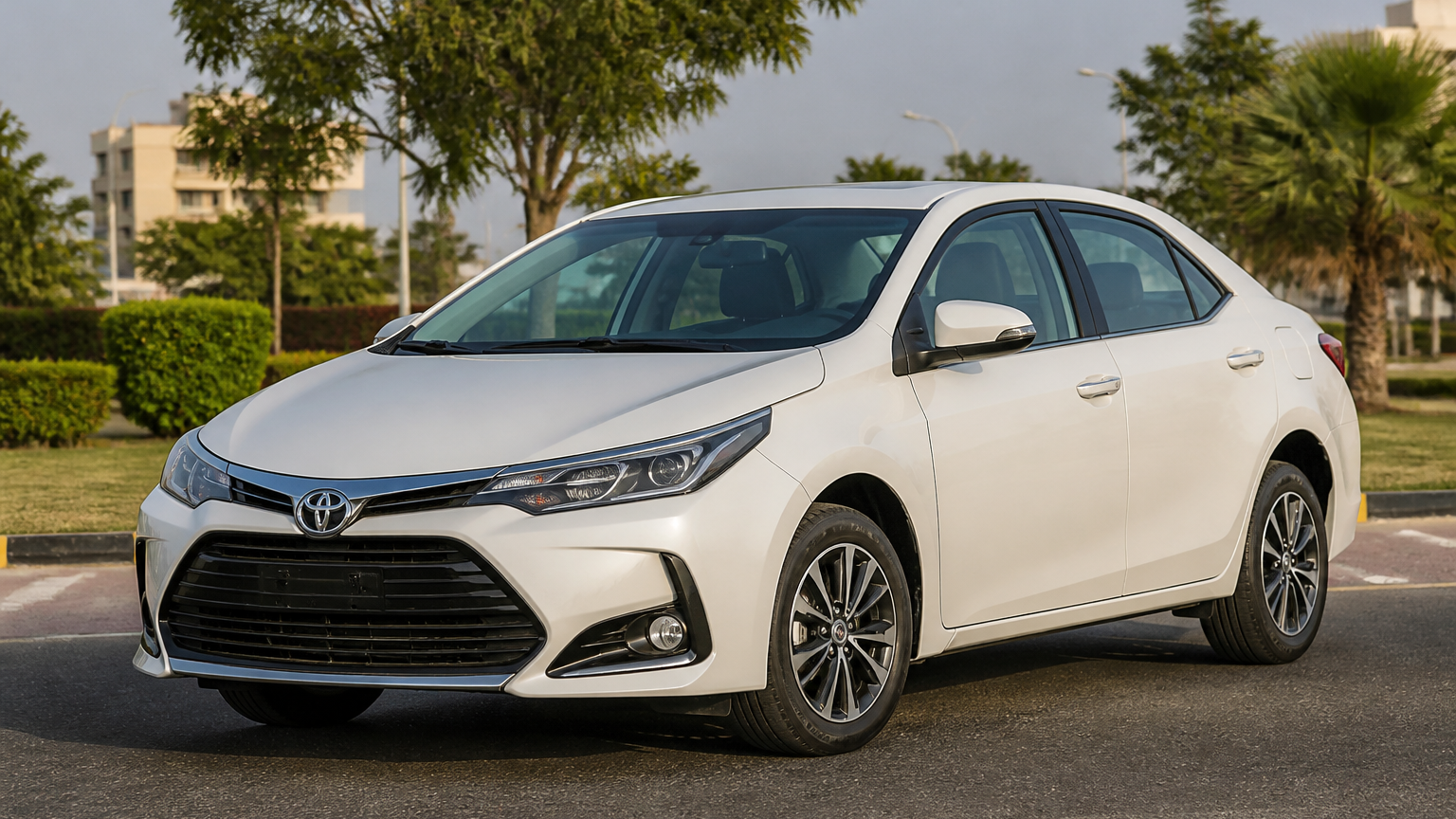
Toyota Corolla Discontinued Before Pakistan Facelift
Pakistan’s pre-facelift Toyota Corolla is reportedly discontinued, hinting at a facelift. Prices, bookings, specs and launch timing remain unconfirmed.
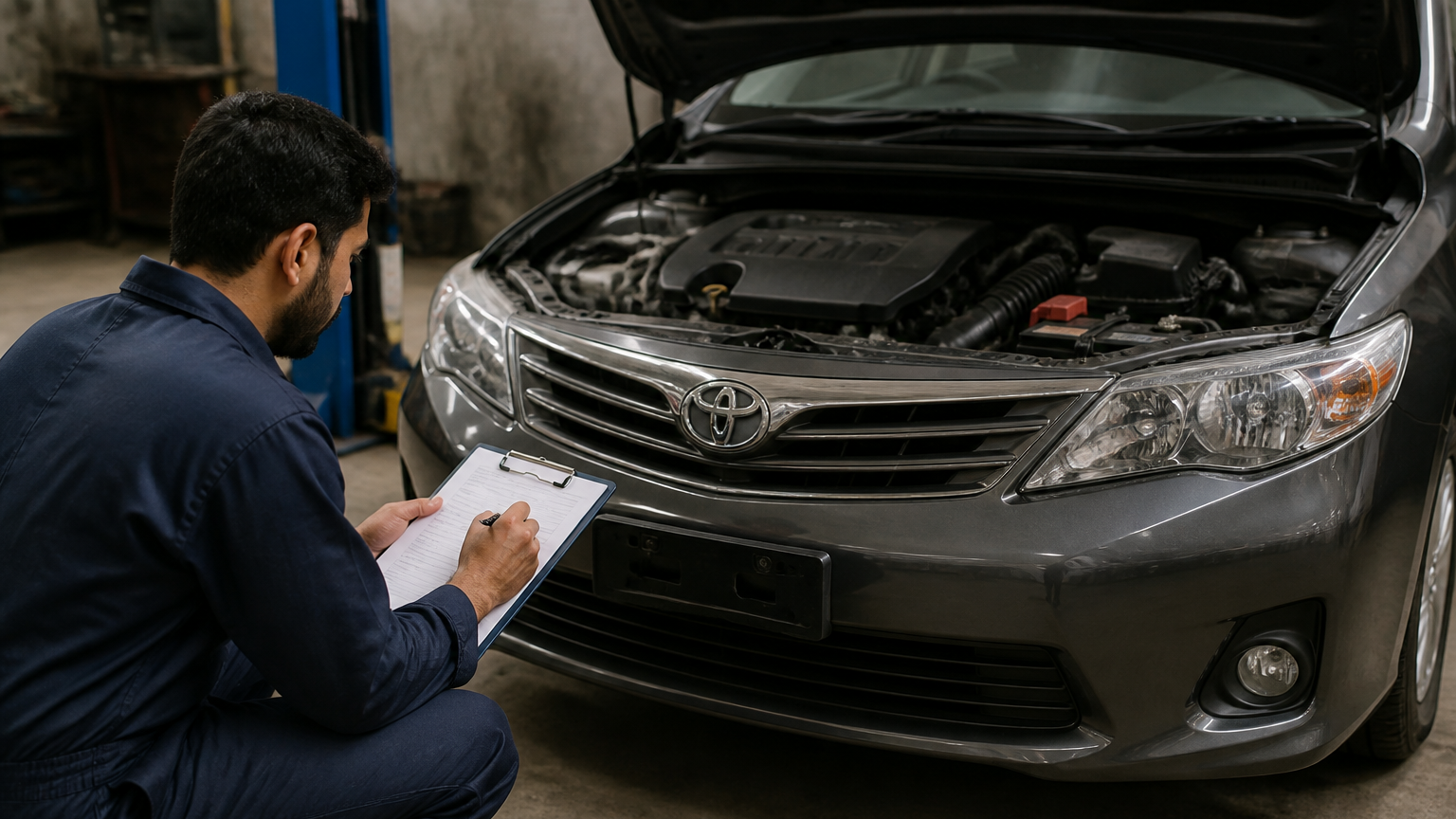
DrivePK Car Inspection Reports: Buy with Confidence
Buying a used car in Pakistan? A pre-purchase inspection can reveal hidden damage, engine issues and red flags before you pay—but it’s not enough alone.
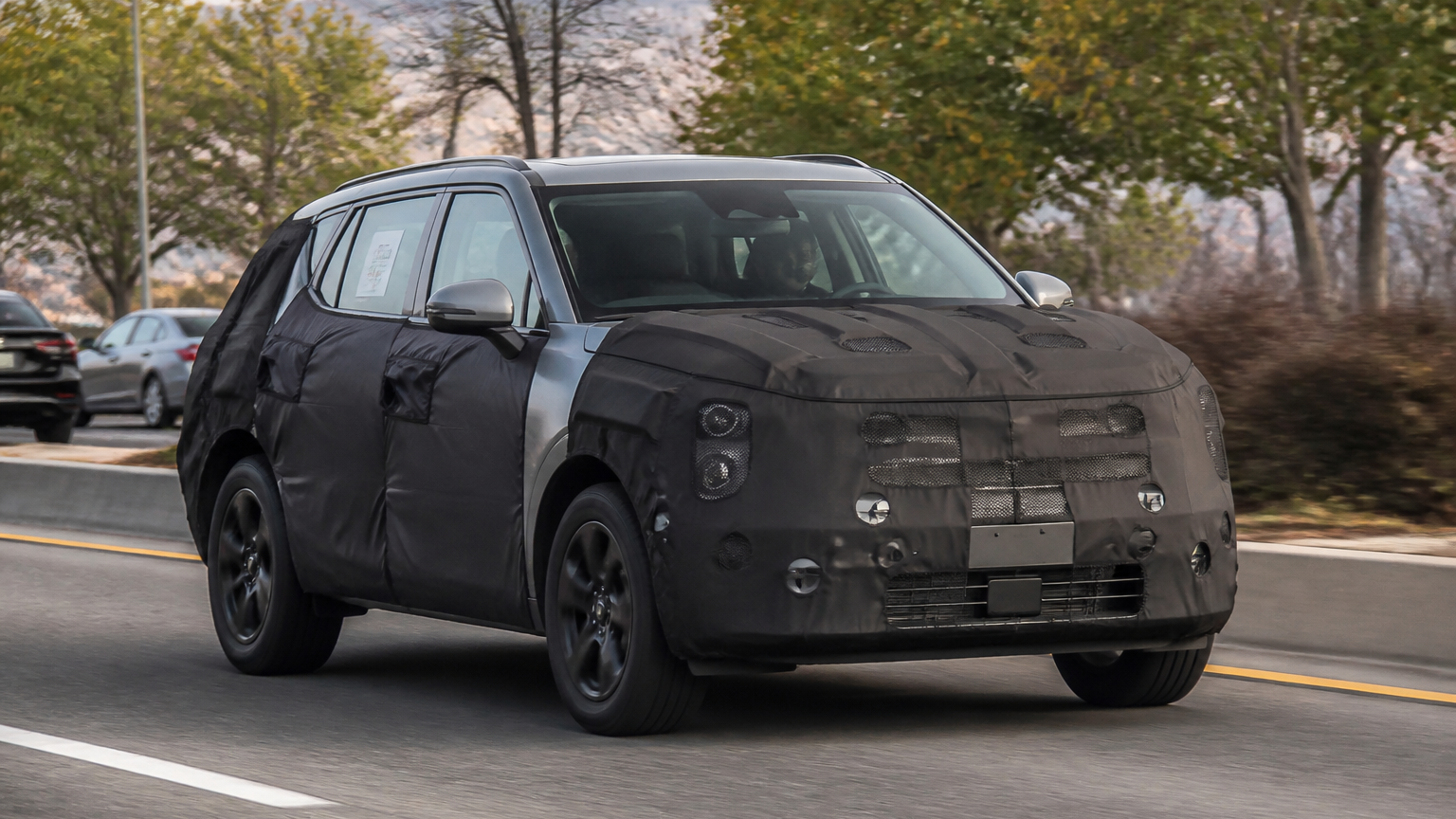
2028 Kia Sportage: Major Design Changes Spotted
Kia’s next Sportage may get a bolder, boxier redesign, with an upright profile, sharper lines, wider grille and split headlights hinted by spy shots.