Xiaomi's Record EV Deliveries in 2025: Over 400,000 Units and Future Plans
Xiaomi wrapped up 2025 with over 400,000 EV deliveries, including a record 50,000 in December. The SU7 sedan kicked things off in 2024, but the YU7 SUV stole the show. Plans include new SUVs in 2026 and Europe entry in 2027.
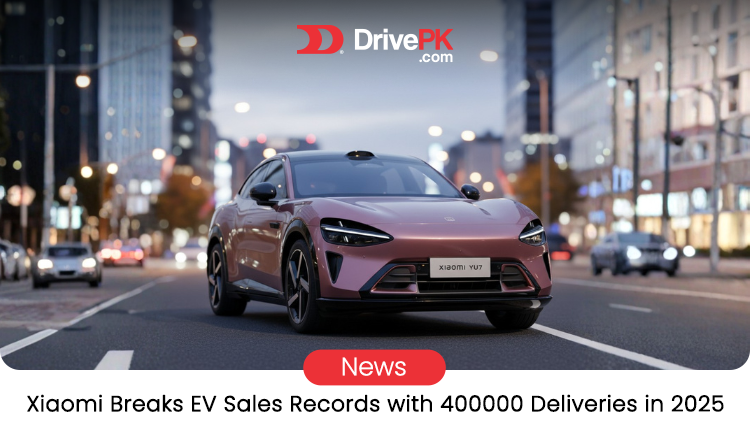
Table of Contents
- Xiaomi's Impressive Rise in the EV World: Record Deliveries and What's Next
- How Xiaomi Entered the EV Game
- The SU7 Sedan: The Starter That Set the Pace
- The YU7 SUV: The Bestseller That Boosted Numbers
- Breaking Down the Delivery Milestones
- Future Plans: New Models and Global Expansion
- Impact on the EV Market
- Conclusion
Meta Title: Xiaomi's Record EV Deliveries in 2025: Over 400,000 Units and Future Plans
Meta Description: Xiaomi hit over 400,000 EV deliveries in 2025, driven by the SU7 sedan and YU7 SUV. Explore their rapid growth in China's EV market, new models for 2026, and expansion to Europe in 2027.
Meta Keywords: Xiaomi EV, SU7 sedan, YU7 SUV, electric vehicle deliveries, China EV market, EV sales 2025, Xiaomi electric cars
Meta Tags: Xiaomi EV growth, SU7 specs, YU7 sales, EV industry China, future EV models, electric SUV, sedan EV
Excerpt: Xiaomi wrapped up 2025 with over 400,000 EV deliveries, including a record 50,000 in December. The SU7 sedan kicked things off in 2024, but the YU7 SUV stole the show. Plans include new SUVs in 2026 and Europe entry in 2027. (48 words)
Xiaomi's Impressive Rise in the EV World: Record Deliveries and What's Next
Xiaomi isn't just about phones anymore. The company jumped into electric vehicles and made a big splash. In 2025, they delivered more than 400,000 cars. That's huge for a newcomer. They started with the SU7 sedan back in March 2024. Then came the YU7 SUV in June 2025. These models drove their success in China.
But how did they pull this off so fast? And what does it mean for the EV market? Let's break it down.
How Xiaomi Entered the EV Game
Xiaomi announced its EV plans a few years ago. They invested heavily in tech and production. By 2024, they launched the SU7. It was their first car, aimed at competing with big names like Tesla and BYD.
The timing worked out. China's EV market is booming. People want affordable, tech-packed cars. Xiaomi used its smartphone know-how to add smart features. Things like seamless integration with devices and advanced driver aids.
They built a factory in Beijing that can churn out thousands of cars monthly. This helped them scale up quickly. From zero deliveries in early 2024 to hundreds of thousands by 2025 end. It's a story of smart planning and execution.
The SU7 Sedan: The Starter That Set the Pace
The SU7 is a sleek sedan. It looks sporty, with a low profile and sharp lines. Under the hood or battery it's all electric. It comes in different versions, with ranges up to 800 kilometers on a single charge.
Prices start around 200,000 yuan, which is competitive. That's about $28,000. Buyers get fast acceleration, like 0 to 100 km/h in under three seconds for top models. Plus, it's loaded with screens and connectivity.
Sales took off right away. In the first months, orders poured in. But production ramps took time. By late 2024, they were delivering steadily. The SU7 appealed to urban drivers who want style and tech without breaking the bank.
And it didn't stop there. Xiaomi updates the software often, adding new features. This kept owners happy and built loyalty.
The YU7 SUV: The Bestseller That Boosted Numbers
Then came the YU7 in mid-2025. This SUV changed things. It's bigger, with more space for families. It has similar tech as the SU7 but adds off-road bits and higher ground clearance.
In November 2025, Xiaomi sold over 46,000 vehicles in China. The YU7 outsold the SU7 by almost three to one. Why? SUVs are popular everywhere, especially in China. People need room for kids, groceries, and trips.
The YU7 starts at a similar price point. It offers extended-range options too, blending a battery and a small engine for longer drives. This eases range anxiety for some buyers.
Deliveries skyrocketed. By December, they hit over 50,000 units total, a record month. The YU7 became their top seller, pushing annual totals past 400,000.
Breaking Down the Delivery Milestones
Let's look at the numbers. From January to November 2025, Xiaomi delivered 361,625 vehicles. December added over 50,000, tipping the scale to more than 400,000 for the year.
That's impressive growth. They started from scratch. In comparison, established players like BYD sold millions, but Xiaomi caught up fast in the premium segment.
Posts on X highlight the buzz. One user noted Xiaomi's quick rise, comparing it to Tesla's early days. Another shared excitement about the YU7's sales incentives.
These figures show demand. China leads the world in EV adoption, with subsidies and infrastructure helping. Xiaomi tapped into that perfectly.
Future Plans: New Models and Global Expansion
Xiaomi isn't slowing down. In 2026, they plan to launch two new SUVs. One is a seven-seater extended-range vehicle. The other is a five-seater crossover. They'll also update the SU7, adding an executive version.
This expands their lineup. Extended-range EVs (EREV) mix battery power with a generator. It's popular for longer trips without frequent charging.
Right now, sales are China-only. But 2027 brings Europe. That means meeting strict safety and emission rules. It could open new markets, challenging European brands.
They aim for 500,000 deliveries in 2026. With new models, that's possible. Challenges include supply chains and competition.
Impact on the EV Market
Xiaomi's success shakes things up. They bring tech innovation to cars. Features like AI parking and smart cabins set trends.
For consumers, more choices mean better prices. In China, EV sales hit records in 2025. Xiaomi took a slice from leaders like BYD and Tesla.
Globally, it shows how fast new players can rise. Traditional automakers must adapt. Xiaomi's model, affordable connected EVs, could inspire others.
But issues exist. One X post mentioned a safety concern with door handles in crashes. China reacted with new rules. Xiaomi will need to address such things for trust.
Conclusion
Xiaomi's EV journey is just starting. From 400,000 deliveries in 2025 to global plans, they're moving fast. The SU7 and YU7 proved they can build desirable cars.
If you're eyeing an EV, watch Xiaomi. They blend tech and value well. And with expansions ahead, their impact will grow.For more updates, visit DrivePK.com
Tags
Share this article
About the Author

Najeeb Khan
Automotive enthusiast and writer
Comments (0)
Login Required
You need to be logged in to comment on this article.
No comments yet. Be the first to share your thoughts!
Related Articles
Toyota Corolla Discontinued Before Pakistan Facelift
Pakistan’s pre-facelift Toyota Corolla is reportedly discontinued, hinting at a facelift. Prices, bookings, specs and launch timing remain unconfirmed.
DrivePK Car Inspection Reports: Buy with Confidence
Buying a used car in Pakistan? A pre-purchase inspection can reveal hidden damage, engine issues and red flags before you pay—but it’s not enough alone.
2028 Kia Sportage: Major Design Changes Spotted
Kia’s next Sportage may get a bolder, boxier redesign, with an upright profile, sharper lines, wider grille and split headlights hinted by spy shots.