2026 Toyota C-HR Electric: Specs, Range, and Price Details
Toyota's 2026 C-HR electric debuts later this year as an affordable EV option. It packs 338 horsepower, all-wheel drive, and a 290-mile range from a 74.7 kWh battery. With NACS charging and a price under $40,000, it's a smart pick for compact SUV fans.
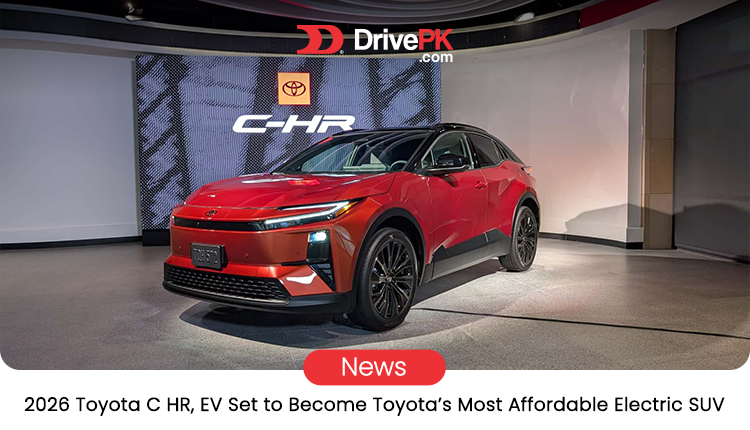
Table of Contents
- What Sets the C-HR Apart from Other Toyota EVs
- Power and Performance Details
- Battery Life and Driving Range
- Charging Made Easier with NACS
- Inside the Cabin: Space and Tech
- Pricing and When You Can Get One
- Why the C-HR Matters for Toyota's Future
- Final Thoughts on the 2026 C-HR
Toyota has big plans for electric cars. Later this year, they'll show off the all-electric 2026 C-HR. This model aims to make EVs more reachable for everyday drivers. It's not the flashiest, but it checks key boxes like power, range, and price.
Think about what most people want in an EV. Good mileage without constant charging stops. Enough space for errands or family trips. And a cost that doesn't break the bank. The C-HR seems built for that. It's smaller than some rivals, yet it promises solid performance.
I remember when Toyota first dipped into EVs with models like the bZ4X. That one felt like a test run. Now, the C-HR builds on those lessons. It's part of Toyota's push to sell more electrics without alienating loyal fans of their gas cars.
What Sets the C-HR Apart from Other Toyota EVs
The C-HR uses Toyota's e-TNGA platform. That's the same base as the bZ4X, but scaled down. This setup helps keep costs low while maintaining quality. The platform is flexible, so Toyota can tweak it for different sizes.
Compared to the bZ4X, the C-HR is more compact. It's like the difference between a midsize and a small SUV. That means easier parking in tight city spots. But it also cuts some interior room. If you need max cargo space, the bZ4X might suit you better.
Still, compact doesn't mean weak. Toyota designed this for urban life. Quick turns, zippy starts at lights. It's aimed at folks who drive mostly in town but want occasional highway capability.
And here's a hook: Toyota listened to feedback. Early EVs from them faced criticism for range and charging. The C-HR addresses that head-on with better specs.
Power and Performance Details
Under the hood, or rather, the floor, the C-HR gets dual motors. That means all-wheel drive is standard. No need to pay extra for it. The setup delivers 338 horsepower. That's plenty for most drivers.
Acceleration feels quick. Toyota hasn't shared exact zero-to-60 times yet, but expect it to be around five or six seconds. Not supercar fast, but enough to merge onto freeways without stress.
All-wheel drive helps in rain or snow. It grips better than front-wheel options. For people in colder areas, this could be a deciding factor.
But performance isn't just about speed. The C-HR handles like a sporty crossover. Low center of gravity from the battery placement. That reduces body roll in corners. Drives feel stable and fun.
One downside? It's not built for off-road adventures. Stick to pavement, and you'll be fine.
Battery Life and Driving Range
Range anxiety kills EV interest for many. The C-HR tackles that with an estimated 290 miles per charge. That's from a 74.7 kWh battery pack.
In real life, factors like speed or weather might drop it to 250 miles. Still, that's competitive for the price. Think about a full tank lasting a week of commutes.
Toyota optimized the battery for efficiency. The e-TNGA platform helps here too. It integrates everything smoothly, so less energy waste.
Charging at home?
A level-two setup could fill it overnight. For longer trips, public stations work well. And that leads to the next big feature.
Charging Made Easier with NACS
The C-HR adopts Tesla's NACS port. That's a game-changer, wait, no hype. It's practical. Owners get access to Tesla's Supercharger network.
No more hunting for compatible plugs. Just pull up, plug in, and go. Tesla has thousands of spots across the U.S. This opens up road trips that felt tricky before.
Other brands are switching to NACS too. Ford, GM, and more. So Toyota joins a growing standard. It simplifies life for EV newbies.
Fast charging? Expect 10-80% in about 30 minutes at a Supercharger. That's coffee-break time.
But remember, not every station is Tesla's. The port works with adapters for others if needed.
Inside the Cabin: Space and Tech
Step inside, and it's modern without overdoing it. Toyota kept the design clean. Touchscreen for controls, but physical buttons for basics like volume.
Space is tighter than the bZ4X. Rear seats might feel snug for tall adults. Front is fine, though. Cargo area holds groceries or weekend bags.
Tech highlights include wireless Apple CarPlay and Android Auto. Safety features like automatic braking and lane assist come standard.
The infotainment system runs smoothly. Voice commands work well for hands-free use.
One quirk: The compact size means less legroom overall. Families with teens might notice it on long drives.
But for singles or couples, it's ideal. Easy to load bikes or gear through the hatch.
Pricing and When You Can Get One
The best part? Starting under $40,000. That's before any tax credits. With incentives, it could dip below $35,000.
That positions it as one of Toyota's cheapest EVs. Cheaper than the bZ4X, which starts higher.
Debut later this year, sales likely in early 2026. Toyota hasn't set exact dates, but expects to showrooms by spring.
Trim levels might include base and premium. Add-ons like bigger wheels or upgraded audio.
Affordability draws in first-time EV buyers. People are tired of gas prices but wary of high costs.
Why the C-HR Matters for Toyota's Future
Toyota lagged in EVs compared to Tesla or Hyundai. This model helps catch up. It's a step toward mass adoption.
By focusing on basic range, price, and reliability, Toyota plays to its strengths. No wild designs or gimmicks. Just a solid car.
It could boost sales in Europe and the U.S. Markets where compact EVs thrive.
And it shows Toyota's commitment. More models will follow on this platform.
But challenges remain. Supply chain issues for batteries. Competition from cheaper Chinese brands.
Still, the C-HR feels like a turning point. Practical EVs for real people.
Final Thoughts on the 2026 C-HR
If you're eyeing an EV but want something straightforward, watch for the C-HR. It balances size, power, and cost nicely.
Not perfect for everyone, space is a trade-off. But for city dwellers or small households, it's promising.
Toyota's move here could pull more drivers into electrics. And that's good for the planet, without the preachiness.
Keep an eye on updates as the debut nears. This one might surprise you. For more updates, visit DrivePK.com
Tags
Share this article
About the Author

Najeeb Khan
Automotive enthusiast and writer
Comments (0)
Login Required
You need to be logged in to comment on this article.
No comments yet. Be the first to share your thoughts!
Related Articles
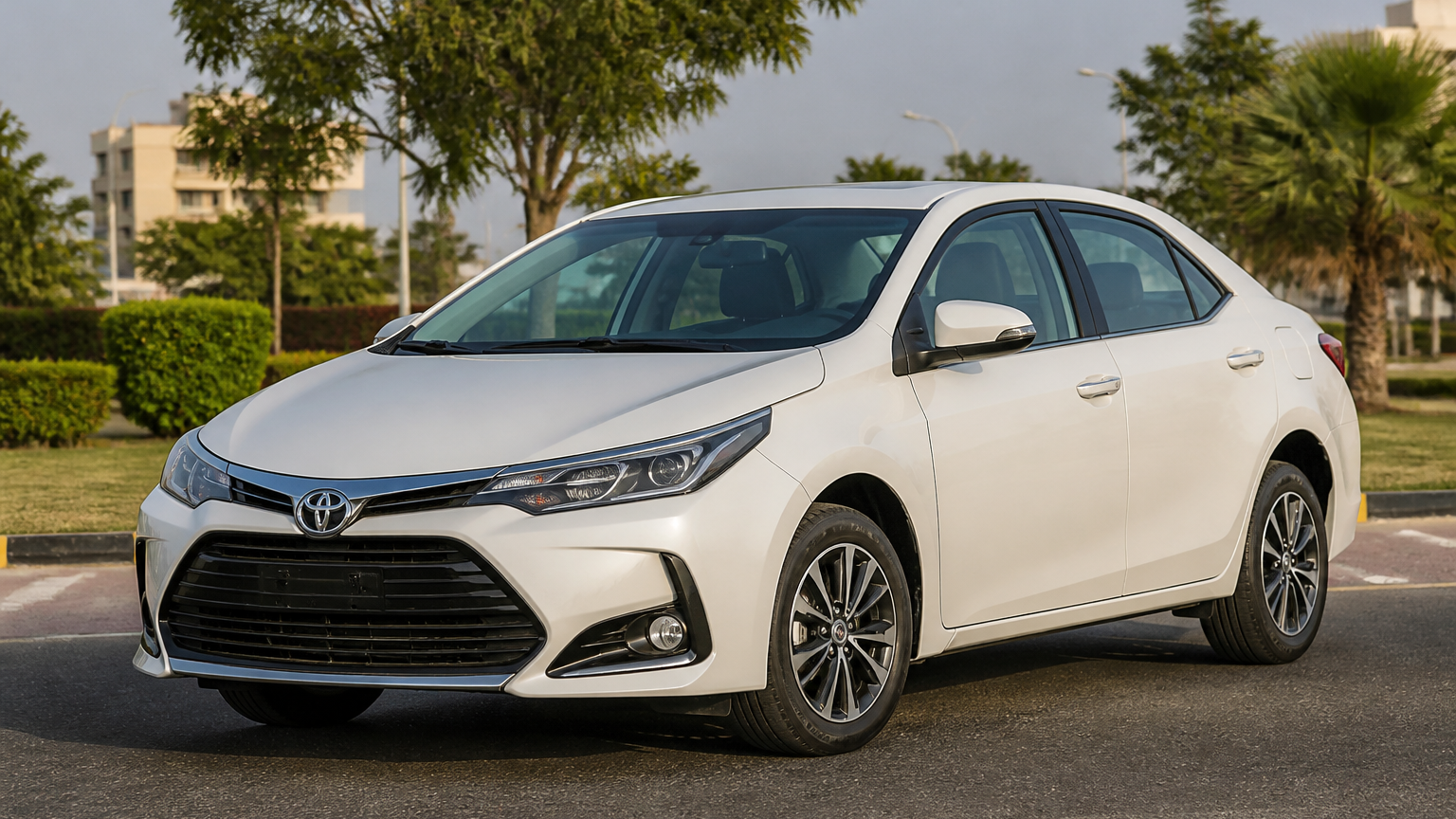
Toyota Corolla Discontinued Before Pakistan Facelift
Pakistan’s pre-facelift Toyota Corolla is reportedly discontinued, hinting at a facelift. Prices, bookings, specs and launch timing remain unconfirmed.
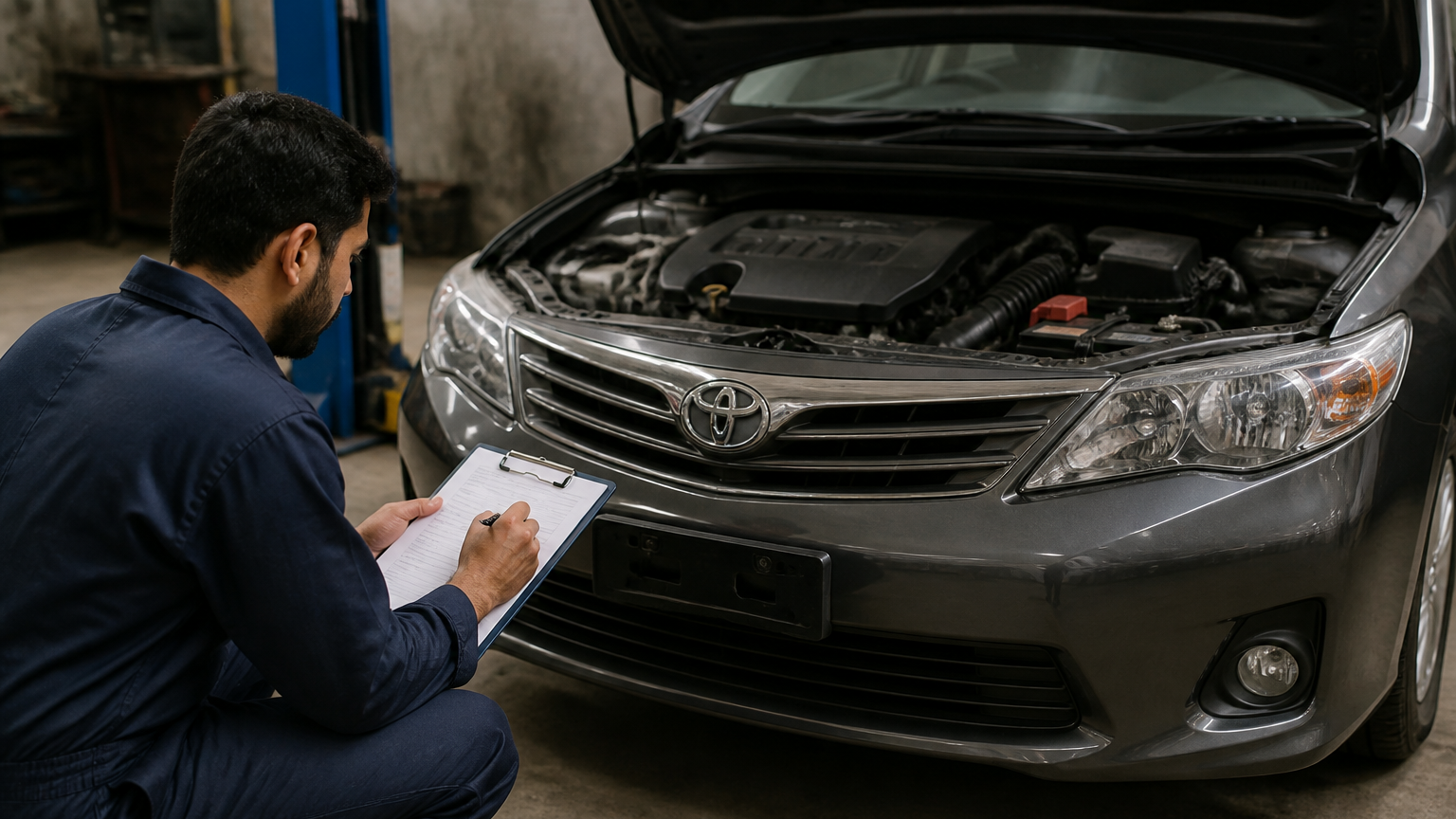
DrivePK Car Inspection Reports: Buy with Confidence
Buying a used car in Pakistan? A pre-purchase inspection can reveal hidden damage, engine issues and red flags before you pay—but it’s not enough alone.
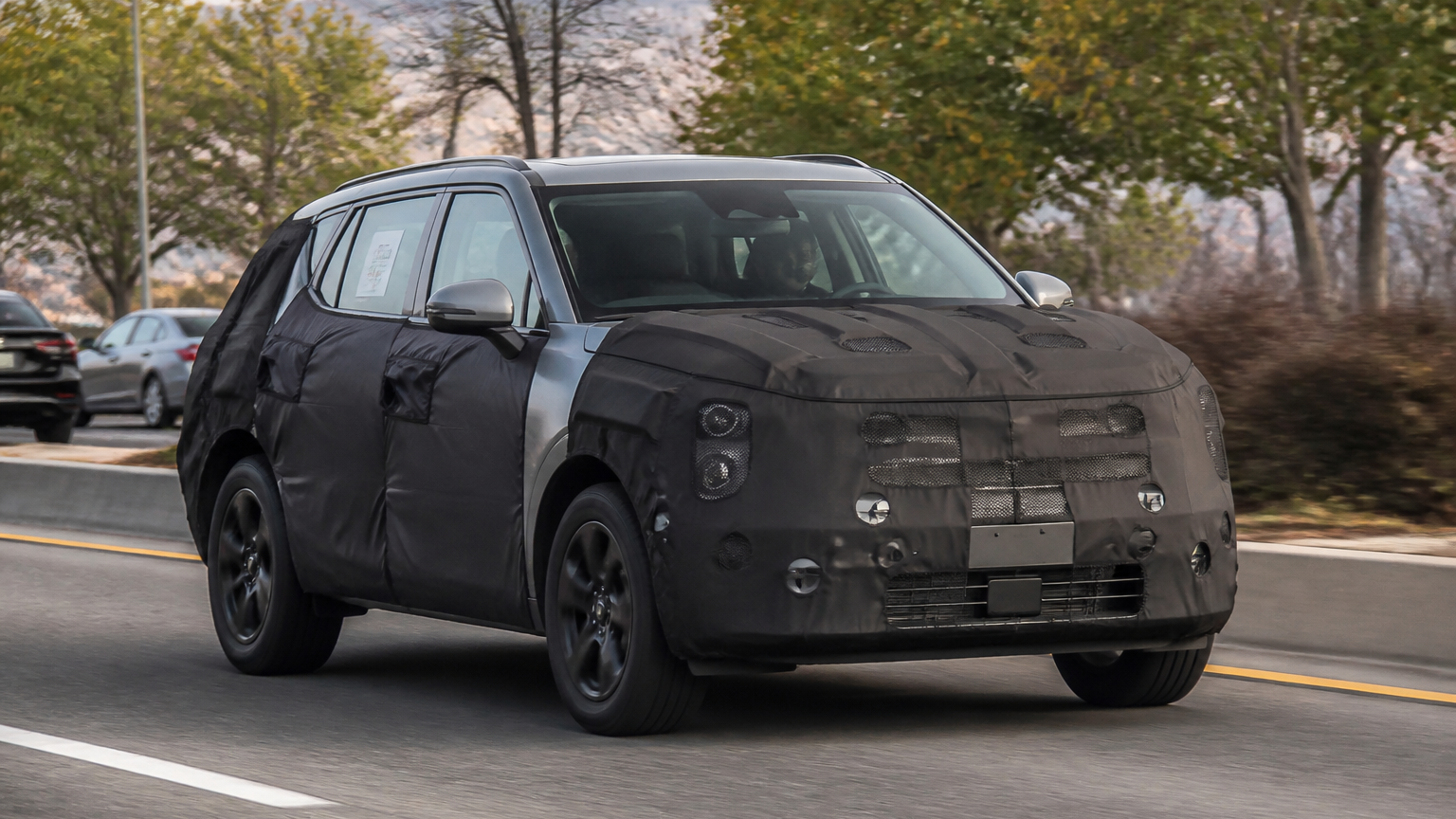
2028 Kia Sportage: Major Design Changes Spotted
Kia’s next Sportage may get a bolder, boxier redesign, with an upright profile, sharper lines, wider grille and split headlights hinted by spy shots.