PPDA Urges Crackdown on Solvent Oil Blending in Pakistan Petrol and Diesel
The Pakistan Petroleum Dealers Association (PPDA) has urged the federal government to act immediately against solvent oil blended into petrol and high-speed diesel. The illegal mix damages vehicle engines, erodes consumer trust, and harms legitimate dealers. In a letter to Petroleum Minister Ali Pervaiz Malik, the PPDA called for full investigations, random testing, and strict penalties. A copy went to OGRA.
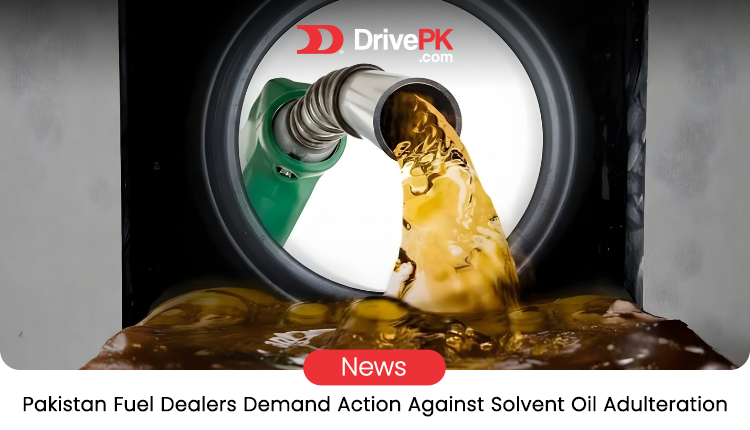
Table of Contents
- What Solvent Oil Blending Actually Looks Like
- How Blended Fuel Damages Engines
- Why Honest Dealers Are Worried
- What the Letter Asks For
- This Problem Has Been Known for Years
- What This Means for Drivers and Families
- What Should Happen Next
The Pakistan Petroleum Dealers Association has spoken up clearly. They want the federal government to move fast and stop the illegal blending of solvent oil into normal petrol and high-speed diesel. This practice hurts car and truck engines. It makes drivers lose faith in fuel stations. And it puts honest retailers in a tough spot.
Reports in The News say the issue came up during a recent petroleum products committee meeting at the Federation of Pakistan Chambers of Commerce and Industry. The PPDA told everyone there that some operators are mixing cheaper solvent oil meant only for factories into fuel meant for vehicles. The goal is simple: higher profits through lower taxes.
Right after the meeting, the association sent a formal letter to Petroleum Minister Ali Pervaiz Malik. They asked for a complete check on how solvent oil is made, brought into the country, and moved around. They also want tighter checks, surprise tests at pumps, and strong punishment for anyone caught. A copy of the letter went to the Oil and Gas Regulatory Authority, so regulators can start work too.
What Solvent Oil Blending Actually Looks Like
Solvent oil is made for industrial machines, not for cars or bikes. It carries much lower taxes, so it costs less. Some people in the supply chain mix it with motor spirit (petrol) or high-speed diesel to increase volume or cut their own costs. The final fuel looks and smells normal at the pump.
But once it goes into an engine, the difference shows. The blend does not burn the same way. It leaves behind residues that proper fuel would not. Drivers have no easy way to spot it when they fill the tank. That is why the PPDA says the practice has gone on long enough.
How Blended Fuel Damages Engines
Engines are built for clean, standard fuel. When solvent oil is added, it changes the mix. Parts inside the engine start to suffer. Filters get blocked. Injectors do not spray properly. Over weeks and months, power drops and fuel use go up.
Many people notice their car feels sluggish or makes unusual sounds. Repair shops see the same complaints again and again. For truck and bus owners, the problem is bigger because their vehicles run long distances every day. A single bad tank can lead to expensive downtime.
The PPDA keeps repeating one point: this is not a small issue. It affects every driver who expects to get what they pay for. When trust slips, people start avoiding certain stations. That hurts the whole market.
Why Honest Dealers Are Worried
Most fuel retailers follow the rules. They buy proper stock, sell at set prices and keep records. But when others sell blended fuel, the playing field tilts. Customers may choose the station that looks cheaper without knowing the fuel inside is weaker.
Sales fall for the honest ones. Some stations struggle to stay open. The PPDA speaks for these dealers. They say the illegal blending is not only unfair but also damages the name of every retailer in the country.
By raising this issue at the FPCCI meeting and in the letter to the minister, the association is trying to protect its members and the public.
What the Letter Asks For
The letter is straightforward. It calls for:
- A full investigation into solvent oil from production to distribution
- Regular and random testing at depots and retail outlets
- Clear, tough penalties that actually stop people from breaking the rules
The copy to OGRA is important. This authority sets fuel standards and can order changes quickly. The PPDA hopes both the ministry and OGRA will treat the matter as urgent.
This Problem Has Been Known for Years
Government officials have admitted before that solvent adulteration is an old challenge in Pakistan’s petroleum sector. Yet it keeps happening. The low tax on solvent oil creates a strong reason for some to take shortcuts.
Checks are not frequent enough. When tests do happen, follow-up action can be slow. That is why the PPDA wants a fresh, stronger approach now. They believe the time for talk is over, and real enforcement must start.
What This Means for Drivers and Families
Most of us fill up every week. We expect the fuel to work properly so we can get to work, school, or family visits without trouble. When the fuel is mixed, small problems build up. Mileage drops. Repair bills rise. Peace of mind disappears.
In cities and on highways, the effect spreads. Transport companies face higher costs. Those costs eventually reach customers in the form of higher prices for goods. The PPDA’s call for action is therefore not just about dealers. It touches every person who owns a vehicle or rides in one.
What Should Happen Next
The government can act on the PPDA’s requests without delay. Start the investigation. Track every litre of solvent oil. Set up surprise testing teams with proper equipment. Make sure penalties are large enough to matter.
OGRA can issue fresh guidelines and share test results openly. That kind of transparency would help drivers know which stations are safe. Dealers themselves can report suspicious supply if they see it.
If these steps are taken quickly, the blending can be brought under control. Engines will last longer. Consumers will feel safer. And the fuel business will become fairer for everyone involved.
The PPDA has done its job by sounding the alarm. Now the authorities need to follow through. Drivers across Pakistan are waiting to see real change at the pump. For more updates, visit DrivePK.com
Tags
Share this article
About the Author

Najeeb Khan
Automotive enthusiast and writer
Comments (0)
Login Required
You need to be logged in to comment on this article.
No comments yet. Be the first to share your thoughts!
Related Articles
Toyota Corolla Discontinued Before Pakistan Facelift
Pakistan’s pre-facelift Toyota Corolla is reportedly discontinued, hinting at a facelift. Prices, bookings, specs and launch timing remain unconfirmed.
DrivePK Car Inspection Reports: Buy with Confidence
Buying a used car in Pakistan? A pre-purchase inspection can reveal hidden damage, engine issues and red flags before you pay—but it’s not enough alone.

2028 Kia Sportage: Major Design Changes Spotted
Kia’s next Sportage may get a bolder, boxier redesign, with an upright profile, sharper lines, wider grille and split headlights hinted by spy shots.