Pakistan Railways Suspends 8 Passenger Trains Due to Rising Diesel Prices & Low Ridership 2026
Pakistan Railways has suspended eight passenger services, including Bolan Mail, Khushhal Khan Khattak Express, and Mehran Express, due to rising diesel prices, high operational costs, and poor turnout. The move aims to cut losses, but it leaves many passengers struggling for alternatives.
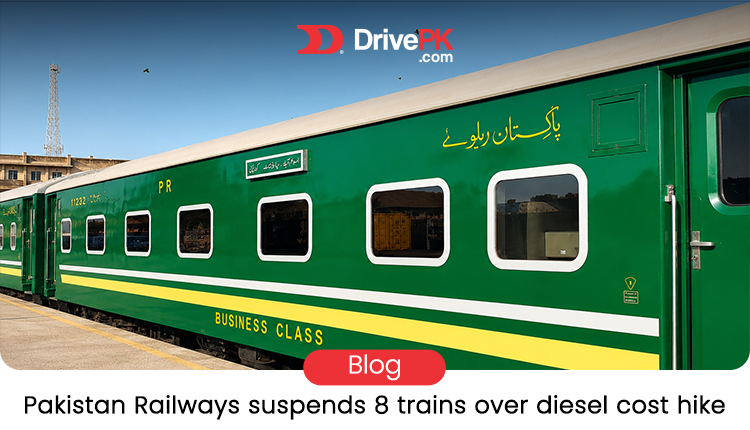
Table of Contents
- Which Trains Have Been Suspended?
- Why Did This Happen?
- The Bigger Picture: Pakistan Railways Under Pressure
- Impact on Passengers and Local Economies
- What Happens Next?
- Challenges Facing Pakistan Railways
- Advice for Travelers
- A Moment for Reflection
Pakistan Railways has taken a tough decision. They have temporarily stopped eight passenger train services. The reason is simple: diesel prices are up, costs are high, and not enough people are riding these trains. Officials say the services may return when things improve financially.
This happened in May 2026. It shows the deep challenges facing the national railway system right now.
Which Trains Have Been Suspended?
Here is the full list of affected services:
- Bolan Mail
- Khushhal Khan Khattak Express
- Mehran Express
- Chaman Passenger
- Marvi Express
- Samn Sarkar Express
- Monjodaro Express
- Ravi Express
These trains connect different parts of the country. Some link major cities, while others serve smaller routes in Sindh, Balochistan, and Khyber Pakhtunkhwa. Many passengers who rely on these for daily or weekly travel now face problems.
Why Did This Happen?
Railway officials point to three main issues.
First, diesel prices have risen sharply. Running trains on diesel costs a lot more than before. Second, operational expenses keep climbing — from staff salaries to track maintenance. Third, passenger numbers on these routes stayed low. Empty seats mean heavy losses on every trip.
Instead of running half-empty trains and losing money daily, the department chose to suspend them for now. They want to improve overall efficiency and reduce the financial burden.
The Bigger Picture: Pakistan Railways Under Pressure
Pakistan Railways has faced financial problems for years. Ageing locomotives, old coaches, and high fuel costs make it hard to stay profitable. Even though some routes see good crowds during Eid or holidays, many regular services struggle.
Recent reports show mixed results. Passenger revenue has grown in some months, but overall losses remain a big issue. The government sometimes steps in with subsidies, yet the pressure continues. Rising global oil prices and local economic conditions make diesel even more expensive.
This is not the first time trains have been suspended. Similar steps happened in the past when losses mounted. The hope is always that better days will allow services to restart.
Impact on Passengers and Local Economies
For regular travelers, this suspension creates real difficulties. Students, workers, and families who use these trains for affordable travel must now look for buses or other options. Buses often cost more and take longer on some routes.
Routes to Quetta, Mirpur Khas, Chaman, and other areas are affected. In regions where roads are not the best, trains used to offer a safer and cheaper choice. Small businesses along these routes may also feel the drop in passenger movement.
People in remote or less-connected areas feel this change the most. They have fewer comfortable travel options now.
What Happens Next?
Railway officials say the suspension is temporary. They will review the situation and restart services when financial conditions get better or when more passengers start using them.
Possible ways forward include:
- Better marketing to increase ridership
- Improving on-time performance
- Modernizing trains to attract more people
- Possible fare adjustments on profitable routes
- Seeking more government support or private partnerships
Some experts suggest focusing resources on high-demand routes first. This could help the department become more stable before expanding again.
Challenges Facing Pakistan Railways
The railway system needs serious attention. Key issues include:
- Old diesel locomotives that consume more fuel
- Poor track conditions on some lines
- Competition from road transport
- Need for better punctuality and cleanliness
- Staff shortages in certain areas
Many people still love traveling by train. It is often seen as more comfortable for long journeys. But when trains get cancelled often, trust goes down.
Electric trains or hybrid options could help reduce diesel dependence in the future. But that needs big investment, which is difficult in the current situation.
Advice for Travelers
If your train is among the suspended ones, check the latest updates on the official Pakistan Railways website or app. Booking offices and helplines can also guide you. Consider alternative transport early, especially for important trips.
For those who can be flexible, some other trains on nearby routes might still run. Always confirm timings and availability.
A Moment for Reflection
This suspension highlights the tough choices Pakistan Railways must make. They need to balance service to the public with financial reality. No one likes cancelled trains, but running them at huge losses is not sustainable either.
The coming months will be important. If the department can control costs, improve service quality, and bring back passengers on key routes, things can improve. For now, many travelers will have to adjust.
Pakistan’s railway has a long and important history. It connects people across provinces. With the right steps and investment, it can regain strength. For the moment, this decision shows the urgent need to fix deep-rooted problems. For more updates, visit DrivePK.com
Tags
Share this article
About the Author

Najeeb Khan
Automotive enthusiast and writer
Comments (0)
Login Required
You need to be logged in to comment on this article.
No comments yet. Be the first to share your thoughts!
Related Articles
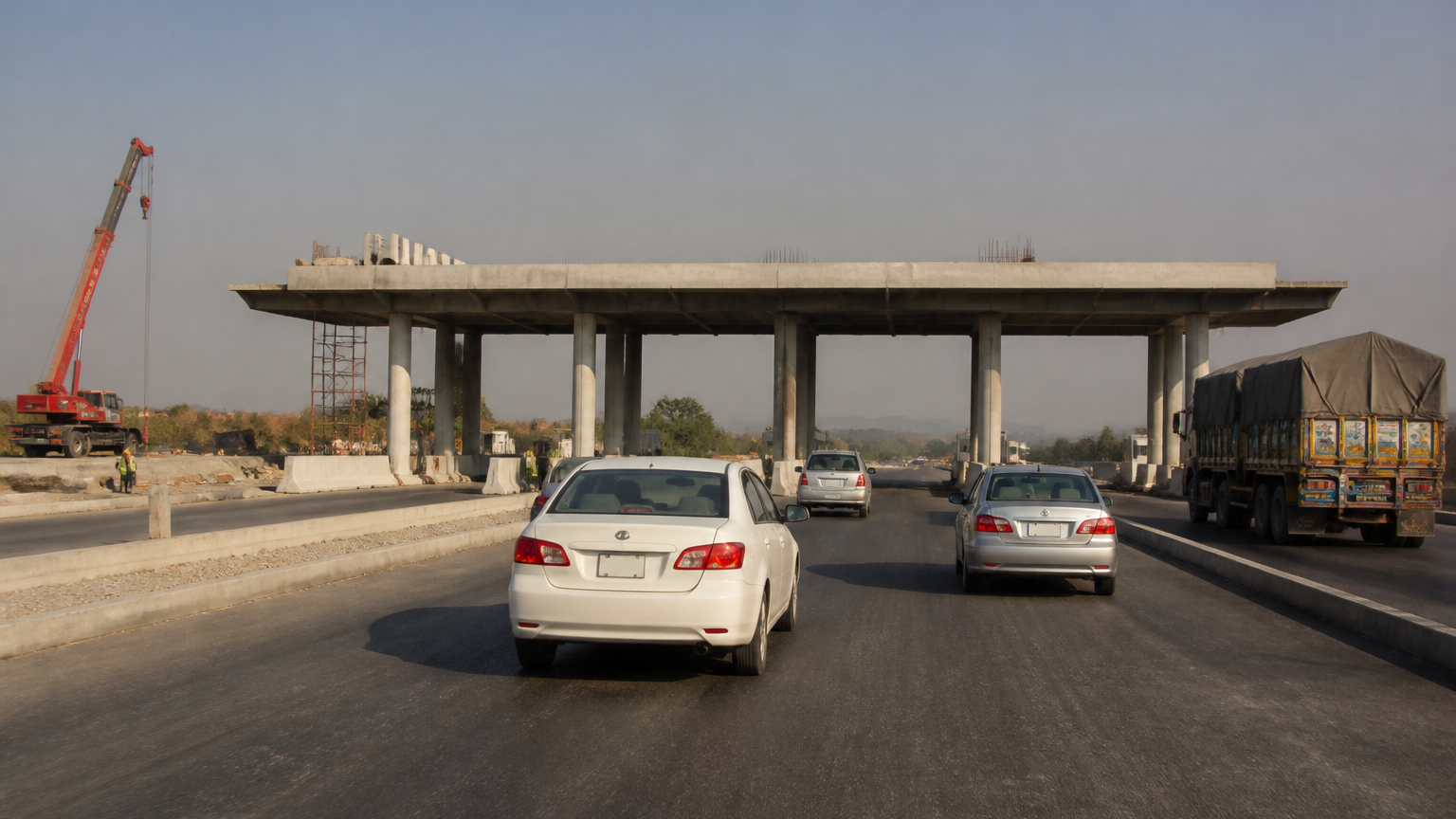
Rawalpindi Ring Road Opening Delayed by Toll Plaza Work
Rawalpindi Ring Road is structurally complete, but toll plazas and e-toll systems remain unfinished—delaying opening, toll rates and traffic relief.
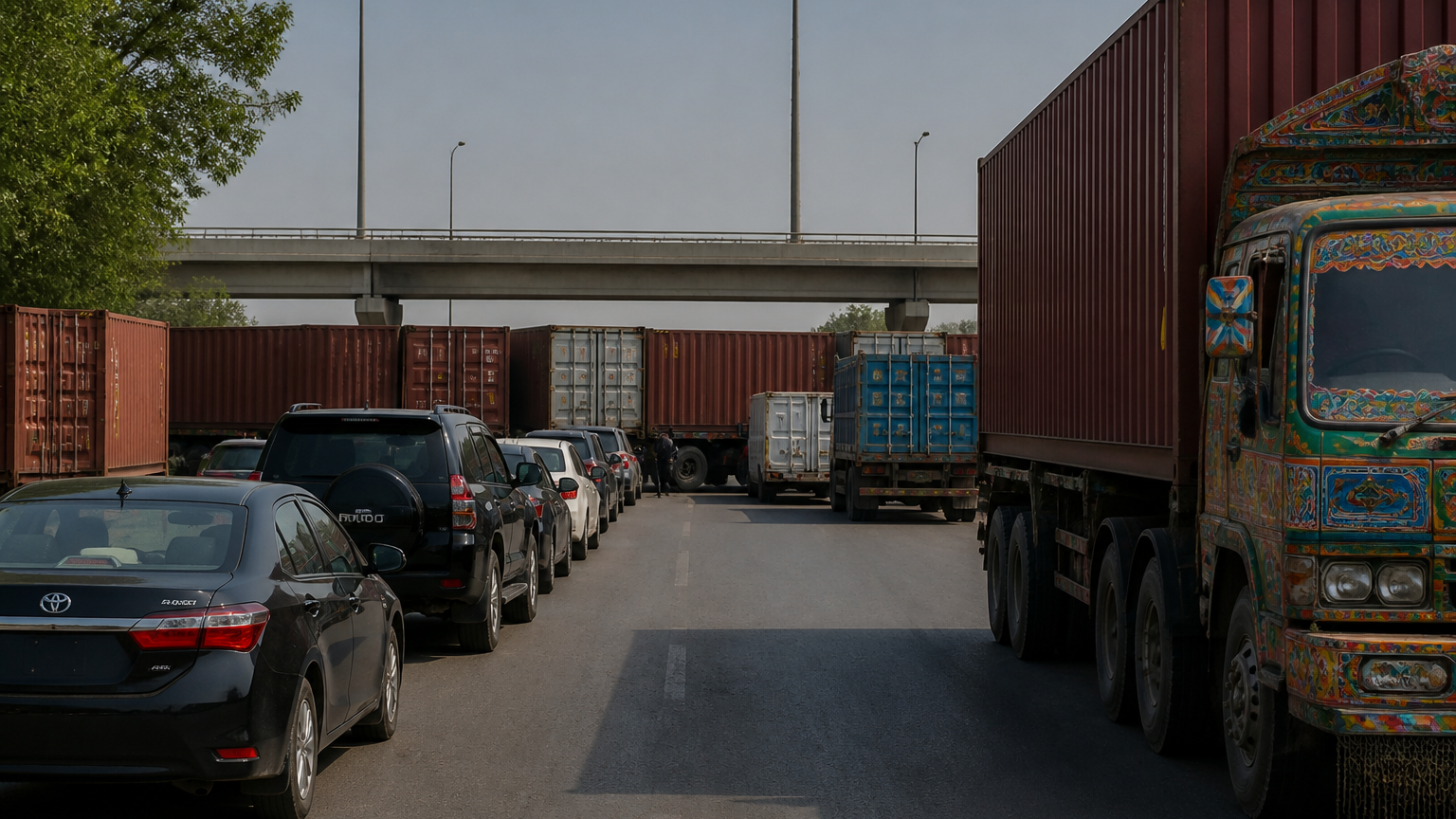
Islamabad Blockades Delay Karachi Freight Before PTI Protest
PTI’s Oct. 4 march may delay northbound freight from Karachi, affecting car parts, tyres and workshop supplies—but the scale remains unclear.
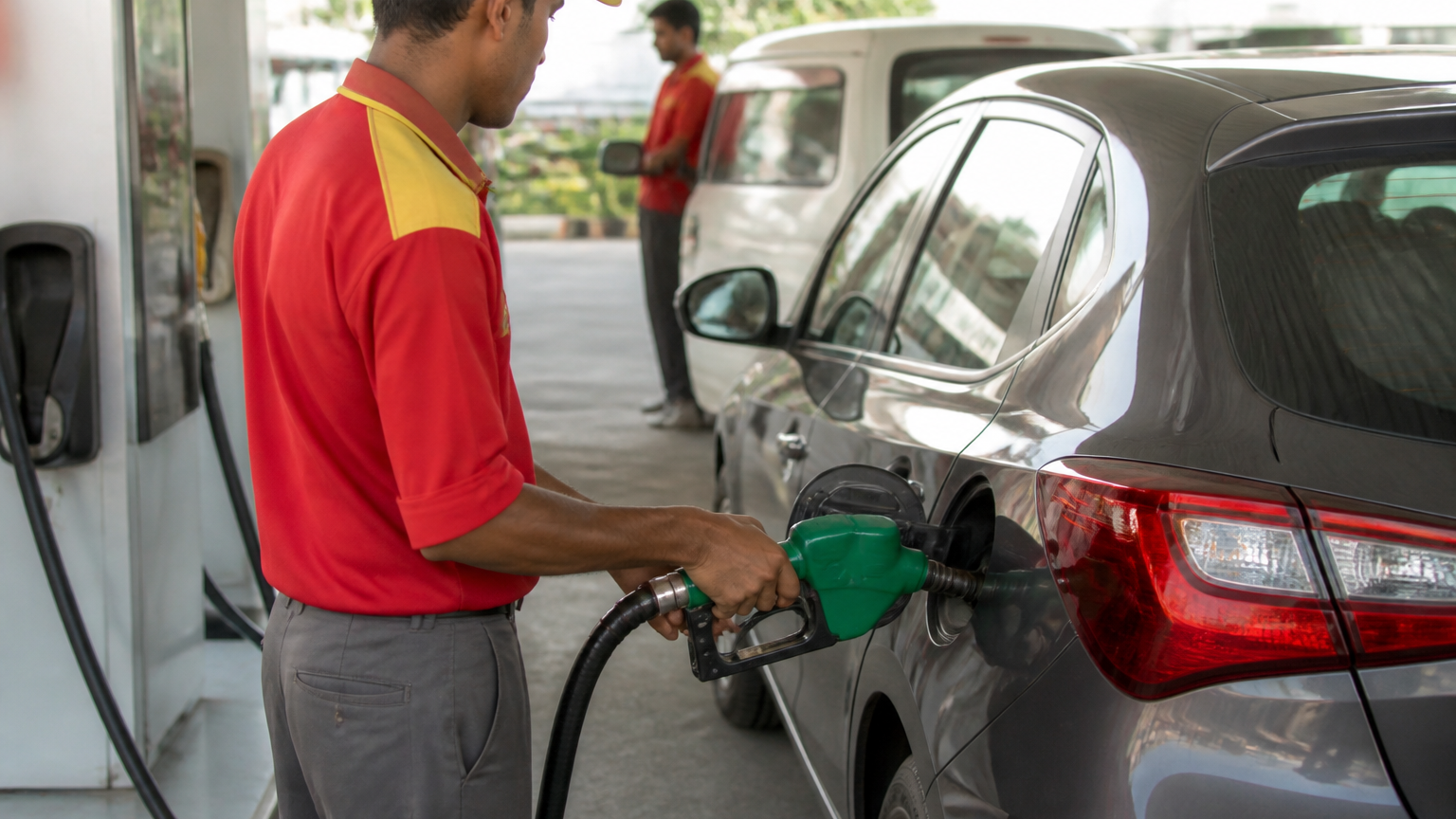
Oil Prices Near $100: Impact on Pakistan
Brent nears $100 after a sharp swing linked to China’s fuel-export curbs—but Pakistan’s petrol and diesel prices remain unchanged for now.