Govt Seeks Ban Exemption for 45 Bulletproof Cars
Pakistan’s vehicle-buying ban faces a Rs9.6bn request for 45 bulletproof sedans ahead of the 2027 SCO summit—still awaiting approval.
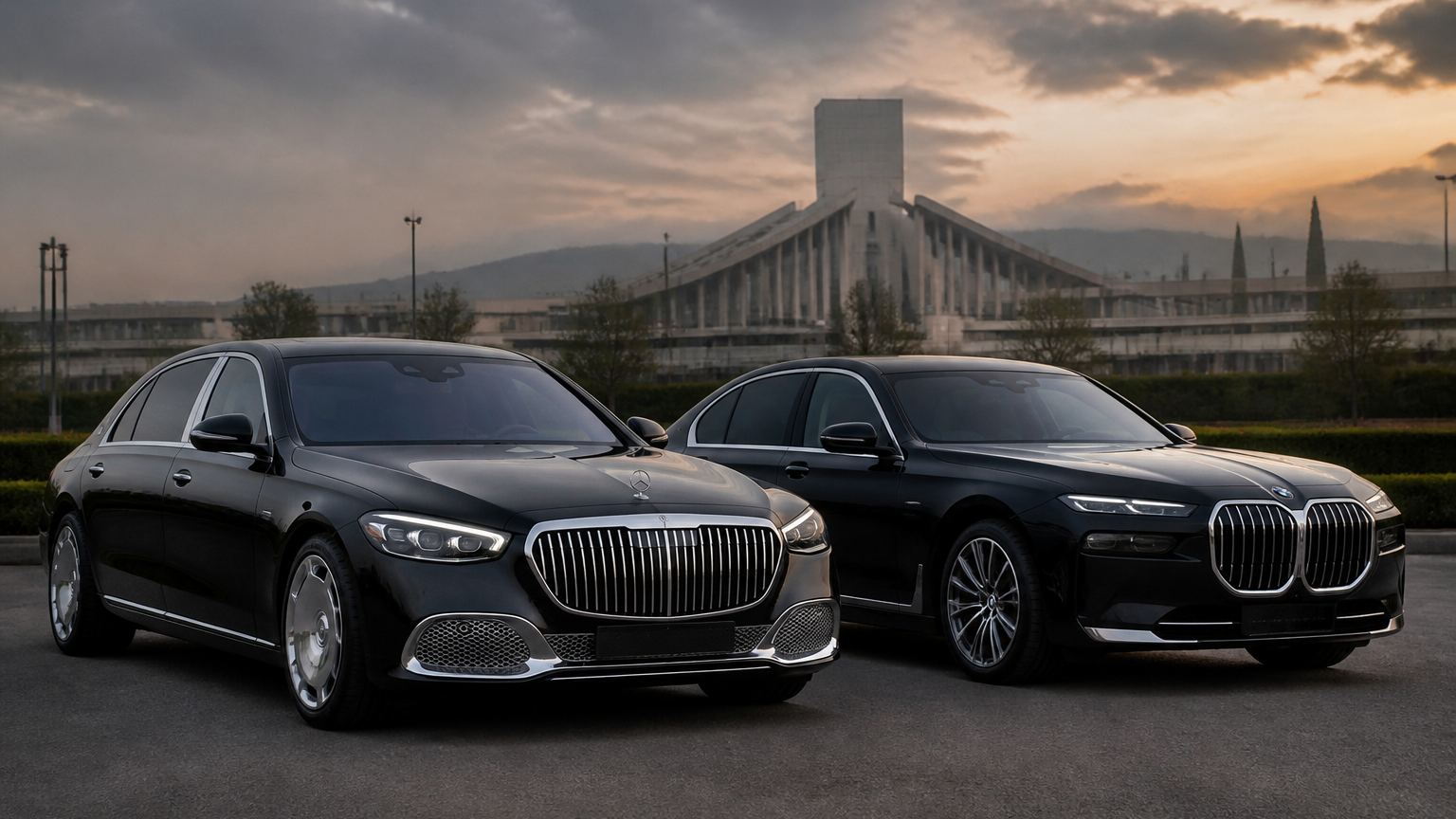
Table of Contents
- What vehicles are in the reported fleet?
- Why does this need Cabinet approval?
- What does this mean for taxpayers?
- What happens next?
- Conclusion
- Explore DrivePK services
Pakistan’s vehicle austerity ban is now rubbing up against a very expensive exception request. A Cabinet Division notification dated 17 September 2026 puts a complete ban on buying vehicles of all types, but a separate report says the government wants permission for 45 bulletproof sedans for the 2027 Shanghai Cooperation Organization summit in Islamabad. The reported allocation is Rs9.6 billion, but the purchase is not approved yet and the final bill can still change.
According to sources, the proposal is tied to security and transport planning for the SCO Council of Heads of State Summit, which the report says is due in September 2027 in Islamabad. That matters because this is not a normal fleet buy. It is a proposed exemption from a fresh spending ban, and that’s where the public money debate starts. For background, read our earlier coverage: Lahore Canal Road Qingqi Rickshaw Ban Explained.
What vehicles are in the reported fleet?
The report linked to this proposal says the fleet would include two types of imported armored sedans. It also describes their protection classes as VR9 and VR10, which are ballistic-protection ratings used for armored vehicles. But those ratings are still part of the report, not confirmed by an official procurement notice.
| Reported vehicle | Quantity | Reported protection level | Reported allocation |
|---|---|---|---|
| --- | ---: | --- | ---: |
| Mercedes-Maybach S680 Guard | 30 | VR10 | Rs6.6 billion |
| BMW 760i xDrive | 15 | VR9 | Rs3.0 billion |
| Total | 45 | — | Rs9.6 billion |
A second report says the request was earlier for 65 vehicles, with a reported cost of about Rs12.61 billion, but Prime Minister Shehbaz Sharif later directed officials to cut it down to 45. That would mean 20 fewer vehicles and about Rs3.01 billion less than the earlier figure. Still, both numbers remain reported claims unless the government publishes the file.
Why does this need Cabinet approval?
This is where the process matters. The Cabinet Division’s austerity notification is the hard stop: no vehicle purchases of any kind, except for the limited exception named in the order. So even if officials want the armored fleet for summit security, they still need the Federal Cabinet to relax the ban for this case.
And there’s another layer. The Economic Coordination Committee, or ECC, is usually the body that deals with funding and fiscal approval inside government. But ECC clearance is not the same as a final Cabinet decision. In plain terms, the ECC can back a spending proposal, while the Cabinet must still approve an exemption from the vehicle-buy ban and any tax or duty relief.
According to a source report, the proposal also involves possible exemptions from customs duty, sales tax and federal excise duty. If that happens, the final cost could move again. If it doesn’t, the landed cost could be higher than the reported allocation. Either way, Rs9.6 billion is not a locked price.
What does this mean for taxpayers?
This is the part readers will care about most. At a time when the federal government is asking departments to cut back, a proposed luxury armored fleet will naturally raise eyebrows. The question is not just whether the vehicles are needed for summit security. It is whether the need has been clearly shown, whether the numbers add up, and whether the final approval stays within the reported budget.
The other key point is simple: this story does not mean the cars have been bought. It also does not mean the reported cost is final. It means the government is apparently asking for an exception, and that request still has to clear the approval chain.
What happens next?
The next steps are straightforward:
- The Cabinet Division has to place the exemption case before the Federal Cabinet.
- The Cabinet must decide whether to relax the vehicle-buy ban.
- A separate decision may be needed on customs duty, sales tax and federal excise duty.
- Only after that can procurement details, supplier choice and delivery timing be fixed.
For now, the big watchpoints are the final vehicle count, the tax treatment, and whether the reported Rs9.6 billion stays anywhere near the end price.
For background, read our earlier coverage: IHC Seeks Replies on M-1 Motorway Closure.
Conclusion
Right now, this is a reported exemption request, not a completed purchase. The confirmed fact is the Cabinet Division’s ban on buying vehicles of all types under its 17 September 2026 austerity notification. The unconfirmed part is the 45-car armored fleet, its reported Rs9.6 billion allocation, and any tax waiver that may or may not be approved for the SCO summit plan in Islamabad.
Explore DrivePK services
Buying or selling a vehicle? Explore DrivePK services, including car inspection, Sell It For Me and Featured Listings, and choose the option that fits your needs.
For more updates, visit DrivePK.com
Tags
Share this article
About the Author
Dr Khan
Automotive Expert & Content Strategist
Comments (0)
Login Required
You need to be logged in to comment on this article.
No comments yet. Be the first to share your thoughts!
Related Articles
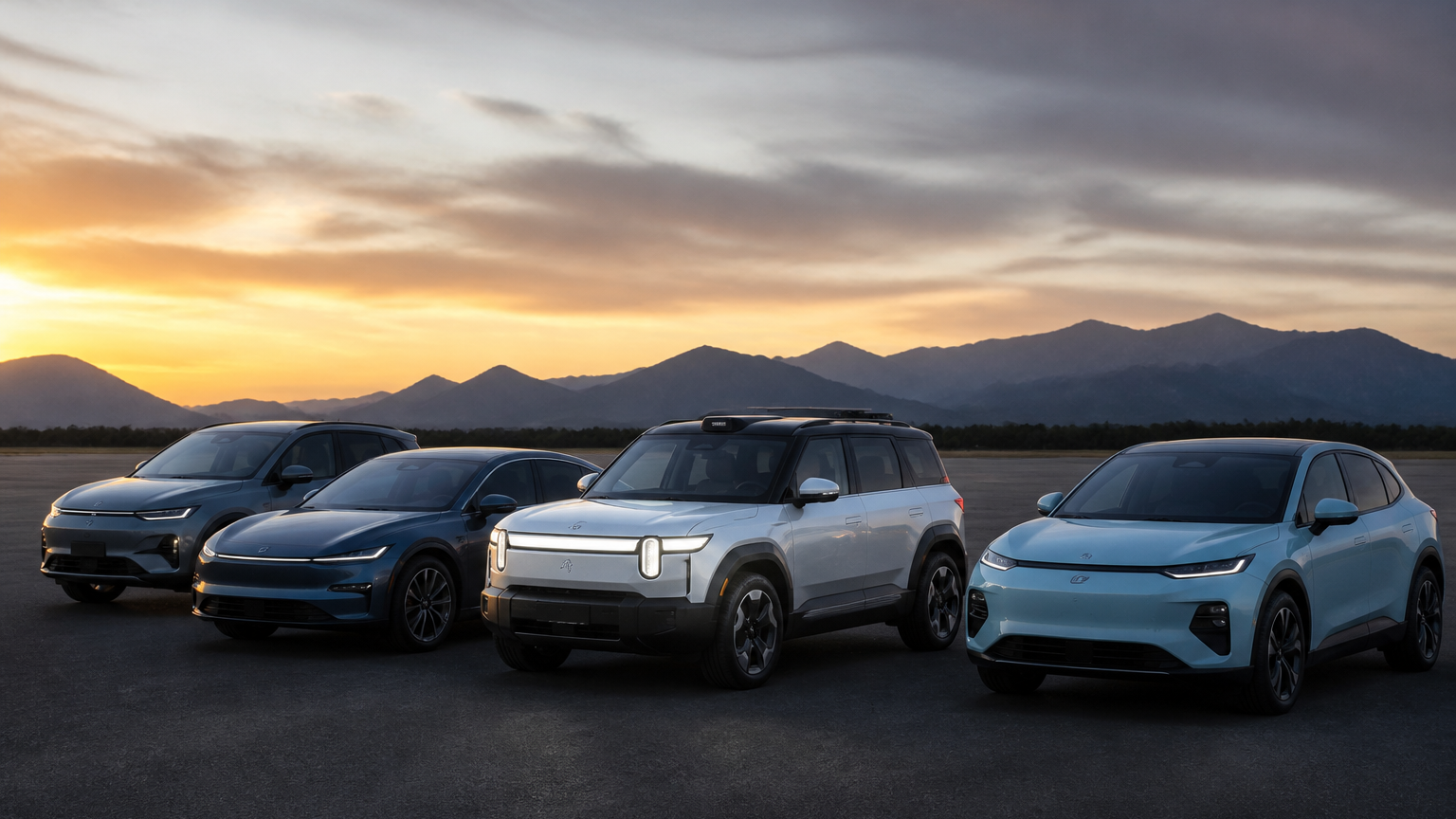
Chinese Cars Fill 27 Spots on 2027 World Car List
Chinese brands make up 27 of 56 contenders for 2027 World Car of the Year—proof of their rapid global rise, with implications for Pakistan.
PAMA Elects Leadership Team for 2026-2028
PAMA has elected new leaders for 2026–2028, but Pakistani car buyers shouldn’t expect immediate changes to prices, bookings, or delivery times.