Bahawalpur Launch Under Maryam Nawaz's Transport Vision 2030
Punjab has launched electric buses in Bahawalpur as part of Chief Minister Maryam Nawaz's Transport Vision 2030. The service connects key areas, with free rides for students and seniors. Expansions are underway in cities like Rawalpindi and Jhelum for greener, inclusive commuting.
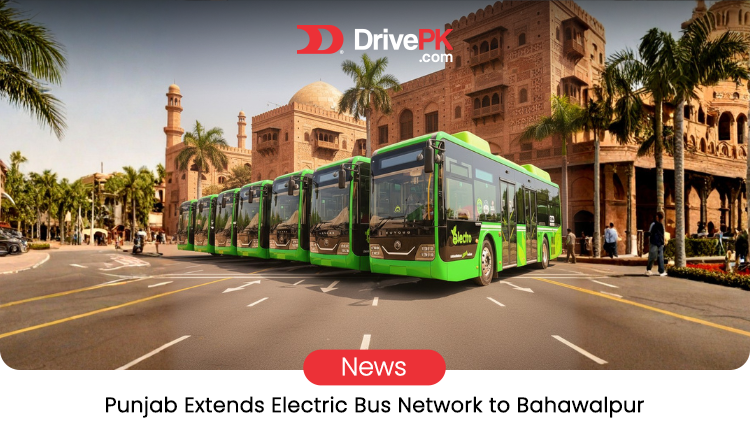
Table of Contents
- What's Behind This Move?
- The Bahawalpur Launch: Routes and Perks
- Why Go Electric? The Real Benefits
- Expanding Across Punjab: What's Next?
- Challenges and How They're Being Met
- Looking Ahead: A Sustainable Future
Imagine stepping onto a quiet bus that glides through the city without the usual rumble and smoke. That's now a reality in Bahawalpur. Punjab just kicked off its electric bus service there, and it's a step toward cleaner air and easier travel for everyone.
What's Behind This Move?
It all ties back to Chief Minister Maryam Nawaz's Transport Vision 2030. This plan aims to update Punjab's public transport system by 2030. The focus is on cutting pollution, speeding up commutes, and making rides affordable. Electric buses fit right in; they run on batteries, so no diesel fumes. And they're part of a bigger effort to build a network that serves daily riders across the province.
The vision isn't just talk. Punjab already has electric buses running in some areas, carrying over 90,000 people each day. These services have shown they can handle the load while keeping things eco-friendly. Now, with Bahawalpur on board, the province is expanding fast.
The Bahawalpur Launch: Routes and Perks
The new service in Bahawalpur started recently, with buses rolling out on several routes. They link up residential neighborhoods with busy commercial spots. Think of it as connecting homes to markets, schools, and offices without the hassle of crowded vans or rickshaws.
One big plus? Students and senior citizens ride for free. This makes a real difference. Kids can get to class without their families worrying about fares. Older folks can visit doctors or shops more easily. It's a simple way to include everyone, especially those who might skip trips because of cost.
The buses themselves are modern. They're quiet, air-conditioned, and built for comfort. No more sweating through traffic in the heat. And since they're electric, they help reduce the city's carbon footprint. Bahawalpur, with its hot climate and growing population, needs this kind of upgrade to keep things moving smoothly.
Why Go Electric? The Real Benefits
Switching to electric buses isn't just about following trends. Punjab faces serious air pollution from vehicles. Diesel buses and trucks add to the smog that chokes cities. Electric ones cut that out entirely. They charge up at stations and run clean, which means better health for residents. Fewer emissions lead to fewer breathing problems and a cooler planet overall.
On the practical side, these buses save money in the long run. Electricity costs less than fuel, and maintenance is simpler without engines that break down often. For riders, that could mean stable fares over time. Plus, the quiet ride reduces noise pollution, something city dwellers will appreciate after a long day.
Socially, it's inclusive. Free rides for students encourage education. Seniors stay connected to their communities. And for working folks, better connectivity means less time stuck in traffic, more time for family or rest. It's about making daily life a bit easier.
But challenges exist. Building charging stations takes investment. Training drivers and mechanics is key. Punjab's government is tackling this head-on, with plans to add more infrastructure as the fleet grows.
Expanding Across Punjab: What's Next?
Bahawalpur isn't the end. The rollout covers more cities. Rawalpindi got Phase 2 with 45 new electric buses late last year. Jhelum launched 15 buses, marking another milestone. Chakwal, Gujar Khan, Toba Tek Singh, Jhang, Bahawalnagar, Rahim Yar Khan, and Rajanpur are all in line for services.
Take Rawalpindi, it's a busy hub near Islamabad. The extra buses there ease congestion on major roads. In Jhelum, the fleet connects rural areas to the city center, helping farmers and workers alike. Bahawalnagar's launch brings clean travel to southern Punjab, where heat and dust make old buses tough to endure.
Each city gets routes tailored to local needs. For example, in Rahim Yar Khan, buses might link up with agricultural zones. The goal is province-wide coverage, so no area gets left behind. By 2030, Transport Vision 2030 wants a full network that integrates buses with other transport, like trains or metros.
This expansion builds on early successes. In places where buses already run, ridership is high. People like the reliability, no breakdowns from fuel issues. And the environmental wins are clear: less oil dependence, which is good for Pakistan's economy too.
Challenges and How They're Being Met
No big change is smooth. Electric buses need reliable power, and Punjab's grid can be spotty. The government is adding solar-powered charging spots to keep things running even during outages. Battery life is another factor; these buses can go far on a charge, but routes are planned around that.
Public buy-in matters. Some folks might stick to old habits. Awareness campaigns highlight the perks: cleaner air, free rides for certain groups, and modern comfort. Feedback from early users in Bahawalpur shows excitement; people say it's like riding in the future.
Funding comes from provincial budgets and possibly international aid for green projects. Pakistan's push for sustainability aligns with global goals, like reducing emissions under climate agreements.
Looking Ahead: A Sustainable Future
Punjab's electric bus initiative shows what's possible with focused effort. It's not about flashy promises but real improvements. Cleaner streets, inclusive access, and efficient travel are the core.
As more cities join, the impact grows. Imagine Punjab with less traffic, smog, and more people using public transport. It could inspire other provinces too. For now, Bahawalpur residents are enjoying the change, and others will soon follow.
If you're in Punjab, check out these services. They might just make your commute better. And that's the point: practical steps for everyday life. For more updates, visit DrivePK.com
Tags
Share this article
About the Author

Najeeb Khan
Automotive enthusiast and writer
Comments (0)
Login Required
You need to be logged in to comment on this article.
No comments yet. Be the first to share your thoughts!
Related Articles
DrivePK Car Inspection Report: Buy Used Cars Safely
Buying a used car in Pakistan? A DrivePK inspection report reveals hidden faults, supports smarter negotiations, and helps you avoid costly mistakes.
Rawalpindi to Impound Smoke-Emitting Vehicles
Rawalpindi Traffic Police is gearing up for a citywide crackdown on smoke-belching vehicles, with inspections, fines and delays for commuters.
Toyota Corolla Discontinued Before Pakistan Facelift
Pakistan’s pre-facelift Toyota Corolla is reportedly discontinued, hinting at a facelift. Prices, bookings, specs and launch timing remain unconfirmed.