Faisalabad Orange Line Metro and Tram Project Launch After Eid - Details and Updates
Faisalabad's Orange Line Metro and Tram project starts after Eid al-Fitr, led by Punjab CM Maryam Nawaz. The 21.3 km route features 21 stations, 27 buses, and 2 trams. It aims to ease traffic and improve daily commutes in this busy industrial city, with a Rs 80 billion budget.
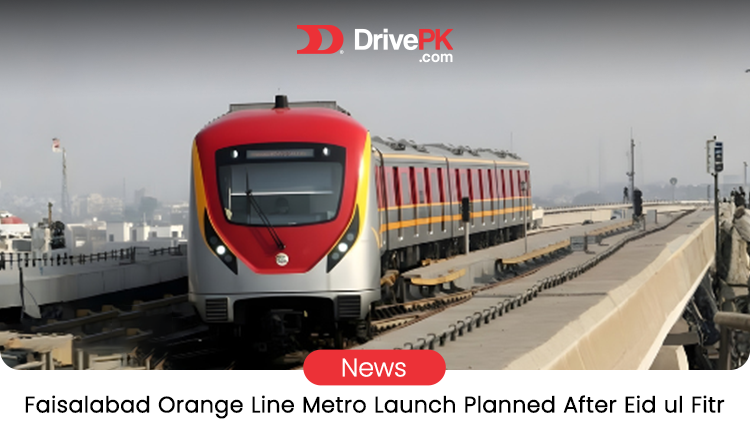
Table of Contents
- What the Project Includes
- Why Faisalabad Needs This
- Timeline and Next Steps
- Broader Impact on Punjab Transport
- Looking Ahead
Faisalabad's Orange Line Metro and Tram Project Takes Off After Eid
Faisalabad is about to get a big boost in how people move around the city. The Orange Line Metro and Tram project is ready to start right after Eid al-Fitr. Punjab Chief Minister Maryam Nawaz Sharif will kick things off. This comes after the project got full planning approval and PC-1 clearance. It's an Rs 80 billion effort that promises better daily commutes for thousands.
The city has long dealt with heavy traffic. As one of Punjab's key industrial spots, Faisalabad sees a lot of workers heading to factories and markets every day. Roads are packed, and travel times stretch out. This new system aims to fix that by offering a reliable way to get from one end of town to the other.
What the Project Includes
The route covers 21.3 kilometers. It starts at Faisal Town on Jaranwala Road and ends at Tahir Pura on Jhang Road. That's a straight shot through busy areas. Along the way, there will be 21 stations. These stops make it easy for riders to hop on and off close to home or work.
Two depots are part of the plan. These spots will handle maintenance and storage for the vehicles. Six U-turns will help with traffic flow around the corridor. The system mixes metro buses and trams. Expect 27 metro buses and two tram services running the line. This setup should handle a high volume of passengers without much wait time.
Authorities have already told utility companies and civic departments to start surveys. They need to relocate things like power lines or water pipes that might get in the way. This prep work is key to keeping the build on track. Traffic plans are in the works, too. Safety comes first, so disruptions during construction should be minimal.
Why Faisalabad Needs This
Think about the daily grind in Faisalabad. The city is a hub for textiles and manufacturing. People come from all over Punjab for jobs here. But getting around means dealing with jammed roads and old buses. The Orange Line could cut travel times in half for many routes. That means less time stuck in traffic and more time for what matters.
It's not just about speed. Better public transport can reduce air pollution. Fewer cars on the road mean cleaner air in a city that's already industrial. And for the economy, this could draw more business. Easier commutes make Faisalabad more appealing for workers and investors. Punjab has seen success with similar projects in Lahore. The Orange Line there changed how people travel, and this could do the same here.
But challenges exist. Construction will bring some headaches. Roads might close temporarily, and dust could be an issue. Officials are working on plans to manage that. They've directed teams to coordinate closely. The goal is smooth execution without too many delays.
Timeline and Next Steps
The launch happens soon after Eid. That's when the foundation stone gets laid. From there, full construction begins. The Punjab Mass Transit Authority oversees it all. They've finalized details like the route and features. With PC-1 approved, funding is set.
Surveys are underway now. Departments like power and water are mapping out what needs to be moved. This ensures the build starts strong. Traffic wardens will help direct flow around work zones. Safety barriers and signs will guide drivers.
Once done, the Orange Line will serve thousands daily. It connects key areas, making commutes predictable. For a city like Faisalabad, this is a step toward modern living. No more endless waits in heat or rain for a ride.
Broader Impact on Punjab Transport
Punjab is pushing for better public systems. Lahore's metro is a model, and now Faisalabad follows. Other cities like Gujranwala have similar plans. This wave of projects shows a focus on urban growth. Mass transit isn't just convenient; it's essential for big cities.
In Faisalabad, the industrial side benefits most. Factories run more smoothly with workers arriving on time. Markets could see more foot traffic. Even tourism might pick up if getting around is easier. The project ties into broader goals, such as reducing congestion across Punjab.
And safety is a big win. Modern buses and trams have better features than old vehicles. Fewer accidents could result from less busy roads.
Looking Ahead
Completion will take time, but the start is exciting. Residents have waited for something like this. It addresses real problems practically. The Rs 80 billion investment shows commitment from the government.
Keep an eye on updates from the Punjab Mass Transit Authority. They'll share progress as work ramps up. For now, the city prepares for change. This could reshape how Faisalabad functions day-to-day.
In the end, better transport means a better quality of life. Shorter trips, less stress, and a cleaner city. That's what the Orange Line promises.For more updates, visit DrivePK.com
Tags
Share this article
About the Author

Najeeb Khan
Automotive enthusiast and writer
Comments (0)
Login Required
You need to be logged in to comment on this article.
No comments yet. Be the first to share your thoughts!
Related Articles
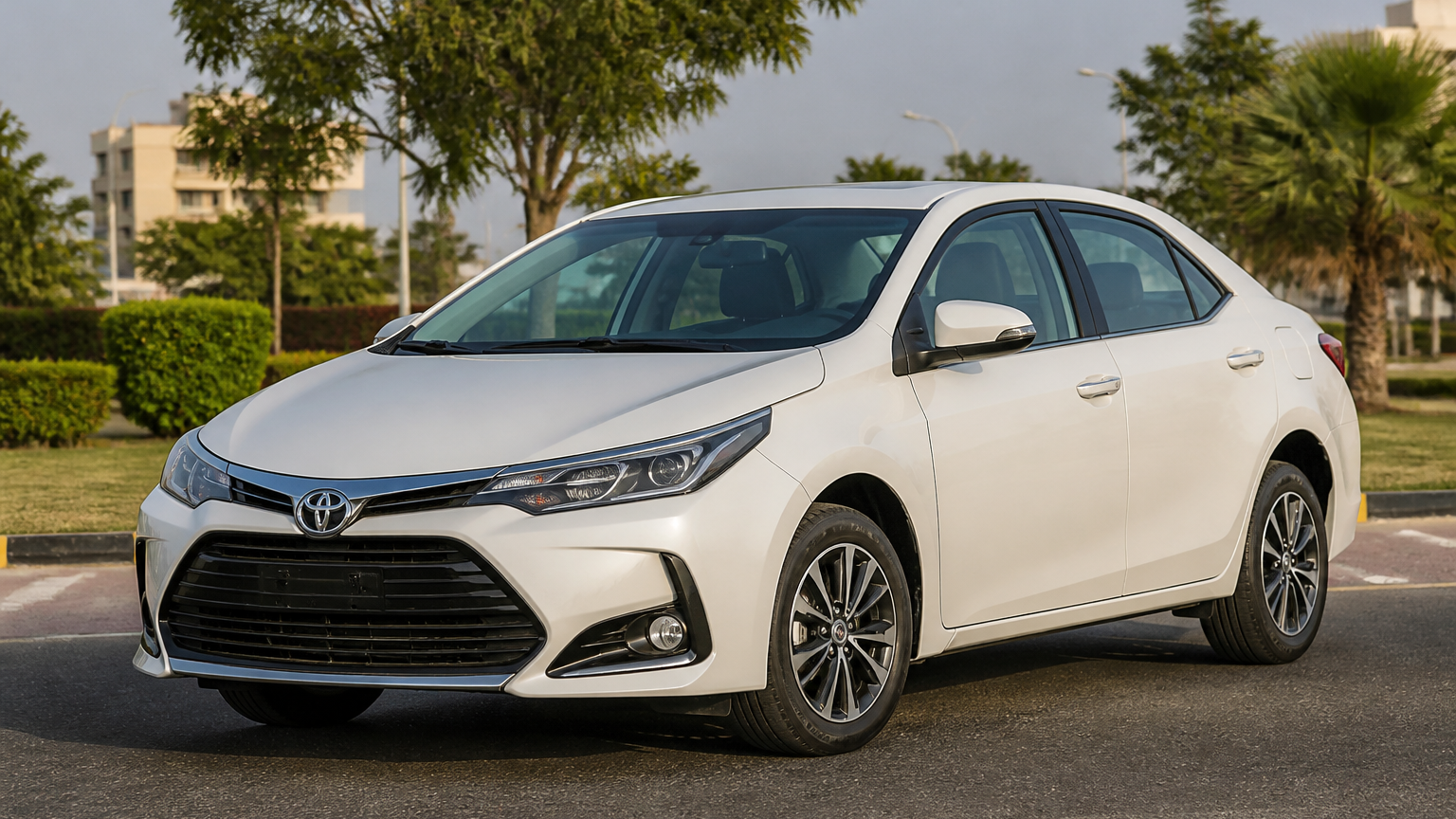
Toyota Corolla Discontinued Before Pakistan Facelift
Pakistan’s pre-facelift Toyota Corolla is reportedly discontinued, hinting at a facelift. Prices, bookings, specs and launch timing remain unconfirmed.
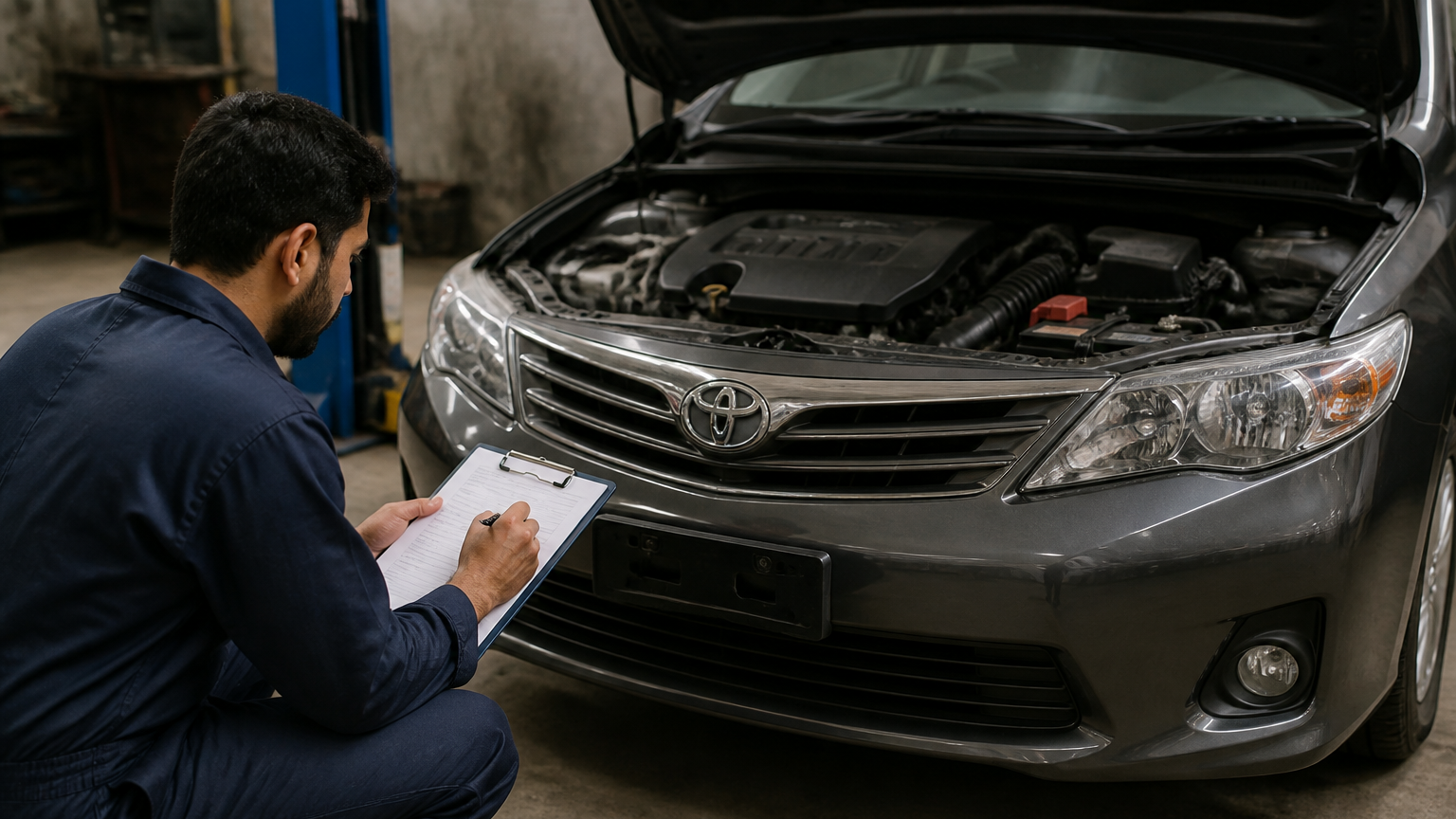
DrivePK Car Inspection Reports: Buy with Confidence
Buying a used car in Pakistan? A pre-purchase inspection can reveal hidden damage, engine issues and red flags before you pay—but it’s not enough alone.
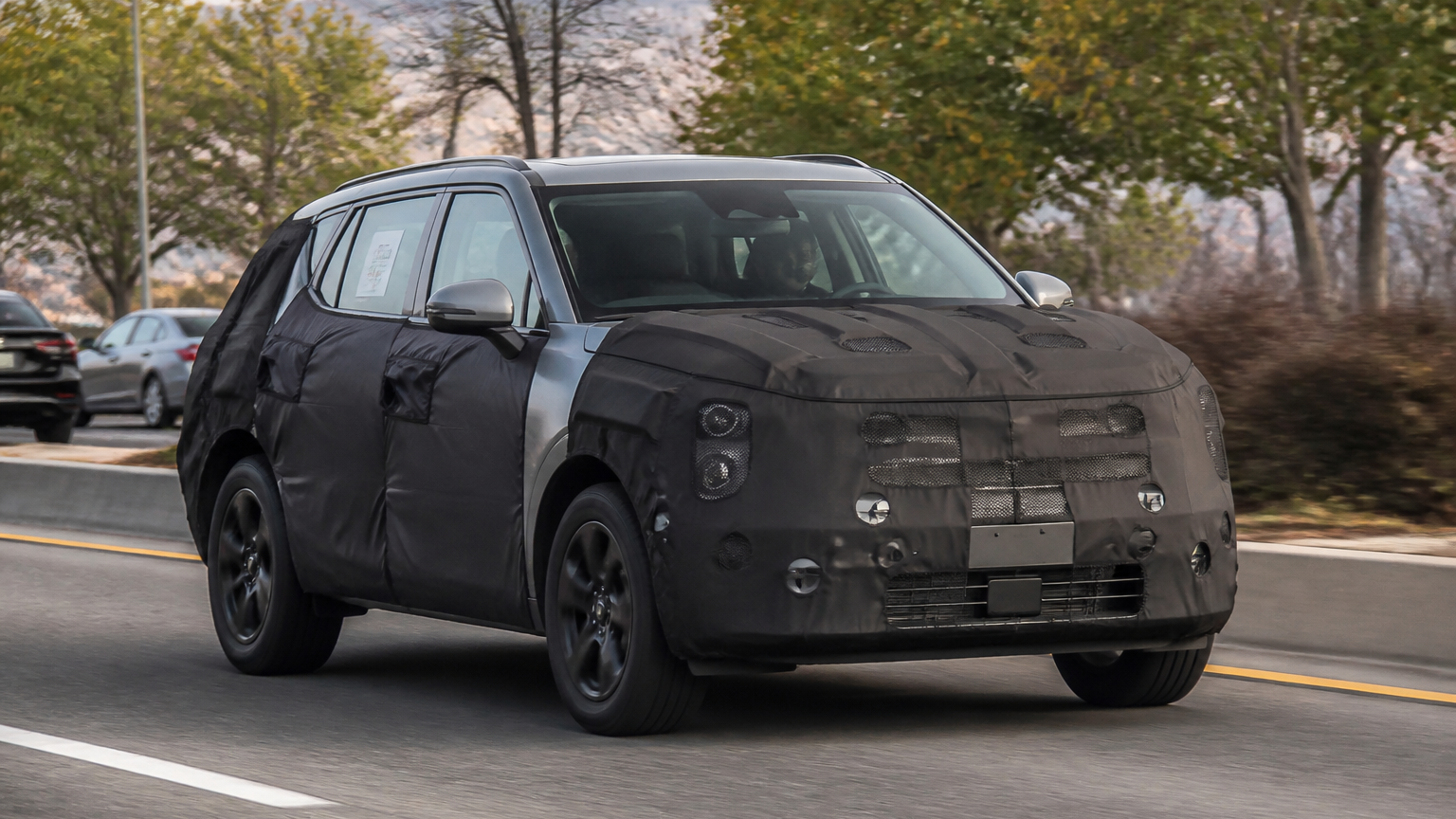
2028 Kia Sportage: Major Design Changes Spotted
Kia’s next Sportage may get a bolder, boxier redesign, with an upright profile, sharper lines, wider grille and split headlights hinted by spy shots.