Pakistan Budget 2026-27: EVs and Hybrids May Get More Expensive What It Means for Buyers
The government is considering higher taxes on electric and hybrid vehicles in the 2026-27 budget. This could push prices up significantly under IMF guidance. Here's what it means for buyers, fuel savings, and Pakistan's shift to cleaner transport.
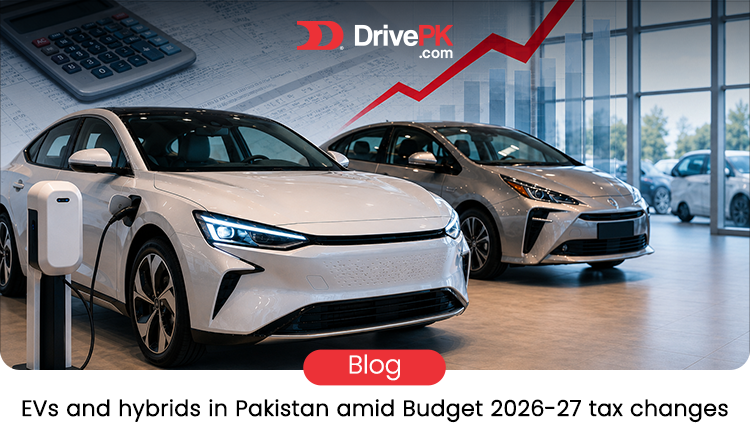
Table of Contents
- Current Tax Benefits for EVs and Hybrids
- What the 2026-27 Budget Might Change
- Why the Government Faces This Choice
- Impact on Buyers and the Market
- The Bigger Picture: Auto Policy 2026-31
- Challenges Unique to Pakistan
- What Consumers Should Do Now
- Possible Outcomes and Government Options
- Final Thoughts
Electric and hybrid vehicles have been gaining ground in Pakistan. People like the lower running costs and smoother drive. But the upcoming federal budget for 2026-27 might change that. Reports suggest the government could reduce or remove current tax breaks. This would make these vehicles more expensive for ordinary buyers.
No final decision has come out yet. The budget usually lands in June, so we still have some time. Still, the signals point to tighter tax policy. Let's break down what's happening and why it matters.
Current Tax Benefits for EVs and Hybrids
Right now, electric vehicles enjoy a very low sales tax of just 1%. Hybrid vehicles sit at around 8%. These rates come from earlier policies meant to encourage cleaner transport and cut down on expensive fuel imports.
Many popular models like the Toyota Corolla Cross Hybrid, Haval H6 HEV, and various electric bikes and cars have benefited from this. Buyers save several hundred thousand rupees compared to full petrol or diesel versions. For a middle-class family, that difference can decide whether they switch or stick with traditional engines.
What the 2026-27 Budget Might Change
Sources close to the Ministry of Industries and Production say the International Monetary Fund has pushed back against keeping these low rates. The IMF wants Pakistan to broaden its tax base and collect more revenue. One proposal under discussion brings both EVs and hybrids under the standard 18% General Sales Tax.
That jump from 1% to 18% for pure EVs and 8% to 18% for hybrids would add a lot to the final price. A car that costs Rs 8 million today could easily go up by Rs 1 million or more after taxes. Even smaller electric motorcycles and rickshaws would feel the pinch.
Some reports also mention solar panels facing a similar jump from 10% to 18%. The pattern is clear: the government needs money and is looking at sectors that got special treatment in recent years.
Why the Government Faces This Choice
Pakistan spends heavily on importing fuel. Every year, billions of dollars go out for oil and related products. Shifting to electric and hybrid vehicles helps reduce that burden and improves air quality in big cities like Lahore, Karachi, and Rawalpindi.
At the same time, the country is under an IMF program. Revenue targets matter a lot. The Federal Board of Revenue has missed some goals recently, so cutting exemptions looks like an easier way to balance the books.
The Ministry of Industries has reportedly opposed a full 18% rate on EVs. They want to keep incentives to support local assembly and long-term goals. But the final call rests with higher authorities, balancing fiscal needs and industrial policy.
Impact on Buyers and the Market
If the tax hike goes through, expect these effects:
- Higher sticker prices: Many buyers who were considering a switch might delay or choose cheaper petrol cars instead.
- Slower adoption: Pakistan's EV market is still young. Higher costs could slow the momentum built over the last few years.
- Local assemblers affected: Companies bringing in or assembling hybrids and EVs might see lower demand. This hits jobs and investment plans.
- Fuel savings still matter: Even with higher upfront cost, running an electric vehicle remains cheaper over time due to electricity versus petrol prices. But not everyone can afford the bigger initial hit.
Popular models like BYD, GAC Aion, and local hybrid offerings could face tougher sales. Electric two-wheelers, which have grown fast because of low prices, might lose some shine too.
The Bigger Picture: Auto Policy 2026-31
This budget discussion happens alongside the new Auto Industry Development and Export Policy for 2026-31. That policy aims for higher local production and 30% new energy vehicles by 2030. It includes targets for more manufacturing and exports.
There's some tension here. One hand wants cleaner transport. The other needs immediate tax revenue. How policymakers balance these will shape the market for years.
Some experts argue for keeping a clear difference in taxes — lowest on pure electric, medium on plug-in hybrids, and higher on regular petrol cars. This would push real change instead of treating everything the same.
Challenges Unique to Pakistan
Power supply remains a real issue. Many areas still face load shedding, which makes pure EVs less practical for some. Hybrids offer a middle ground because they use both electricity and petrol. Raising taxes on both at once might send mixed signals.
Infrastructure is another gap. Charging stations are growing but not everywhere yet. Higher vehicle prices without matching support on charging networks could frustrate buyers.
On the positive side, local companies are investing. Partnerships with Chinese brands for assembly have increased. If incentives stay reasonable, this could create jobs and bring technology transfer.
What Consumers Should Do Now
If you're thinking about buying a hybrid or EV:
- Watch the budget announcement closely in the coming days.
- Compare total cost of ownership not just purchase price. Factor in fuel, maintenance, and resale value.
- Consider current offers before any changes kick in.
- Look at financing options. Some banks offer green vehicle loans with better rates.
Even if taxes rise, these vehicles can still make sense for high-mileage users in cities.
Possible Outcomes and Government Options
The government could go for a middle path. Maybe apply 18% only to certain categories or phase in changes slowly. They might keep lower rates for locally assembled vehicles while taxing imports more. This would support the local industry.
Some voices in the industry suggest tiered incentives based on how "green" the vehicle really is full electrics getting the biggest breaks.
Whatever happens, the direction stays important. Pakistan needs to cut fuel imports and improve air quality. But sudden big tax jumps rarely help long-term goals if they kill demand.
Final Thoughts
The 2026-27 budget puts electric and hybrid vehicles at a crossroads in Pakistan. On one side sits the need for more government revenue. On the other sits the push for cleaner, cheaper-to-run transport.
Buyers hope for a balanced approach that doesn't kill momentum. Automakers want clarity so they can plan investments. And the country as a whole needs a policy that reduces oil dependence without hurting ordinary people's wallets too much.
We will know more once the full budget comes out. Until then, the discussion shows how tricky it is to balance short-term fiscal pressure with long-term environmental and economic needs. One thing is clear: the coming months will be important for anyone interested in greener mobility in Pakistan. For more updates, visit DrivePK.com
Tags
Share this article
About the Author

Najeeb Khan
Automotive enthusiast and writer
Comments (0)
Login Required
You need to be logged in to comment on this article.
No comments yet. Be the first to share your thoughts!
Related Articles
Toyota Corolla Discontinued Before Pakistan Facelift
Pakistan’s pre-facelift Toyota Corolla is reportedly discontinued, hinting at a facelift. Prices, bookings, specs and launch timing remain unconfirmed.
DrivePK Car Inspection Reports: Buy with Confidence
Buying a used car in Pakistan? A pre-purchase inspection can reveal hidden damage, engine issues and red flags before you pay—but it’s not enough alone.
2028 Kia Sportage: Major Design Changes Spotted
Kia’s next Sportage may get a bolder, boxier redesign, with an upright profile, sharper lines, wider grille and split headlights hinted by spy shots.