Toyota's Sato Urges Japan to Team Up Against Chinese EVs
Toyota's Koji Sato warns that without big changes, Japanese carmakers may not survive the rise of Chinese electric vehicles. He proposes a common standard for basic parts to cut costs and speed up innovation. Here's what it means for the industry and buyers.
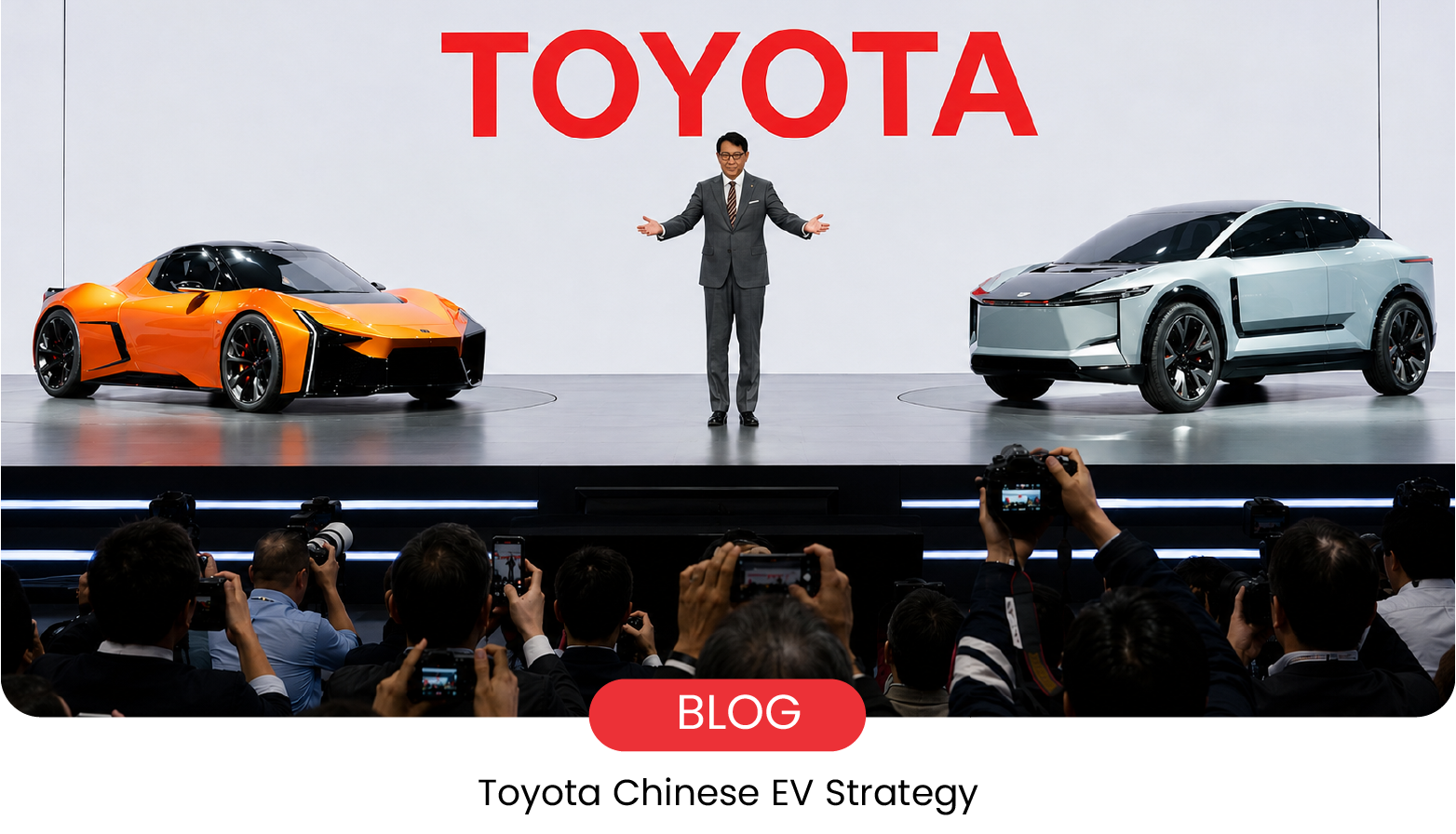
Table of Contents
- Sato's Straight Talk: "Unless Things Change, We Will Not Survive"
- How Chinese EV Makers Gained Ground So Quickly
- What Japanese Carmakers Are Up Against
- Breaking Down the "Japan Standard" Idea
- Potential Wins and Realistic Challenges
- What This Means for Buyers and the Industry
- Looking Ahead: Collaboration as a Strength
Japanese car companies built their reputation on quality and reliability for decades. But things feel different today. Chinese electric vehicle makers are moving fast, grabbing sales in markets Japan once dominated. Toyota Vice Chairman Koji Sato recently spoke plainly about this shift. He said Japanese automakers need to work together more closely or risk falling behind.
I looked into the details. Sato's message isn't just talk. It points to real pressure on an industry that shaped modern Japan. Let's break down what he said, why it matters, and what could come next.
Sato's Straight Talk: "Unless Things Change, We Will Not Survive"
At a supplier meeting earlier this year, Sato didn't sugarcoat it. He told industry leaders that Japanese automakers face a tough battle for survival. His solution? Create a common "Japan standard" for everyday components like wiring harnesses, steel, and plastics.
The idea is simple. Right now, each company designs and buys its own versions of these basic parts. That adds cost and time. Standardizing them could lower expenses across the board. Automakers could then put more energy into software, batteries, and features that actually set their cars apart.
Sato serves as both Toyota's Vice Chairman and chairman of the Japan Automobile Manufacturers Association (JAMA). His role gives weight to this push. He sees standardization as a way to boost productivity maybe even tenfold for things like wiring harnesses.
This isn't about merging companies. It's about cooperating on the basics so they can compete better on the important stuff.
How Chinese EV Makers Gained Ground So Quickly
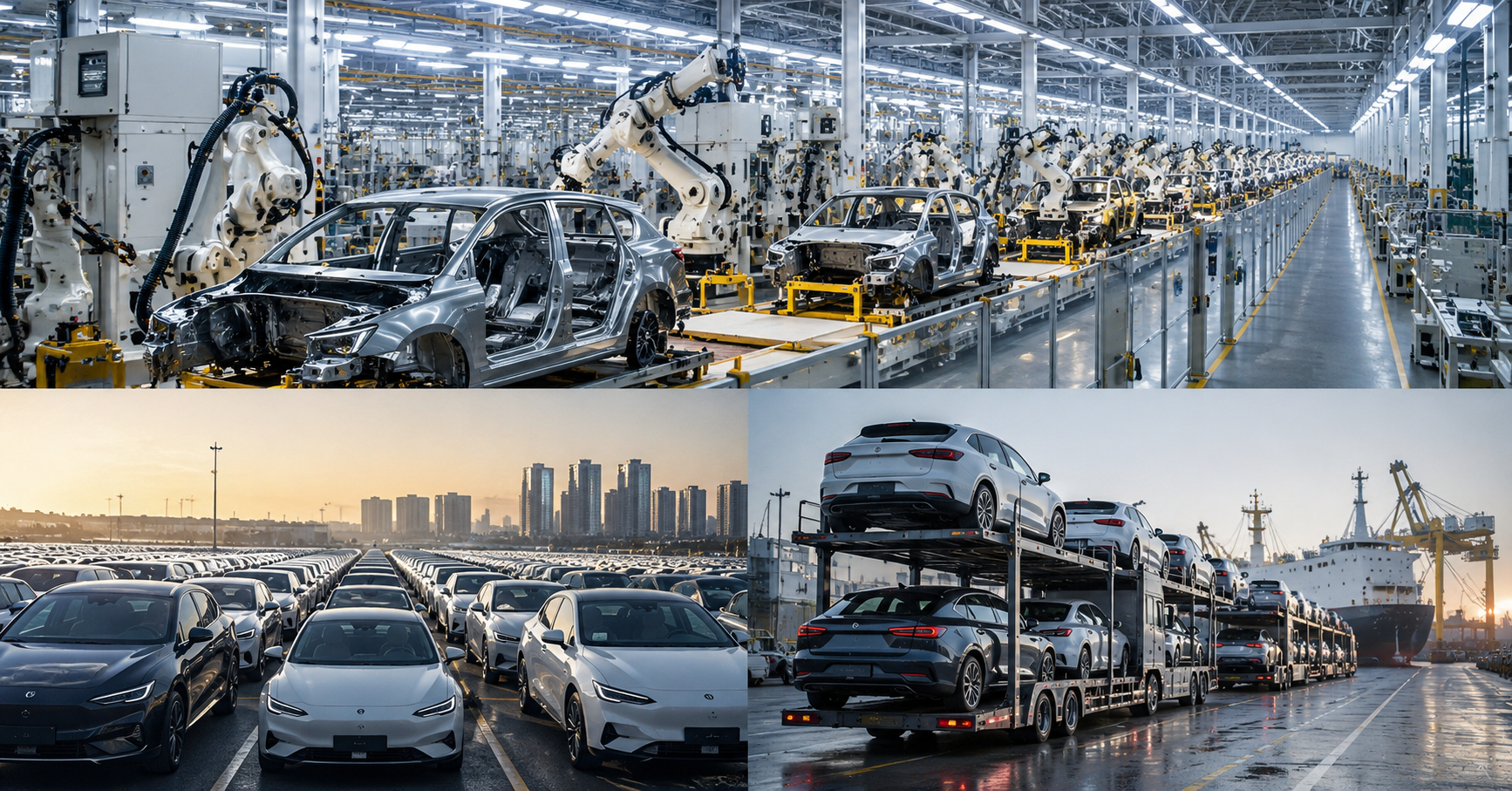
Chinese brands like BYD didn't appear overnight. They scaled up production, cut costs, and focused heavily on EVs. In 2024 and 2025, China led global EV sales by a wide margin. Electric cars made up nearly half of new car sales in China at points, with projections around 60% for 2025.
Exports grew too. Chinese EVs headed to Europe, Southeast Asia, Australia, and beyond. In Southeast Asia, Japanese brands lost significant market share between 2019 and recent years. In Thailand and Singapore, their share dropped sharply as Chinese options took hold.
Buyers like the prices. Chinese models often come cheaper while offering decent range and tech. Some feature fast charging that adds hundreds of kilometers in minutes. Japanese makers stuck longer with hybrids and traditional engines. That left them playing catch-up in pure EVs.
In Europe, Chinese brands gained traction despite tariffs in some places. In Australia, analysts expected Chinese market share to keep climbing. The speed surprised many longtime observers.
What Japanese Carmakers Are Up Against
Japanese companies still lead in areas like build quality and hybrid technology. Toyota sells millions of reliable vehicles worldwide every year. But the EV shift changed the game.
Chinese factories use more automation. They integrate parts in-house to keep costs down. Japanese supply chains involve many specialized suppliers, which brings quality but also higher expenses.
Sales data shows the impact. Japanese automakers saw declines in China and parts of Southeast Asia. Overall, China overtook Japan as the top global vehicle producer in recent years.
Consumers in emerging markets want affordable, modern cars with good tech. Software and connected features matter more than ever. Chinese companies invested early in these areas.
Sato knows this. His warning comes from looking at the numbers and the pace of change. Japanese firms risk losing not just sales but also their edge in global markets they helped build.
Breaking Down the "Japan Standard" Idea
Standardizing components sounds technical, but it affects everyday decisions. Wiring harnesses route electricity throughout a car. Steel and plastics form the structure. Today, slight differences between Toyota, Honda, Nissan, and others mean separate designs and tooling.
A shared standard could simplify this. Suppliers produce larger volumes of fewer variations. Costs drop. Development time shrinks. Companies free up engineers to work on batteries, motors, and digital systems.
Sato pointed to productivity gains. One example: standard harnesses might improve output dramatically. That matters when competing against lower-cost rivals.
Of course, details need work. Companies must agree on specs without losing what makes their vehicles unique. Safety and quality standards stay high; Japan has a strong record there.
This approach isn't entirely new. Industries sometimes share platforms or parts. But doing it at this scale for major Japanese players would be significant.
Potential Wins and Realistic Challenges
If it works, benefits could show up in pricing and innovation. Lower costs might let Japanese brands offer more competitive EV prices. They could invest more in advanced driver assistance, better software updates, and longer-lasting batteries.
Collaboration might speed up development too. Shared basic tech leaves room for friendly competition on final products. Buyers get better choices without anyone cutting corners on reliability.
But challenges exist. Past rivalries between Japanese firms run deep. Agreeing on standards takes time and trust. Intellectual property concerns could arise. Smaller suppliers might need support during the shift.
Global trade adds another layer. Tariffs, regulations, and supply chain issues affect everyone. Battery materials and rare earths remain key concerns for all EV makers.
Still, the alternative of continuing as usual looks riskier based on recent market trends.
What This Means for Buyers and the Industry
For regular car buyers, this push could lead to more affordable Japanese EVs with trusted quality. Many people value longevity and resale value that Japanese brands built over time. If they match Chinese prices more closely while keeping those strengths, it changes decisions in showrooms.
In Southeast Asia and other growing markets, Japanese cars have long been favorites. Regaining ground there matters for jobs and local economies tied to those brands.
Globally, stronger competition benefits everyone. It pushes innovation in batteries, charging, and sustainable manufacturing. The EV transition needs reliable options at different price points.
Japan's auto industry supports millions of jobs directly and indirectly. Keeping it competitive protects communities and maintains technological leadership.
Looking Ahead: Collaboration as a Strength
Sato's message highlights a sense of urgency. The auto world changed fast. Chinese makers showed what scale and focus can achieve. Japanese firms bring decades of engineering know-how and a reputation for durability.
Working together on basics doesn't mean losing identity. It could strengthen the whole sector. Other countries watch how this plays out. Success might inspire similar moves elsewhere.
The coming months will show if suppliers and competitors get on board. Implementation won't happen overnight, but starting the conversation is a step.
Japanese automakers face real pressure. Yet they also have resources and talent to adapt. Standardization is one tool. Continued focus on what customers actually want reliable, efficient, and enjoyable vehicles will decide the long-term outcome.
The industry stands at a crossroads. How players respond could shape car choices for years ahead. For now, Sato's call reminds everyone that standing still isn't an option.For more updates, visit DrivePK.com
Tags
Share this article
About the Author

Najeeb Khan
Automotive enthusiast and writer
Comments (0)
Login Required
You need to be logged in to comment on this article.
No comments yet. Be the first to share your thoughts!
Related Articles
Toyota Corolla Discontinued Before Pakistan Facelift
Pakistan’s pre-facelift Toyota Corolla is reportedly discontinued, hinting at a facelift. Prices, bookings, specs and launch timing remain unconfirmed.
DrivePK Car Inspection Reports: Buy with Confidence
Buying a used car in Pakistan? A pre-purchase inspection can reveal hidden damage, engine issues and red flags before you pay—but it’s not enough alone.
2028 Kia Sportage: Major Design Changes Spotted
Kia’s next Sportage may get a bolder, boxier redesign, with an upright profile, sharper lines, wider grille and split headlights hinted by spy shots.