LHC Lets Punjab Judges Buy Official Cars for Rs 250k-350k
The Lahore High Court has rolled out a plan allowing judges to buy their official cars at steep discounts. Suzuki Alto, Corolla, and City models for the price of a motorcycle. Around 2,000 officers can benefit before the July 22 deadline.
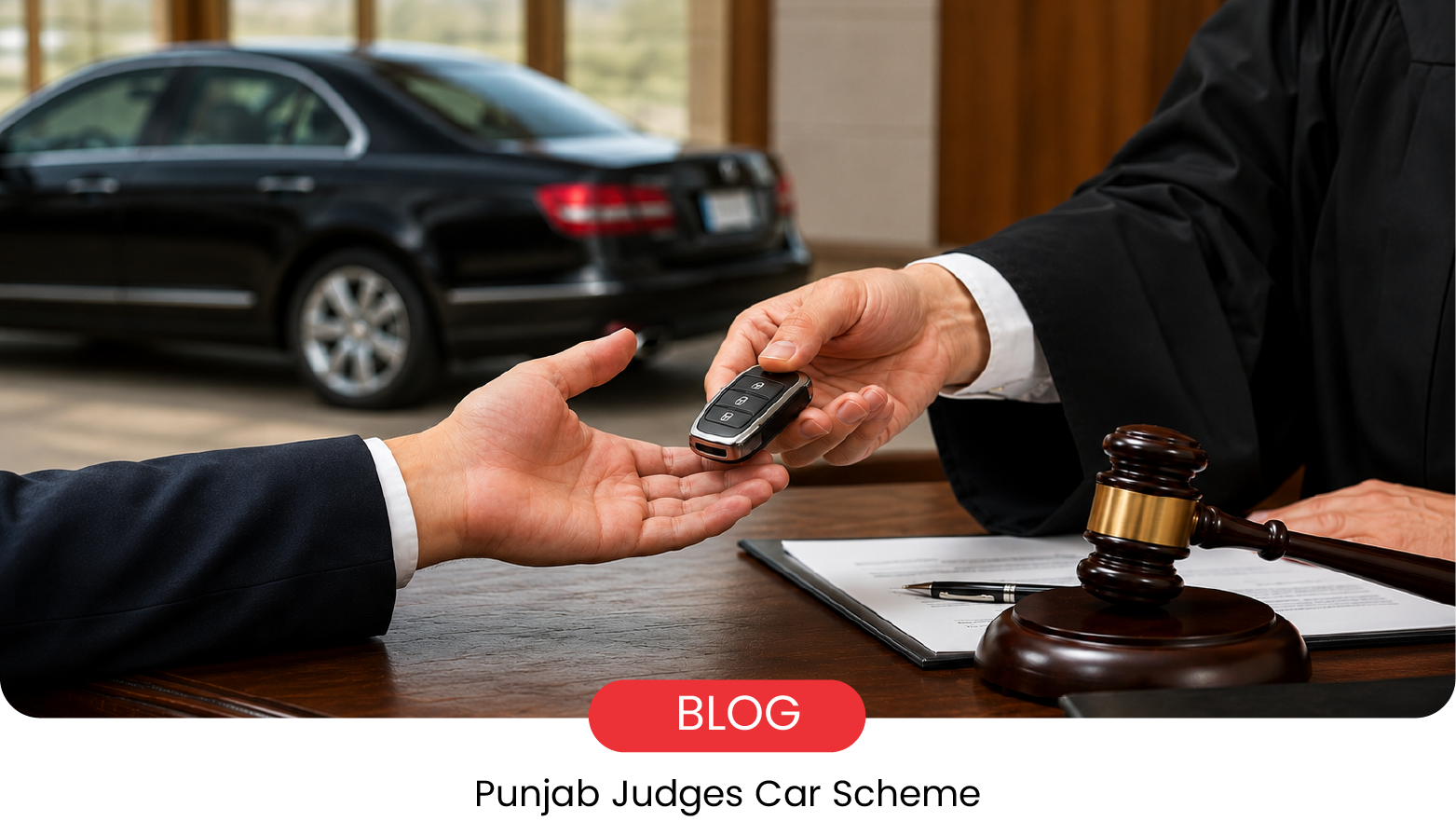
Table of Contents
- Why This Scheme Makes Sense for the Judiciary
- The Broader Context of Government Vehicle Use
- What Officers Gain And What It Means for Daily Work
- Possible Concerns People Might Have
- Impact on the Used Car Market and Government Finances
- How It Fits Punjab's Judiciary Realities
- Looking Ahead: What Comes Next?
The Lahore High Court just made a practical move for judicial officers across Punjab. They can now buy the government vehicles assigned to them at heavily reduced prices. The offer covers popular models like Suzuki Alto, Toyota Corolla, and Honda City. Prices range from Rs250,000 to Rs350,000, cheaper than many new 150cc motorcycles.
This scheme affects nearly 2,000 people. It includes District and Sessions Judges, Additional District and Sessions Judges, Senior Civil Judges, Civil Judges, Family Judges, and those in special courts. Officers on deputation to higher courts or ministries also qualify.
The deadline is tight. Eligible officers need to submit pay orders to the Lahore High Court Registrar by July 22, 2026. After that, ownership transfers to them.
Why This Scheme Makes Sense for the Judiciary
Judicial officers work long hours. They travel between courts, handle sensitive cases, and stay available at odd times. A reliable personal vehicle helps them do the job without depending on pool cars or public transport.
Government cars already sit with these officers. Instead of auctioning them off or letting them depreciate further in official use, this plan lets the people actually using them take ownership at fair rates. It turns an asset into personal motivation while recovering some money for the system.
Think about the numbers. A new Suzuki Alto costs several times more on the road. Same for Corolla or City in decent condition. At Rs250k-350k, these are solid deals for well-maintained cars that officers have been driving.
The Broader Context of Government Vehicle Use
Public sector vehicles often spark debate. People see them as perks that cost taxpayers money in fuel, maintenance, and replacement. When officers retire or move on, cars sometimes sit idle or get reassigned with paperwork delays.
This monetization approach is different. It gives current users a chance to buy while generating funds for the Lahore High Court. Similar ideas have appeared in other departments over time, aiming to reduce the government fleet burden.
Chief Justice Aalia Neelum approved the transport policy behind this. The circular from the Directorate of District Judiciary lays out the details clearly.
What Officers Gain And What It Means for Daily Work
Owning the car brings freedom. No more worrying about official logs, fuel limits, or returning the vehicle. Judges can maintain it as they like and use it for personal needs after court hours.
For many in district courts, this saves time and stress. Rural postings often mean rough roads and long distances. A familiar, dependable car makes a real difference.
It also sets an example of efficiency. Instead of constant new purchases, the system encourages reuse and personal investment.
Possible Concerns People Might Have
Any perk for public officials draws questions. Why such low prices? Is this fair to taxpayers? Could it look like favoritism?
The response lies in the details. These are not brand-new luxury cars. They are used official vehicles already allotted. The discounted price reflects age, usage, and condition. The government gets cash upfront rather than uncertain auction results later.
Transparency helps here. Clear guidelines, fixed deadlines, and pay orders to the Registrar reduce room for misuse. Still, many will watch how the process unfolds and whether future schemes stay balanced.
Comparisons to other public servants matter too. Police, health workers, and teachers face their own challenges. This move for the judiciary highlights mobility needs in justice delivery.
Impact on the Used Car Market and Government Finances
Hundreds or thousands of these cars moving to private ownership could affect local markets. Well-kept Corollas and City models hold value. More supply at entry-level prices might help middle-class buyers.
For the court system, incoming funds can support infrastructure, technology upgrades, or other needs. Reducing the official fleet lowers long-term maintenance and fuel costs.
It aligns with ideas of smart asset management. Governments worldwide experiment with similar ownership transfers to cut bureaucracy.
How It Fits Punjab's Judiciary Realities
Punjab's courts handle massive caseloads. Judges work under pressure to clear backlogs. Anything that eases their routine without compromising integrity deserves consideration.
Reliable transport supports timely justice. Officers reach remote courts easier. They respond faster in urgent matters. Personal ownership might even encourage longer service in challenging postings.
The scheme covers special courts too anti-terrorism, accountability, narcotics. These roles often involve extra risks and travel. Practical support like this matters.
Looking Ahead: What Comes Next?
The July 22 deadline creates urgency. Officers are already arranging pay orders. District sessions judges are coordinating locally.
Success depends on smooth execution. Clear communication, fair valuation per model/condition, and quick transfer processes will build confidence.
Longer term, this could inspire similar efficiency steps in other departments. Careful monitoring ensures it serves public interest alongside officer welfare.
For the people of Punjab, a motivated and equipped judiciary strengthens the rule of law. When judges can focus on cases instead of logistics, everyone benefits.
This initiative feels grounded. It addresses real needs without grand promises. In a province working to improve governance, small practical steps add up. Whether more such schemes follow will show if this becomes a model for smarter public resource use.
The coming weeks will reveal how many officers take the offer and how the transition goes. For now, it gives hardworking judicial staff a tangible reward for service while freeing up government resources.For more updates, visit DrivePK.com
Tags
Share this article
About the Author

Najeeb Khan
Automotive enthusiast and writer
Comments (0)
Login Required
You need to be logged in to comment on this article.
No comments yet. Be the first to share your thoughts!
Related Articles
Toyota Corolla Discontinued Before Pakistan Facelift
Pakistan’s pre-facelift Toyota Corolla is reportedly discontinued, hinting at a facelift. Prices, bookings, specs and launch timing remain unconfirmed.
DrivePK Car Inspection Reports: Buy with Confidence
Buying a used car in Pakistan? A pre-purchase inspection can reveal hidden damage, engine issues and red flags before you pay—but it’s not enough alone.
2028 Kia Sportage: Major Design Changes Spotted
Kia’s next Sportage may get a bolder, boxier redesign, with an upright profile, sharper lines, wider grille and split headlights hinted by spy shots.