Punjab's New Forest Rangers: Equipped Trucks to Fight Timber Mafia
Punjab is stepping up to protect its shrinking forests. The new Forest Rangers force now has tough Isuzu trucks for patrolling remote areas. With powers to arrest and investigate, can they turn the tide against illegal logging?
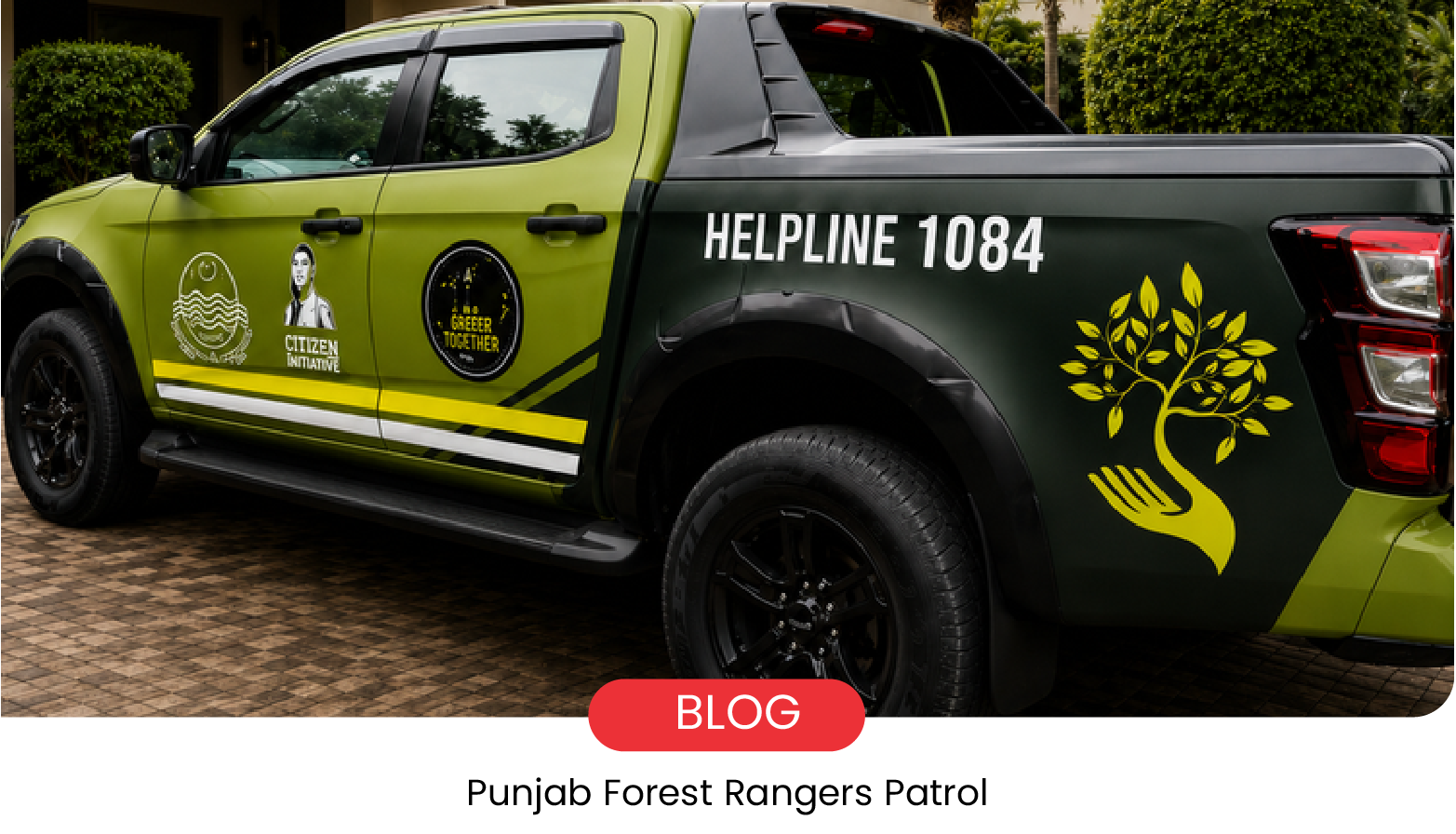
Table of Contents
- The Problem on the Ground: Timber Mafia and Deforestation
- What the New Force Brings to the Table
- Addressing the Critics: New Force or Fix the Old One?
- Real Impact: What Could Change for Local Communities?
- Broader Picture: Pakistan's Forest Challenges
- What Needs to Happen Next for Real Success
- A Step Worth Watching
Pakistan's forests are in trouble. The country has one of the lowest rates of forest cover in Asia, at around 5% or less of its land area. In Punjab, the situation feels even more pressing because of rapid population growth, farming pressure, and urban spread. Trees that once helped control floods, clean air, and support wildlife are disappearing fast.
The Punjab government recently made a bold move. They created a dedicated Forest Rangers force and gave them double-cabin Isuzu pickup trucks. These vehicles are built for tough terrain, which matters when you chase timber smugglers deep into wooded areas.
This isn't just about new uniforms and trucks. The force has real authority. Rangers can investigate cases, register FIRs, make arrests, and quickly respond to public tips through the 1084 helpline. More than 900 Forest Rangers and Inspectors have already received offer letters across 39 divisions.
The Problem on the Ground: Timber Mafia and Deforestation
Illegal logging isn't new. The so-called timber mafia has operated for years, cutting trees for quick profit. In Pakistan, deforestation rates hover between 0.2% to 0.5% annually, though some areas lose trees much faster.
Punjab's forests, though limited, play a big role in the province's environment. They help prevent soil erosion, support biodiversity, and fight the smog that blankets cities every winter. When trees vanish, floods become more destructive, air quality drops, and local communities lose resources like firewood and fodder.
Critics point out that existing forest departments have struggled with limited staff, old equipment, and sometimes weak enforcement. Reports of seized illegal timber in places like Layyah and Attock show the problem is real and ongoing.
What the New Force Brings to the Table
The double-cabin Isuzu trucks stand out. These pickups offer space for teams, equipment, and quick response. Their reliability on rough paths makes them practical for patrolling far-flung forest patches.
Rangers now have mobility that matches the challenge. Instead of waiting for slow bureaucratic processes, they can act on complaints fast. The 1084 helpline gives ordinary people a direct way to report suspicious cutting.
Recruitment of over 900 people across 39 divisions means more eyes on the ground. These aren't just guards. They have powers similar to police in forest matters. This could change how quickly cases move from complaint to action.
The timing feels deliberate. Punjab faces growing pressure from climate change, population demands, and air pollution. Protecting remaining green cover is part of broader environmental goals.
Addressing the Critics: New Force or Fix the Old One?
Some people ask a fair question. Why create a new force instead of strengthening the existing forest department?
It's a valid point. Government resources are limited. Duplication of efforts can waste money. Past experiences in Pakistan show that well-equipped and motivated staff make the biggest difference, regardless of the label.
Supporters argue the specialized unit brings fresh focus. Regular forest staff handle many tasks from planting to administration. Dedicated rangers can concentrate on enforcement against powerful illegal networks.
Success will depend on coordination. If the new rangers work closely with existing teams, share intelligence, and avoid overlap, the combined effort could deliver results. Training, accountability, and community involvement will matter too.
Real Impact: What Could Change for Local Communities?
Forests aren't just government property. Many people living near them depend on them for daily life. Sustainable management protects both trees and livelihoods.
Better patrolling could reduce illegal cutting. That means more stable ecosystems, cleaner water sources, and less risk of landslides or flash floods in vulnerable areas.
For farmers and villagers, healthier forests could mean better crop yields through improved microclimates and pollination. Tourism in greener spots might grow too, bringing income.
On the flip side, strict enforcement needs to be fair. Genuine needs of local communities for fuelwood or small timber should have legal channels. Otherwise, resentment builds and rules get ignored.
Broader Picture: Pakistan's Forest Challenges
Pakistan's overall forest cover remains low. Northern regions like Khyber Pakhtunkhwa and Azad Kashmir hold most of the natural forests, but even there pressure is high. Punjab, being more agricultural and urban, has thinner cover but still important patches.
Global data shows tree cover loss continues in many parts of the country. While plantation drives like the Billion Tree Tsunami get attention, protecting existing forests is equally critical. New plantations take years to mature and provide the same benefits as old-growth stands.
The new Rangers force fits into this bigger picture. Mobility, quick response, and legal powers address key gaps in enforcement.
What Needs to Happen Next for Real Success
Equipment and recruitment are good first steps. But long-term results require more.
Training matters: Rangers need skills in modern patrolling, evidence collection, and dealing with organized crime.
Technology helps: Drones, GPS tracking, and better communication systems could multiply their reach.
Community role: Local people know their areas best. Involving them through awareness programs and incentives for protection builds support.
Transparency and monitoring: Regular public reports on cases handled, trees saved, and challenges faced would build trust.
Coordination across departments: Police, wildlife, and local administration must back the rangers when needed.
Budget continuity is crucial too. Forces lose momentum when funding dries up midway.
A Step Worth Watching
Punjab's move shows recognition that forests need active defense, not just occasional planting campaigns. The Isuzu trucks and empowered rangers signal seriousness about tackling the timber mafia.
Will it work? Early days yet. Success stories from other regions suggest that consistent enforcement combined with community buy-in can slow deforestation.
For now, this initiative gives hope to people tired of seeing trees disappear. If it delivers on patrolling remote areas and responding to complaints, it could mark a real shift.
Ordinary citizens can play a part. Report suspicious activity through 1084. Support local conservation efforts. Plant trees where possible and push for smart urban planning that keeps green spaces.
Forests don't regenerate overnight. But with steady effort, we can protect what remains and rebuild what we've lost. Punjab's new Forest Rangers are one tool in that long fight. Time will tell how sharp that tool proves to be. For more updates, visit DrivePK.com
Tags
Share this article
About the Author

Najeeb Khan
Automotive enthusiast and writer
Comments (0)
Login Required
You need to be logged in to comment on this article.
No comments yet. Be the first to share your thoughts!
Related Articles
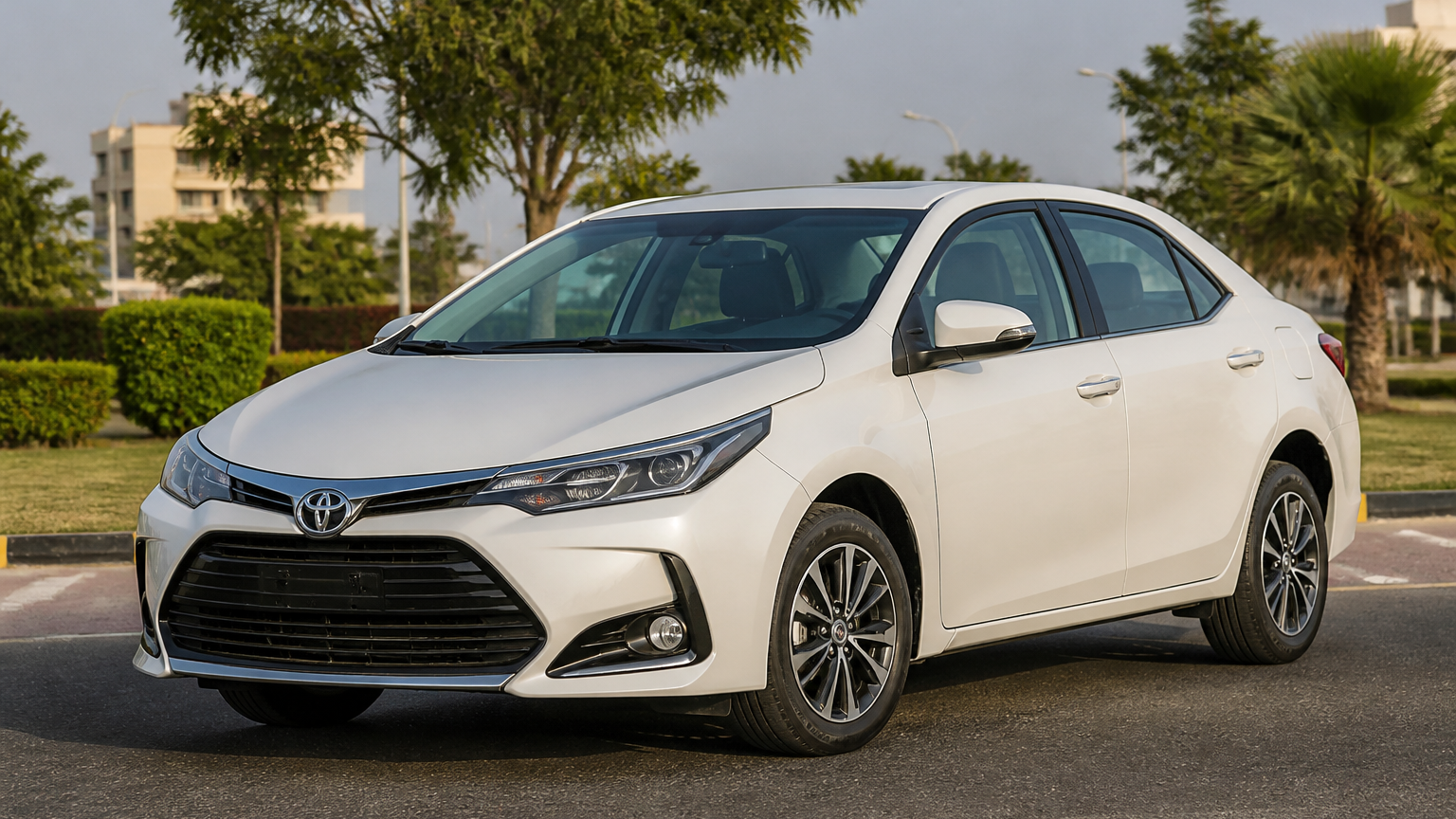
Toyota Corolla Discontinued Before Pakistan Facelift
Pakistan’s pre-facelift Toyota Corolla is reportedly discontinued, hinting at a facelift. Prices, bookings, specs and launch timing remain unconfirmed.
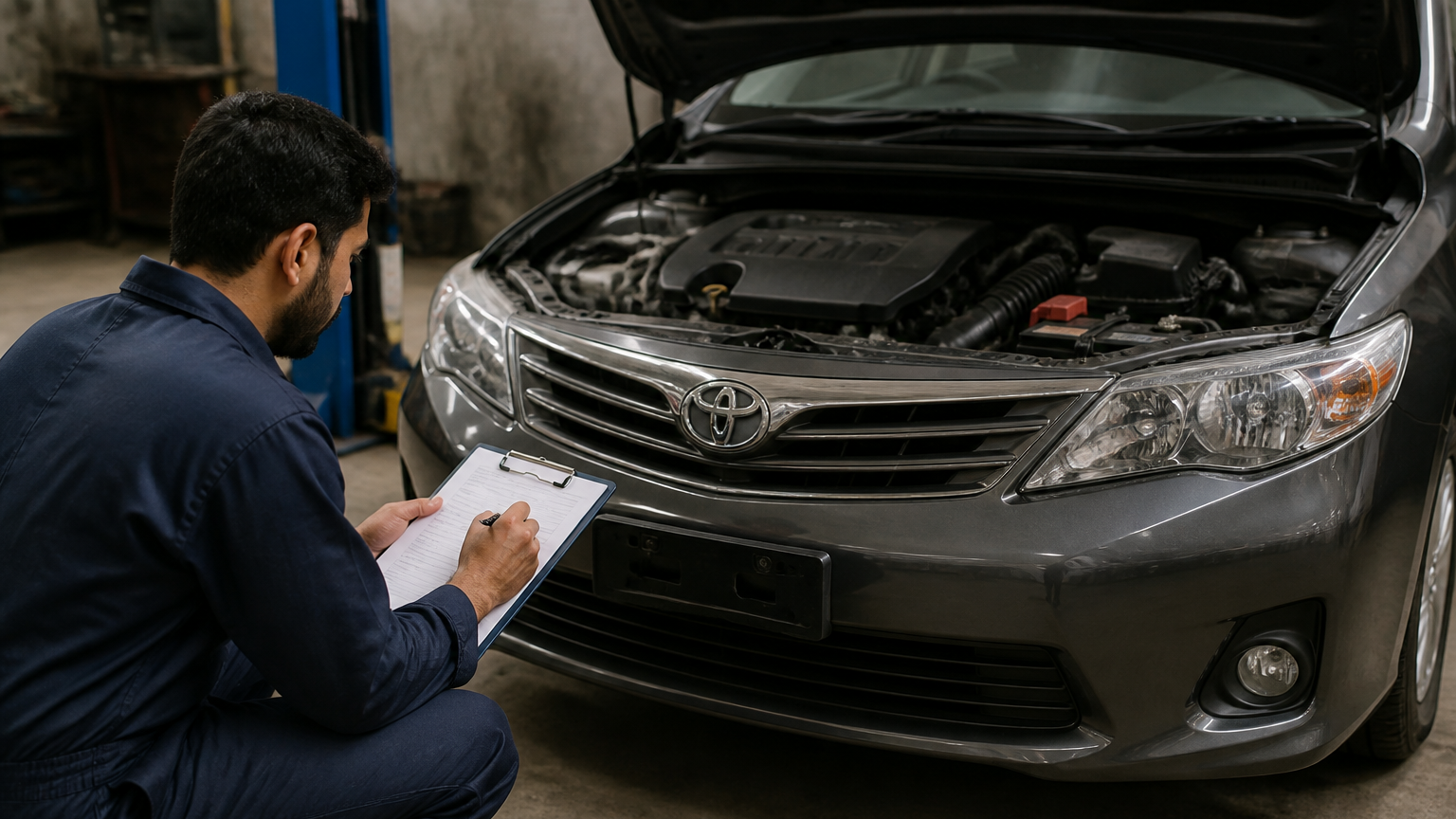
DrivePK Car Inspection Reports: Buy with Confidence
Buying a used car in Pakistan? A pre-purchase inspection can reveal hidden damage, engine issues and red flags before you pay—but it’s not enough alone.
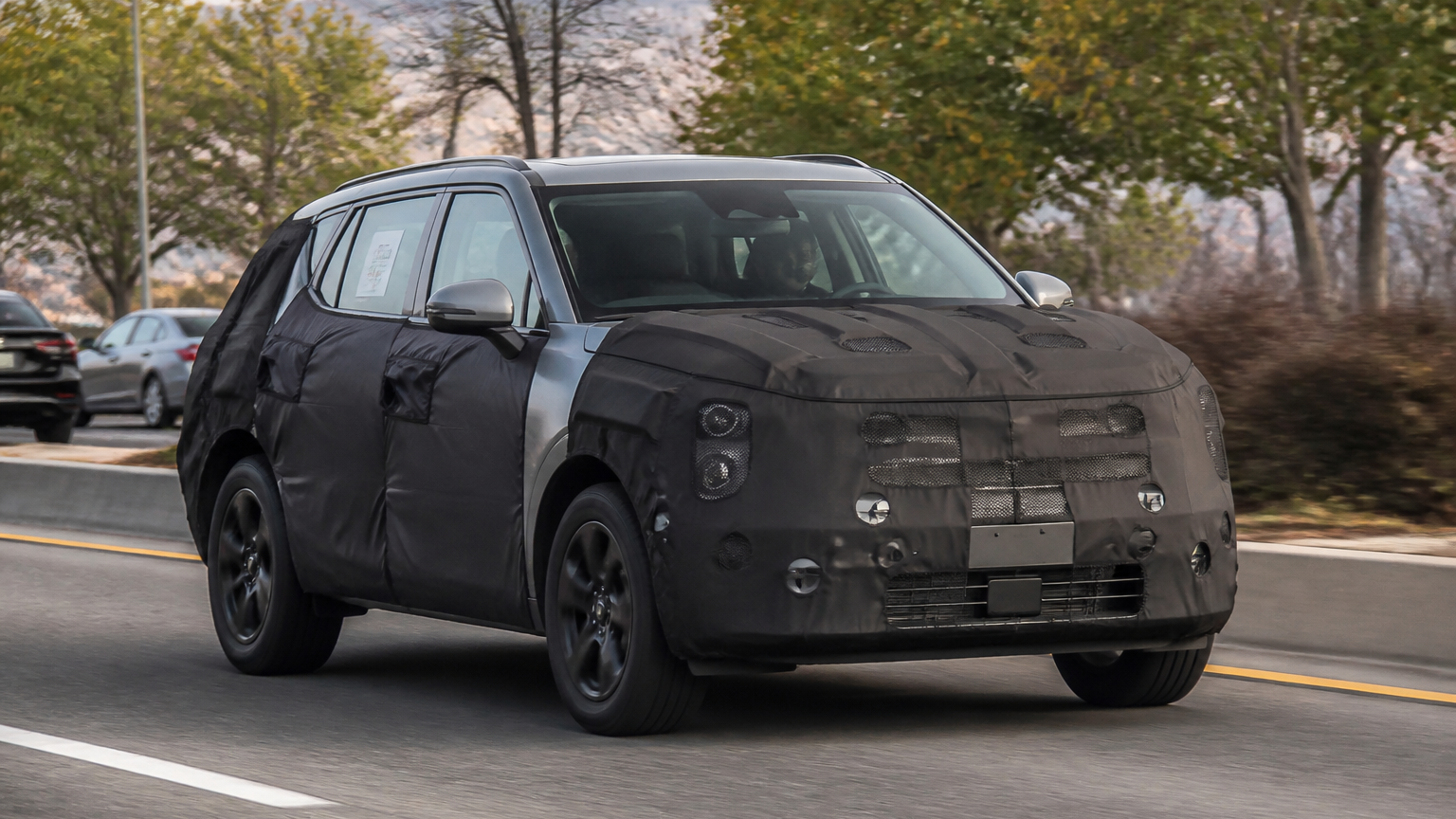
2028 Kia Sportage: Major Design Changes Spotted
Kia’s next Sportage may get a bolder, boxier redesign, with an upright profile, sharper lines, wider grille and split headlights hinted by spy shots.