BMW and Mercedes Shine at CES 2026 with AI-Powered Cars
At CES 2026, BMW and Mercedes spotlighted AI in vehicles. BMW's new assistant uses Amazon Alexa Plus for natural chats. Mercedes showed off the electric GLC with smart screens and the CLA with Level 2 autonomy. These moves highlight software's role in future cars.
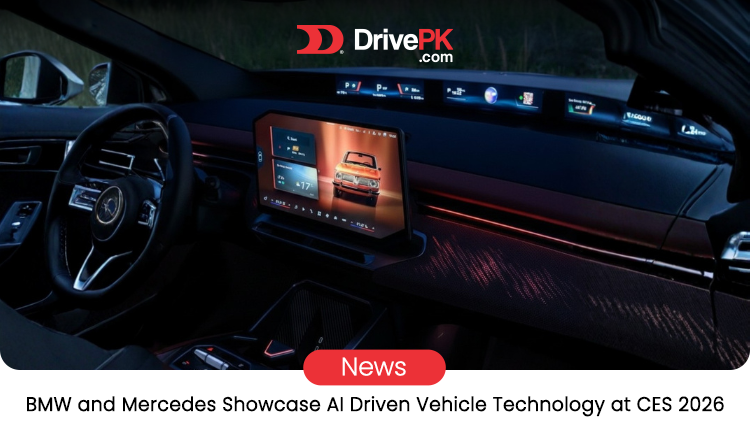
Table of Contents
- BMW's Push into Generative AI
- Why does this matter?
- And the connected experience?
- Mercedes' Electric and Autonomous Innovations
- How AI is Changing the Auto World
- What's Next for Drivers?
Car shows used to be all about shiny exteriors and powerful engines. But CES 2026 flipped the script. BMW and Mercedes stepped up with tech that puts AI front and center. They showed how software now defines what a car can do. It's not just about driving anymore. It's about smart, connected experiences that feel personal.
These announcements point to a bigger shift. Automakers are betting on AI to make vehicles safer, more fun, and easier to use. And it's happening fast. Let's break down what each brand brought to the table.
BMW's Push into Generative AI
BMW didn't hold back at CES. They unveiled a new personal assistant powered by generative AI. It runs on Amazon Alexa Plus. This isn't your basic voice command system. It handles natural conversations, like chatting with a friend.
Picture this: You're on a long drive, and the car suggests a playlist based on your mood. Or it predicts traffic and reroutes you without asking. BMW plans to launch this in the iX3 model later in 2026. The iX3 is their electric SUV, already known for its range and comfort. Now, add AI that learns from you over time.
Why does this matter?
Voice tech in cars has been clunky for years. Commands like "play music" work, but real talk?
Not so much. BMW's system uses AI to understand context. Say you're hungry, and it might pull up nearby spots that match your past choices. It's predictive, not reactive.
But BMW isn't stopping at assistants. They're all in on software-defined platforms. That means updates over the air, like your phone. No more trips to the dealer for fixes. The car evolves with new features. This keeps it fresh long after you buy it.
And the connected experience?
BMW wants your car to link seamlessly with your life. Sync with home devices, work calendars, and even health trackers. It's about making the drive part of your day, not a separate chore.
Mercedes' Electric and Autonomous Innovations
Mercedes came ready to impress, too. They showcased the electric GLC, set for a U.S. launch soon. This isn't just an EV, it's packed with screens, sound, and smarts.
The interior stands out. Big, curved displays wrap around the dashboard. They show everything from maps to entertainment. The audio system immerses you, like a concert hall on wheels. And the suspension? It uses AI to adjust on the fly, smoothing out bumps based on road data.
At the heart is the infotainment system. It blends Microsoft and Google tech. Why both? For the best of everything secure cloud from Microsoft, fast search from Google. AI ties it together, learning your habits. It suggests routes, adjusts climate, and even dims lights when you're tired.
Then there's the new CLA. This sedan gets Level 2 automated driving, thanks to Nvidia. Level 2 means hands-free on highways, but you stay alert. It handles steering, speed, and lane changes. NVIDIA's chips make it quick and reliable.
Mercedes is clear: AI reshapes how they build cars. Software comes first now. Hardware follows. This speeds up development. They can test features digitally before hitting the road.
The GLC and CLA show Mercedes' focus on luxury with tech. Electric power meets smart systems. It's quiet, efficient, and intelligent. For buyers, it means a car that anticipates needs, not just responds.
How AI is Changing the Auto World
Step back, and you see the pattern. BMW and Mercedes aren't alone. The whole industry leans on AI. Software-defined vehicles mean faster innovation. Cars update like apps. This cuts costs and adds value.
Connected experiences tie it all. Your car talks to traffic lights, other vehicles, and even cities. It reduces accidents and eases congestion. Predictive AI spots issues early, like low tires or battery wear.
But challenges exist. Privacy is key. All that data collection needs strong protection. And reliability? AI must work in rain, snow, or crowds. Automakers like these are tackling it head-on.
For users, it's exciting. Driving becomes less stressful. More time to relax or work. Electric models add green benefits, no gas, and lower emissions.
CES 2026 highlighted this evolution. BMW's assistant and Mercedes' systems set the bar. Others will follow. Soon, every car might have AI as standard.
What's Next for Drivers?
These reveals from BMW and Mercedes signal a new era. AI isn't a gimmick; it's core. It makes cars smarter, safer, and more enjoyable.
If you're in the market, watch for these models. The iX3 rolls out mid-2026. The GLC hits the U.S. soon. Both promise tech that feels futuristic but practical.
And the industry?
It's accelerating. Software and AI drive change. Expect more partnerships like BMW with Amazon, Mercedes with Nvidia. Competition pushes everyone forward.
In the end, it's about better experiences on the road. Simpler, more intuitive. That's the real win.For more updates, visit DrivePK.com
Tags
Share this article
About the Author

Najeeb Khan
Automotive enthusiast and writer
Comments (0)
Login Required
You need to be logged in to comment on this article.
No comments yet. Be the first to share your thoughts!
Related Articles
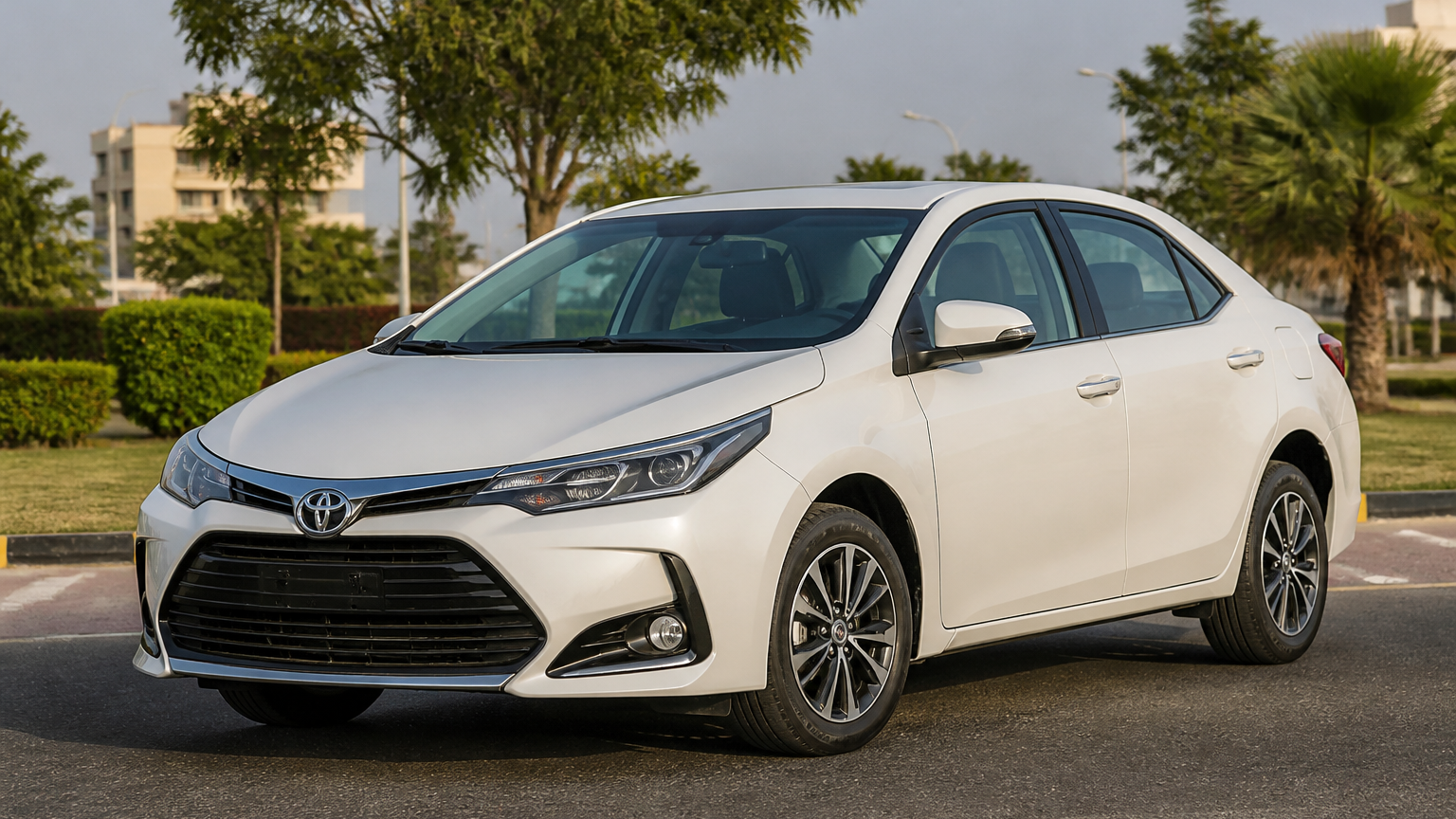
Toyota Corolla Discontinued Before Pakistan Facelift
Pakistan’s pre-facelift Toyota Corolla is reportedly discontinued, hinting at a facelift. Prices, bookings, specs and launch timing remain unconfirmed.
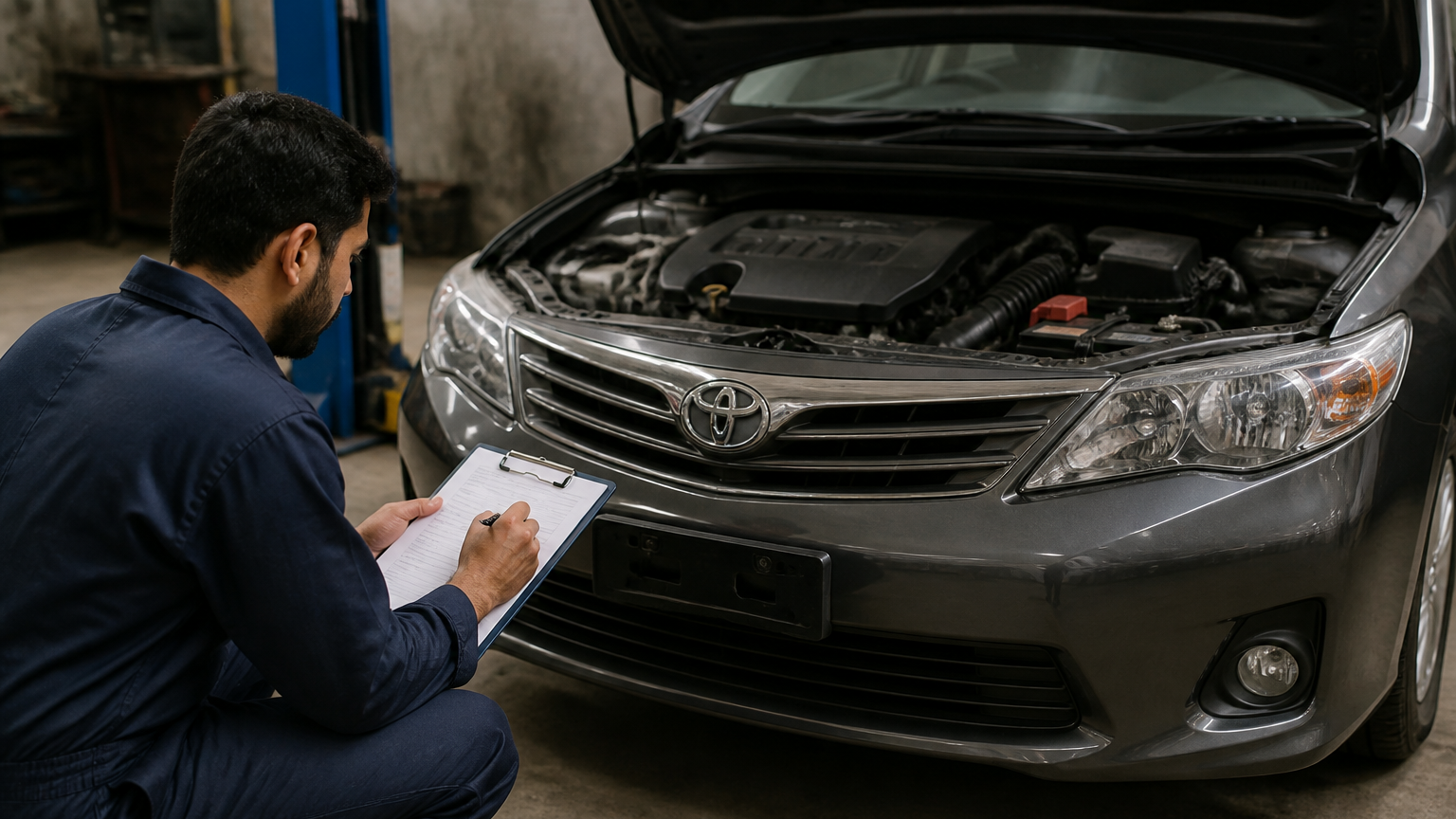
DrivePK Car Inspection Reports: Buy with Confidence
Buying a used car in Pakistan? A pre-purchase inspection can reveal hidden damage, engine issues and red flags before you pay—but it’s not enough alone.
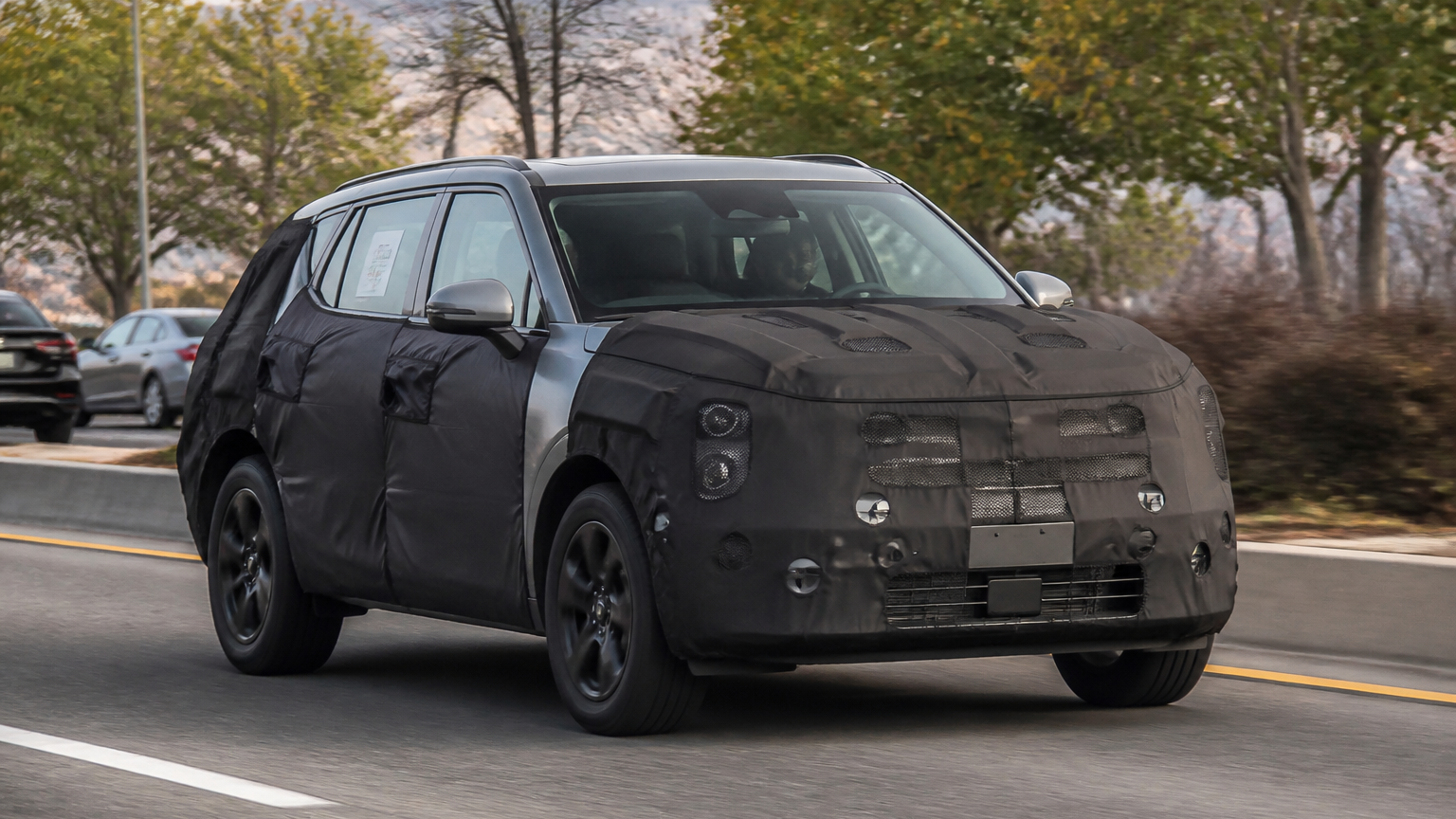
2028 Kia Sportage: Major Design Changes Spotted
Kia’s next Sportage may get a bolder, boxier redesign, with an upright profile, sharper lines, wider grille and split headlights hinted by spy shots.