Budget 2026 Impact on Car Buyers: Key Changes & Advice
Budget 2026-27 raises taxes on large SUVs and luxury EVs in Pakistan, urging buyers to rethink their purchasing strategies amid new financial impacts.
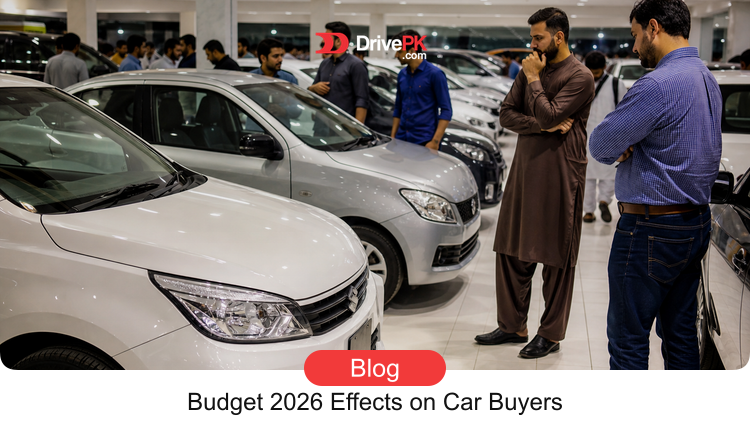
Table of Contents
- Overview of Tax Changes
- Large SUV Tax Increase
- Luxury EVs Tax
- Analysis of Taxation Causes
- Advice for Car Buyers
- Evaluating Local EV Options
- Future Risks for Car Buyers
- Conclusion
The Budget 2026-27 has introduced significant changes affecting car buyers in Pakistan, particularly those eyeing larger vehicles and luxury electric cars. The focus on increasing taxes on large SUVs and luxury EVs means that potential buyers will need to reassess their purchasing strategies in light of these new financial implications.
Overview of Tax Changes
This budget has brought a notable increase in the Federal Excise Duty (FED) on larger vehicles, particularly those above 2,000cc and luxury electric vehicles priced over Rs 2 crore. The goal is to enhance government revenues while encouraging the local auto industry to thrive. According to the Federal Board of Revenue (FBR), these changes are positioned to reshape vehicle purchasing decisions across the country.
Large SUV Tax Increase
The tax increase on SUVs with engine capacities of 2,000cc and above now means a 15% FED will apply, up from the previous rate of 10%. This increase affects both imported and locally assembled models, raising the on-road prices significantly. For example, the popular Toyota Fortuner, which previously retailed for around Rs 15 million, could see its price soaring past Rs 17 million after factoring in the new taxes. Buyers should be prepared for these price hikes when considering their options.
Luxury EVs Tax
Luxury electric vehicles now face a new FED applicable to those with a price tag exceeding Rs 2 crore. The increase is expected to deter potential buyers who were previously attracted to the idea of sustainable driving without the heavy tax burden. For instance, if you were considering the BYD Atto 2, which is making waves in the electric vehicle market, the new tax structure could push the final cost beyond what many buyers are willing to pay.
Analysis of Taxation Causes
The rationale behind these tax increases lies primarily in the government's strategy to balance revenue generation with the promotion of local manufacturing. With the automotive sector evolving, there is a clear push to encourage buyers to opt for locally assembled and smaller engine vehicles. Additionally, by imposing heavier taxes on larger, often imported vehicles, the government aims to address environmental concerns while gradually steering the market towards electrification.
Advice for Car Buyers
Given the new tax landscape, the immediate question for prospective buyers is whether to proceed with purchasing an SUV or luxury EV. If you have your heart set on a larger vehicle, now may not be the best time to buy. Prices are likely to climb as dealers adjust their pricing to accommodate the new tax structure.
Consider exploring options below 2,000cc, which will be substantially less affected by these tax hikes. For example, the Suzuki Vitara, a robust contender in the compact SUV market, remains a viable choice with a lower tax burden.
Evaluating Local EV Options
As the electric vehicle sector continues to grow—evident from the surge of EVs in Pakistan from 567 in 2021 to over 80,000 by mid-2025—now could be a good time to consider locally manufactured electric models. Many of these may still qualify for tax relief, making them more affordable in the long run.
Models like the Hyundai Ioniq 5 or the locally assembled MG ZS EV are noteworthy alternatives worth investigating, especially if you have a home charging solution.
Future Risks for Car Buyers
Looking forward, potential buyers must be wary of further tax increases and currency fluctuations that could dramatically influence vehicle prices. The recent history of economic instability in Pakistan suggests that waiting for a more stable environment might yield better purchasing conditions. If you can afford to delay a purchase, it may be worth your while.
Conclusion
In summary, the Budget 2026 has reshaped the automotive landscape in Pakistan, particularly for those interested in larger SUVs and luxury EVs. We recommend that buyers reassess their options carefully, considering both local and smaller vehicle alternatives. If your daily commute is under 60 km and you have a home charging solution, now might still be a good time to explore electric vehicles. However, if you're heavily eyeing SUVs over 2,000cc, waiting for potential market adjustments could be prudent.
For more updates, visit DrivePK.com
Tags
Share this article
About the Author
Dr Khan
Automotive Expert & Content Strategist
Comments (0)
Login Required
You need to be logged in to comment on this article.
No comments yet. Be the first to share your thoughts!
Related Articles
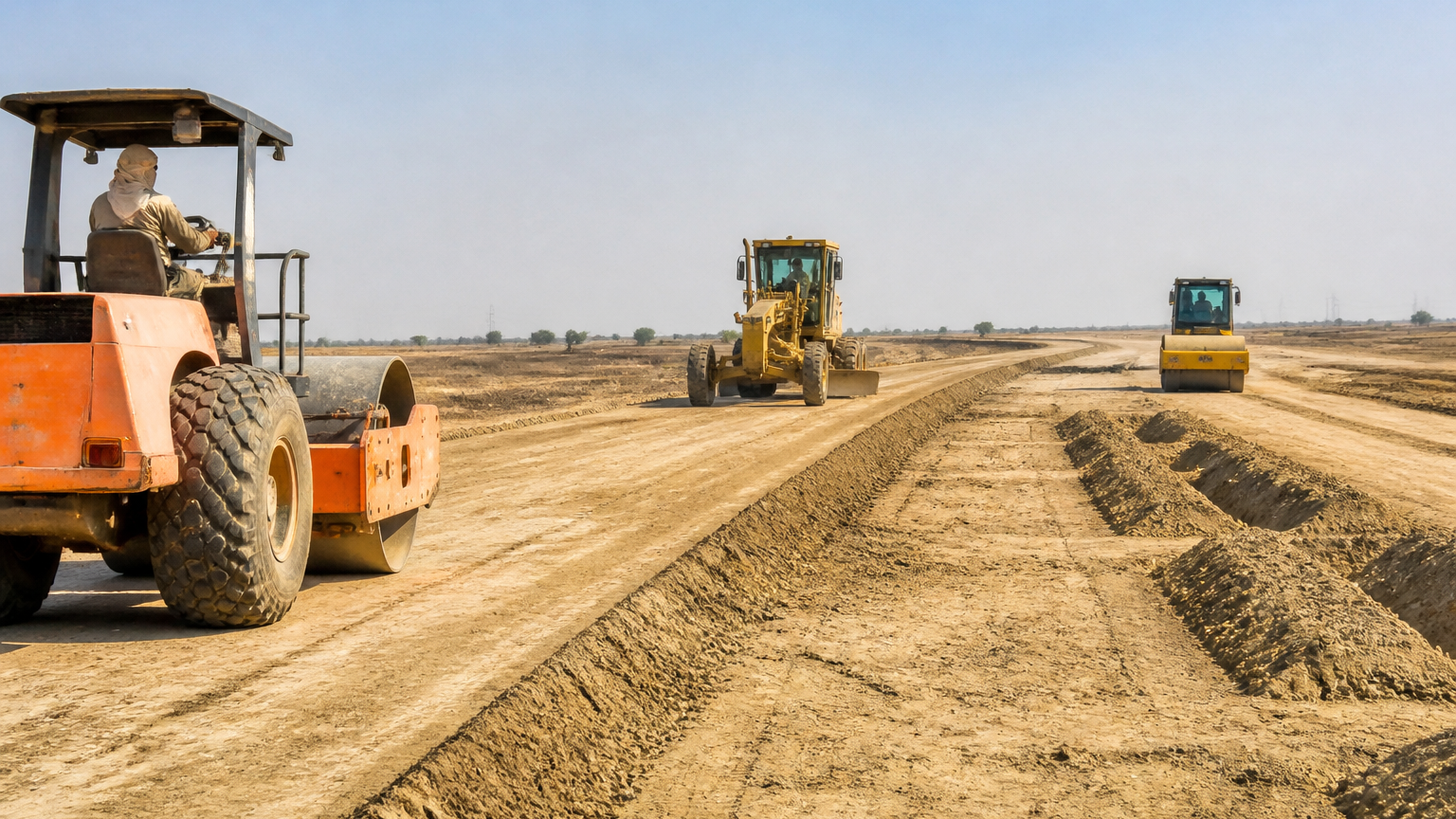
سکھر-کراچی موٹروے پر کام اگلے ماہ شروع ہوگا
سکھر-کراچی موٹروے کی تعمیر اگلے ماہ تین حصوں میں شروع ہوگی، جس سے کراچی پورٹ تک رسائی تیز ہونے کی امید ہے—تاہم منصوبے کی تکمیل کی کوئی تاریخ تاحال نہیں دی گئی۔
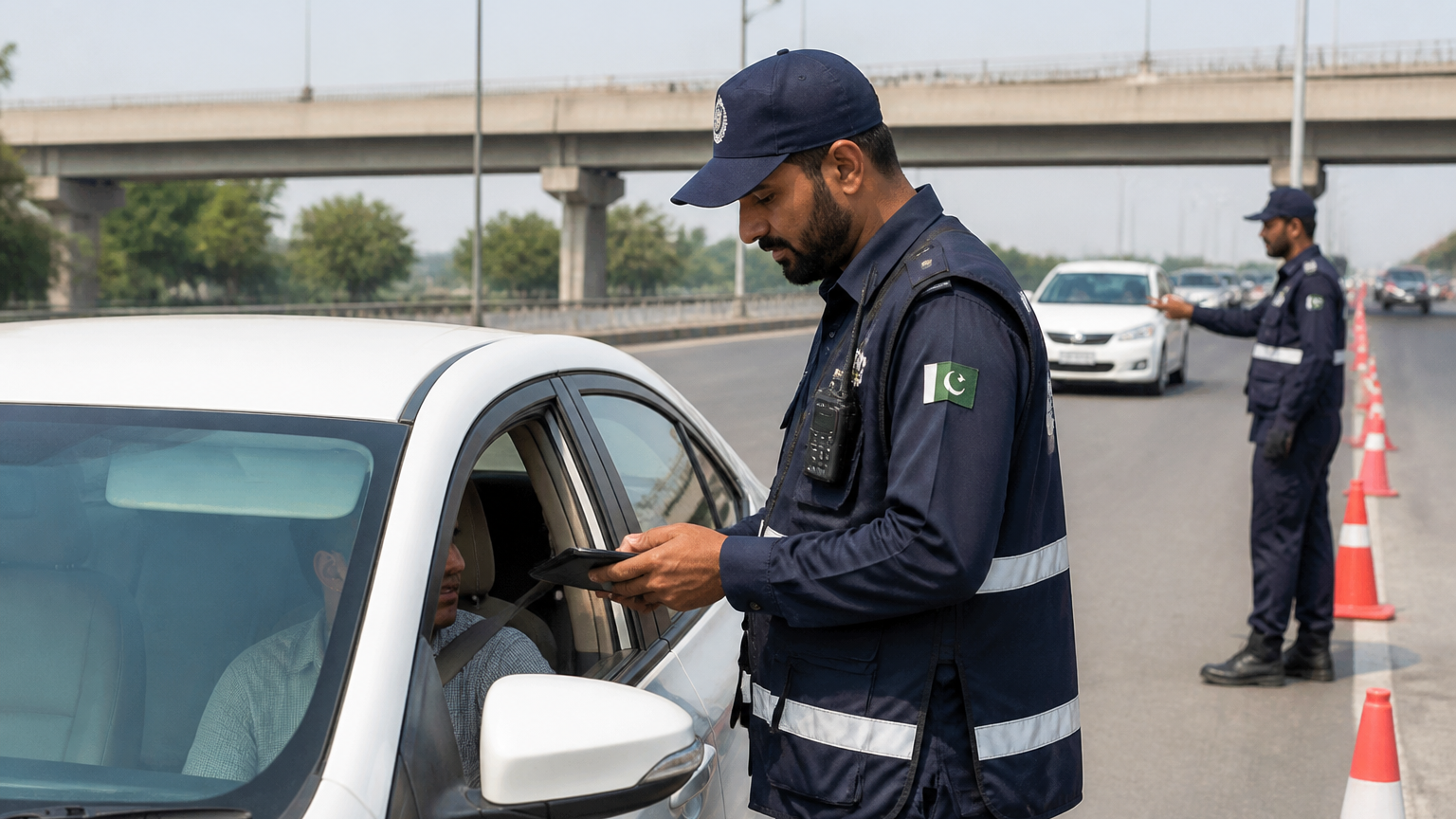
لاہور رنگ روڈ پر جرمانے 10,000 روپے تک پہنچ گئے
لاہور رنگ روڈ پر ڈرائیورز کو مبینہ طور پر 10,000 روپے تک کے جرمانے کا سامنا ہے، جن میں بغیر لائسنس ڈرائیونگ پر 5,000 روپے اور کم عمر ڈرائیونگ پر 10,000 روپے شامل ہیں۔
اسلام آباد ٹریفک لائسنس سروسز آج رات معطل
اسلام آباد ٹریفک لائسنس سروسز 26 اکتوبر رات 11 بجے سے 27 اکتوبر صبح 9 بجے کے بعد تک سسٹم اپ گریڈ کے باعث بند رہ سکتی ہیں—تجدید اور پرمٹس مؤخر کر دیں۔