BYD Aims to Top Toyota Without US Sales
BYD wants to pass Toyota as the top carmaker in the next few years. They plan to do it without selling regular passenger cars in the United States. Stella Li, head of international operations, explained their strategy of steady growth, new markets, and better charging tech.
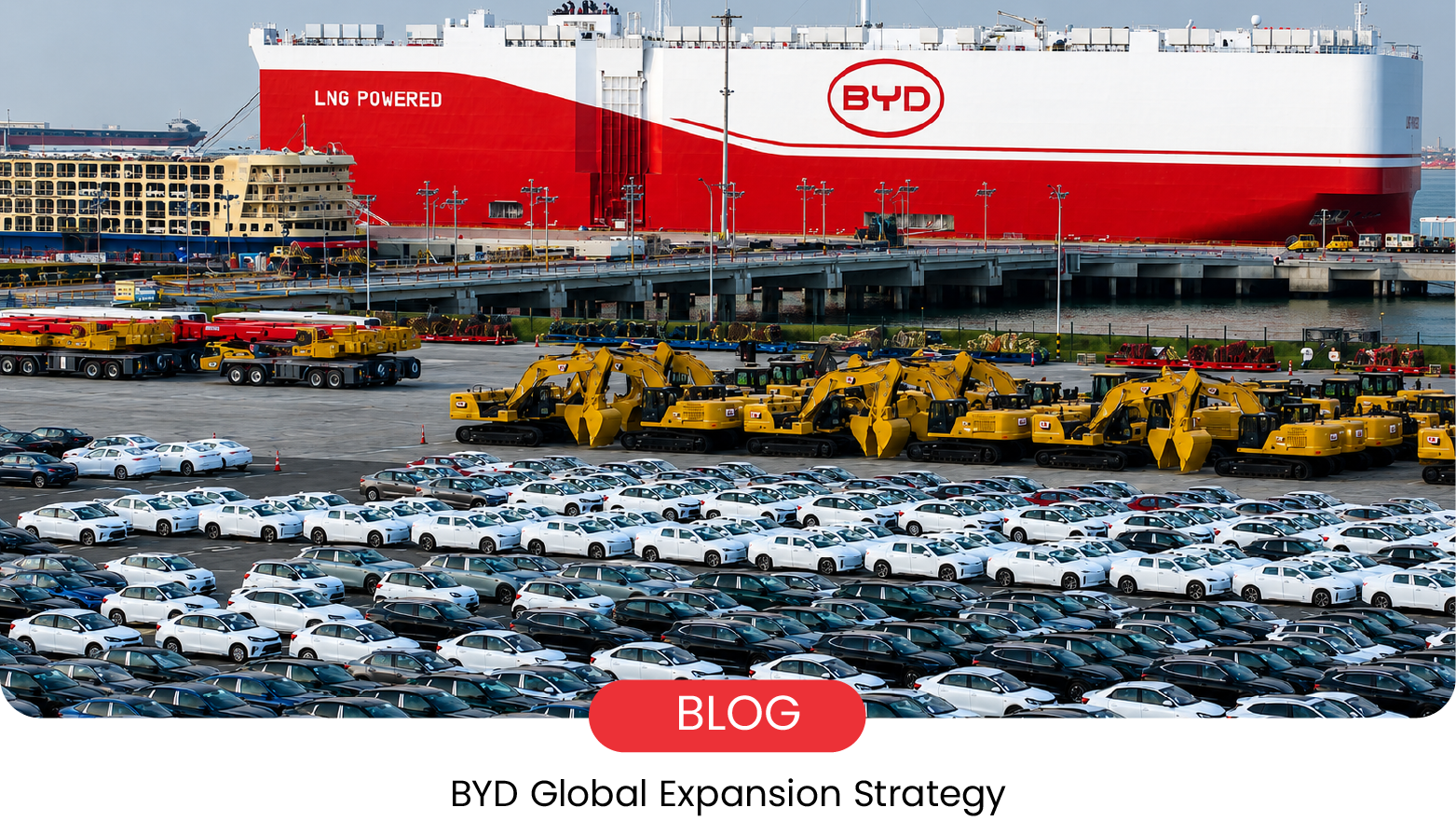
Table of Contents
- Where BYD Stands Today
- Why Skip the US Market?
- Strong Push Into Europe
- Denza: Moving Up to Luxury
- Challenges on the Road
- What This Means for Buyers and the Industry
- Looking Ahead
BYD is making bold moves. The Chinese company already leads in electric vehicles. Now it has its eyes on the global crown held by Toyota. And they say they can do it without selling standard passenger cars in the US market.
Stella Li, BYD's executive vice president for international operations, laid it out clearly. The company will grow through its own efforts, push hard into other countries, and use smart technology like fast charging. No big acquisitions needed.
I looked into the numbers and plans. Here's what stands out.
Where BYD Stands Today
In 2025, BYD sold about 4.6 million new energy vehicles. That includes pure electric and plug-in hybrids. Toyota sold around 10.5 to 11.3 million vehicles overall.
BYD is smaller right now, but its growth is fast. Overseas sales are becoming a bigger piece of the business. In early 2026, international deliveries kept climbing even as China's market slowed.
The company shipped over a million vehicles abroad in 2025. For 2026, targets sit around 1.3 to 1.5 million overseas units. That would mark real progress.
Why Skip the US Market?
High tariffs make the United States tough. Instead of fighting there, BYD focuses elsewhere. This approach avoids direct battles in a protected market while building strength in friendlier regions.
Europe, Southeast Asia, and Latin America offer big opportunities. BYD already leads in several emerging markets for EVs. In parts of Latin America, they hold a huge share of electric sales.
Strong Push Into Europe
Europe is a key battleground. BYD plans local factories, like the one in Hungary, to dodge some import rules. They are doubling their sales network by the end of 2026.
The real game-changer? Charging. BYD will spend nearly €2 billion to roll out about 3,000 flash chargers across Europe by 2027. These stations can add a lot of range in just minutes. A flagship model like the Z9GT can reach 70% charge in five minutes.
This solves one big worry for EV buyers: range anxiety. Faster charging makes electric cars more practical for everyday and long trips. BYD wants this tech in all its mainstream models.
They are also building production in places like Thailand and Brazil. Local factories help with costs, jobs, and regulations.
Denza: Moving Up to Luxury
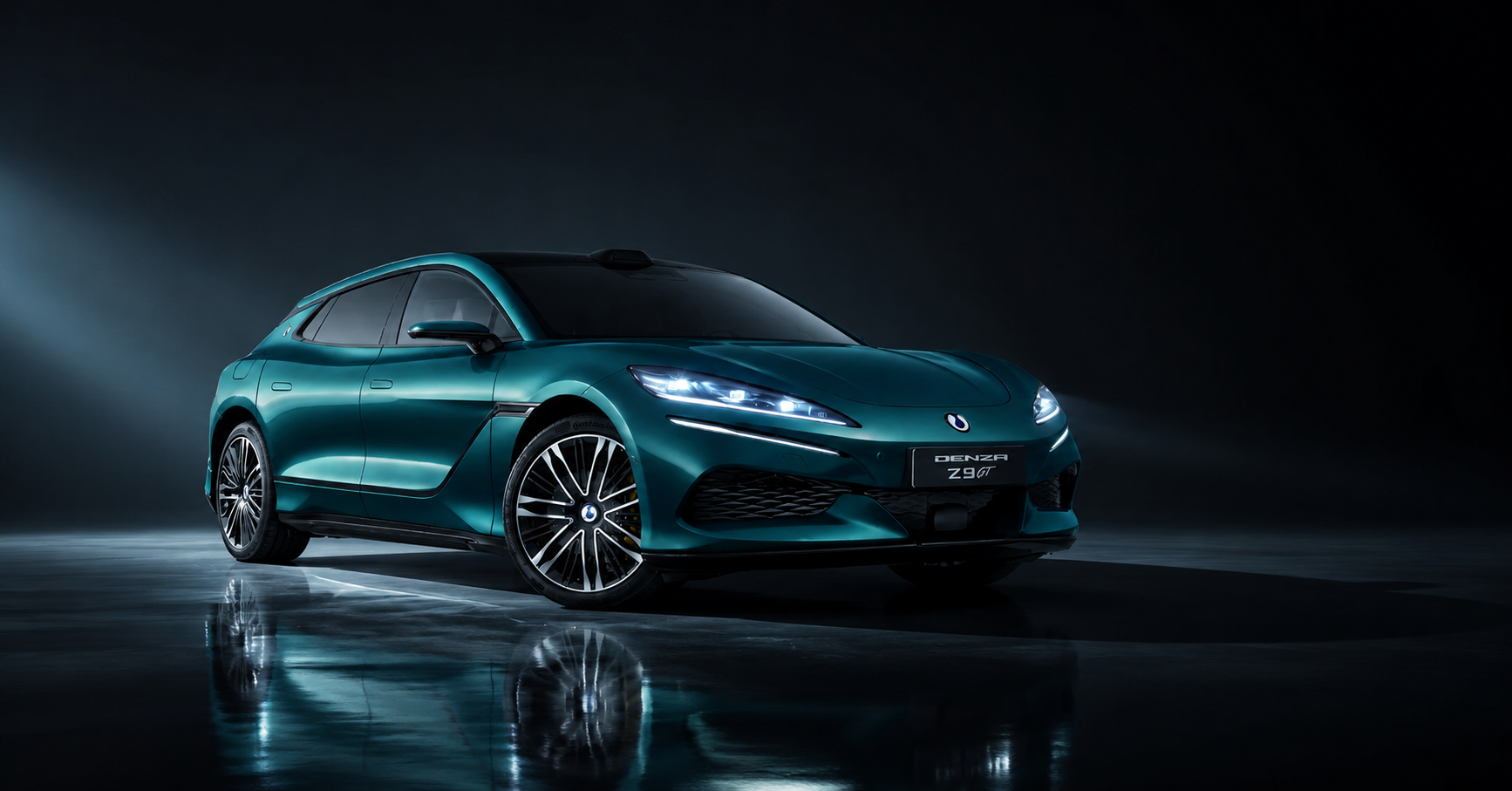
BYD isn't just about affordable cars. Their Denza brand targets premium buyers. Models like the Z9GT and Z sports car go after Porsche territory. We're talking high horsepower, quick acceleration, and luxury features.
The Denza Z aims at Porsche 911 performance but with electric power. Some versions pack over 1,500 horsepower. Pricing sits in the range that challenges traditional luxury names.
Hiring talent from Porsche and others shows they mean business in Europe. This helps build credibility in markets that value heritage and quality.
Challenges on the Road
Nothing is guaranteed. Domestic sales in China have slowed. Competition is fierce everywhere. Tariffs in Europe and elsewhere add costs, even with local production.
BYD must keep innovating on batteries, software, and costs. They also need to win over buyers who prefer established brands with long histories.
Supply chains, politics, and currency swings can shift quickly. Success depends on execution across many countries.
What This Means for Buyers and the Industry
For drivers, more choices and better tech could come. Faster charging, competitive prices, and varied models might speed up the shift to electric.
Traditional makers like Toyota, with strong hybrid lineups, face pressure. Toyota still leads in total volume, but BYD's focus on pure EVs and plug-ins gives them momentum in the future direction of the market.
In Southeast Asia and Latin America, BYD's growth brings affordable electric options to places that need cleaner transport.
Looking Ahead
Stella Li and the team believe organic growth plus smart expansion will get them there within five years. They aim for the top spot by around 2030 or sooner.
It won't be easy. But the investments in factories, chargers, and premium brands show seriousness. BYD turned from battery maker to EV leader. Now they chase the full global title.
Watch Europe and Latin America closely. That's where the next chapter plays out. If the flash charging network works as planned and Denza gains traction, BYD could close the gap faster than many expect.
The auto world is changing. BYD is one of the companies pushing hardest. Whether they overtake Toyota remains to be seen, but their path is clear: grow where they can, invest in tech, and keep moving forward. For more updates, visit DrivePK.com
Tags
Share this article
About the Author

Najeeb Khan
Automotive enthusiast and writer
Comments (0)
Login Required
You need to be logged in to comment on this article.
No comments yet. Be the first to share your thoughts!
Related Articles
DrivePK Car Inspection Report: Buy Used Cars Safely
Buying a used car in Pakistan? A DrivePK inspection report reveals hidden faults, supports smarter negotiations, and helps you avoid costly mistakes.

Rawalpindi to Impound Smoke-Emitting Vehicles
Rawalpindi Traffic Police is gearing up for a citywide crackdown on smoke-belching vehicles, with inspections, fines and delays for commuters.
Toyota Corolla Discontinued Before Pakistan Facelift
Pakistan’s pre-facelift Toyota Corolla is reportedly discontinued, hinting at a facelift. Prices, bookings, specs and launch timing remain unconfirmed.