Dongfeng Mach 1.5T Hybrid Engine Breaks Global Efficiency Record
Dongfeng’s new Mach 1.5T hybrid engine sets a global record with 48.09% thermal efficiency, surpassing Toyota and BYD. Advanced features like high compression, 500-bar fuel injection, and a variable-geometry turbo improve fuel economy, performance, and driving range for hybrid vehicles.
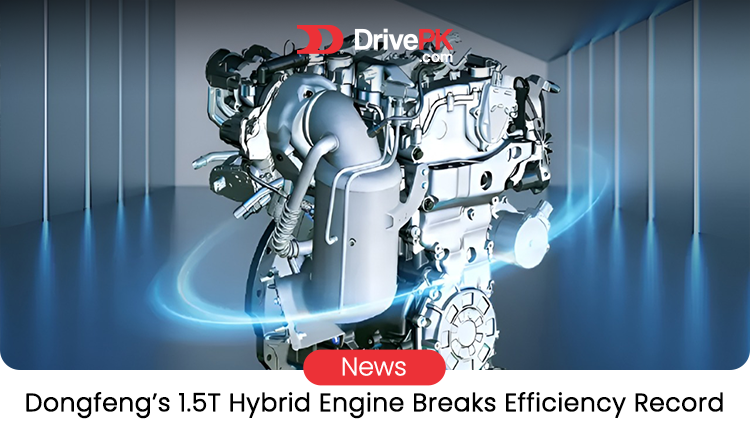
Table of Contents
- What Thermal Efficiency Means
- What Makes the Mach 1.5T Different
- High Compression Ratio
- Advanced Combustion System
- 500-Bar Fuel Injection
- Variable-Geometry Turbocharger
- Reduced Mechanical Losses
- Why These Features Matter on the Road
- A Closer Look at What This Means for Hybrids
- How It Compares to Toyota and BYD
- What Drivers and Automakers Can Expect Next
- Longer Driving Range
Dongfeng Motor has introduced its new Mach 1.5T hybrid gasoline engine, and it has already broken a major record. The engine reaches 48.09% thermal efficiency, the highest ever achieved by a production hybrid engine.
This pushes it ahead of well-known leaders like Toyota and BYD, and it signals a new shift in how far a hybrid car can go on the same amount of fuel.
What Thermal Efficiency Means
Thermal efficiency sounds technical, but the idea is simple.
It shows how well an engine turns fuel into power.
A higher number means the engine wastes less energy as heat.
So when an engine reaches 48.09%, it means it uses nearly half of the fuel’s energy to move the car forward. That is a big jump from older engines.
For comparison:
- Toyota hybrids reach 40 to 41%
- BYD sits at 46 to 46.5%
- Dongfeng now stands at 48.09%
Even a small increase in this number can change real-world driving. And this one is not small.
What Makes the Mach 1.5T Different
Dongfeng’s new engine uses several features that work together to lower fuel use and boost performance.
Each part may sound simple, but the combined effect is strong.
High Compression Ratio
A higher compression ratio squeezes the fuel-air mix more tightly.
This helps the engine burn fuel more cleanly and with less waste.
Advanced Combustion System
The combustion chamber is designed to mix and burn fuel with better control.
Good combustion means more power and less heat loss.
500-Bar Fuel Injection
This is a very high pressure.
It sprays fuel in fine droplets, which helps the engine burn it faster and more completely.
Variable-Geometry Turbocharger
This turbo changes shape based on driving conditions.
It gives quick response at low speeds and strong power at high speeds.
It also works well with hybrid systems, where the engine switches modes often.
Reduced Mechanical Losses
Many parts in older engines lose energy through friction.
Dongfeng addressed this by redesigning moving components to reduce drag.
Less friction means smoother running and better efficiency.
Why These Features Matter on the Road
Many drivers wonder if such technical features actually change daily driving.
In this case, they do.
Dongfeng says the Mach 1.5T can improve driving range by up to 10% under similar fuel conditions compared to other hybrid engines.
That means fewer fuel stops, better economy, and smoother acceleration.
And when the electric motor and engine work together, the system can deliver strong, steady power without feeling strained.
A Closer Look at What This Means for Hybrids
Hybrid engines need to react quickly. They switch between electric and gasoline power, blend both at times, and adjust constantly.
For this to work well, the engine must be efficient at low speeds, high speeds, and everything in between.
The Mach 1.5T does this through its turbo system, improved combustion, and reduced losses.
These elements help the engine stay efficient in a wide range of conditions, not just in lab tests.
And that’s important for real drivers. People face traffic, hills, sudden stops, long trips, and slow city routes.
An engine that stays efficient in all these situations helps cut fuel costs while keeping performance steady.
How It Compares to Toyota and BYD
Toyota has long been known for hybrid leadership.
- BYD has also grown quickly with strong hybrid systems and rising efficiency numbers.
- Both companies built their reputation through reliable, refined engines.
- But Dongfeng has now stepped ahead in thermal efficiency.
Passing Toyota’s 40 to 41% was already a challenge.
Beating BYD’s 46 to 46.5% is even more notable, since BYD recently updated its hybrid lineup with major improvements.
This means the competition in hybrid engines is entering a new phase.
Chinese brands are pushing hard in areas once dominated by Japanese makers.
And Dongfeng’s new record highlights how fast this shift is happening.
What Drivers and Automakers Can Expect Next
A high-efficiency engine is not only about saving fuel. It also sets the stage for better hybrid systems in the future.
Longer Driving Range
Higher thermal efficiency means better mileage. Drivers will see this especially on long trips and highway routes.
For more updates, visit DrivePK.com
Tags
Share this article
About the Author

Najeeb Khan
Automotive enthusiast and writer
Comments (0)
Login Required
You need to be logged in to comment on this article.
No comments yet. Be the first to share your thoughts!
Related Articles
Toyota Corolla Discontinued Before Pakistan Facelift
Pakistan’s pre-facelift Toyota Corolla is reportedly discontinued, hinting at a facelift. Prices, bookings, specs and launch timing remain unconfirmed.
DrivePK Car Inspection Reports: Buy with Confidence
Buying a used car in Pakistan? A pre-purchase inspection can reveal hidden damage, engine issues and red flags before you pay—but it’s not enough alone.

2028 Kia Sportage: Major Design Changes Spotted
Kia’s next Sportage may get a bolder, boxier redesign, with an upright profile, sharper lines, wider grille and split headlights hinted by spy shots.