FBR Halts Imported Hybrid Car Clearance Again
Japanese hybrid imports are stuck at customs over an unresolved sales-tax dispute. With no FBR confirmation, buyers should think twice before booking.
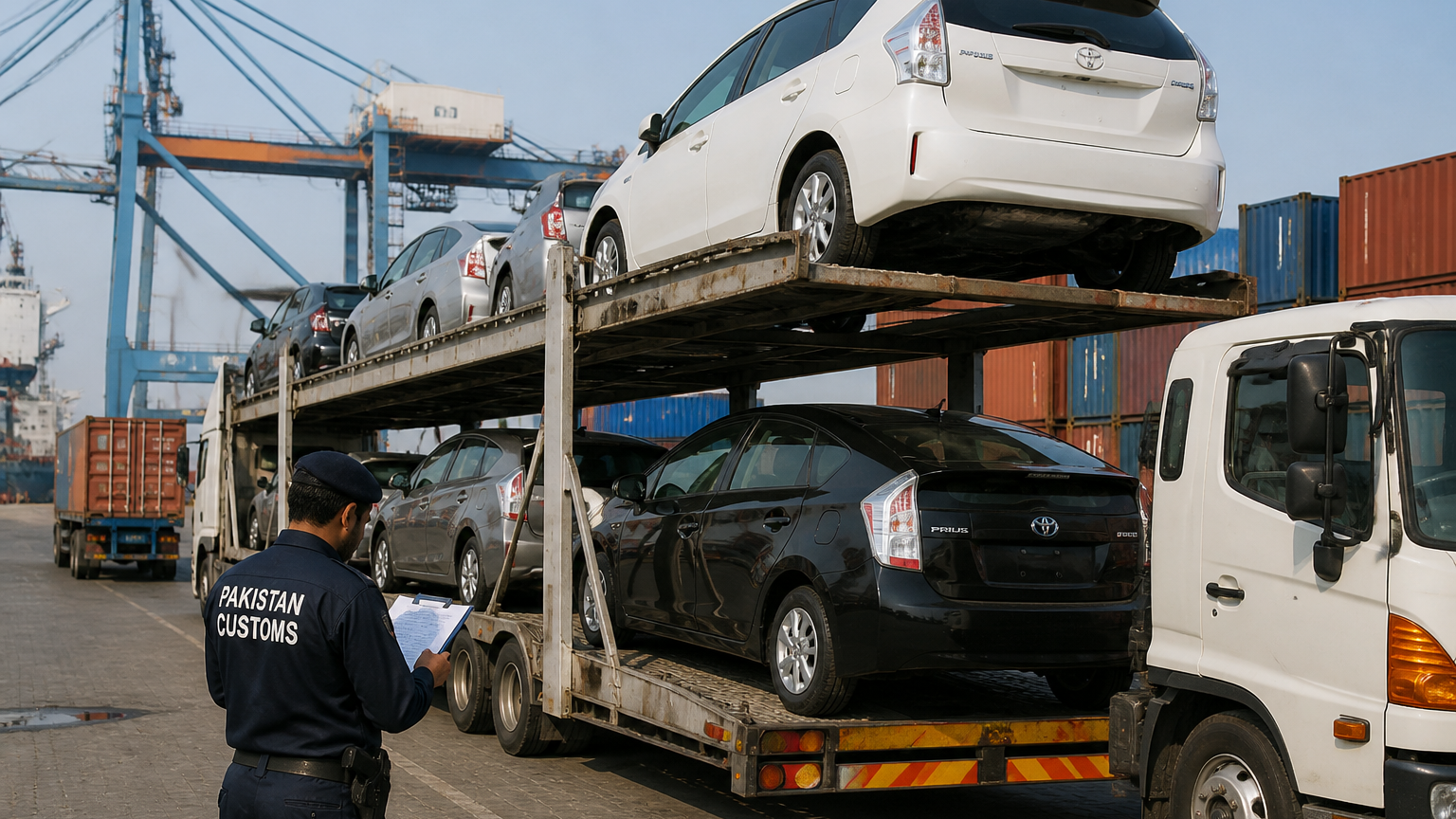
Imported Japanese series-hybrid cars are reportedly stuck at customs again, and the reason is a sales-tax dispute that hasn’t been officially cleared up yet. The report is based on social-media updates picked up by a source report, while the Federal Board of Revenue has not confirmed any suspension or given a timeline for a fix. For buyers, that means one thing: don’t treat an uncleared hybrid booking like a safe deal just yet.
Why the clearance problem is back
The vehicles in question are described as imported Japanese series-hybrid models, and the issue is linked to Pakistan’s New Energy Vehicle category. In simple words, NEV means a vehicle class that customs and tax officials may treat differently from a normal petrol car, but that does not automatically mean every tax dispute is settled. For background, read our earlier coverage: FBR's New Rules for Imported Vehicles: Higher Taxes and Transparency in Pakistan.
reportedly the problem is a customs-clearance delay tied to a sales-tax question, not a confirmed ban on owning, registering, or driving a hybrid in Pakistan. The same report says FBR had not officially confirmed the pause or clarified the tax treatment at the time of publication: a source report report.
The available evidence still leaves some big gaps. We do not know how many consignments are affected, which ports are involved, or whether every series-hybrid is being treated the same way.
What has not been confirmed yet
- The exact sales-tax rate or method of calculation
- Whether the issue applies to all series-hybrids or only specific consignments
- A date for clearance to restart
- Any new restriction on vehicles already cleared and registered in Pakistan
- A final FBR decision on the tax or classification dispute
What Pakistan Customs reportedly changed
a source report also says Pakistan Customs placed specified vehicles under PCT code 8703.8090 on November 21. PCT means Pakistan Customs Tariff, the code system customs uses to classify imported goods. But the year, the official document, and the full scope of that move are still unverified.
The same report links that classification to an alleged rejection of Indus Motor Company’s appeal over Range-Extended Electric Vehicles, or REEVs. REEVs are vehicles that use an electric motor but also carry a small engine that helps generate power. That detail matters because the tax treatment can change depending on how customs classifies the vehicle.
This is where the confusion starts. A tariff code can help classify a vehicle, but it does not settle the final sales-tax bill by itself.
For background on the earlier EV-style classification debate, you can also read DrivePK’s explainer on Japanese Series-Hybrids Classified as EVs by FBR.
Why buyers should slow down before paying
If you’re planning to import or book one of these vehicles, the risk is simple: the car may sit at port while storage and demurrage build up. Demurrage means the extra charge you pay when a container or vehicle stays at the port longer than allowed.
That can turn a “cheap import” into an expensive headache fast.
FBR’s own vehicle guidance says new vehicles may be imported subject to the required procedures, duties and taxes. It also lists general HEV duty-and-tax exemptions of 50% for hybrids up to 1,800cc and 25% for hybrids above 1,800cc up to 2,500cc: FBR vehicle guidance. But that page is general guidance only, and it does not confirm that the reported series-hybrids qualify for the same treatment.
What to ask the importer in writing
- Has this exact vehicle cleared customs, or is it still on hold?
- What PCT code is shown on the import papers?
- Is the quoted price final, or can sales tax still change it?
- Who pays demurrage, storage, or reassessment costs?
- What are the refund and cancellation terms if clearance fails?
- Can the seller share the customs assessment and tax-payment proof once cleared?
Should you wait?
If you don’t need the car urgently, yes — wait for written clarification from FBR or Pakistan Customs before paying a non-refundable amount for an uncleared unit. If you’re already looking at a cleared vehicle, ask for the customs papers and tax record before you hand over money.
The big takeaway is simple. This is a reported customs hold, not a confirmed ban on hybrid ownership or use. And until the tax question is settled in writing, any fixed delivery date or final price should be treated as provisional.
Conclusion
Buyers without an urgent need should wait for written clarification before booking an imported series-hybrid. Importers should avoid quoting fixed final prices while the sales-tax issue remains unresolved. The reported pause is not officially confirmed, and the available evidence does not show a permanent ban on imported hybrids, ownership, registration, or use.
Explore DrivePK services
Buying or selling a vehicle? Explore DrivePK services, including car inspection, Sell It For Me and Featured Listings, and choose the option that fits your needs.
For more updates, visit DrivePK.com
Share this article
About the author

Dr Khan
Automotive expert and content strategist

Comments (0)
Sign in required
Sign in to comment on this article.
No comments yet. Be the first to share your thoughts!