FBR's New Rules for Imported Vehicles: Higher Taxes and Transparency in Pakistan
The FBR in Pakistan has updated how it values imported vehicles. It now uses only the Manufacturer’s Suggested Retail Price, ditching local agents and old systems. This closes gaps for lower duties but raises costs for luxury cars. Buyers will pay more, but the process is fairer
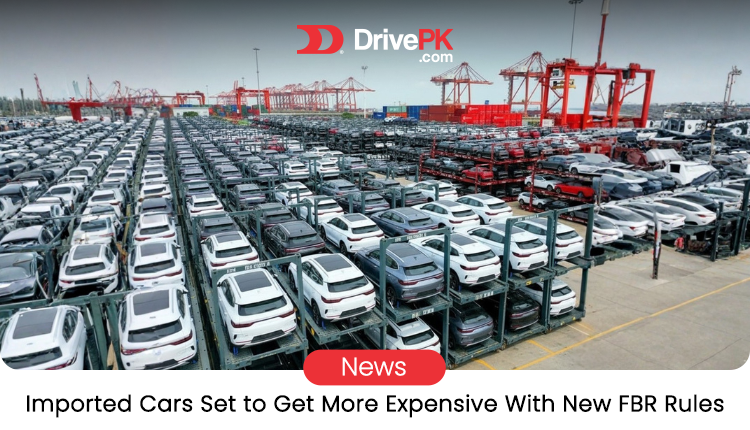
Table of Contents
- What Led to This Change?
- How It Affects Importers and Buyers
- Transparency Wins, But at a Cost
- What Should You Do Next?
Pakistan's Federal Board of Revenue just made a big change to how it values imported cars. They issued Customs General Order No. 02 of 2026. This scraps the old ways that let importers pay less in duties. Now, customs officials use only the Manufacturer’s Suggested Retail Price, or MSRP, from the maker.
Why does this matter? In the past, importers could rely on local authorized agents or the Asian Trust Price system. These often led to undervalued cars, meaning lower taxes. But that loophole is gone. High-end and luxury vehicles will now face steeper duties. If you're eyeing a fancy import, expect to pay more.
What Led to This Change?
For years, the system had flaws. Importers found ways to declare lower values. This cheated the government out of revenue. The FBR wants to fix that. By sticking to MSRP, they aim for fairness. It's based on what the manufacturer says the car should cost at retail. No more haggling or shady deals.
Think about it. A luxury SUV that might have slipped through with low duties before? Now it's valued properly. That means more money goes to taxes. The government says this boosts transparency. And honestly, it makes sense in a country where revenue is key for development.
How It Affects Importers and Buyers
Importers are the first hit. They can't use those old tricks anymore. Duties are calculated on the real MSRP value. So, costs go up right away. For buyers in Pakistan, this trickles down. Cars from abroad will cost more at dealerships.
Take a popular example. A high-end sedan from Europe or Japan. Its price tag jumps because of higher import taxes. Regular folks might stick to local options. But for those who want imports, it's a tougher choice. And luxury buyers? They'll feel the pinch most.
On the flip side, this could level the playing field. Local car makers might see a boost. If imports are pricier, people buy made-in-Pakistan vehicles. That supports jobs here.
Transparency Wins, But at a Cost
The FBR's move is about cleaning up the process. No more relying on agents who might bend rules. Customs officials handle it directly with MSRP data. This cuts corruption risks. It's a step toward better governance.
But there's a downside. Higher costs could slow the auto market. Fewer imports mean less variety for consumers. And in cities like Karachi or Lahore, where imports are common, prices might spike.
Still, it's early days. The order is from 2026, so watch how it plays out. Importers might challenge it in court. Or adjust by sourcing cheaper models.
What Should You Do Next?
If you're planning to import a car, check the new rules. Look up the MSRP for your model. Calculate duties based on that. Talk to a customs expert. For buyers, compare local vs. import prices now.
This change shows the FBR is serious about revenue. It might hurt short-term, but long-term, it could mean a stronger economy. And that's good for everyone. For more updates, visit DrivePK.com
Tags
Share this article
About the Author

Najeeb Khan
Automotive enthusiast and writer
Comments (0)
Login Required
You need to be logged in to comment on this article.
No comments yet. Be the first to share your thoughts!
Related Articles
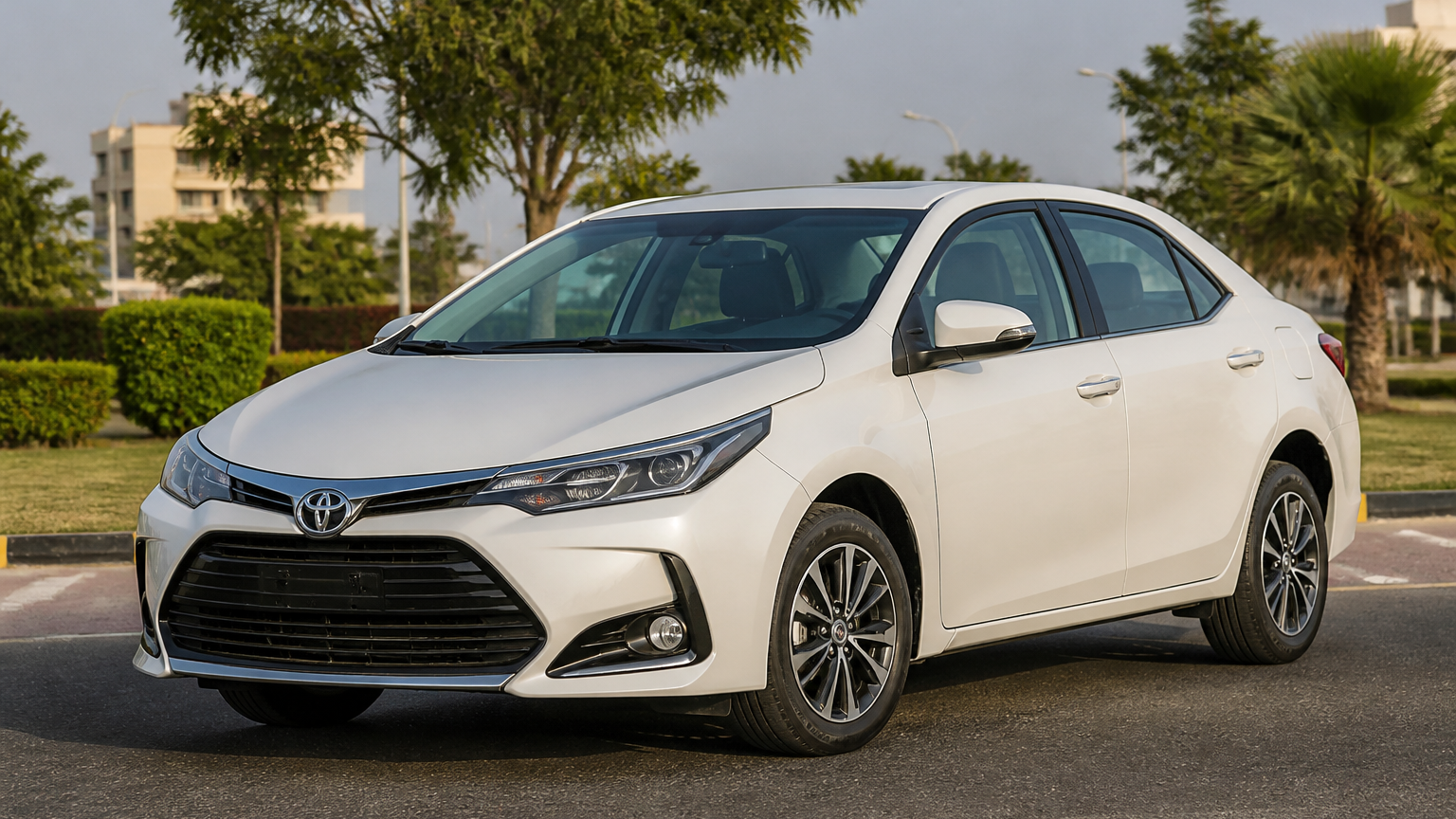
Toyota Corolla Discontinued Before Pakistan Facelift
Pakistan’s pre-facelift Toyota Corolla is reportedly discontinued, hinting at a facelift. Prices, bookings, specs and launch timing remain unconfirmed.
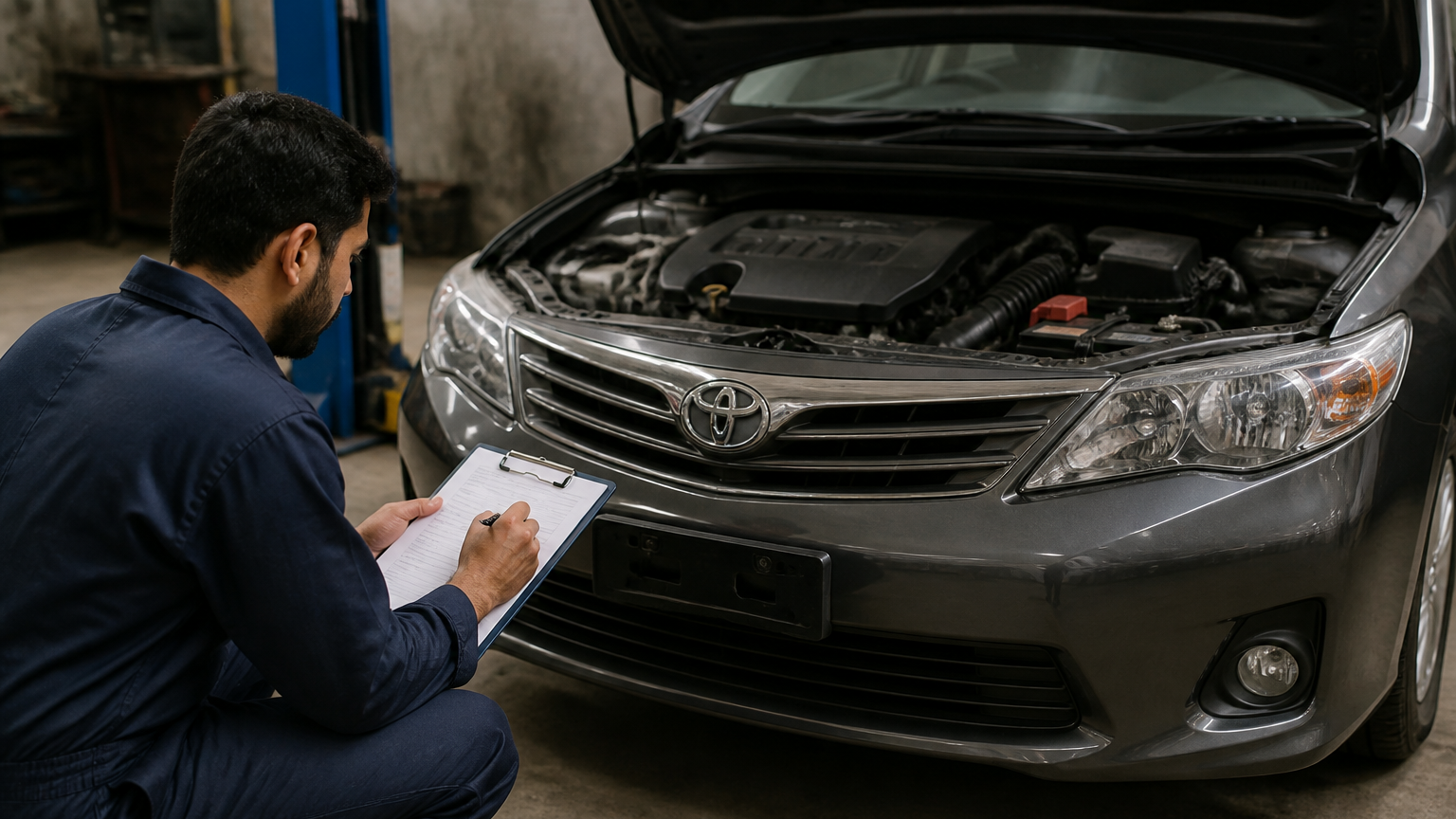
DrivePK Car Inspection Reports: Buy with Confidence
Buying a used car in Pakistan? A pre-purchase inspection can reveal hidden damage, engine issues and red flags before you pay—but it’s not enough alone.
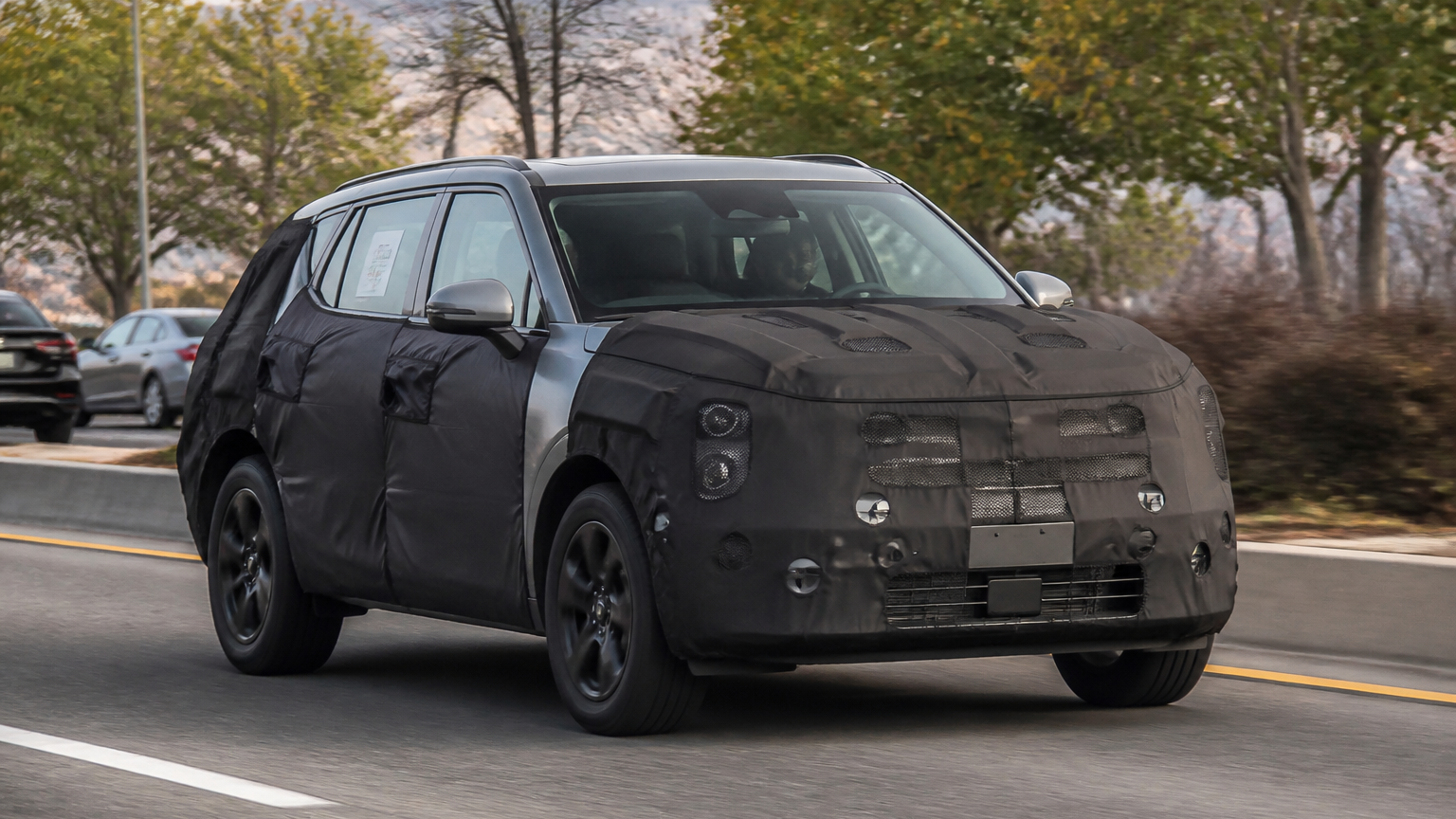
2028 Kia Sportage: Major Design Changes Spotted
Kia’s next Sportage may get a bolder, boxier redesign, with an upright profile, sharper lines, wider grille and split headlights hinted by spy shots.