Fuel Prices in Pakistan Today: Small Relief on Petrol, Big Jump in Diesel
The government has updated fuel prices under the new daily system. Petrol is now a bit cheaper at Rs315.80 per litre, but diesel jumped to Rs360.06. These changes hit transport and daily expenses hard. Here's what it means for ordinary Pakistanis.
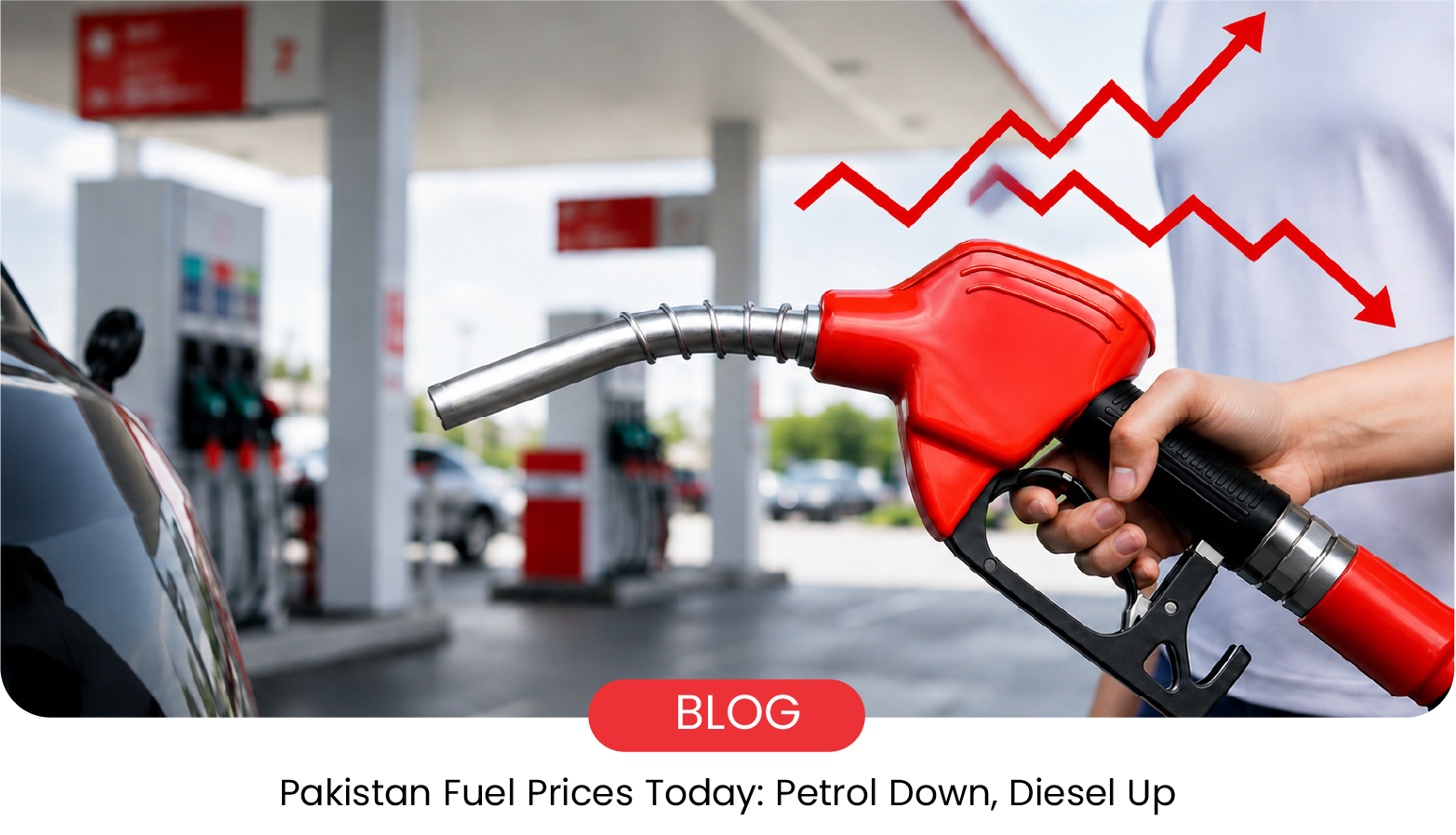
Table of Contents
- What Changed and Why It Matters
- How These Prices Affect You Right Now
- The Bigger Picture: Global Oil and Local Reality
- Who Wins and Who Loses
- What the Daily Pricing System Really Means
- Tips to Handle Rising Fuel Costs
- Looking Ahead
Fuel prices affect every part of life in Pakistan. Whether you drive to work, run a shop, or buy vegetables, the cost of petrol and diesel touches your wallet. Today, July 21, 2026, the federal government announced new rates under its fresh daily pricing system.
Petrol became slightly cheaper by 35 paisas, now at Rs315.80 per litre. High-speed diesel, however, went up by Rs5.71, reaching Rs360.06 per litre. These rates took effect immediately.
Many people feel mixed about this. The small saving on petrol brings little comfort when diesel, the fuel that moves trucks, buses, and tractors, costs more.
What Changed and Why It Matters
The Oil and Gas Regulatory Authority (OGRA) now sets prices based on a seven-day average of international oil rates. Updates will come daily, except on weekends and holidays. This replaces the old fortnightly system.
The goal is simple: pass on global price changes faster. When international oil drops, consumers should benefit sooner. When it rises, the adjustment happens without big shocks every two weeks.
But daily changes bring new worries. Families and businesses now face more uncertainty in planning budgets. One day the price might ease a little. The next, it could climb again.
How These Prices Affect You Right Now
Think about your daily routine. If you commute by bike or car on petrol, today's small drop helps a bit. Fill a 10-litre tank, and you save around Rs3.50. Nice, but hardly noticeable.
Diesel users feel the real hit. Truck drivers, bus operators, and farmers will pay more. That extra cost quickly spreads.
- Transport fares usually rise when diesel costs more. Expect higher rickshaw, bus, and goods transport charges soon.
- Kitchen items like vegetables, milk, and meat depend on diesel trucks. Prices at your local market may creep up.
- Small businesses that rely on delivery or generators face tighter margins.
This comes at a time when many households already stretch every rupee. Inflation has been tough. Fuel costs feed into almost everything else.
The Bigger Picture: Global Oil and Local Reality
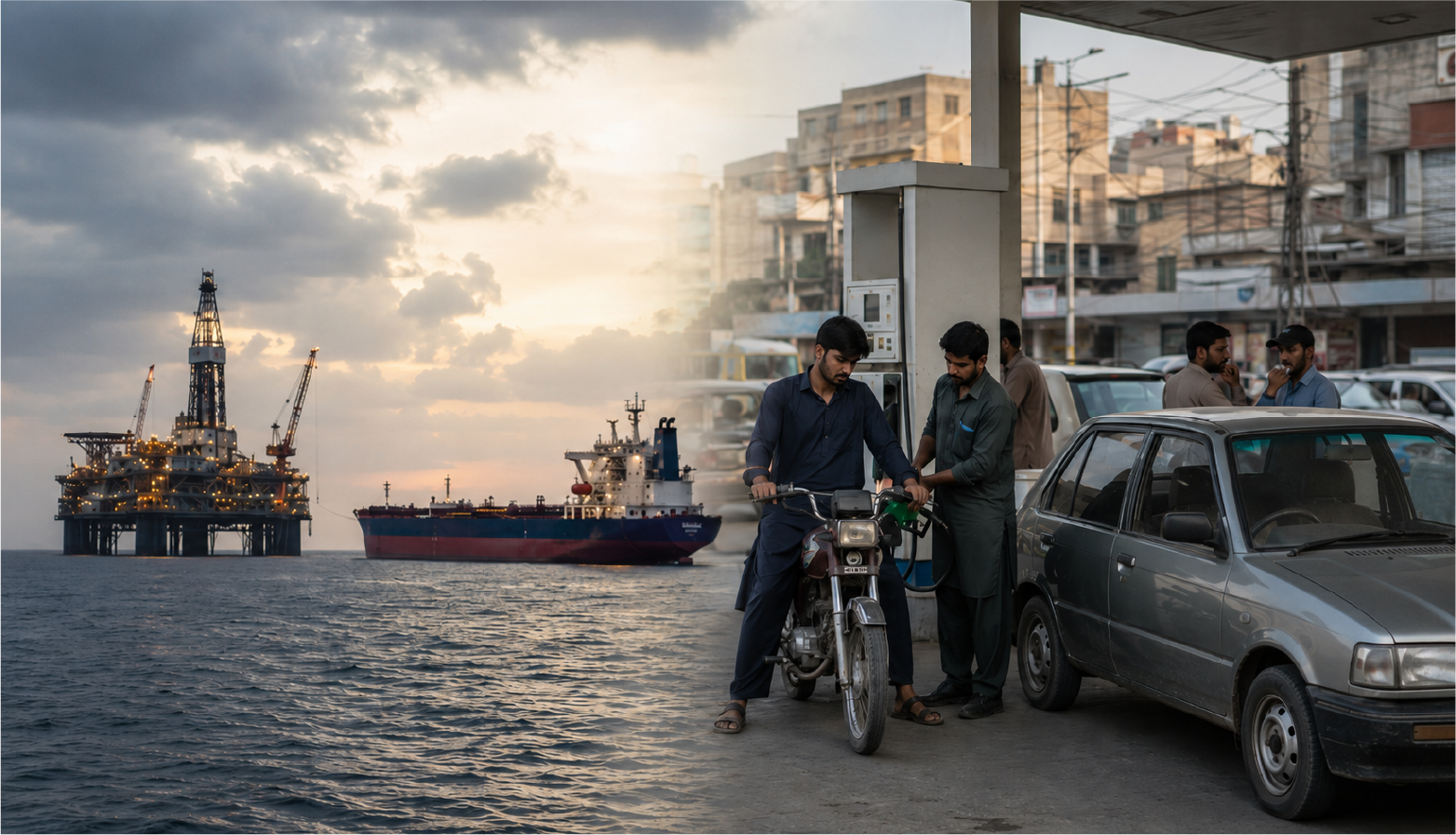
International crude oil prices hover around $88-89 per barrel for Brent crude right now. Tensions in the Middle East keep markets jumpy. Any disruption in supply routes can push prices higher quickly.
Pakistan imports most of its oil needs. This makes us sensitive to global swings. The new daily system aims to reduce delays in passing benefits or costs to consumers. In the past, critics said the government sometimes held prices steady too long, creating market distortions.
Supporters argue daily adjustments prevent hoarding and sudden big jumps. Detractors worry it adds stress for ordinary people who cannot hedge against daily fluctuations.
Who Wins and Who Loses
Petrol users (cars, bikes, some generators) get minor relief today. But it is small compared to recent trends.
Diesel-dependent sectors bear the burden:
- Agriculture: Higher costs for tractors and transport of produce.
- Industry and logistics: Increased expenses for moving goods across the country.
- Public transport: Operators pass costs to passengers.
Middle-class families in cities like Karachi, Lahore, and Islamabad feel it through higher commuting and grocery bills. Rural areas see it in farming inputs and market prices.
What the Daily Pricing System Really Means
This shift marks a bigger policy change. By linking local prices more closely to international markets, the government wants transparency and less room for manipulation. No more waiting two weeks for adjustments.
Yet it demands more awareness from consumers. You will need to check prices regularly. Apps and OGRA's website will become important tools.
For businesses, it means tighter cash flow management. Fixed contracts might need frequent reviews. Families may adjust spending habits, maybe fewer unnecessary trips or more carpooling.
Tips to Handle Rising Fuel Costs
You cannot control global oil prices, but you can protect your budget:
- Track prices daily on reliable sources like OGRA notifications.
- Plan trips wisely. Combine errands to save fuel.
- Maintain your vehicle. Proper tyre pressure and regular servicing improve mileage.
- Explore alternatives where possible public transport for longer commutes or efficient driving habits.
- Support local produce to reduce transport costs in your shopping.
Small steps add up when fuel eats a big chunk of income.
Looking Ahead
Fuel prices will continue to fluctuate with the world market. Today's changes are the first under the new system. We will see how smoothly it works in the coming weeks.
The small petrol relief offers little cheer against the diesel increase. For most Pakistanis, the focus stays on managing higher living costs. Transport and food prices remain key worries.
The government faces the challenge of balancing economic stability with people's daily struggles. Transparent pricing helps, but real relief comes when global conditions ease or local alternatives grow.
Stay informed. Adjust where you can. These price movements remind us how connected our daily lives are to events far beyond our borders. For more updates, visit DrivePK.com
Tags
Share this article
About the Author

Najeeb Khan
Automotive enthusiast and writer
Comments (0)
Login Required
You need to be logged in to comment on this article.
No comments yet. Be the first to share your thoughts!
Related Articles
Karachi Link Road Work Halted Over KCR Land Dispute
Karachi’s Natha Khan Link Road promised faster commutes, but a land dispute between KMC and Pakistan Railways now clouds its opening.

DrivePK Sell It For Me: Let Us Handle Your Car Sale
Selling your car in Pakistan is time-consuming. Before using DrivePK’s Sell It For Me, verify its process, fees, and handover rules first.
33 Karachi Traffic Signals Fail Amid Cable Theft
Karachi’s traffic chaos deepens: a report says 33 of 94 signals are down, with cable theft blamed—though the figures remain unverified.