Ghauri Advocates for Rickshaw Drivers: Policy Impacts
Ghauri champions rickshaw drivers' rights in Pakistan, tackling tough transport policies that burden them and advocating for fair treatment and support.
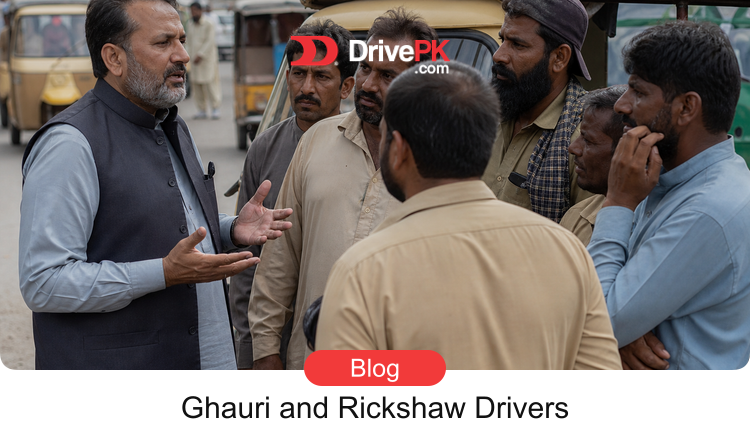
Table of Contents
- Ghauri's Role in Rickshaw Driver Advocacy
- Policy Challenges Faced by Rickshaw Drivers
- Current Challans Affecting Rickshaw Drivers
- Historical Transport Bans Impacting Rickshaw Drivers
- Breaking Down the Issues
- Why Policy Changes Affect Rickshaw Drivers
- What Rickshaw Drivers Should Consider
- Future Policy Risks for Rickshaw Operators
- Conclusion
Ghauri is emerging as a pivotal figure in the fight for rickshaw drivers' rights across Pakistan. With the introduction of stringent transport policies, the challenges faced by these drivers are intensifying, leading to significant financial and operational burdens. Understanding the nuances of these developments is crucial for both drivers and the public who rely on their services.
Ghauri's Role in Rickshaw Driver Advocacy
Ghauri, a well-known labour rights advocate, has taken the lead in representing the interests of auto-rickshaw drivers in Pakistan. He regularly negotiates with government officials and transport authorities to ensure fair treatment and sustainable working conditions for tens of thousands of drivers. His advocacy highlights the struggles of this essential workforce, which comprises a significant part of Pakistan's urban transport ecosystem (Industry sources confirm Ghauri's growing influence in this arena).
Policy Challenges Faced by Rickshaw Drivers
Rickshaw drivers are currently grappling with a range of policy challenges that threaten their livelihoods. Government regulations have become increasingly stringent, leading to fines and transport bans that restrict where rickshaws can operate.
For instance, in Lahore, the Punjab government implemented a ban on Qingqi rickshaws on five major roads as of January 2023. This decision was motivated by a desire to reduce air pollution and improve traffic conditions. Similarly, Karachi has enforced a complete ban on rickshaws along I.I. Chundrigar Road and Sharea Faisal, effective from March 2023. These bans significantly limit the operational routes available to drivers, affecting their daily earnings.
Current Challans Affecting Rickshaw Drivers
Financially, the situation is dire. A recent report indicates that the average daily income of taxi and rickshaw drivers has dropped by approximately 22.9 percent due to operational restrictions, fuel price shocks, and the suspension of CNG supplies (Industry sources). Challans, or fines, imposed on rickshaw drivers for various infractions exacerbate the financial strain, leading many to question the sustainability of their businesses.
Historical Transport Bans Impacting Rickshaw Drivers
Historically, transport bans have had devastating effects on rickshaw drivers' livelihoods. Past bans in major cities often resulted in immediate income loss and increased unemployment within the sector. As these policies continue to evolve, the impact on drivers grows more pronounced, pushing many to operate illegally or abandon the profession entirely.
Breaking Down the Issues
The regulatory landscape for rickshaw drivers is fraught with challenges. Increasing operational costs, driven by rising LPG prices and fuel prices, have made it difficult for drivers to maintain profitability. Moreover, frequent changes in transport policy leave drivers uncertain and vulnerable to sudden enforcement actions.
Rickshaw policy issues in Pakistan are not just a burden for drivers; they also affect passengers who depend on affordable transport options. With fewer rickshaws on the road due to bans and fines, passengers may face longer wait times and potentially higher fares.
Why Policy Changes Affect Rickshaw Drivers
Recent government regulations have shifted dramatically, directly impacting the operations of rickshaw drivers. The increasing enforcement of transport bans, including those in Lahore and Karachi, means that drivers must navigate more restrictions while trying to earn a living. These policies are often enacted without adequate consultation with the affected communities, leading to a disconnect between the government and the drivers who keep urban transport functioning.
What Rickshaw Drivers Should Consider
For rickshaw drivers, staying informed about policy changes is crucial. Engaging with advocacy groups, such as those led by Ghauri, can provide essential support and solidarity. Moreover, drivers should consider diversifying their income streams or exploring alternative transport options to mitigate the risks associated with these restrictive policies.
Future Policy Risks for Rickshaw Operators
Looking ahead, rickshaw operators face potential future policy shifts that could further jeopardize their livelihoods. With ongoing discussions about urban transport reforms, there is a risk that additional bans or restrictions will be put in place, particularly as cities attempt to address congestion and pollution. It’s vital for drivers and their advocates to remain vigilant and proactive in influencing these policies before they are enacted.
Conclusion
Ghauri's advocacy is crucial for the rights of rickshaw drivers in Pakistan as they navigate an increasingly challenging regulatory environment. The implications of current and future transport policies could reshape the landscape of urban transport, affecting both drivers and passengers alike. It is essential for the community to rally behind these drivers, not only to support their livelihoods but also to ensure that affordable transport remains accessible for all.
For more updates, visit DrivePK.com
Tags
Share this article
About the Author
Dr Khan
Automotive Expert & Content Strategist
Comments (0)
Login Required
You need to be logged in to comment on this article.
No comments yet. Be the first to share your thoughts!
Related Articles
N-45 اپ گریڈ: چکدرہ–تیمرگرہ منصوبہ، مالیت 17 ارب روپے
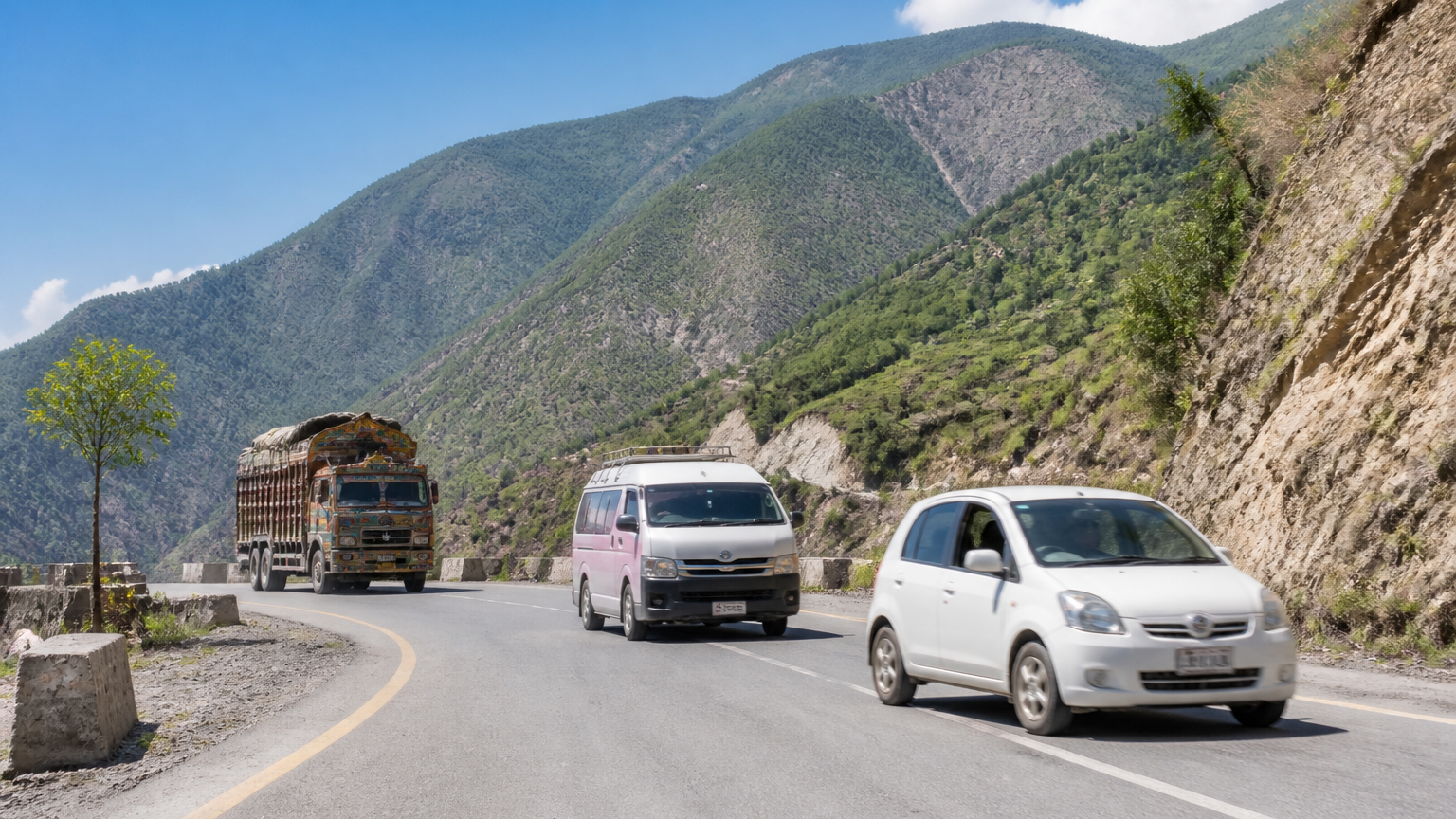
N-45 کے 17 ارب روپے کے چکدرہ–تیمرگرہ توسیعی منصوبے سے دیر اور چترال کا سفر آسان ہو سکتا ہے—لیکن تعمیرات اور آغاز کی تاریخ تاحال غیر مصدقہ ہیں۔
N-45 Upgrade: Rs17bn Chakdara–Timergara Project
N-45’s Rs17bn Chakdara–Timergara widening plan could ease Dir and Chitral travel—but construction and a start date remain unconfirmed.
کشمیر چوک اسلام آباد بند: متبادل راستے
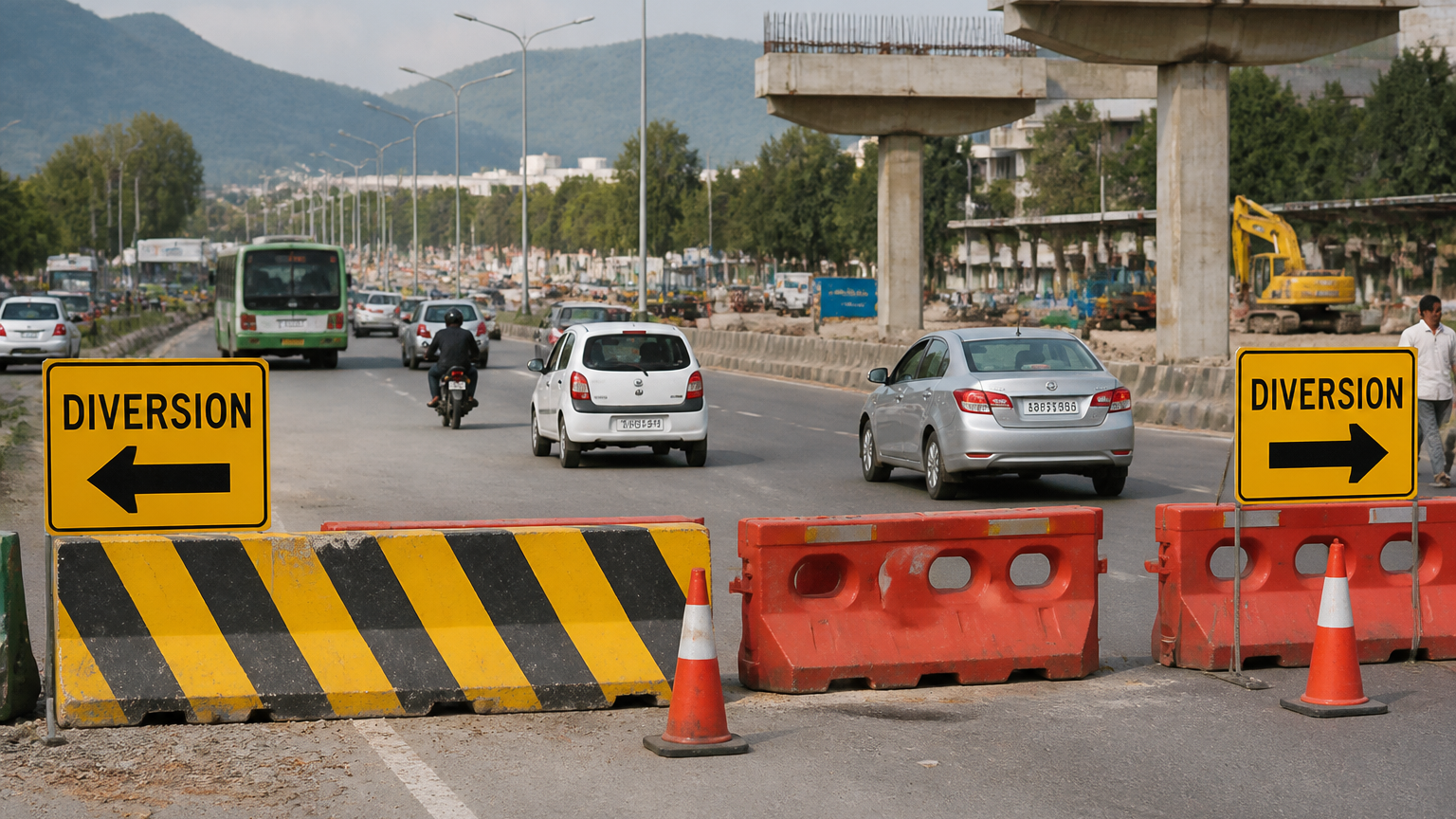
کشمیر چوک زیرِگزر کے کام کی وجہ سے مزید اطلاع تک بند ہے۔ بھارہ کہو، راول ڈیم چوک اور قریبی علاقوں کی جانب جانے والے ڈرائیورز متبادل راستے اختیار کریں۔