Govt Introduces Cashless Toll Collection on Motorways
Pakistan is set to launch a cashless toll collection system on motorways starting June 15, 2026, enhancing travel efficiency with mandatory M-Tags.
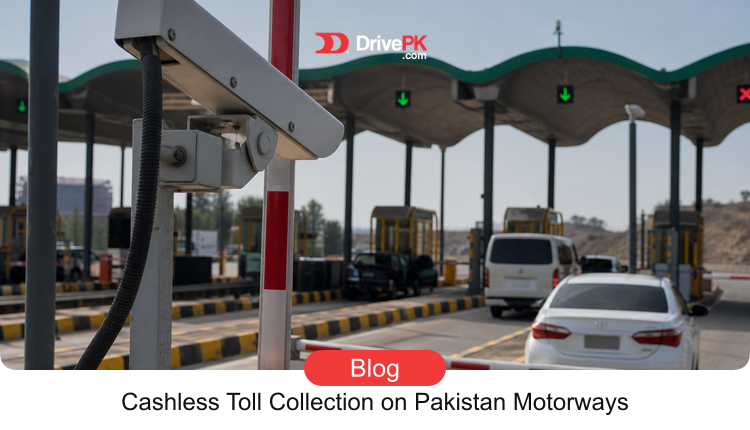
Table of Contents
- Key Features of the New Toll System
- Toll Type and Implementation
- Coverage of Major Motorways
- Benefits of Cashless Tolling
- Enhanced Travel Efficiency
- Improved Safety and Security
- Challenges and Implementation
- Infrastructure Development Needs
- Collaboration with Authorities
- Impact on Commuters
- Improved Travel Experience
- Future Implications of Cashless Tolling
- Technological Advancements in Transportation
- Smart City Developments
- Conclusion
On June 12, 2026, Federal Minister for Communications Abdul Aleem Khan announced the launch of a cashless toll collection system that will be implemented across major motorways and national highways in Pakistan. This initiative, aimed at modernizing our transportation system, is set to become mandatory for all motorists starting June 15, 2026, promising significant changes in how we travel on our motorways.
Key Features of the New Toll System
The cashless toll system in Pakistan is designed to streamline the toll collection process and improve traffic flow. Here are the main features:
- Mandatory M-Tag Requirement: All motorists will need to have an active M-Tag, which is a smart tag used for automatic toll payments.
- Immediate Implementation: The new system will be enforced starting June 15, 2026.
- Coverage Area: This system will be applicable on all major motorways and national highways, enhancing the entire motorway network.
- Improved Traffic Flow: By removing the bottlenecks of cash transactions, traffic can move more smoothly at toll plazas.
Abdul Aleem Khan has emphasized the importance of integrating this cashless system with existing infrastructure, particularly the Intelligent Transportation Systems (ITS) and the National Highways and Motorway Police, which will help manage traffic more effectively.
Toll Type and Implementation
The cashless tolling will utilize electronic tolling methods, eliminating the need for cash transactions at toll plazas. This is expected to facilitate free-flowing traffic, reducing congestion significantly. As the initiative rolls out, old M-Tags can be replaced free of cost until May 31, 2026, ensuring a smooth transition for motorists.
Coverage of Major Motorways
The new cashless toll system will cover significant routes, including the M-1, M-2, M-3, and M-4 motorways, which are vital for inter-city travel. This comprehensive coverage will enable a more efficient travel experience across the country.
Benefits of Cashless Tolling
Transitioning to a cashless toll collection system offers multiple benefits for both commuters and the broader transportation network.
- Enhanced Security: The integration with the Safe City security system will bolster safety on our highways, reducing incidents of theft and ensuring a more secure travel environment.
Enhanced Travel Efficiency
The integration of the cashless toll system with Intelligent Transportation Systems will streamline traffic management. This means reduced waiting times at toll booths and an overall increase in highway travel efficiency.
Improved Safety and Security
The safety benefits of cashless tolling are substantial. The system will be linked with surveillance and security features from the Safe City initiatives, making our highways safer for all travelers.
Challenges and Implementation
While the cashless toll collection system promises numerous benefits, its implementation is not without challenges. The transition requires significant infrastructure upgrades and reliable technology.
Infrastructure Development Needs
To effectively roll out the cashless system, investment in new infrastructure is critical. This includes updating toll booths with electronic scanning technology and expanding the network of M-Tag service centers to ensure accessibility for all motorists.
Collaboration with Authorities
Successful implementation will require close cooperation between the National Highways and Motorway Police and various government departments. This collaboration is essential to address any technical challenges and ensure that the public is well-informed about the changes.
Impact on Commuters
The new cashless toll system is set to improve the commuting experience significantly. You're likely to see a reduction in travel times and enhanced service facilities along the motorways.
Improved Travel Experience
With the cashless tolling system in place, you can expect shorter queues and faster passage through toll plazas, making your road trips less stressful and more enjoyable.
Future Implications of Cashless Tolling
The introduction of cashless tolling may pave the way for more technological advancements in Pakistan's transportation sector.
Technological Advancements in Transportation
The success of this cashless initiative could stimulate further innovations, such as mobile payment options and real-time traffic updates, making travel even more efficient.
Smart City Developments
This initiative could also contribute significantly to Pakistan's broader smart city projects, leveraging technology to enhance urban mobility and infrastructure.
Conclusion
The cashless toll collection system represents a significant leap forward for Pakistan’s motorway network. With mandatory implementation just around the corner, it offers a promising solution to the long-standing issues of congestion and inefficiency at toll plazas. If you frequently travel on major motorways, now is the time to get your M-Tag sorted and prepare for a smoother travel experience.
For more updates, visit DrivePK.com
Tags
Share this article
About the Author

Dr Khan
Automotive Expert & Content Strategist
Comments (0)
Login Required
You need to be logged in to comment on this article.
No comments yet. Be the first to share your thoughts!
Related Articles
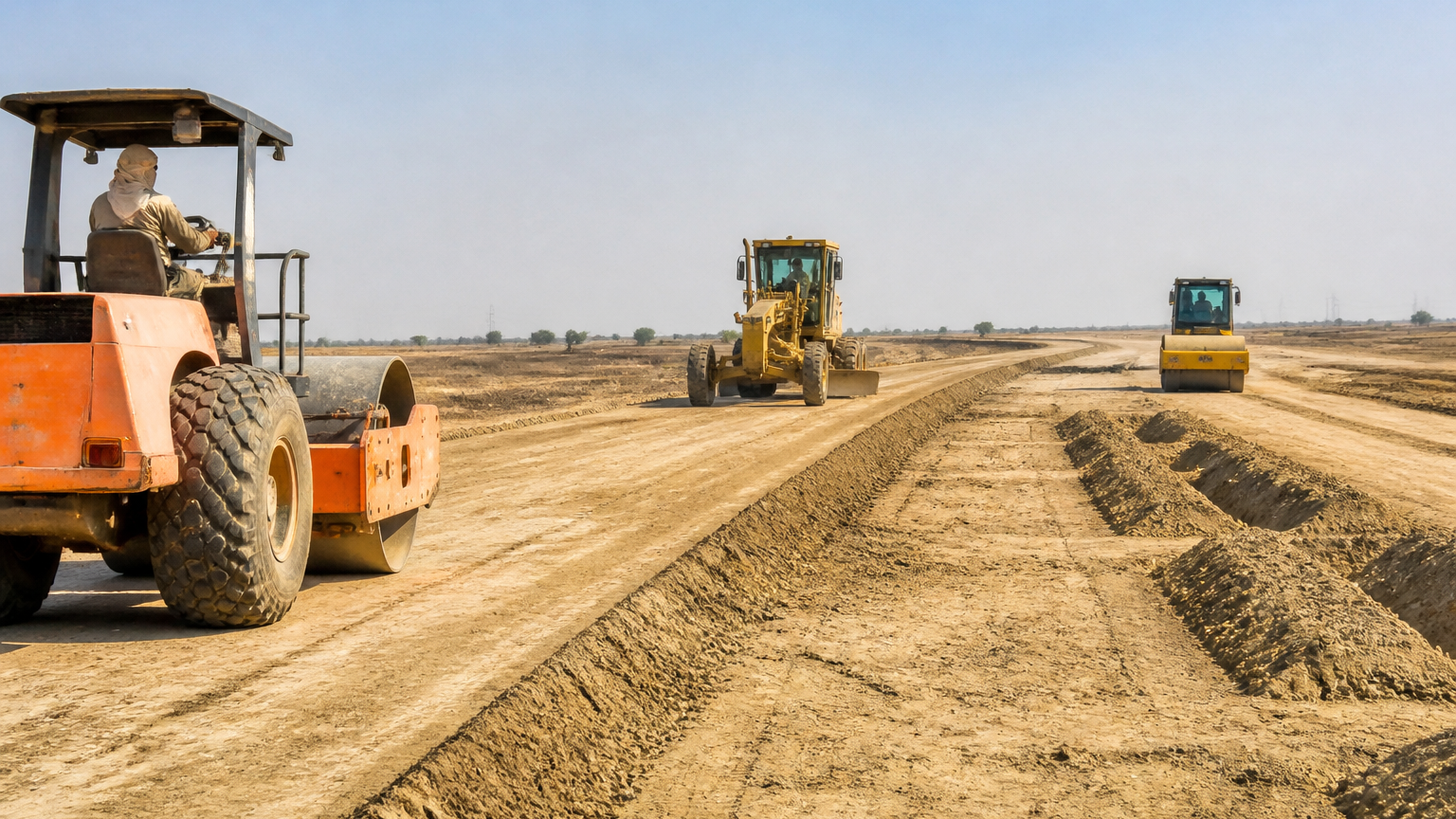
سکھر-کراچی موٹروے پر کام اگلے ماہ شروع ہوگا
سکھر-کراچی موٹروے کی تعمیر اگلے ماہ تین حصوں میں شروع ہوگی، جس سے کراچی پورٹ تک رسائی تیز ہونے کی امید ہے—تاہم منصوبے کی تکمیل کی کوئی تاریخ تاحال نہیں دی گئی۔
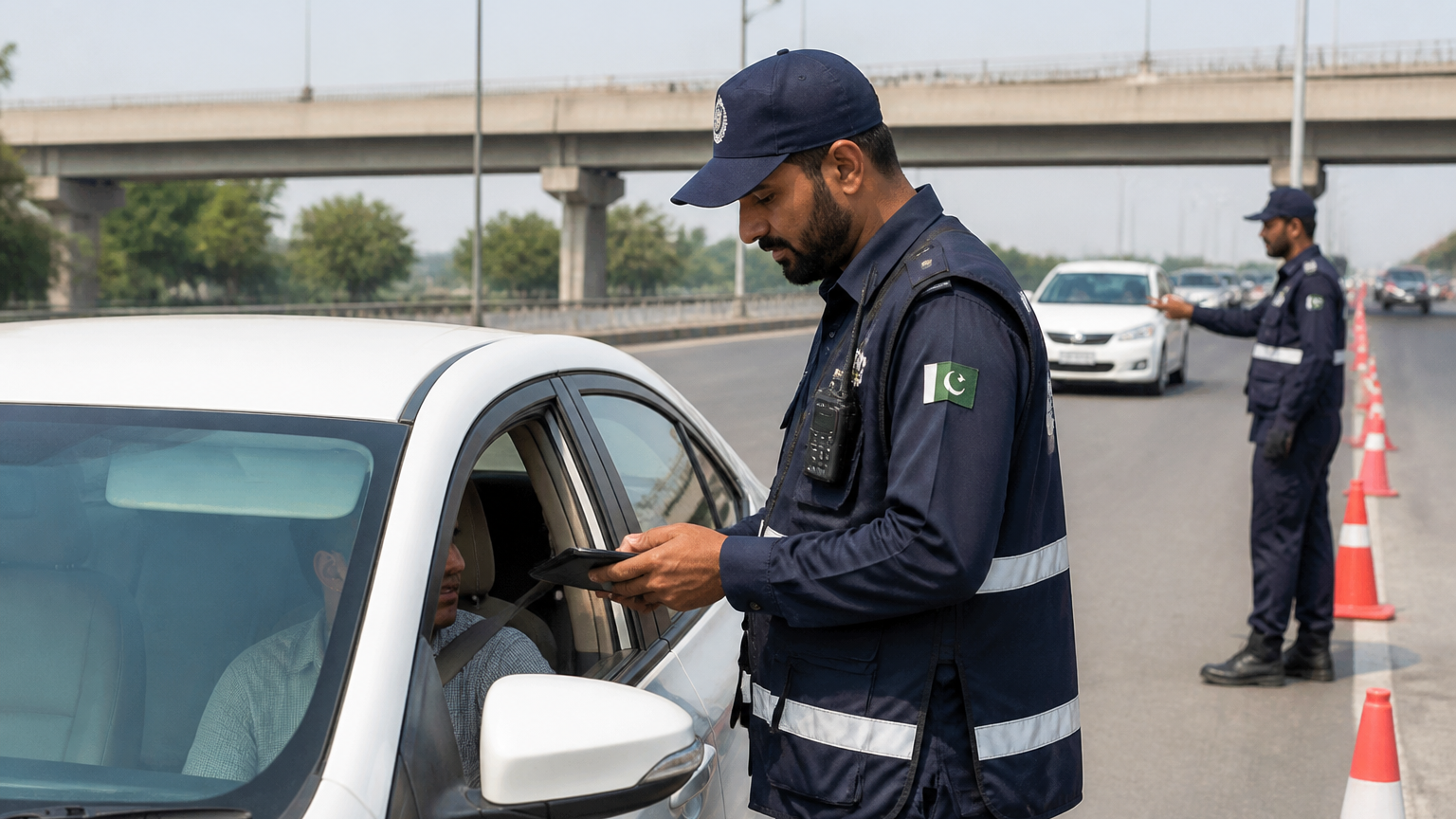
لاہور رنگ روڈ پر جرمانے 10,000 روپے تک پہنچ گئے
لاہور رنگ روڈ پر ڈرائیورز کو مبینہ طور پر 10,000 روپے تک کے جرمانے کا سامنا ہے، جن میں بغیر لائسنس ڈرائیونگ پر 5,000 روپے اور کم عمر ڈرائیونگ پر 10,000 روپے شامل ہیں۔
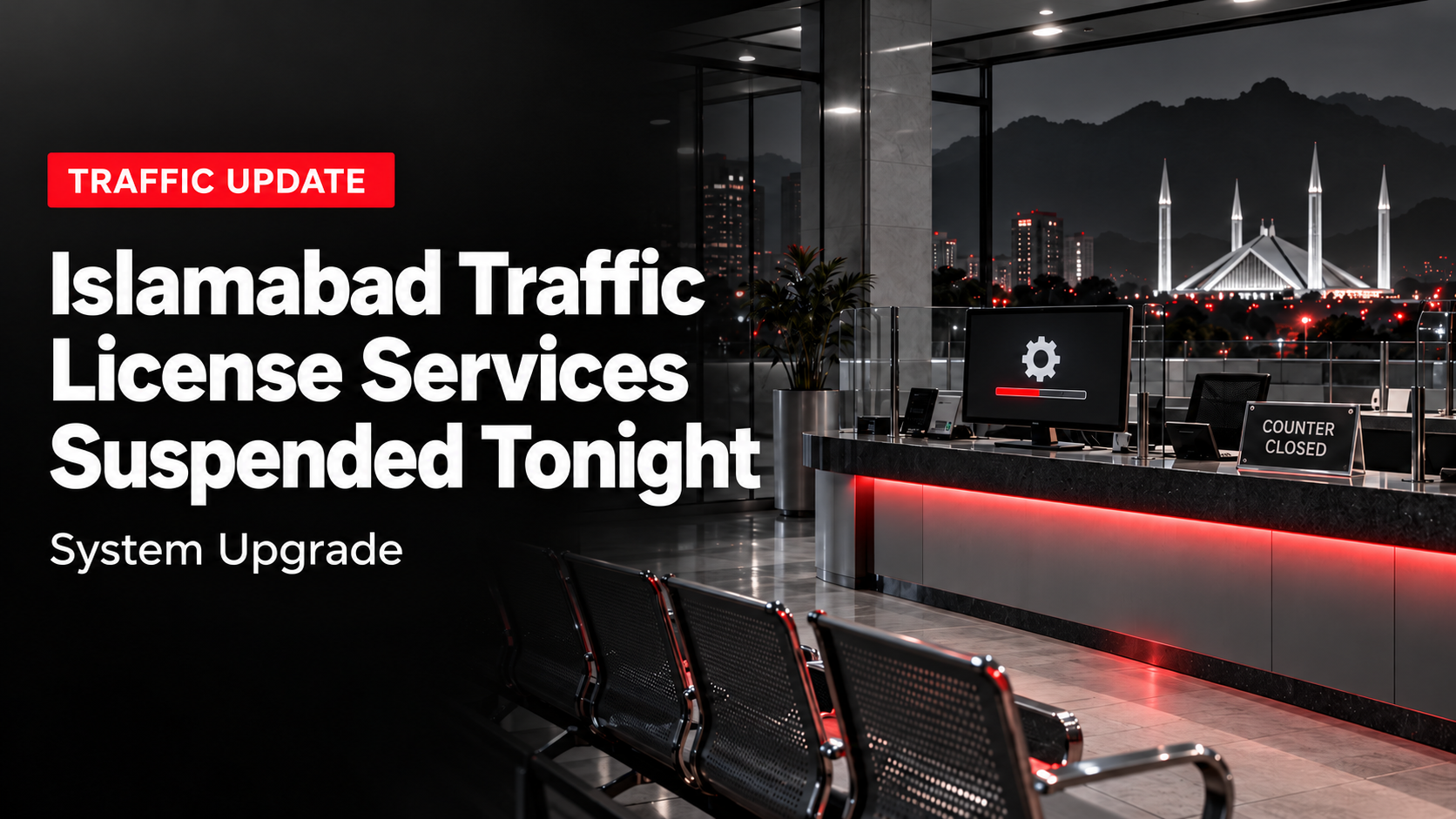
اسلام آباد ٹریفک لائسنس سروسز آج رات معطل
اسلام آباد ٹریفک لائسنس سروسز 26 اکتوبر رات 11 بجے سے 27 اکتوبر صبح 9 بجے کے بعد تک سسٹم اپ گریڈ کے باعث بند رہ سکتی ہیں—تجدید اور پرمٹس مؤخر کر دیں۔