International Car Brands in Pakistan: 1949-2026
From Bedford trucks to Chinese EVs, Pakistan’s market has grown—but do more brands mean better choices, lower costs, and stronger local production?
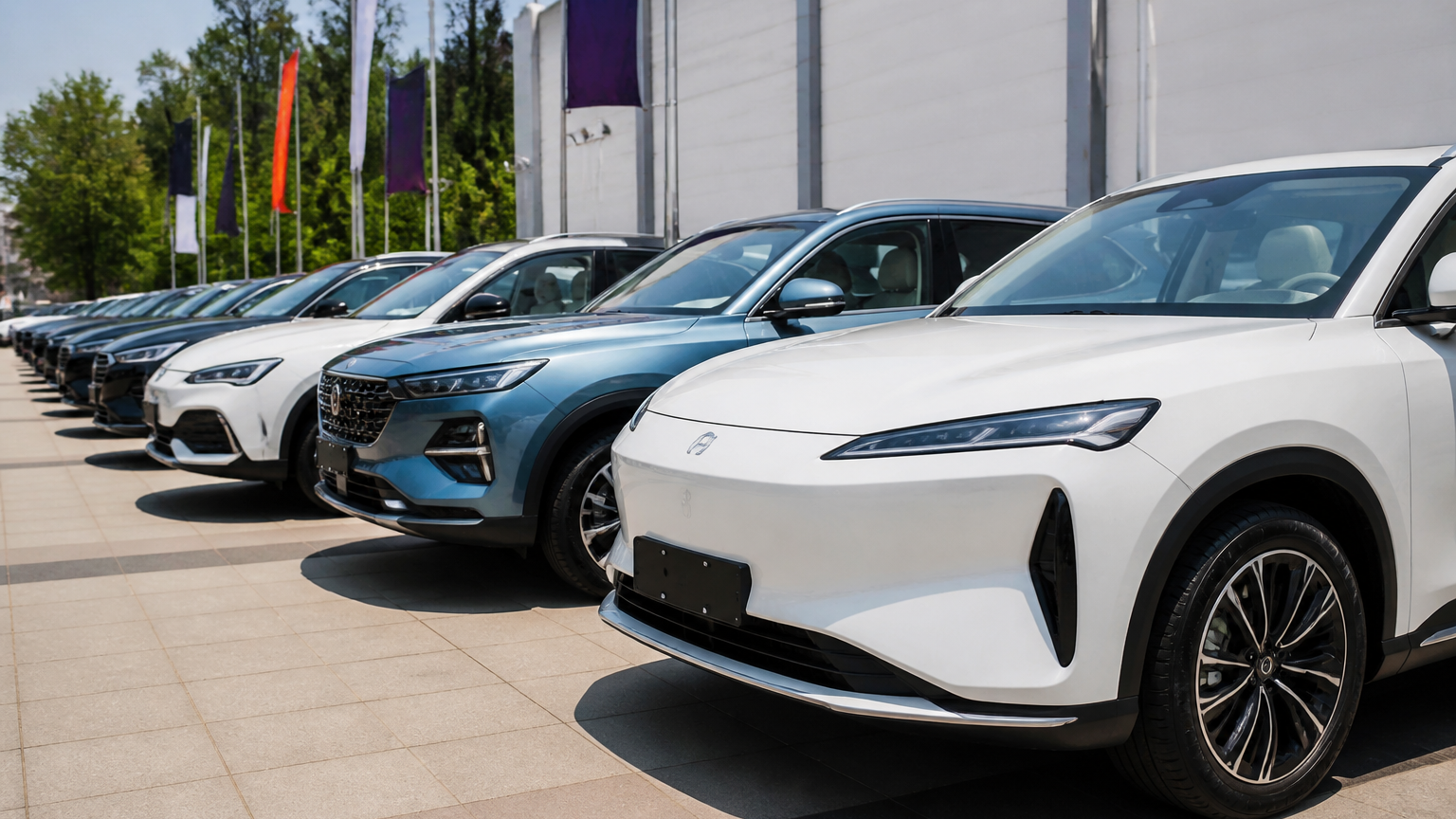
Pakistan’s car market has moved a long way from the days of Bedford trucks and Vauxhall cars in Karachi. Over time, Japanese sedans became common, Korean SUVs arrived, and Chinese electric vehicles opened a new chapter. For buyers, the real question is not just how many brands are here, but whether more badges mean better choice, lower costs, and stronger local production.
The story began in 1949, when a General Motors-linked operation set up assembly in Karachi. It put together Vauxhall passenger cars and Bedford trucks, giving Pakistan its early auto base. Ford followed in the mid-1950s through Ali Automobiles, while Shahnawaz Limited became the official distributor for Mercedes-Benz in 1958. Chrysler later entered through Haroon Industries, and Jeep assembly also appeared in the early 1960s through Kandawalla Industries.
These early ventures helped build the market, but they depended heavily on imported parts. That meant local assembly was only part of the picture.
Why Japanese Cars Took Over
The 1970s changed the market. The government nationalized several auto businesses in 1972, and Japanese brands became more popular with Pakistani buyers. Smaller, more fuel-conscious cars fit household needs better than many of the larger models already on the roads.
Suzuki became one of the biggest turning points. It started local production in 1982 through Pakistan Automobile Corporation. Pak Suzuki was later incorporated in 1983 and began commercial operations in January 1984. Models like the FX, Mehran, Khyber, Cultus and Alto made Suzuki a long-time leader in small cars.
Toyota and Honda built the next major base of the market. Indus Motor Company was formed in 1989 with Toyota and the House of Habib, and the first locally assembled Corolla came off the line in 1993. Honda Atlas Cars followed with local production in 1994, and the Civic and City later became major nameplates for family buyers.
If you want a deeper look at how today’s market is still shaped by these brands, see our coverage of top brands at Pakistan’s EV events and brands seen at Pakistan EV Fest in Multan.
New Brands, New Pressure
From the 2000s onward, the market saw more experiments. Hyundai and Kia returned through Dewan Farooque Motors, while Fiat, Chevrolet and others also tried to gain a foothold. Some models found buyers, but weak sales, financial pressure and production problems cut several projects short.
The real shift came with the Automotive Development Policy 2016-2021. It encouraged new entrants and opened the door for Chinese brands and other challengers. FAW V2 became an early Chinese locally assembled passenger car in 2017. Kia returned in 2019 through Lucky Motor Corporation, Hyundai came back through Nishat Group in 2020, and several other brands followed with SUVs, crossovers and hatchbacks.
That trend has changed the market from one led by hatchbacks and sedans to one where SUVs now play a much bigger role.
EVs Raise a New Question
Pakistan’s newest wave of brands has focused on electric and hybrid vehicles. BYD’s formal launch, along with other Chinese EV names, shows how fast the market is changing. Some brands have arrived with imported vehicles, while local assembly plans are still developing.
That difference matters for buyers. A launch event does not always mean local production is ready. People should check warranty support, parts supply, service coverage, resale strength and charging access before booking a new model.
More Brands Do Not Always Mean More Local Manufacturing
Pakistan now has more international car brands than ever before. But the key test is not the number of logos on showroom walls. The real test is how much is made here, how much depends on imports, and how easy it is to own the car after purchase.
For buyers who want safer long-term ownership, Toyota, Honda and Suzuki still offer the most mature service networks. For newer brands, especially EVs, careful research is the smart move.
Pakistan’s auto story has reached a more crowded and competitive stage. The next step is not just adding more brands, but building stronger local support behind them.
Explore DrivePK services
Buying or selling a vehicle? Explore DrivePK services, including car inspection, Sell It For Me and Featured Listings, and choose the option that fits your needs.
For more updates, visit DrivePK.com
Share this article
About the author
Dr Khan
Automotive expert and content strategist
Comments (0)
Sign in required
Sign in to comment on this article.
No comments yet. Be the first to share your thoughts!