Jensen Huang Exit: Nvidia Self-Driving Car Future
Jensen Huang’s Nvidia exit raises doubts over its self-driving push—but the company says auto programmes and product plans remain on track.
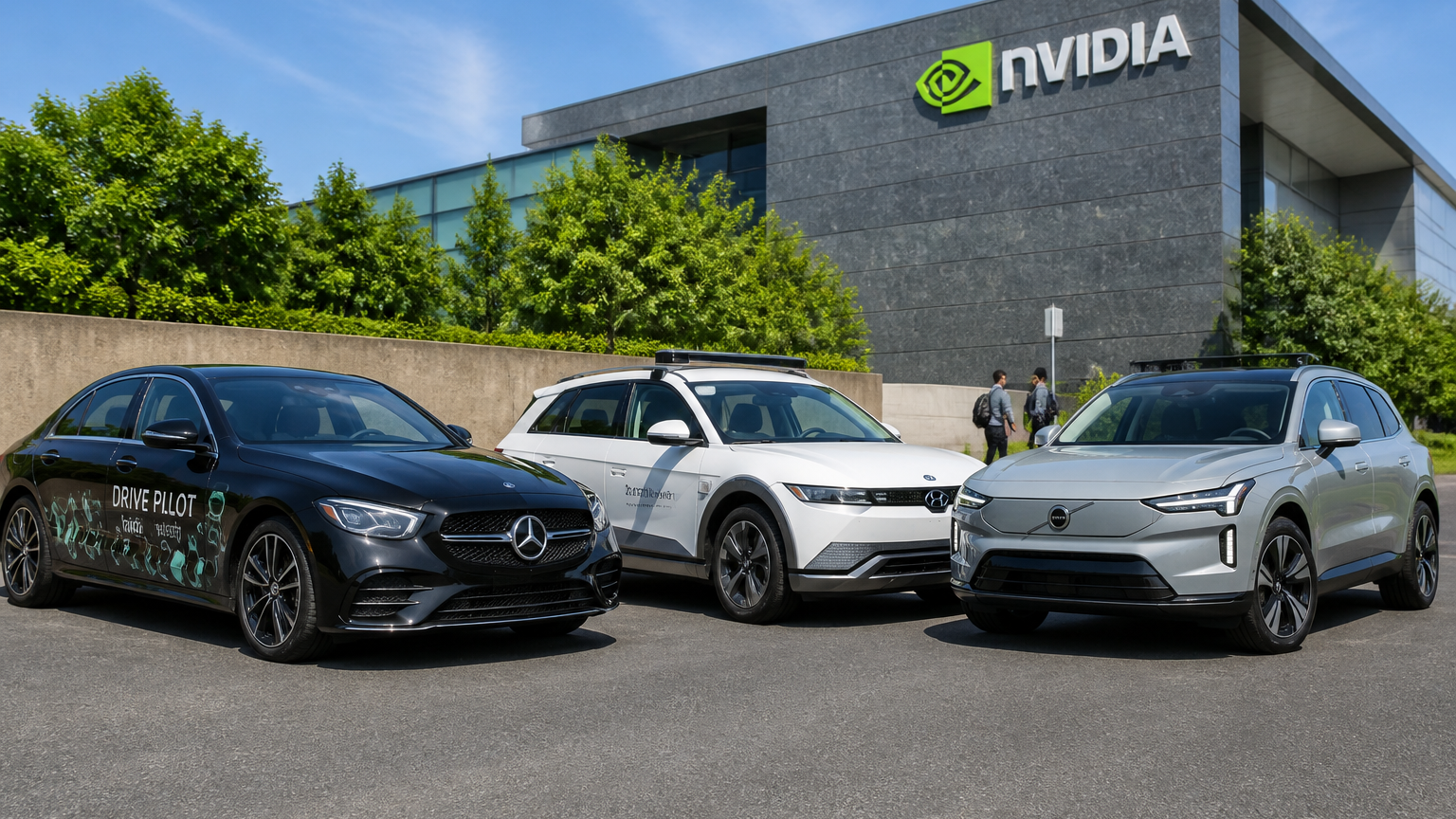
Table of Contents
- Why automakers are watching
- The business is growing, but it is still small
- Mercedes-Benz, Hyundai and Volvo add to the pressure
- What comes next
- Explore DrivePK services
Jensen Huang’s resignation after 33 years at Nvidia has raised a fresh question for carmakers and investors: will the company keep pushing as hard into self-driving and software-defined cars without the man who championed that bet?
Nvidia said Huang has stepped down as chief executive, president and board member. The company has named chief financial officer Colette Kress as interim CEO while the board looks for a permanent replacement. Harvey C. Jones is now board chair. Nvidia also said its operations, customer commitments and product plans will continue without interruption.
That last point matters for automakers. For now, there is no sign that Nvidia’s existing vehicle programmes are being cancelled or delayed. But the leadership change still matters because Nvidia’s auto business has been closely tied to Huang’s long-term vision.
Why automakers are watching
Nvidia’s role in cars is not limited to one chip inside the dashboard. It sits across three parts of the car-tech stack.
First, it supplies in-car computing systems that process data from cameras, radar and other sensors. These support driver-assistance features and, in more advanced setups, automated driving.
Second, it provides AI computing power that carmakers use to train driving software on huge amounts of road data.
Third, it offers simulation tools that let engineers test road scenes, traffic and rare edge cases before putting systems into real vehicles.
That is why changing suppliers is not simple. If a car platform is already built around one computer architecture, switching late in development can mean new software, sensor changes, safety testing and regulatory work. In other words, existing deals are hard to unwind.
The business is growing, but it is still small
Nvidia’s auto revenue is rising fast, but it is still a small part of the company.
For fiscal 2026, automotive revenue reached about $2.3 billion, up 39% from the year before. Nvidia’s total revenue for the same year was about $215.9 billion, while data-centre revenue was around $193.7 billion.
That means automotive made up roughly 1.1% of total revenue.
The number is still important because it shows growth. But it also shows where Nvidia’s money mainly comes from today: data-centre AI, not cars.
There is one catch. Reported automotive revenue does not always show the full value of Nvidia’s work with carmakers. Some AI infrastructure and development tools used by auto customers may appear in other parts of the business. So the car side may matter more strategically than the headline revenue suggests.
Mercedes-Benz, Hyundai and Volvo add to the pressure
Nvidia’s auto push is not just a theory. It already has major partners.
Mercedes-Benz has expanded work with Nvidia on future automated-driving technology, linking Mercedes’ MB.OS with Nvidia’s Hyperion computing setup, Alpamayo software and Halos safety tools. The companies already work together on MB.DRIVE ASSIST PRO, a supervised driver-assistance system.
Hyundai Motor Group has also deepened its collaboration with Nvidia on advanced driver-assistance systems and future robotaxi work.
Volvo has said it plans to use Nvidia’s Hyperion architecture and related AI software in future automated-driving development.
These programmes are at different stages, and not every global technology plan will appear in Pakistan. Buyers should not assume that a Mercedes, Hyundai or Volvo sold here will have the same hardware or features as a model offered in a major overseas market.
What comes next
The key question is not whether Nvidia will abandon cars overnight. It is whether the next CEO keeps pushing the business at Huang’s pace.
Possible paths include focusing on production-ready partnerships, or keeping a wider push into robotaxis and commercial vehicles. No permanent successor has been named yet, so there is no confirmed shift in strategy.
For rivals such as Qualcomm and Mobileye, the change may open a window to pitch alternative platforms. But current Nvidia-based programmes are unlikely to change quickly because replacing a vehicle computer system is costly and slow.
The next major signal will come when Nvidia reports its fiscal 2027 third-quarter results on November 17. Even then, one earnings call will not settle the long-term picture.
For Pakistani car buyers, the short-term impact is likely limited. The bigger issue is whether future global vehicles get better safety systems, stronger software support and more reliable updates — or whether this leadership change slows that path.
Explore DrivePK services
Buying or selling a vehicle? Explore DrivePK services, including car inspection, Sell It For Me and Featured Listings, and choose the option that fits your needs.
For more updates, visit DrivePK.com
Tags
Share this article
About the Author

Dr Khan
Automotive Expert & Content Strategist
Comments (0)
Login Required
You need to be logged in to comment on this article.
No comments yet. Be the first to share your thoughts!
Related Articles
Jensen Huang کا اخراج: Nvidia کا خودکار ڈرائیونگ کاروں کا مستقبل
Jensen Huang کے Nvidia سے رخصت ہونے نے خودکار ڈرائیونگ کے منصوبوں پر سوالات اٹھا دیے ہیں، تاہم کمپنی کا کہنا ہے کہ آٹو پروگرامز اور مصنوعات کے منصوبے بدستور شیڈول کے مطابق ہیں۔
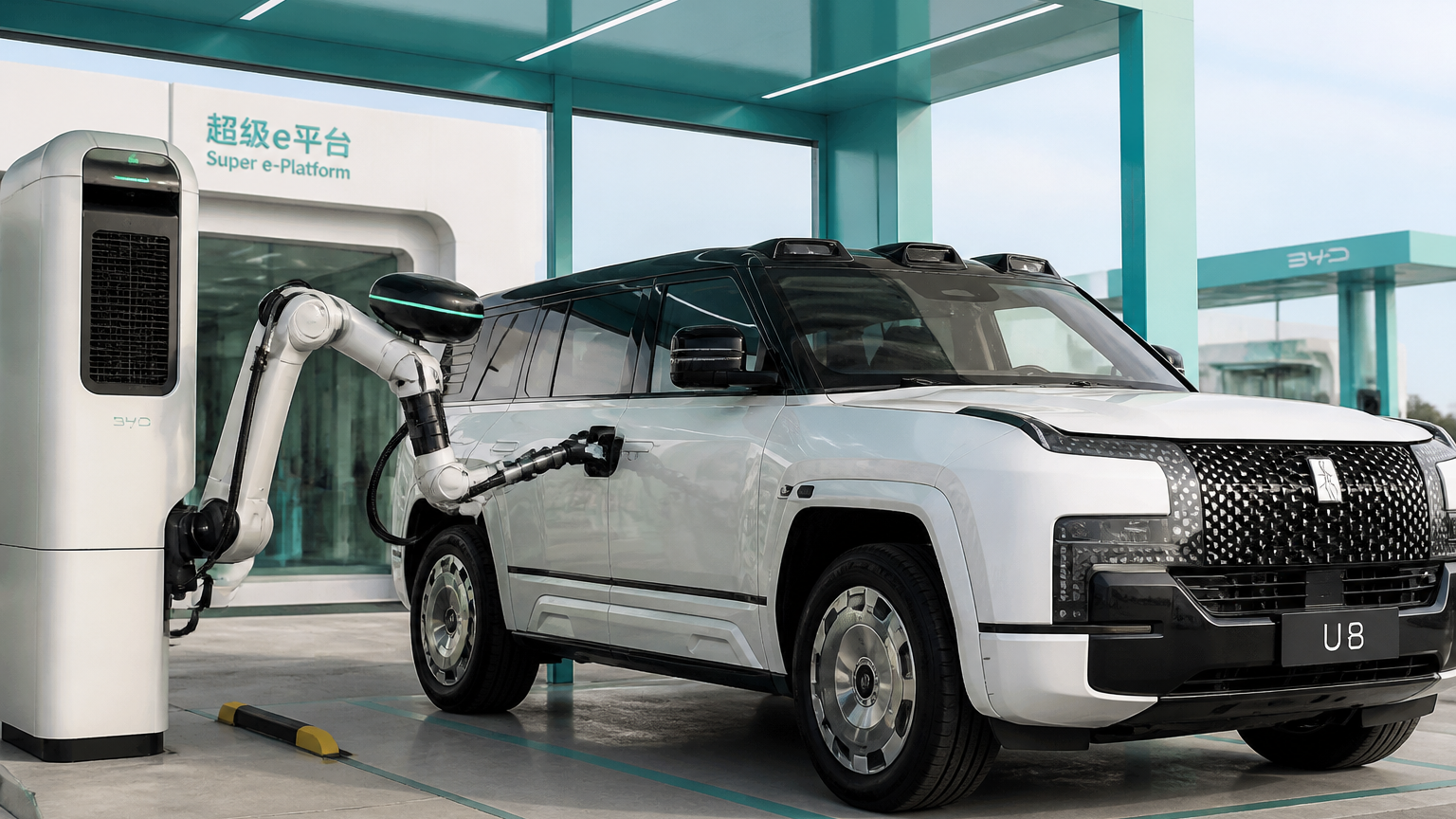
BYD روبوٹ EV چارجر 5 منٹ میں چارجنگ فراہم کرتا ہے
BYD نے ابو ظہبی میں ایک ایسے روبوٹ کی نمائش کی ہے جو گاڑی پارک کرتا ہے، پورٹ کھولتا ہے، پلگ لگاتا ہے اور ہاتھ لگائے بغیر EV کو چارج کرتا ہے—تاہم یہ اب بھی ایک نمائش ہے، جس کے لیے نہ لانچ کی تاریخ ہے اور نہ ہی پاکستان کے منصوبے۔