Karachi's Rs 4.2 Billion Road Upgrade Plan: Fixing Traffic and Sewerage in 2026
Excerpt: Karachi's city officials just approved a big Rs 4.2 billion plan to fix up four key roads. This includes better traffic, sewer repairs, and green spaces on Rashid Minhas, S.M. Taufiq, Sir Shah Suleman, and Pehalwan Goth Roads. Mayor Wahab wants quick action, with more projects wrapping up soon.
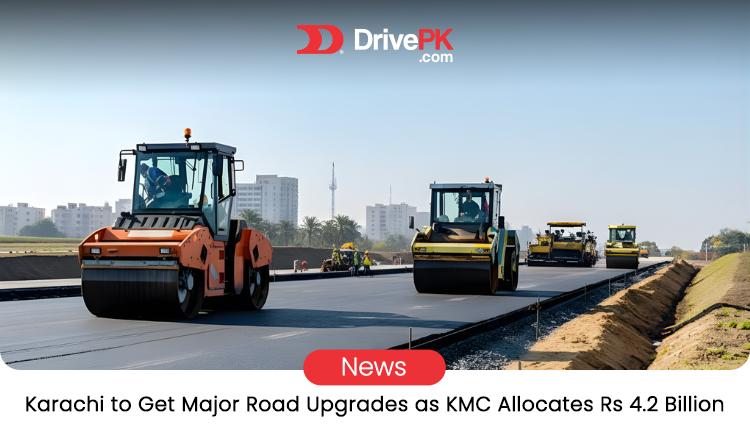
Table of Contents
- Breaking Down the Four Roads
- Why Karachi Needs This Now
- Other Projects on the Horizon
- What It Means for Everyday Life
Karachi has always been a bustling mess of traffic and broken streets. Anyone who's driven here knows the frustration of potholes, overflowing sewers, and endless jams. But things might change soon. The Karachi Metropolitan Corporation (KMC) has given the go-ahead for a Rs 4.2 billion plan to upgrade four major roads. This isn't just patching holes—it's a full revamp to make driving smoother, the city prettier, and infrastructure last longer.
The project targets roads that handle heavy daily traffic. Think of it as giving these corridors a fresh start. Officials say the work will fix old sewer problems, add green belts for some shade and beauty, improve lane markings to cut down on accidents, and boost connections between neighborhoods. And Mayor Murtaza Wahab is pushing hard to get tenders out fast, and work started without delays.
Breaking Down the Four Roads
Let's look at each road one by one. The biggest chunk of money, Rs 1.9 billion, goes to Pehalwan Goth Road. This stretch is vital for linking eastern parts of the city, and it's been in rough shape for years. The upgrade will turn it into a proper dual carriageway with service lanes, fixing drainage to stop flooding during rain. Imagine no more waterlogged streets after a downpour; that's the goal.
Next up is Rashid Minhas Road, getting Rs 1.12 billion. This busy artery runs past malls and residential areas, often clogged with shoppers and commuters. Plans include full rehabilitation, better lighting, and traffic layouts to speed things up. It's about time, considering how many people rely on it daily from Millennium Mall to Nagan Chowrangi.
Sir Shah Suleman Road gets Rs 574 million. This road connects key spots in the north and has suffered from neglect, with broken surfaces and poor drainage. The revamp will include sewer fixes and green additions, making it safer and more pleasant for drivers and pedestrians alike.
And then there's S.M. Taufiq Road, allocated Rs 429 million. It's a shorter but important link in the industrial zones, plagued by the same issues: bad roads and overflowing sewers. Upgrades here will focus on smooth surfaces and better flow, helping trucks and workers move without hassle.
These aren't random picks. These roads are the main corridors that affect millions. Fixing them could ease the daily grind for everyone from office workers to delivery drivers.
Why Karachi Needs This Now
Karachi's infrastructure has been crumbling for decades. Heavy rains turn streets into rivers because sewers can't handle it. Traffic is a nightmare—hours lost in jams that hurt the economy. Add water shortages and damaged roads from floods, and you see why this plan matters.
The city has grown fast, but fixes haven't kept up. Broken roads lead to more accidents, pollution from idling cars, and frustration for residents. This Rs 4.2 billion injection aims to tackle that head-on. By adding green belts, it's also thinking about the environment—more trees mean cleaner air in a polluted megacity. And sustainable designs should make these upgrades last, not just a quick fix.
But it's not all smooth. Past projects have faced delays from funding issues or bad weather. Mayor Wahab knows this and has ordered quick tenders to keep the momentum. If done right, this could spark more investment in the city.
Other Projects on the Horizon
This road plan is part of a bigger wave of work in 2026. The Karimabad Underpass, a long-awaited fix for bottlenecks in the busy Meena Bazaar area, opens in early February. It should cut wait times for thousands crossing there daily.
The Baloch Colony Expressway wraps up by January 31, including new drainage and lighting to make it a real expressway. That's great for folks heading to the airport or industrial zones.
And don't forget the University Road BRT Red Line. This bus rapid transit system, stretching from Malir to Numaish, aims for completion by July. It could change public transport, giving affordable rides to students and workers along the route. Construction is underway, with sections already progressing.
These timelines show the city is serious about revival. Mayor Wahab has tied them to broader goals, like better economic growth and livability.
What It Means for Everyday Life
In the end, these projects could transform Karachi. Smoother roads mean less time stuck in traffic, fewer breakdowns from potholes, and safer drives. Fixed sewers reduce health risks from dirty water spilling over. Green belts add a touch of nature to the concrete jungle.
But success depends on execution. Residents have seen promises before. If the work stays on track, 2026 could mark a turning point. For now, it's a step forward in making Karachi work better for its people.
And that's worth watching. If you're in the city, keep an eye on these sites. Change is coming, one road at a time.For more updates, visit DrivePK.com
Tags
Share this article
About the Author

Najeeb Khan
Automotive enthusiast and writer
Comments (0)
Login Required
You need to be logged in to comment on this article.
No comments yet. Be the first to share your thoughts!
Related Articles
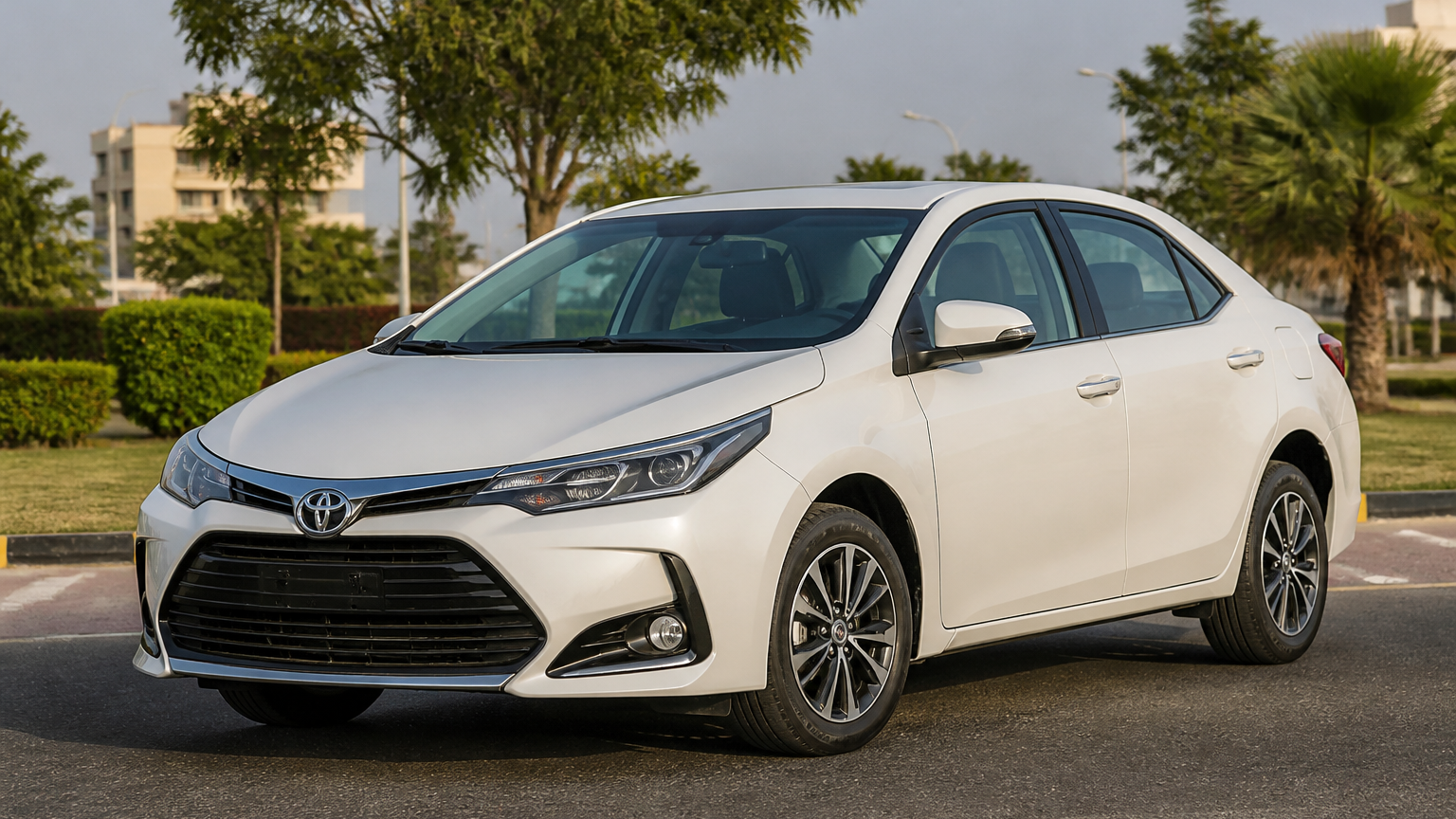
Toyota Corolla Discontinued Before Pakistan Facelift
Pakistan’s pre-facelift Toyota Corolla is reportedly discontinued, hinting at a facelift. Prices, bookings, specs and launch timing remain unconfirmed.
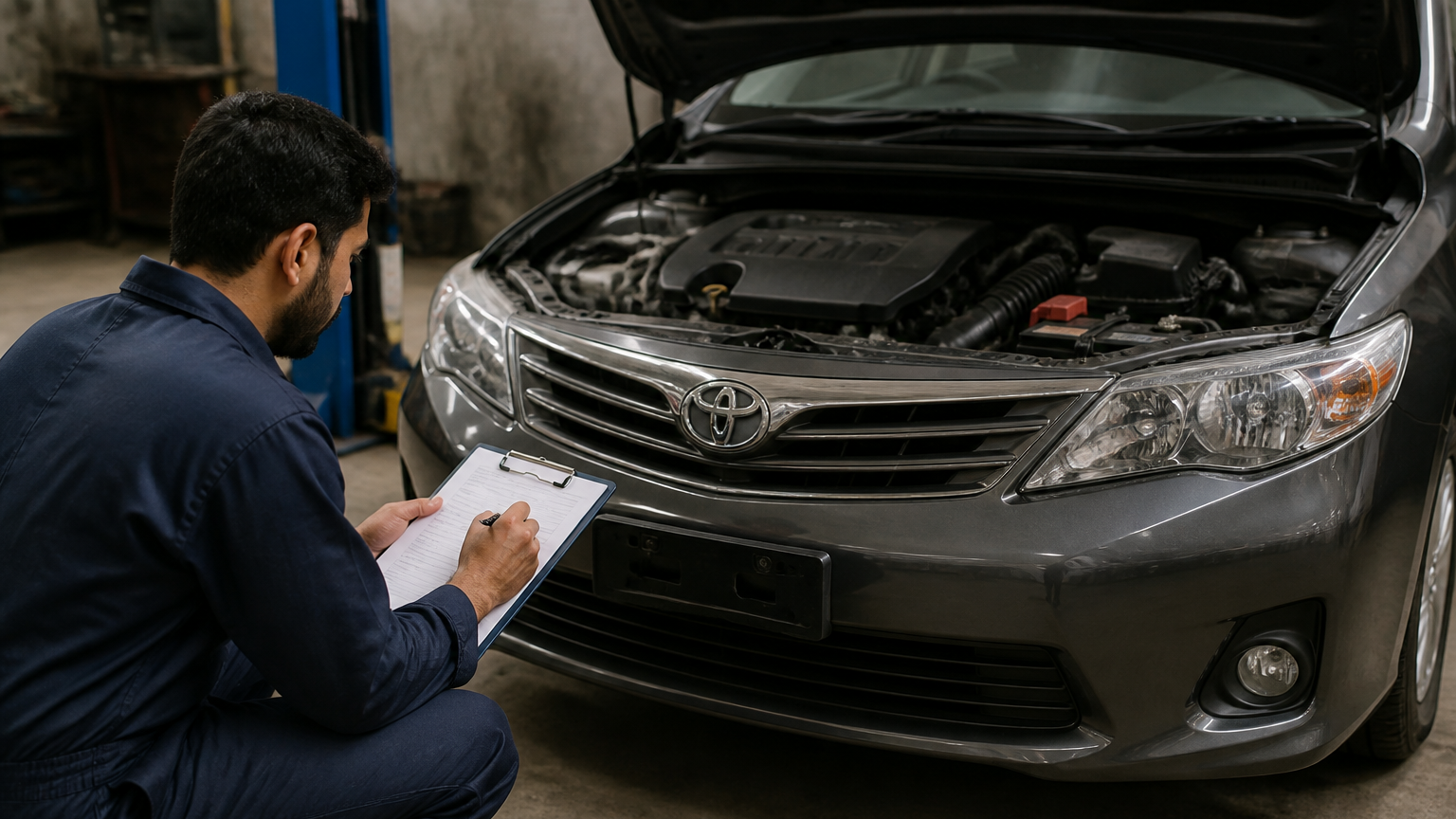
DrivePK Car Inspection Reports: Buy with Confidence
Buying a used car in Pakistan? A pre-purchase inspection can reveal hidden damage, engine issues and red flags before you pay—but it’s not enough alone.
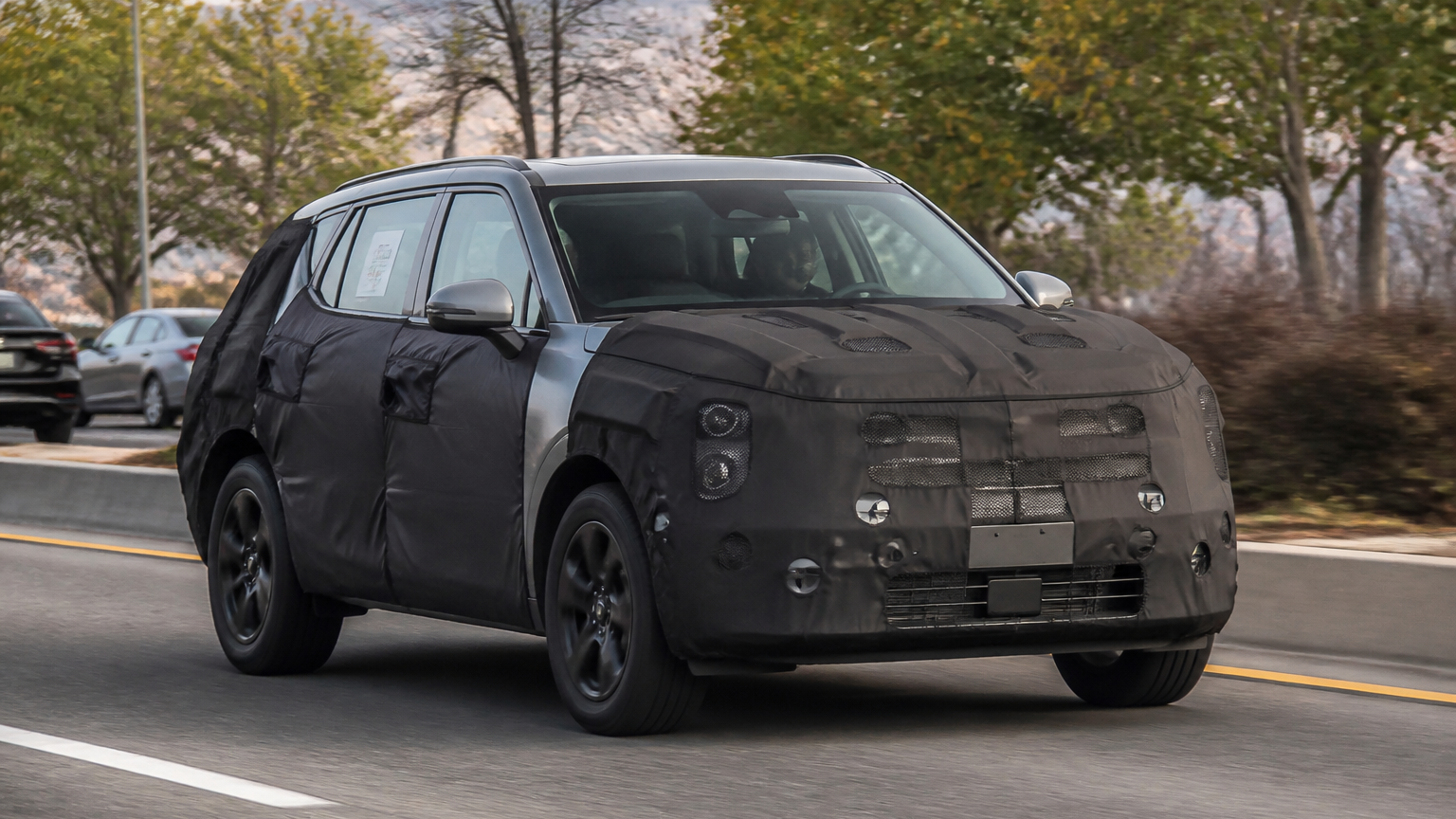
2028 Kia Sportage: Major Design Changes Spotted
Kia’s next Sportage may get a bolder, boxier redesign, with an upright profile, sharper lines, wider grille and split headlights hinted by spy shots.