Karachi Traffic Police Launch Mobile App for E-Challans: What Drivers Need to Know
Karachi Traffic Police will soon roll out a mobile app for officers to snap photos of violations and issue e-challans. This adds to their AI camera system from 2025, aiming for fairer and safer roads. Trial starts soon for select officers.
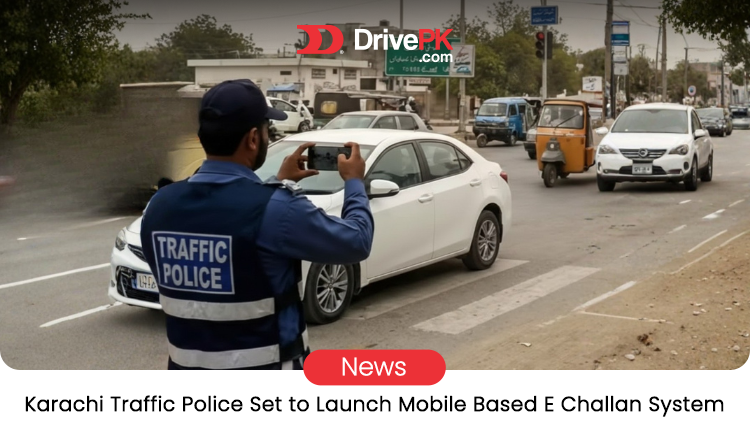
Table of Contents
- What's the Mobile App All About?
- How Does It Tie In with AI Cameras?
- Why This Matters for Drivers
- The Trial and What's Next
- Real Stories from the Streets
- Tips to Avoid E-Challans
- Conclusion
Traffic in Karachi can be a nightmare. Horns blaring, cars weaving, and rules often ignored. But things might get better soon. The traffic police are adding a mobile app to their toolkit. It lets officers issue fines right from their phones. This isn't just talk, it's happening now.
What's the Mobile App All About?
Picture this: You're driving, and an officer spots you jumping a red light. Instead of a paper ticket, they pull out their phone. Snap a photo, and it's sent off. That's the new app in action. Developed already, it's set for a trial with some officers.
The app keeps things simple. Officers use it during patrols. They capture the violation with a photo. That image goes straight to the e-challan team. Those folks review it and send the fine. Plus, the challan notes who reported it. No more guesswork or favors.
This isn't replacing the old ways. It's extra help. Karachi's roads are busy, and cameras can't catch everything. Officers on the ground fill the gaps. It's a smart move to make enforcement quicker.
How Does It Tie In with AI Cameras?
Back in October 2025, the police launched their Traffic Regulation and Citation System. That's a mouthful, but it's basically AI-powered cameras. These CCTV setups spot violations automatically. No human bias involved. They detect things like speeding or wrong turns.
The system aims for transparency. Drivers get clear proof with each fine. It cuts down on arguments at the scene. And road safety? That's the big win. Fewer violations mean fewer accidents.
Now, the mobile app builds on that. Cameras handle fixed spots, but the app covers moving patrols. Together, they create a fuller net. Officers aren't deciding fines alone; the app logs everything. It's all about fairness.
Think about it. In a city like Karachi, with millions on the road, human error creeps in. AI and apps reduce that. Drivers know the rules are applied evenly. No more "I know a guy" excuses.
Why This Matters for Drivers
Let's be real. No one likes fines. But this system could make roads safer for everyone. With photos and AI, proof is solid. You can't dispute a clear image of your car in the wrong lane.
For officers, it's easier too. Less paperwork, more time on patrol. The app identifies them on the challan, so accountability goes both ways. If something's off, it's traceable.
Road safety isn't just words. Karachi sees too many crashes from reckless driving. This tech targets that. Fines discourage bad habits. Over time, drivers might think twice before breaking rules.
And transparency? Huge. In the past, some fines felt unfair. Now, with digital records, trust builds. Police say it reduces discretion, meaning no picking favorites. Everyone plays by the same book.
The Trial and What's Next
The app's ready. Soon, select officers will test it. They'll use it in real scenarios. Feedback will shape the full rollout. If it works, all officers could get it.
This fits Karachi's push for modern policing. The AI system from 2025 set the stage. Now, mobile tech takes it further. It's not perfect yet, but it's a step forward.
Drivers, keep an eye out. Update your habits if needed. Safer roads benefit us all.
But challenges exist. Not every officer might adapt quickly. Training will be key. And data privacy? Photos of violations include plates and faces. Police must handle that carefully.
Still, the goal is clear: Better enforcement, fewer issues. Karachi's traffic woes won't vanish overnight. But tools like this chip away at them.
Real Stories from the Streets
I've heard from drivers in Karachi. One guy got fined by an AI camera last month. He said the photo was crystal clearv no arguing. It made him slow down since.
Another officer shared off-record: "Patrols are tough. This app will help us focus on real problems, not debates."
These aren't made up. They're from everyday chats. Shows how tech changes things on the ground.
Tips to Avoid E-Challans
Want to stay clear? Simple stuff. Follow signals. Don't speed. Use indicators. Park right. Basic, but it works.
If you get a challan, pay online. It's easy now with digital systems.
And remember, this isn't about catching people. It's about safe driving. We all share the roads.
Conclusion
Karachi is growing fast. More cars, more chaos. Tech like this app and AI cameras keep up. Other cities in Pakistan might follow.
In the end, it's about balance. Enforcement with fairness. Drivers respect rules, and police do their job right. That's the hope.
This shift started in 2025. By 2026, it could be standard. Watch for updates; trials might bring news soon.
Traffic police aren't stopping here. More innovations could come. For now, the mobile app is the next big thing.
It all boils down to one thing: Safer streets for Karachi. And that's worth it.
For more updates, visit DrivePK.com
Tags
Share this article
About the Author

Najeeb Khan
Automotive enthusiast and writer
Comments (0)
Login Required
You need to be logged in to comment on this article.
No comments yet. Be the first to share your thoughts!
Related Articles
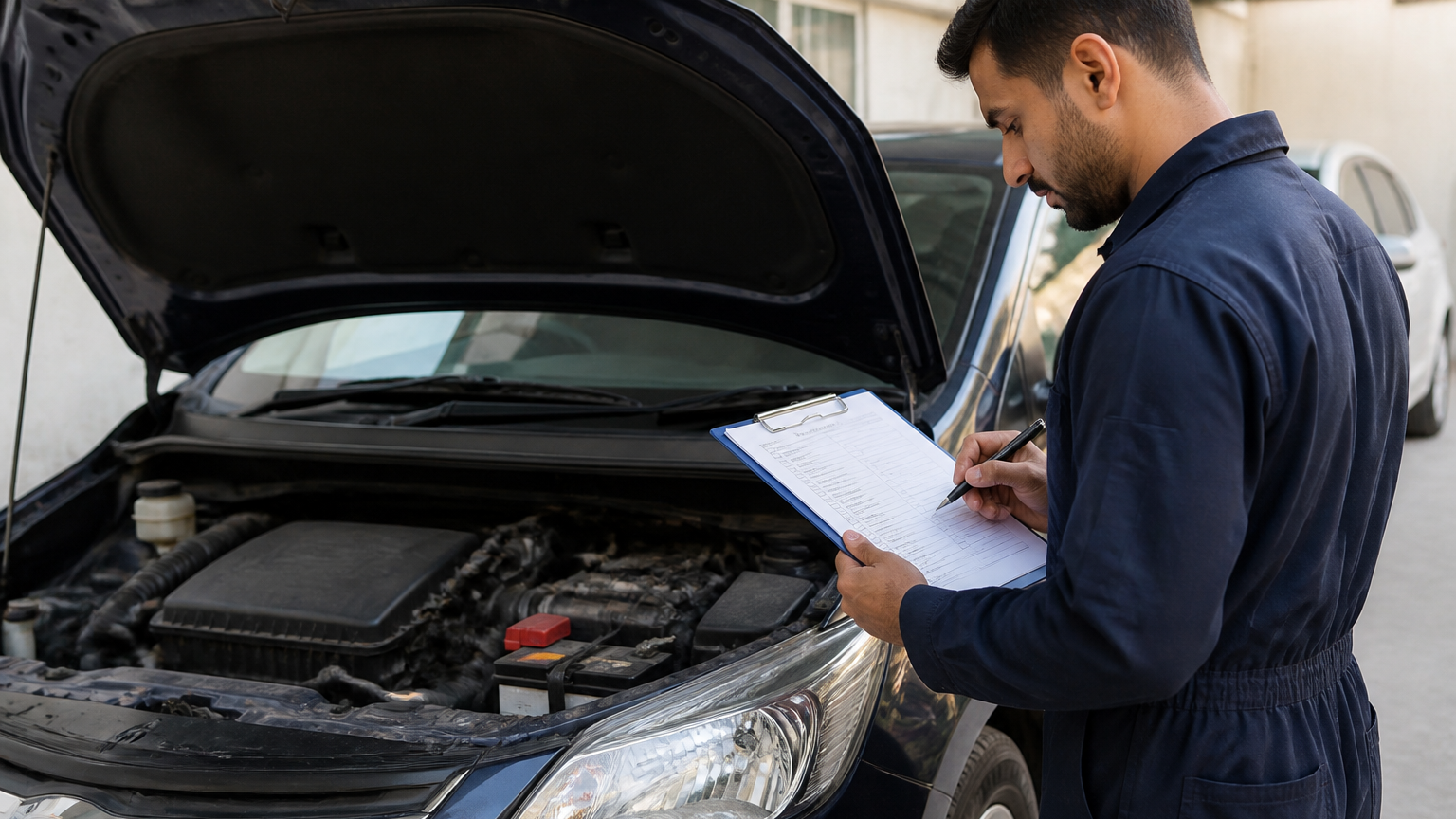
DrivePK Car Inspection Report: Buy Used Cars Safely
Buying a used car in Pakistan? A DrivePK inspection report reveals hidden faults, supports smarter negotiations, and helps you avoid costly mistakes.
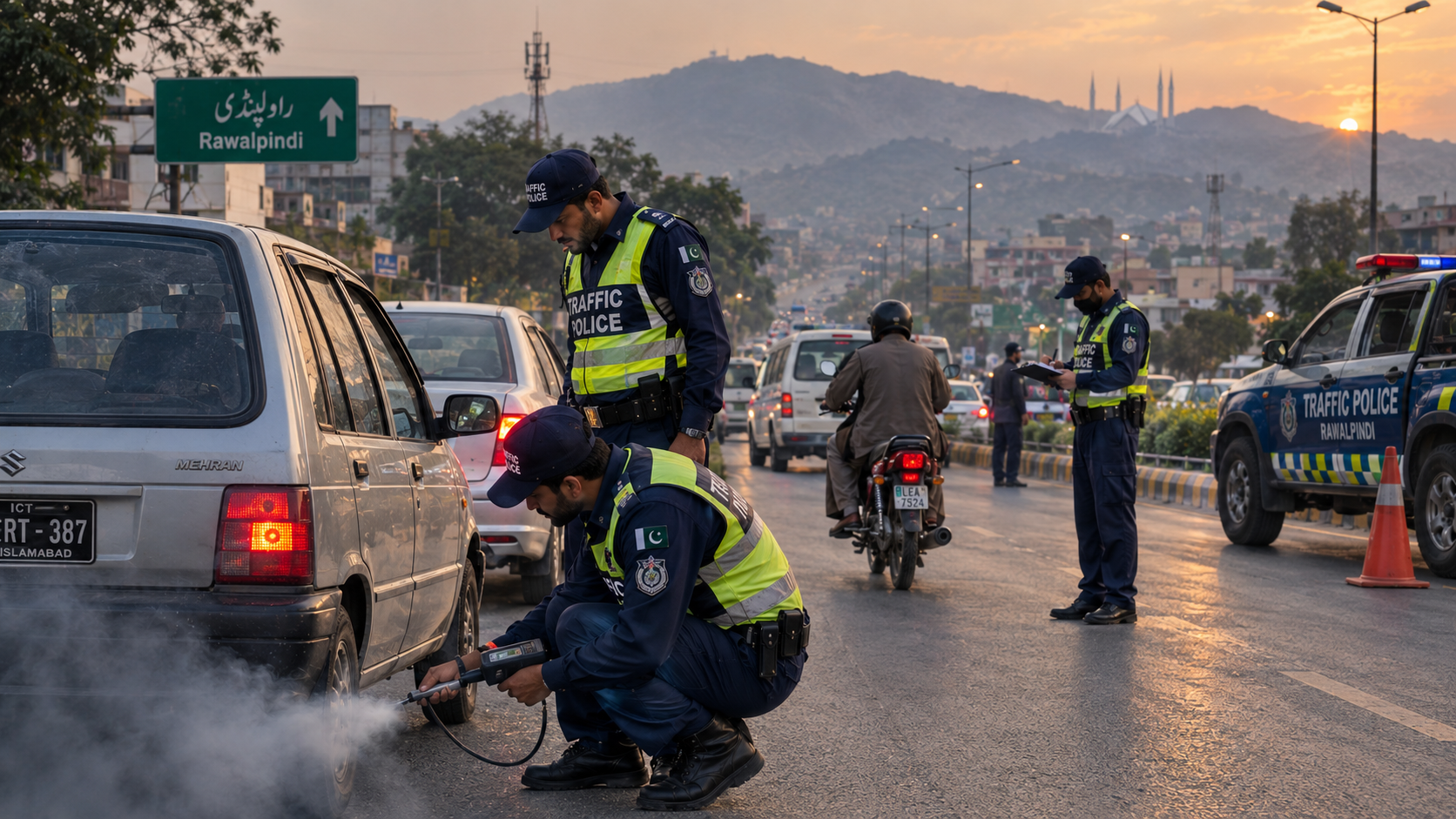
Rawalpindi to Impound Smoke-Emitting Vehicles
Rawalpindi Traffic Police is gearing up for a citywide crackdown on smoke-belching vehicles, with inspections, fines and delays for commuters.
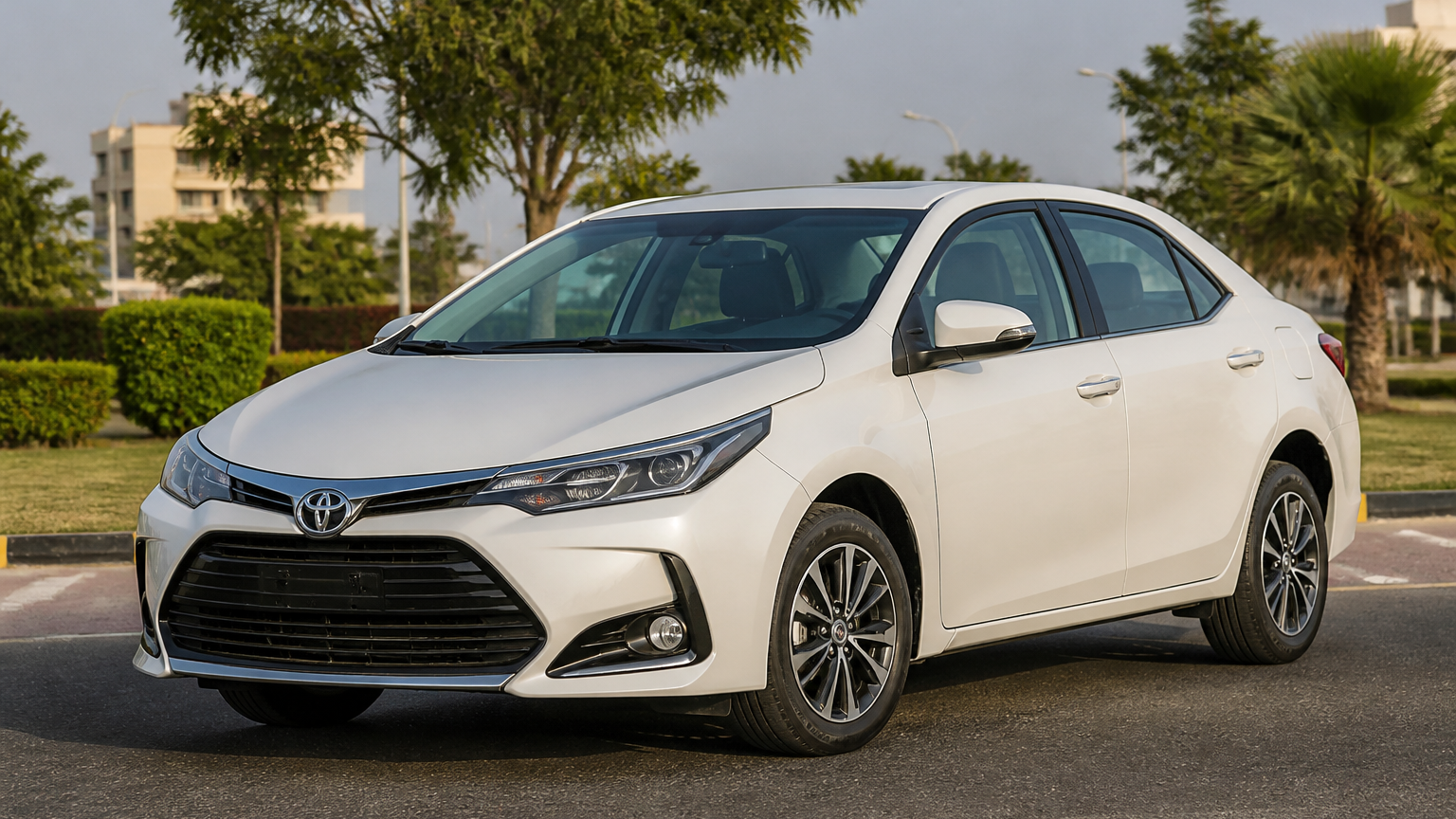
Toyota Corolla Discontinued Before Pakistan Facelift
Pakistan’s pre-facelift Toyota Corolla is reportedly discontinued, hinting at a facelift. Prices, bookings, specs and launch timing remain unconfirmed.