Khyber Pakhtunkhwa BRT Extension to Jamrud and Bara: Faster, Safer Commutes
Khyber Pakhtunkhwa Chief Minister Mohammad Sohail Afridi pushes for fast BRT extension to Jamrud and Bara. It promises safe, cheap rides for daily commuters, less traffic, and cleaner air. New buses and stops will cover key routes, with big fleet upgrades by 2026.
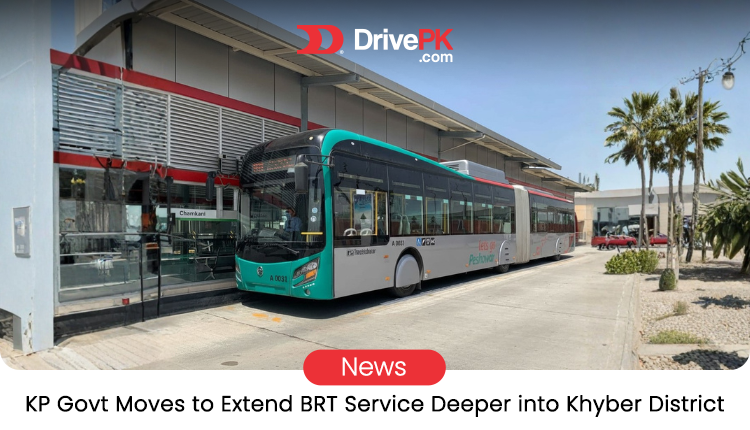
Table of Contents
- Why This Extension Matters Now
- Breaking Down the Project Details
- How It Helps with Traffic and the Environment
- Looking Ahead: More Buses on the Way
- Challenges and What It Takes to Succeed
- Conclusion
Public transport in Pakistan often feels like a daily grind. Busy roads, unreliable schedules, and rising costs make getting around tough. But things might change soon in Khyber district. The Chief Minister, Mohammad Sohail Afridi, just gave orders to speed up plans for extending the Bus Rapid Transit (BRT) system to Jamrud and Bara tehsils.
This isn't just talk. It's a real push to connect Peshawar better with these areas. People who travel between them every day could see big improvements. Safer rides, lower fares, and fewer headaches from traffic jams. And it all starts with some key upgrades.
Why This Extension Matters Now
Imagine starting your day without fighting for space on a packed van. That's the promise here. The BRT extension targets folks in Jamrud and Bara who rely on public transport to reach Peshawar for work, school, or errands. Right now, options are limited, and roads get clogged fast.
Chief Minister Afridi sees this as a way to make life easier. He told officials to move quickly on preparations. The goal? Offer a reliable alternative that's affordable and safe. No more worrying about breakdowns or high petrol prices. Plus, it could cut down on pollution. Fewer private cars mean cleaner air for everyone.
But it's not just about convenience. This move fits into a bigger picture of building better infrastructure in Khyber Pakhtunkhwa. The province has pushed hard on public projects lately, and this one builds on the success of Peshawar's existing BRT. That system already helps thousands, and expanding it makes sense.
Breaking Down the Project Details
Let's look at what's planned. A new dedicated ramp at Karkhano station is a big part. It costs about Rs500 million, but it's key for smooth flow into the extended routes. Without it, buses might get stuck in the same traffic they're meant to avoid.
Then there are the buses themselves. Officials plan to buy 12 new 12-meter buses just for these lines. That's enough to handle the demand without long waits. The routes are short but vital. From Karkhano Market to Jamrud Bazaar, it's five kilometers with eight new bus stops. That means easy access along the way.
The other stretch goes from Pishtakhara to Bara Bazaar—seven kilometers with 10 stops. These spots will be built to last, with shelters and clear signage. No more standing in the sun or rain. And the whole setup aims to integrate with the current BRT network seamlessly.
Right now, the BRT runs 18 routes over 132 kilometers. That's impressive for a system that's still growing. But this extension adds targeted coverage where it's needed most. It's not about going everywhere; it's about solving specific problems in the Khyber district.
How It Helps with Traffic and the Environment
Traffic in Peshawar and nearby areas can be a nightmare. Roads fill up quickly, especially during peak hours. Extending BRT could pull people off those roads. More folks on buses means fewer cars, which eases congestion. And that saves time for everyone, even those who drive.
Environmentally, it's a win too. Buses run more efficiently than individual vehicles. Less fuel is burned overall, resulting in lower emissions. In a region dealing with air quality issues, this matters. It's a small step, but every bit helps toward a greener future.
And think about safety. BRT buses have dedicated lanes, which cuts accident risks. No dodging motorcycles or sudden stops. For families sending kids to school or workers heading to jobs, that peace of mind is huge.
Looking Ahead: More Buses on the Way
This isn't a one-off project. By June 2026, the fleet will get a major boost. Plans include 52 diesel-hybrid buses at Rs3.2 billion. These mix fuel and electric power for better efficiency. Then add 50 fully electric buses for Rs6.2 billion. That's a shift toward sustainable tech.
Electric buses mean zero tailpipe emissions. They're quieter too, which improves city life. And with hybrids as a bridge, the transition won't disrupt service. The whole network strengthens, covering more ground with modern vehicles.
Officials shared these details to show commitment. It's not vague promises; it's funded and scheduled. For residents, it means reliable transport that evolves with needs.
Challenges and What It Takes to Succeed
No project is perfect. Building in the Khyber district brings hurdles like terrain or coordination. But speeding up prep shows intent to tackle them head-on. Community input could help, too, by making sure stops are where people need them.
Cost is another factor. Rs500 million for the ramp, billions for buses, it's a big investment. But if it reduces long-term issues like traffic costs or health from pollution, it pays off. Provinces like this need bold moves to keep up with growth.
And maintenance matters. The current BRT works because it's well-run. Extending it means keeping standards high. Regular checks, clean stations, and fair fares will keep riders coming back.
Conclusion
Extending BRT to Jamrud and Bara is more than infrastructure. It's about improving daily life in Khyber Pakhtunkhwa. Safer, cheaper commutes could change how people move. Less traffic, cleaner air benefits add up.
Chief Minister Afridi's push sets a timeline. With new buses and stops coming, residents have something to look forward to. It's practical progress in a region that deserves it. And as the fleet grows by 2026, the whole system gets stronger.
If you're in the area, keep an eye out. This could make your routine a lot smoother. Small changes like this build toward bigger improvements. That's what good public transport does: it connects people and places without the hassle. For more updates, visit DrivePK.com
Tags
Share this article
About the Author

Najeeb Khan
Automotive enthusiast and writer
Comments (0)
Login Required
You need to be logged in to comment on this article.
No comments yet. Be the first to share your thoughts!
Related Articles
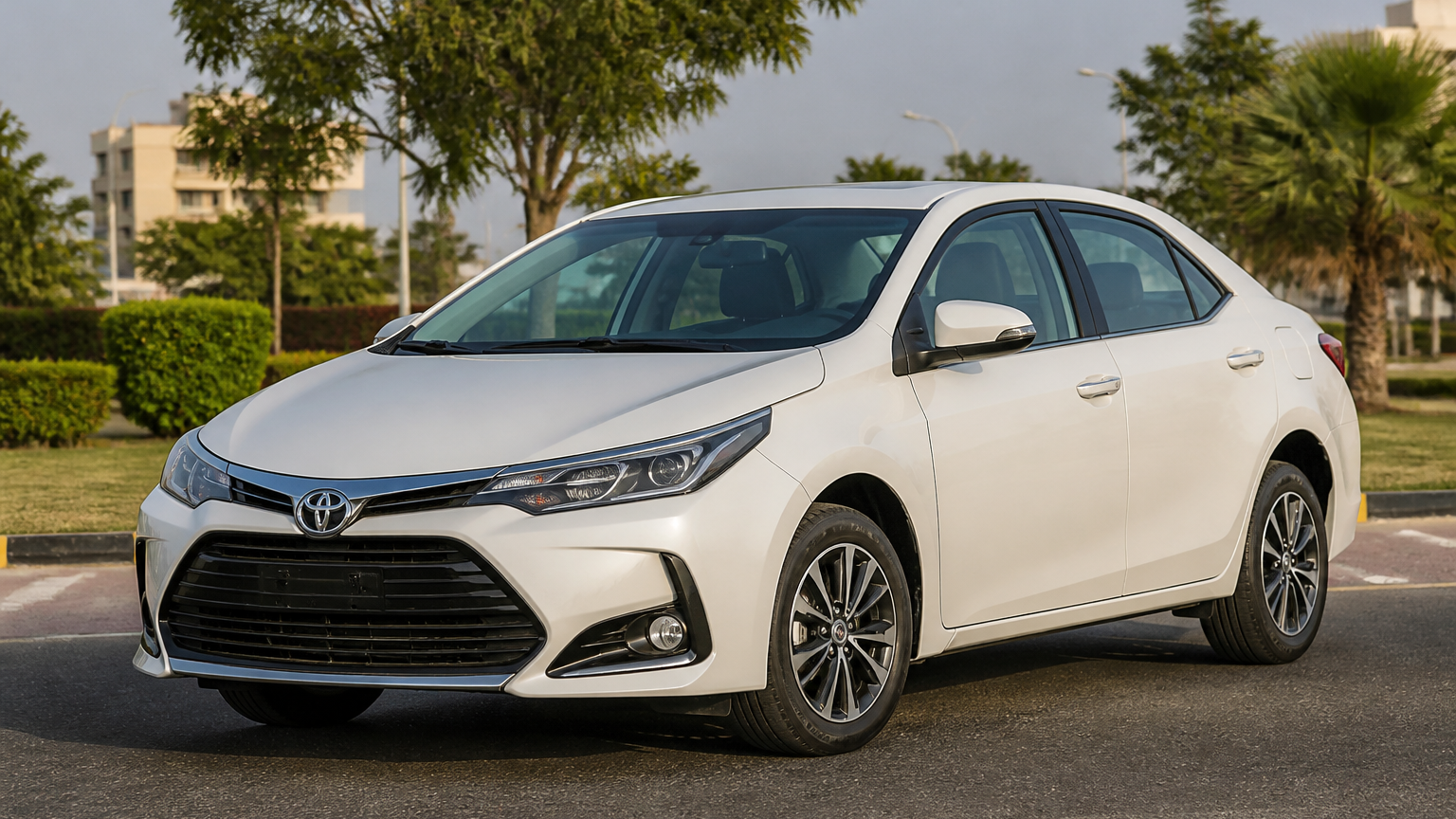
Toyota Corolla Discontinued Before Pakistan Facelift
Pakistan’s pre-facelift Toyota Corolla is reportedly discontinued, hinting at a facelift. Prices, bookings, specs and launch timing remain unconfirmed.
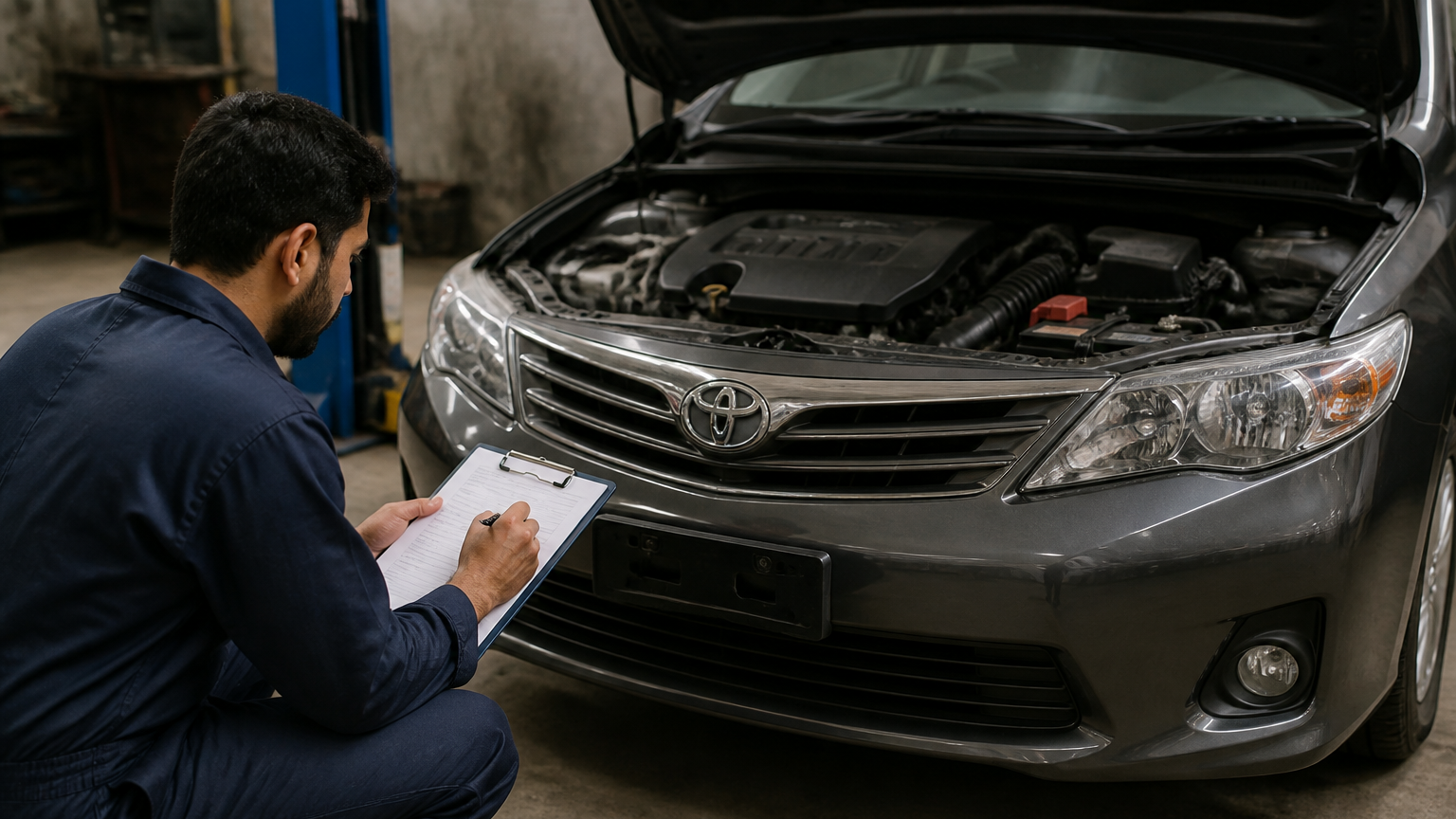
DrivePK Car Inspection Reports: Buy with Confidence
Buying a used car in Pakistan? A pre-purchase inspection can reveal hidden damage, engine issues and red flags before you pay—but it’s not enough alone.
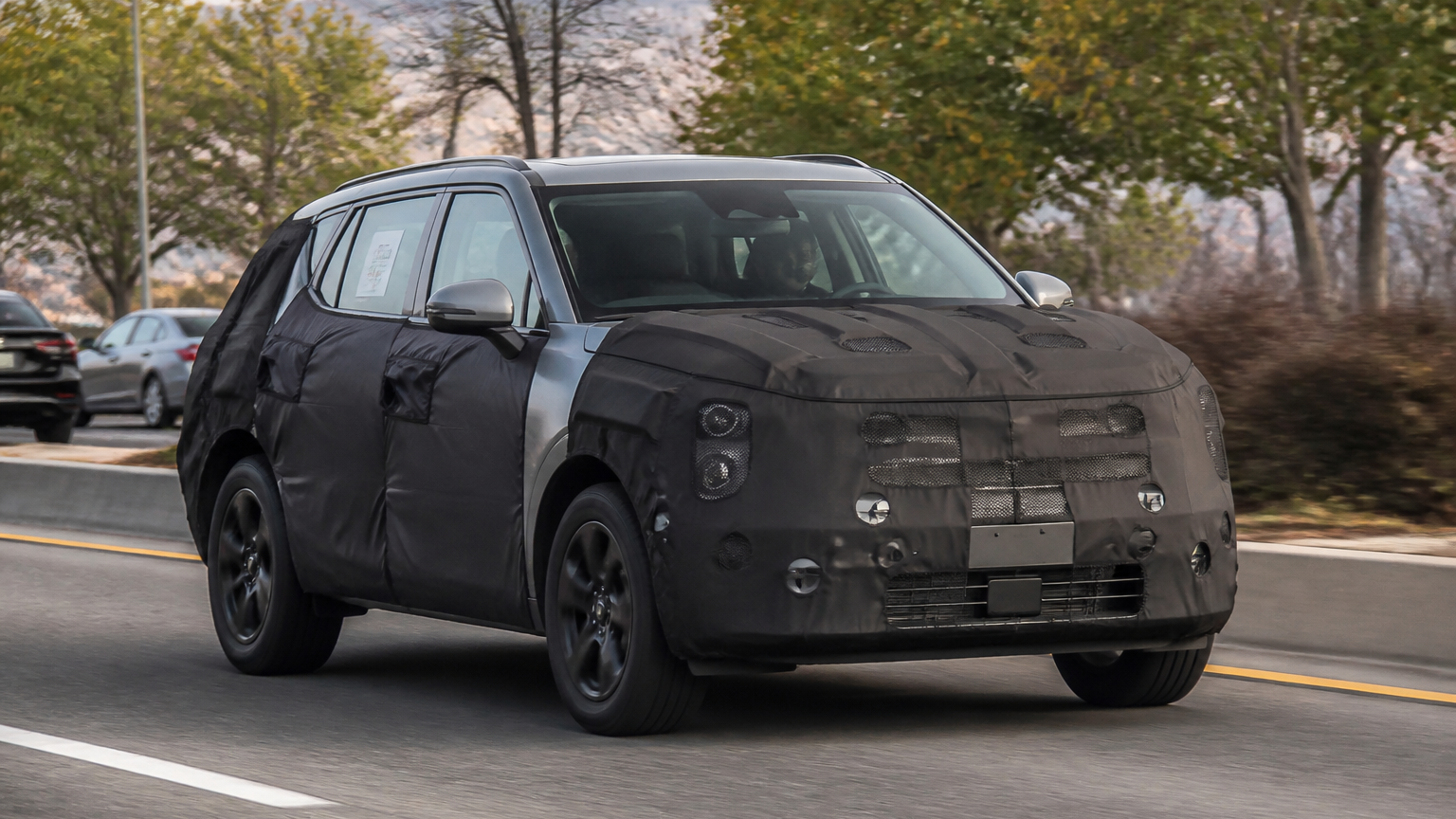
2028 Kia Sportage: Major Design Changes Spotted
Kia’s next Sportage may get a bolder, boxier redesign, with an upright profile, sharper lines, wider grille and split headlights hinted by spy shots.