Kia Slashes EV9, EV5 Prices in Pakistan
Kia has cut prices on its EV9 and both EV5 variants for a limited time in Pakistan. The biggest drop hits the EV9. Here is what the new numbers mean, what you still need to check, and why timing matters for buyers weighing electric SUVs right now.
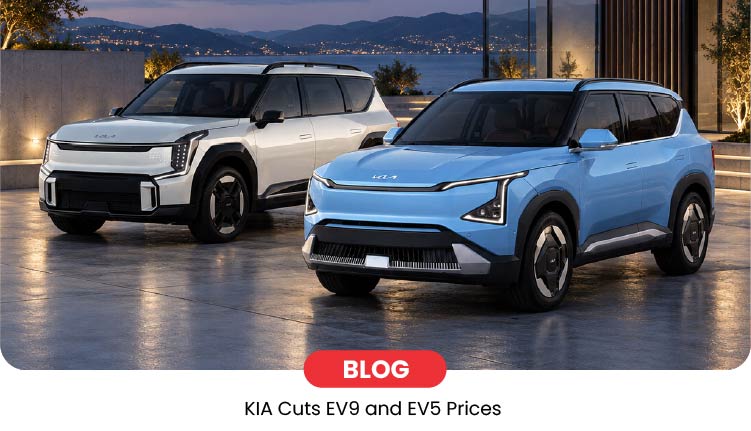
Table of Contents
- Why These Cuts Matter Right Now
- What You Actually Get with Each Model
- The Real Questions Buyers Still Need to Ask
- How the Market Looks Around These Models
- Practical Next Steps If You Are Considering One
Fuel prices keep climbing. Import bills hurt. And electric cars still feel expensive to most people looking at the sticker. That is the reality many Pakistani buyers face every time they open a car brochure.
Kia has moved on that pressure. The company announced limited-time price reductions on three of its electric SUVs. The EV9 takes the largest cut. Both versions of the EV5 also drop. The changes make the lineup look more realistic against other premium options in the market.
The new ex-factory prices are:
- Kia EV9: down from Rs43.2 million to Rs38.65 million (cut of Rs4.55 million)
- Kia EV5 Short Range (Air): now Rs16.85 million (cut of Rs1.65 million)
- Kia EV5 Long Range (Earth): now Rs21.85 million (cut of Rs1.65 million)
These are limited-time offers. Anyone thinking about booking needs to confirm the exact figure, delivery timeline, charger inclusion, warranty terms, and after-sales support directly with an authorised dealer before signing anything.
Why These Cuts Matter Right Now
Pakistan’s New Energy Vehicle policy aims for a much bigger share of cleaner vehicles by 2030. Official briefings talk about fuel import savings, economic benefits running into hundreds of billions of rupees, and plans for thousands of public chargers. Green financing options are also starting to appear.
Yet the upfront cost of EVs has stayed high. Battery technology, import duties on certain components, and limited local volume all play a part. Many buyers still pause at the first number they see. A cut of this size on the flagship EV9 and meaningful drops on the more accessible EV5 models change the conversation.
It does not turn these into mass-market cars. They remain premium products. But the gap to some competing imported or locally assembled electric and plug-in options has narrowed. For someone already comparing total cost of ownership against a petrol or hybrid SUV, the lower entry price improves the maths.
What You Actually Get with Each Model
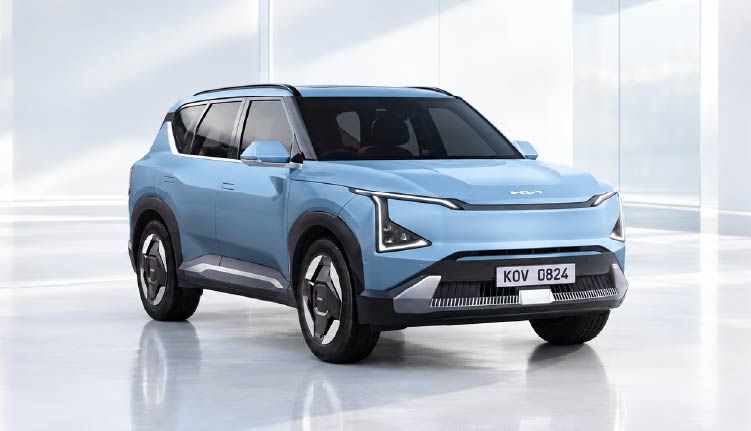
Start with the EV5 Short Range. It uses a smaller battery pack, around 64 kWh, and delivers roughly 490 km of claimed range under the NEDC cycle. It is front-wheel drive with a single motor making about 160 kW. Acceleration from 0-100 km/h sits near 8.5 seconds. It suits city and intercity driving for families who mainly stay within a few hundred kilometres of home charging.
The EV5 Long Range steps up. Battery capacity rises to about 88 kWh. Claimed range climbs to around 620 km. Dual motors give all-wheel drive and roughly 230 kW combined. The 0-100 time drops closer to 6.1-6.5 seconds. This version makes more sense for buyers who travel longer distances or want the extra grip and power.
The EV9 sits in a different league. It is a full-size six-seater SUV with a 99.8 kWh battery. Official range is listed at 505 km under the WLTP cycle. Dual motors produce 282.6 kW and 700 Nm. It reaches 100 km/h in 5.3 seconds. Charging supports both 400V and 800V systems. With a powerful DC charger it can go from 10-80 percent in about 24 minutes. Features include digital mirrors, a large dual-screen setup, Meridian audio, power tailgate, and multiple driving modes including terrain settings.
These numbers come from official and widely reported local specifications. Real-world range will vary with heat, air-conditioning use, driving style, and road conditions. Pakistan summers test batteries, so owners usually plan for less than the brochure figure on long trips.
The Real Questions Buyers Still Need to Ask
Price is only the first line. Several practical points decide whether the purchase works long term.
Charging remains the biggest daily concern for many. Home wallboxes are the practical solution for most owners. Public DC fast chargers are growing in Karachi, Lahore, and Islamabad, and motorway coverage is planned to expand. Still, coverage outside major cities is thin. Confirm whether a home charger is included in the deal and what installation support the dealer provides.
Warranty terms matter. Vehicle coverage is typically quoted around four years or 100,000 km, but battery warranties can differ by brand and model. Ask for the exact written terms on the high-voltage battery, including capacity retention guarantees. After-sales network strength also counts. Kia has an established dealer and service footprint, yet specialised EV technicians and spare-part stock levels should be checked at the nearest outlet.
Delivery timelines shift with stock and import cycles. Limited-time price offers sometimes come with specific order windows. Get the booking terms in writing, including what happens if taxes or duties change before delivery.
Total cost of ownership needs a clear look. Electricity is usually cheaper than petrol per kilometre, especially with home charging. Maintenance is lower because there is no engine oil, fewer moving parts, and regenerative braking reduces brake wear. Against that sit the higher purchase price, possible insurance differences, and the residual value of an EV in a still-developing used market.
How the Market Looks Around These Models
Competition has increased. Several Chinese brands offer electric and range-extended SUVs at lower or similar price points with competitive range claims. Some focus heavily on battery warranty length or local service partnerships. Kia’s advantage sits in brand recognition, existing service network, and the more premium cabin and feature set on the EV9.
Government policy continues to evolve. Locally assembled NEVs enjoy certain duty and tax advantages. Imported premium models face higher duties in some cases. Financing products aimed at green vehicles are expanding, including longer tenures and lower down-payment options through banks. These factors can change the monthly cost more than the headline price alone.
Practical Next Steps If You Are Considering One
Visit a showroom and sit in both the EV5 and EV9 if possible. The size difference is obvious. Test the seating layout, especially the third row on the EV9 if you need six seats regularly. Ask for a real-world range estimate based on local driving patterns rather than brochure numbers alone.
Request a full cost breakdown: ex-factory price under the current offer, freight, registration, taxes, insurance, and any mandatory accessories. Confirm charger type and power rating included. Get the warranty booklet language in writing.
Compare running costs against a similar petrol or hybrid SUV you already drive or are considering. Factor in your average daily kilometres and access to overnight charging. If most of your driving is short urban trips with a reliable home charger, the EV economics improve quickly. If you regularly cover long highway stretches with uncertain charging stops, the calculation changes.
The price reductions make Kia’s electric SUVs more competitive than they were a few weeks ago. They do not remove the need for careful homework. Infrastructure is improving but uneven. Ownership experience depends heavily on how and where you drive.
For buyers who have been waiting for the numbers to move closer to realistic, this is a moment worth examining closely. Confirm every detail with the dealer, check the offer validity date, and decide based on your actual use case rather than the excitement of a lower sticker price alone.For more updates, visit DrivePK.com
Tags
Share this article
About the Author

Najeeb Khan
Automotive enthusiast and writer
Comments (0)
Login Required
You need to be logged in to comment on this article.
No comments yet. Be the first to share your thoughts!
Related Articles
شانگس کے قریب لینڈ سلائیڈ کے بعد سکردو روڈ بند
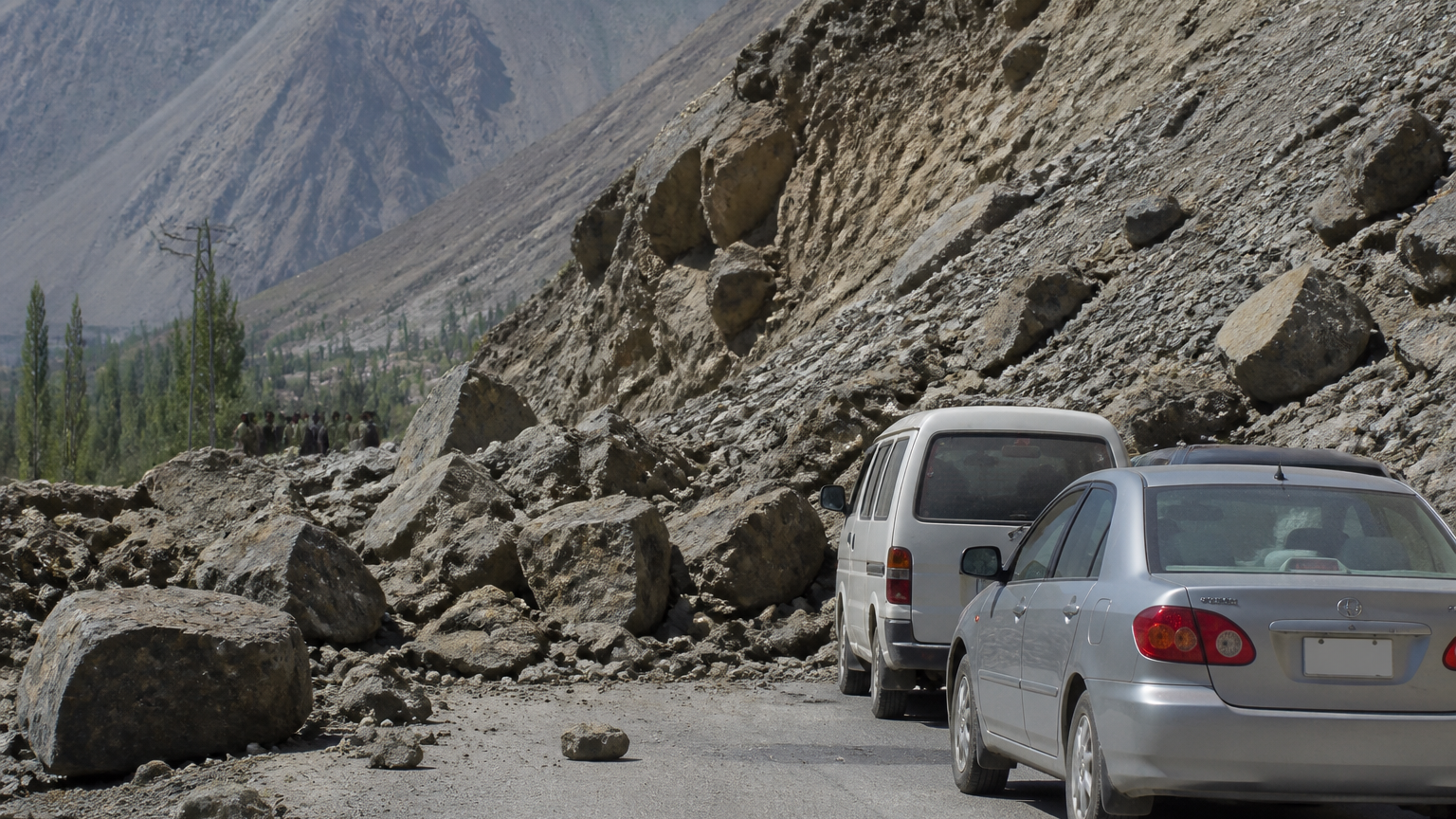
شانگس کے قریب بالتستان روڈ پر لینڈ سلائیڈ کے باعث سفر معطل ہوگیا ہے۔ مسافر اس مقام کو عبور نہ کریں؛ عملہ ملبہ ہٹا رہا ہے، تاہم دوبارہ کھلنے کا وقت تاحال معلوم نہیں۔
Skardu Road Closed After Landslide Near Shangus
Landslide blocks Baltistan Road near Shangus, stranding travelers. Avoid crossing; crews are clearing debris, but reopening time remains unknown.
مالیزیا میں ایکسل فیل ہونے کے بعد Chery Omoda 5 کی واپسی
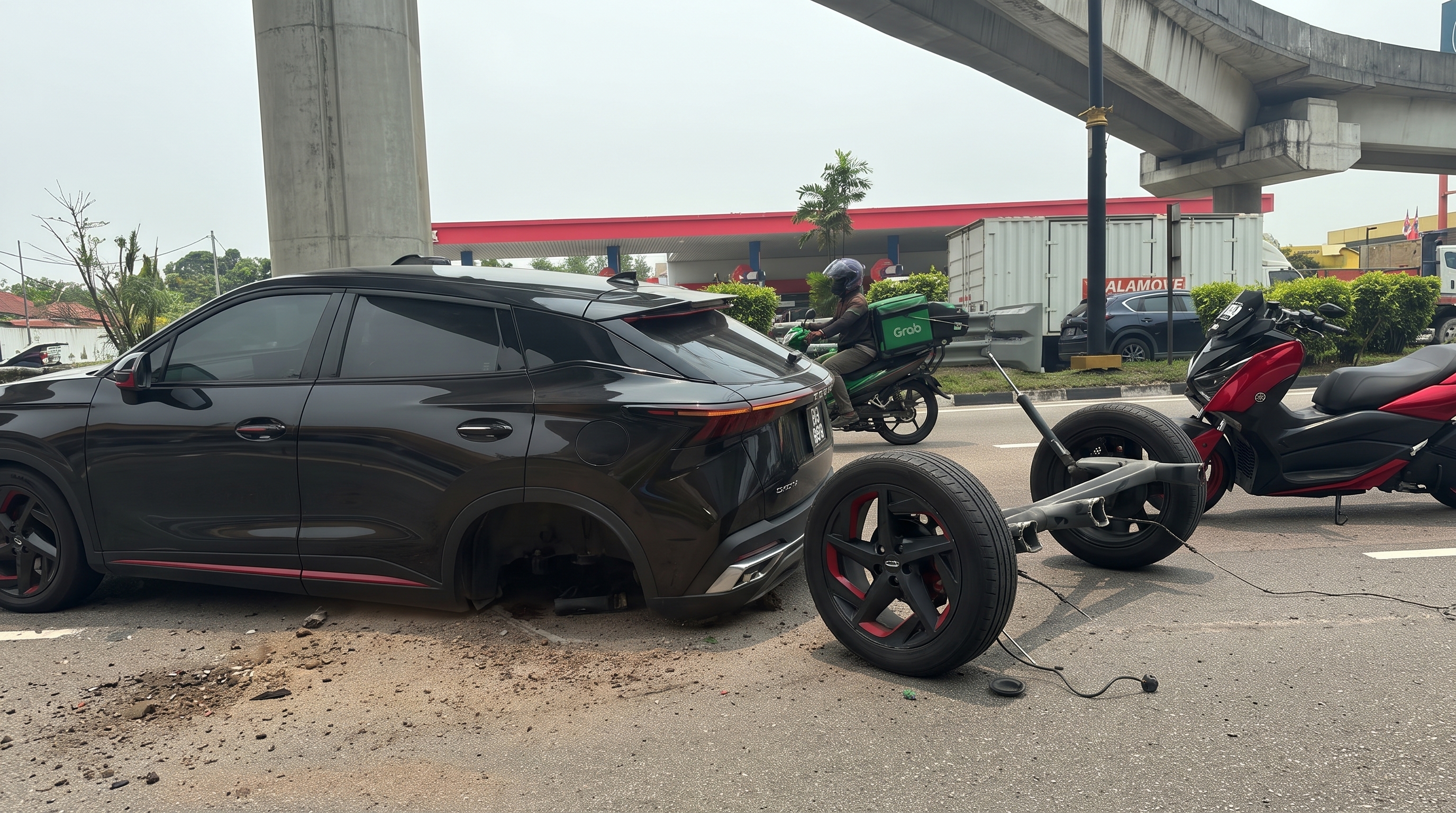
Chery نے معذرت کی ہے کیونکہ مالیزیا میں 8,878 Omoda 5 SUVs کو ریئر ایکسل فیل ہونے کے بعد واپس منگوایا گیا ہے۔ کسی جانی نقصان کی اطلاع نہیں ملی؛ معائنہ اور مرمت مفت ہوگی۔