Lahore ART System Launch 2026: Punjab’s New Electric Rapid Transport from Kalma Chowk to Istanbul Chowk
The Punjab government is preparing to launch Lahore’s new Automated Rapid Transport (ART) system before June 2026. Approved by CM Maryam Nawaz, this Rs6 billion project will run electric three-coach trains from Kalma Chowk to Istanbul Chowk. It promises faster, cleaner travel for up to 18,000 passengers daily.
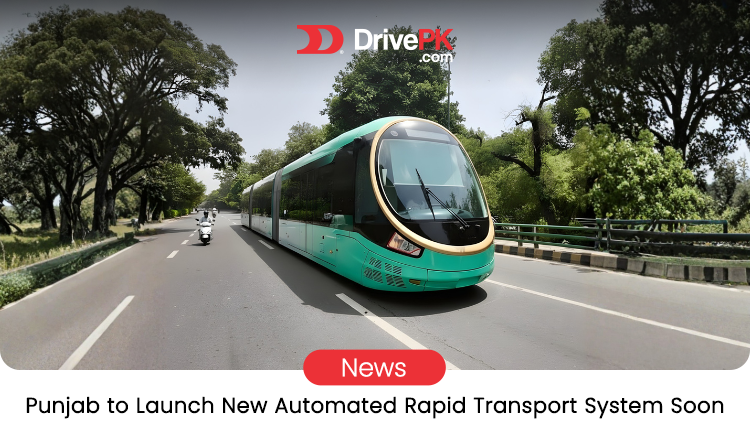
Table of Contents
- The Route and Why It Matters
- How the ART System Will Work
- Electric and Solar-Supported
- What Makes ART Different
- Part of a Larger Plan
- What Commuters Can Expect
- Timeline and Next Steps
The Punjab government is moving ahead with the Automated Rapid Transport (ART) system in Lahore. Chief Minister Maryam Nawaz has given the final approval. Officials expect operations to start before June 2026. The project costs around Rs6 billion and forms part of a bigger plan to modernize public transport across the province.
This is not a regular bus or train. The ART is a trackless electric system that runs on rubber tires. It follows a virtual path and brings a cleaner, quicker way to move around the city.
The Route and Why It Matters
The ART corridor starts at CBD Kalma Chowk and ends at Istanbul Chowk. It passes through some of Lahore’s busiest stretches, Main Boulevard Gulberg, Jail Road, and the Canal area. These roads see heavy traffic every day. People heading to offices, markets, or universities often get stuck here.
By adding this dedicated rapid service, the government aims to cut travel time and ease congestion on these key routes.
How the ART System Will Work
Each unit is a three-coach electric train. One train can carry about 270 passengers at a time. Trains will run every 15 to 20 minutes during operating hours.
Planners expect nearly 18,000 passengers per day once the system settles in. That is a solid number for the first phase and shows the demand along this corridor.
The vehicles come from China Railway Rolling Stock Corporation (CRRC). Local operators will handle day-to-day services under a public-private setup. This mix should help keep things efficient and cost-effective.
Electric and Solar-Supported
The entire system runs on electricity. It also gets support from solar power. This makes it fully electric and much cleaner than diesel buses or older transport options. Less smoke on the road means better air quality in Lahore, especially in busy areas.
Officials say the focus is on faster, cleaner, and more reliable travel. For daily commuters, that could mean reaching work or home without the usual headache of traffic jams.
What Makes ART Different
Unlike traditional trams or metro trains, the ART does not need fixed rails. It runs on normal roads but stays in its own lane or virtual track. This keeps costs lower than building a full metro line.
The three-coach design gives it good capacity without taking up too much space. Passengers should enjoy a smooth ride with modern features typical of new electric systems.
Part of a Larger Plan
This launch is one piece of Punjab’s wider public transport modernization. The government has been talking about improving mobility for over a year. The ART fits into that five-year strategy to bring better options to major cities.
Lahore is getting attention first because of its size and traffic challenges. Success here could lead to similar systems in other parts of the province later.
What Commuters Can Expect
Once it starts, the ART should make daily travel easier for thousands. Students, office workers, and shoppers who use Gulberg, Jail Road, or Canal routes will benefit the most.
Shorter waiting times, fixed schedules, and electric comfort can change how people move in the city. It also offers a greener choice compared to private cars or older buses.
Of course, real success will depend on how well it runs after launch. Punctuality, safety, and easy ticketing will decide whether people actually switch to it.
Timeline and Next Steps
Right now, the project is in the final stages. Test runs and final checks are likely happening or will start soon. The target is clear: get it running before June 2026.
People in Lahore should watch for official announcements on exact start dates, ticket prices, and operating hours. Once the trains begin service, it will be easier to see how much time and hassle it actually saves.
The Automated Rapid Transport system is a practical step toward solving Lahore’s traffic problems. It brings modern electric technology without the huge expense of underground rails. If it delivers on speed and reliability, many daily commuters will welcome the change.
Keep an eye on updates from the Punjab government and the transport department. The coming weeks should bring more details as the launch gets closer. For more updates, visit DrivePK.com
Tags
Share this article
About the Author

Najeeb Khan
Automotive enthusiast and writer
Comments (0)
Login Required
You need to be logged in to comment on this article.
No comments yet. Be the first to share your thoughts!
Related Articles
DrivePK Car Inspection Report: Buy Used Cars Safely
Buying a used car in Pakistan? A DrivePK inspection report reveals hidden faults, supports smarter negotiations, and helps you avoid costly mistakes.
Rawalpindi to Impound Smoke-Emitting Vehicles
Rawalpindi Traffic Police is gearing up for a citywide crackdown on smoke-belching vehicles, with inspections, fines and delays for commuters.
Toyota Corolla Discontinued Before Pakistan Facelift
Pakistan’s pre-facelift Toyota Corolla is reportedly discontinued, hinting at a facelift. Prices, bookings, specs and launch timing remain unconfirmed.