Lahore Police Propose E-Tag System for Vehicles: Boosting Security and Traffic Flow
Lahore Police have suggested an E-Tag system to the Home Department. It involves chips on vehicle plates for quick checks on stolen or fake vehicles. This could make city roads safer and smoother, with online records for all cars.
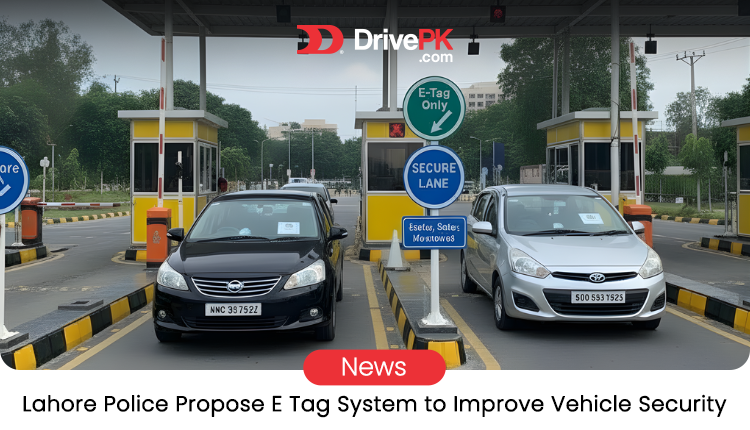
Table of Contents
- How the E-Tag System Works
- Why Security Gets a Big Lift
- Better Traffic Management for Busy Roads
- Challenges and What’s Next
- Real Stories That Show the Need
- Conclusion
Lahore’s streets are busy. Cars, bikes, and trucks zoom through every day. But with rising thefts and traffic jams, something needs to change. That’s where the Lahore Police step in. They’ve sent a formal note to the Home Department. It suggests adding an E-Tag system to vehicles across the city.
This isn’t just another idea. It’s about fixing real problems. Stolen cars slip away too easily now. Fake plates fool checkpoints. And unregistered vehicles add to the chaos. The police want to end that with tech that’s simple but smart.
How the E-Tag System Works
Picture this: a small electronic chip fixed to your vehicle’s number plate. It’s not big or flashy. But it holds key details about the car. When a scanner pings it, everything shows up right away.
The chip links to an online database. That means cops can check a vehicle’s history in seconds. Is it stolen? Does it have fake plates? Is it even registered? All answers pop up fast. No more guessing or long waits at stops.
And it’s not just for police. The system tracks movement at city gates. Entry and exit points get monitored better. If a suspicious vehicle rolls in or out, alerts go off. It’s like giving the city eyes that never blink.
Why Security Gets a Big Lift
Vehicle theft is a headache in Lahore. Thieves grab cars, switch plates, and vanish. But with E-Tags, that game changes. The chip can’t be faked easily. Scanners spot mismatches right away.
Think about a stolen bike racing down a road. A checkpoint scans it. Boom the system flags it as hot. The police move in quickly. No more chases that drag on for hours. Families get their vehicles back faster. And thieves think twice before trying.
Fake plates are another mess. People use them to dodge fines or hide crimes. The E-Tag cuts that out. Every plate gets tied to the chip’s data. If they don’t match, it’s a red flag. Authorities can act on the spot. That means fewer dodgy vehicles on the road. Safer for everyone.
Unregistered cars add risks, too. They might not meet safety standards. Or they could be linked to shady deals. The system spots them easily. Owners get nudged to register properly. It’s a push toward better rules without big drama.
Better Traffic Management for Busy Roads
Lahore’s traffic can feel like a puzzle. Jams build up fast. Signals get ignored. But E-Tags could help sort it.
With chips in place, monitoring gets easier. Authorities track flow at key spots. See where bottlenecks happen. Then tweak lights or routes to keep things moving.
At entry points, it’s even handier. Trucks or cars from outside get checked without long lines. If everything’s clear, they zip through. If not, they’re pulled aside. No more backups that frustrate drivers.
And during peak hours? Data from the system shows patterns. Maybe certain areas need more patrols. Or new signs. It’s all about using info to make roads work better. Less stress for commuters. Fewer accidents from rushed driving.
Challenges and What’s Next
No system is perfect. Installing chips means work for owners. Who pays for it? How long does it take? The police note needs to cover that. Probably a phased rollout starts with new vehicles, then older ones.
Privacy matters too. People might worry about tracking. But the focus is on security, not spying. Data stays with the authorities for checks only. Clear rules could ease those fears.
The Home Department will review this soon. If approved, Lahore could lead the way in Pakistan. Other cities might follow. It’s a step toward modern roads that feel safe and smooth.
But change takes time. Police will need training. Scanners at checkpoints. And public buy-in. If folks see the wins like quicker theft recovery, they’ll get on board.
Real Stories That Show the Need
Remember that car theft ring busted last year? They used fake plates to move stolen vehicles out of Lahore. Cops chased leads for weeks. With E-Tags, it could’ve ended in days.
Or think of daily commuters stuck in traffic. A quick scan system cuts wait times. More time for work or family. Less fuel wasted idling.
These aren’t just stats. Their lives have improved. A mom getting her van back after a theft. A driver avoiding a jam. Small wins add up.
Conclusion
The E-Tag proposal from Lahore Police is straightforward. It’s about using tech to tackle theft, fakes, and flow. Chips on plates. Online records. Quick scans. That’s the core.
If it rolls out, the city changes for the better. Safer streets. Smoother drives. And a model for others. Keep an eye on updates from the Home Department. This could be the fix Lahore needs. For more updates, visit DrivePK.com
Tags
Share this article
About the Author

Najeeb Khan
Automotive enthusiast and writer
Comments (0)
Login Required
You need to be logged in to comment on this article.
No comments yet. Be the first to share your thoughts!
Related Articles
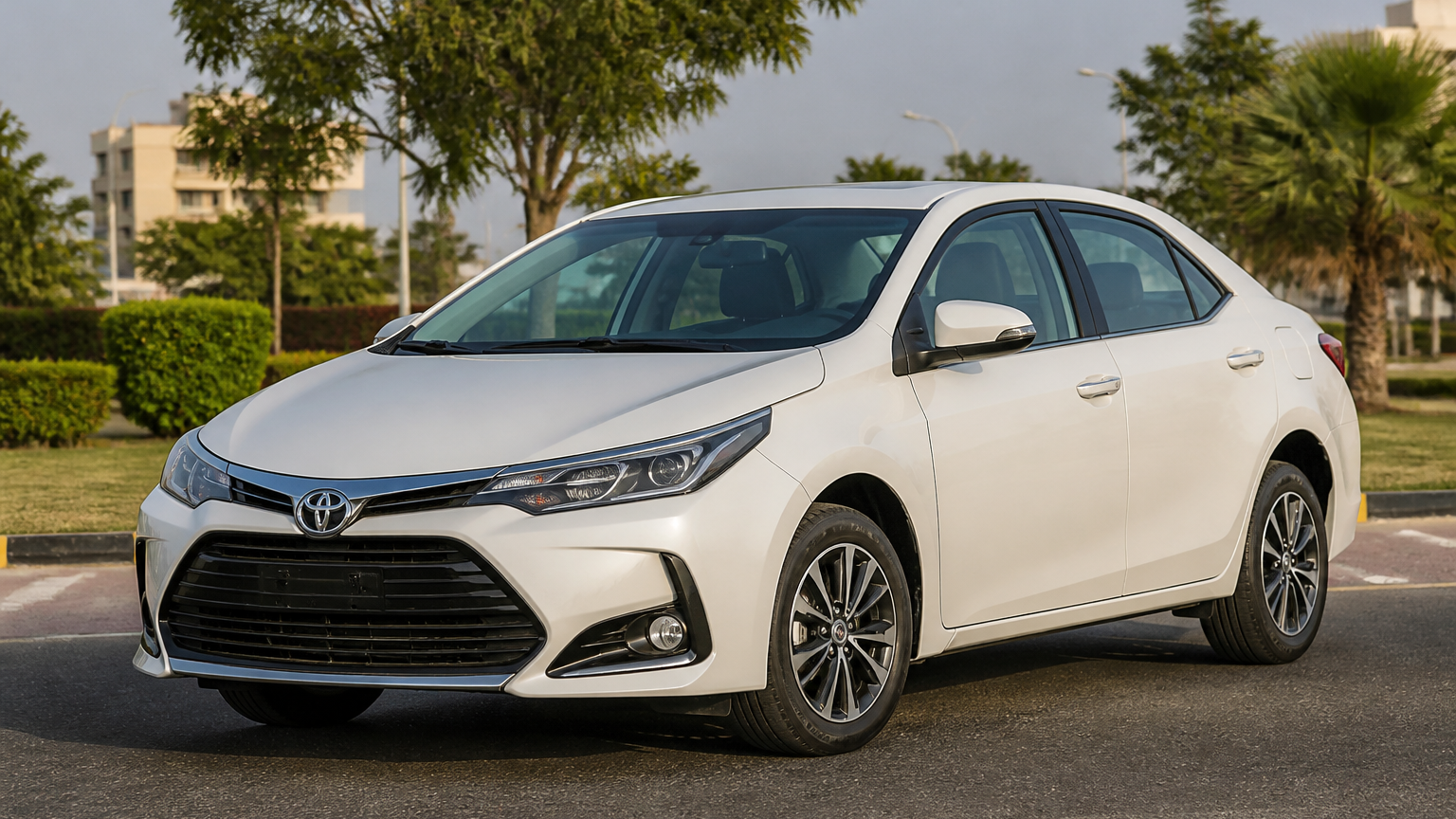
Toyota Corolla Discontinued Before Pakistan Facelift
Pakistan’s pre-facelift Toyota Corolla is reportedly discontinued, hinting at a facelift. Prices, bookings, specs and launch timing remain unconfirmed.
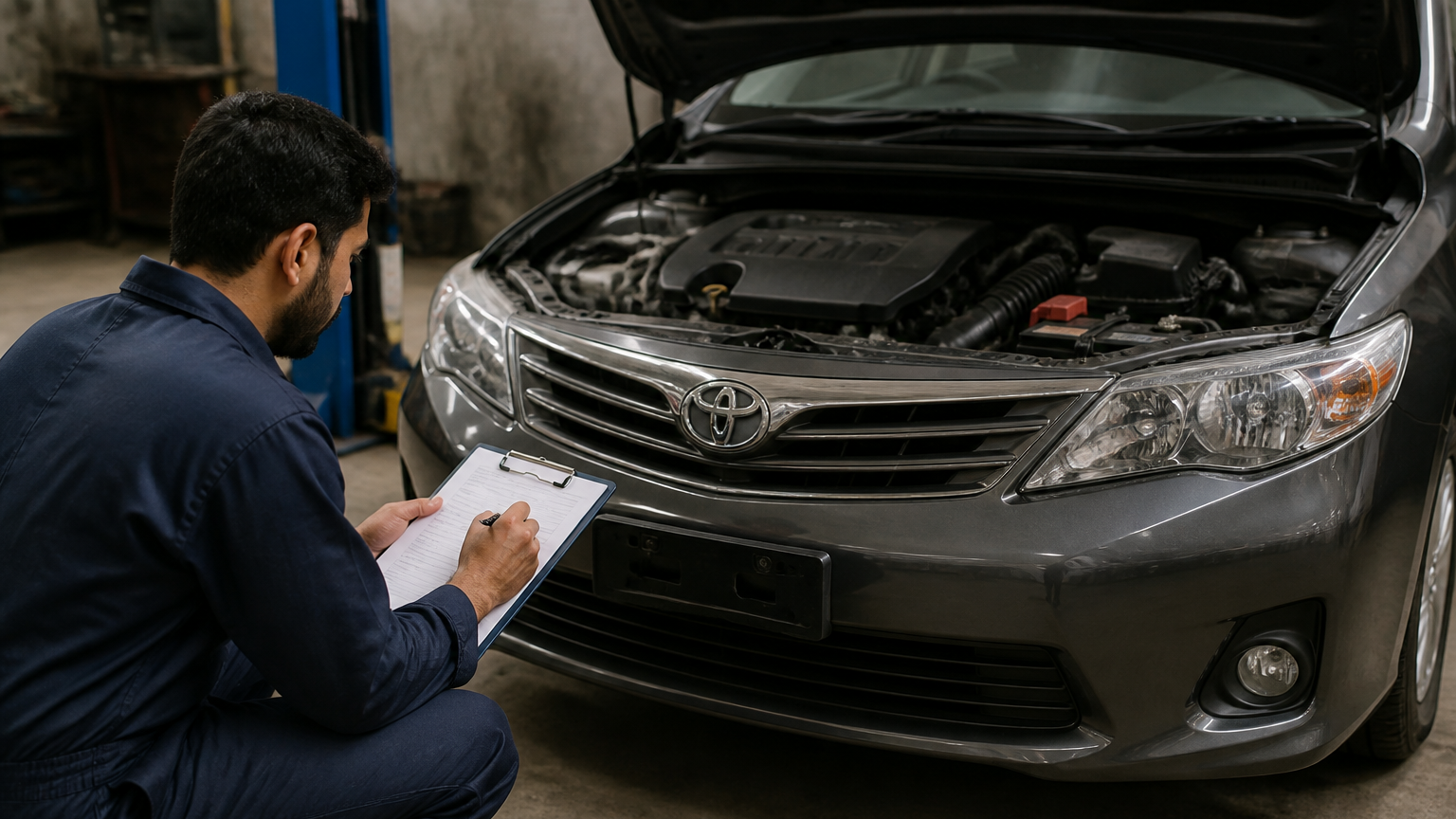
DrivePK Car Inspection Reports: Buy with Confidence
Buying a used car in Pakistan? A pre-purchase inspection can reveal hidden damage, engine issues and red flags before you pay—but it’s not enough alone.
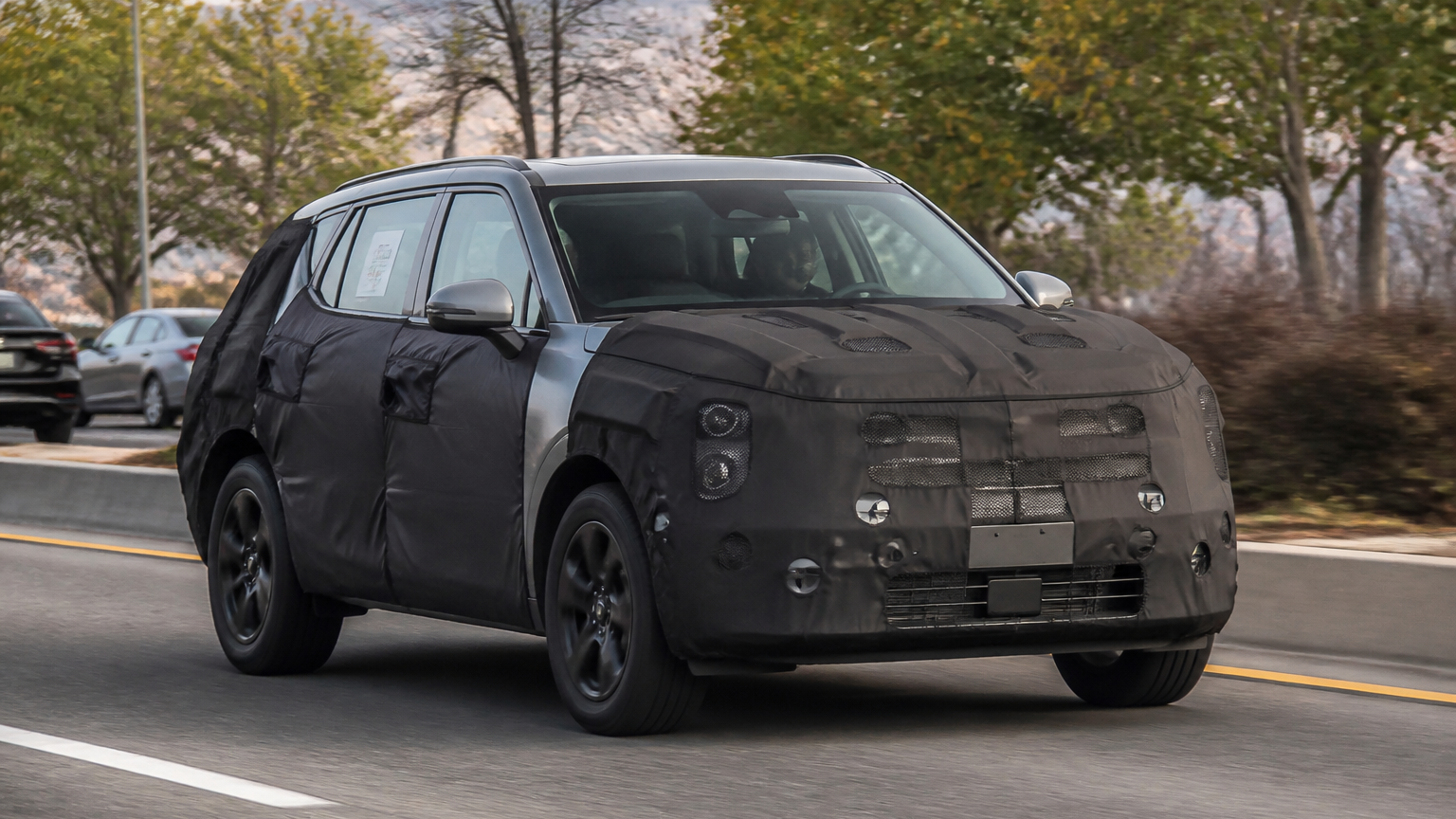
2028 Kia Sportage: Major Design Changes Spotted
Kia’s next Sportage may get a bolder, boxier redesign, with an upright profile, sharper lines, wider grille and split headlights hinted by spy shots.