Metro E-Vehicles Price Hike: Pak Star Raises Prices by Rs 5,000 from April 3, 2026
Pak Star Automobile (Pvt.) Ltd raised prices of all Metro e-vehicle models by Rs 5,000 starting April 3, 2026. The company pointed to increased sea freight charges, higher logistics expenses from Karachi seaport to the factory, and the recent sharp rise in petroleum prices. This small adjustment affects new orders across the popular electric two-wheeler range.
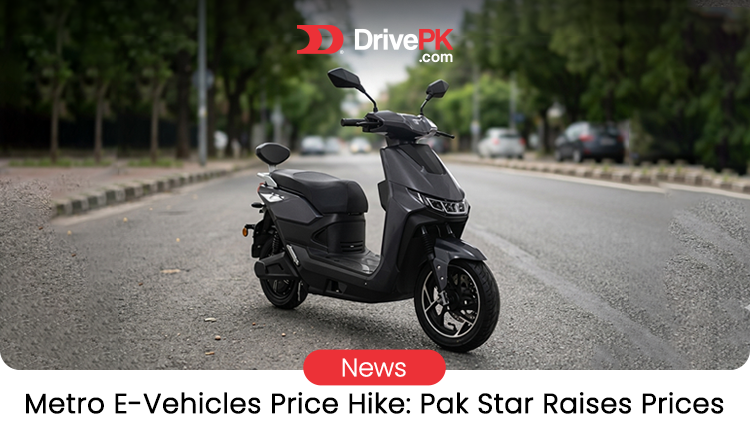
Table of Contents
- Why Electric Vehicle Prices Are Rising Too
- How This Fits into Pakistan’s Current Fuel Situation
- What This Means for Buyers Right Now
- Broader Picture for EVs in Pakistan
- Should You Buy Now or Wait?
Pak Star Automobile (Pvt.) Ltd has quietly increased the retail prices of its Metro e-vehicle lineup by Rs 5,000. The change took effect from April 3, 2026. Dealers now add this extra amount to all new orders and payments.
The company explained the move comes from rising operational costs. Sea freight charges went up. Logistics expenses from Karachi seaport to their factory increased. And the recent surge in petrol and diesel prices added more pressure. Even electric vehicles feel the ripple effects of higher fuel costs in Pakistan.
This comes right after the government cut petrol prices by Rs 80 per liter to Rs 378 with a one-month freeze. Yet the earlier hike to Rs 458 still left its mark on transportation and supply chains.
Why Electric Vehicle Prices Are Rising Too
Many people think electric scooters and bikes stay untouched by petrol price changes. But that is not entirely true. Most Metro models come from overseas parts or complete units that travel by sea. Higher global shipping costs and local transport from the port directly raise the landed cost.
Pak Star's factory faces the same fuel-related expenses for moving materials and finished vehicles. When diesel prices jump, everything from trucking to port handling gets costlier. The company passed on only a small part of that burden — just Rs 5,000 across the board.
This is not the first adjustment. Metro had offered some price reductions earlier, and there were lithium battery hikes in February. But this April change stays modest compared to the big swings in petrol rates.
Popular models include the Metro T9 Sport (around Rs 184,000 before the hike), Metro Metrix (Rs 240,000 range), Metro M6 Empower, Thrill Pro, and others. After the increase, buyers pay Rs 5,000 more on each. The exact new prices depend on the variant and any ongoing promotions.
How This Fits into Pakistan’s Current Fuel Situation
Petrol prices remain high even after the recent cut. The earlier spike to Rs 458 per liter hit hard. Transport costs shot up. Goods movement became expensive. That pressure reaches EV makers too, because supply chains still rely on trucks and ships powered by fossil fuels.
At the same time, high petrol rates push more people toward electric options. Daily commuters look for ways to escape the pump price pain. A Metro electric scooter can save hundreds of rupees every week compared to a petrol bike, especially for short city rides in places like Rawalpindi, Lahore or Karachi.
The government also runs schemes like PAVE that offer subsidies on electric bikes. Some Metro models qualify for up to 20% support plus easy installments. That can soften the impact of this Rs 5,000 hike for many buyers.
Still, the timing feels tricky. Just when the Prime Minister announced relief on petrol and free public transport for a month, an EV price increase lands. It shows how interconnected everything is in the economy.
What This Means for Buyers Right Now
If you planned to buy a Metro e-vehicle soon, the extra Rs 5,000 adds a small but noticeable cost. For budget-conscious riders, it might mean checking current dealer offers or government subsidy eligibility before placing an order.
The hike applies to all models in the lineup. Dealers received clear instructions to include the new amount in payments. Anyone with a booking before April 3 might still get the old rate — it is worth confirming directly with the showroom.
On the positive side, electric two-wheelers keep their main advantage: low running costs. No frequent petrol fills. Less maintenance. Cleaner rides. In a country where fuel prices swing often, that long-term saving matters more than a one-time Rs 5,000 bump.
Many young riders and delivery workers already switched to Metro models for daily use. The brand focuses on practical features like decent range, comfortable seating, and reliable batteries. Models with lithium options give better performance for those who need longer distances.
Broader Picture for EVs in Pakistan
Electric vehicle sales picked up in recent months. High petrol prices made people calculate running costs more carefully. Even with this small price adjustment, Metro remains one of the affordable choices in the local market.
Pak Star Automobile started making Metro electric two-wheelers a few years back under technical partnerships. The company aims to offer environment-friendly and cost-efficient options. Their factory in Sheikhupura area handles assembly and distribution.
Challenges remain. Charging infrastructure is still growing. Battery costs can fluctuate. And imported components keep EVs sensitive to global shipping rates and currency movements.
Yet the direction is clear. Every time fuel prices rise, interest in electric bikes grows. The recent government relief package — free buses, bike subsidies, and farmer diesel support — tries to ease immediate pain. In the longer run, more people may see EVs as a practical escape from repeated petrol shocks.
Should You Buy Now or Wait?
The Rs 5,000 increase is modest. It reflects real cost pressures rather than profit-seeking. If you need a new ride for work or family, compare the total ownership cost: purchase price plus years of electricity versus petrol.
Check your nearest dealer for exact updated prices and any subsidy schemes. Some provinces rolled out extra help for motorcyclists alongside the petrol freeze. That Rs 2,000 monthly support for registered bikes can help offset small price changes.
Metro e-vehicles continue to serve daily commuters who want simple, reliable transport without the daily worry of fuel rates. This latest adjustment is a reminder that even the green options feel the heat when global and local costs move together.
For now, the change is done. New orders carry the updated price. But the bigger story stays the same: high fuel costs keep pushing Pakistan toward more electric choices, one small step at a time. For more updates, visit DrivePK.com
Tags
Share this article
About the Author

Najeeb Khan
Automotive enthusiast and writer
Comments (0)
Login Required
You need to be logged in to comment on this article.
No comments yet. Be the first to share your thoughts!
Related Articles
Oil Prices Near $100: Impact on Pakistan
Brent nears $100 after a sharp swing linked to China’s fuel-export curbs—but Pakistan’s petrol and diesel prices remain unchanged for now.
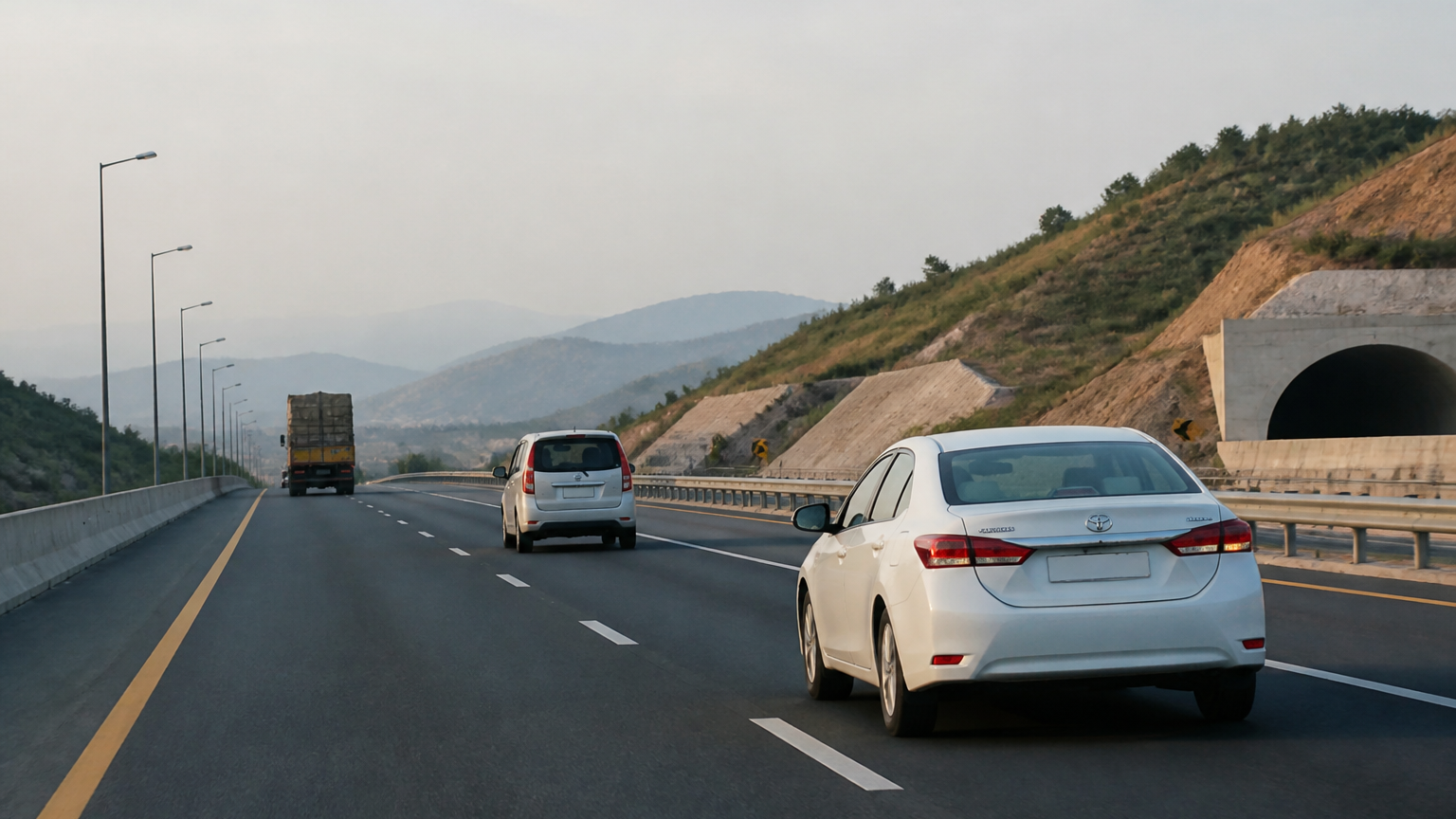
Pakistan Motorway Projects: PM Inauguration Soon
PM Shehbaz may inaugurate key road projects soon, including Lodhran-Multan, Peshawar Bypass and M-4 works—but no date or opening is confirmed.
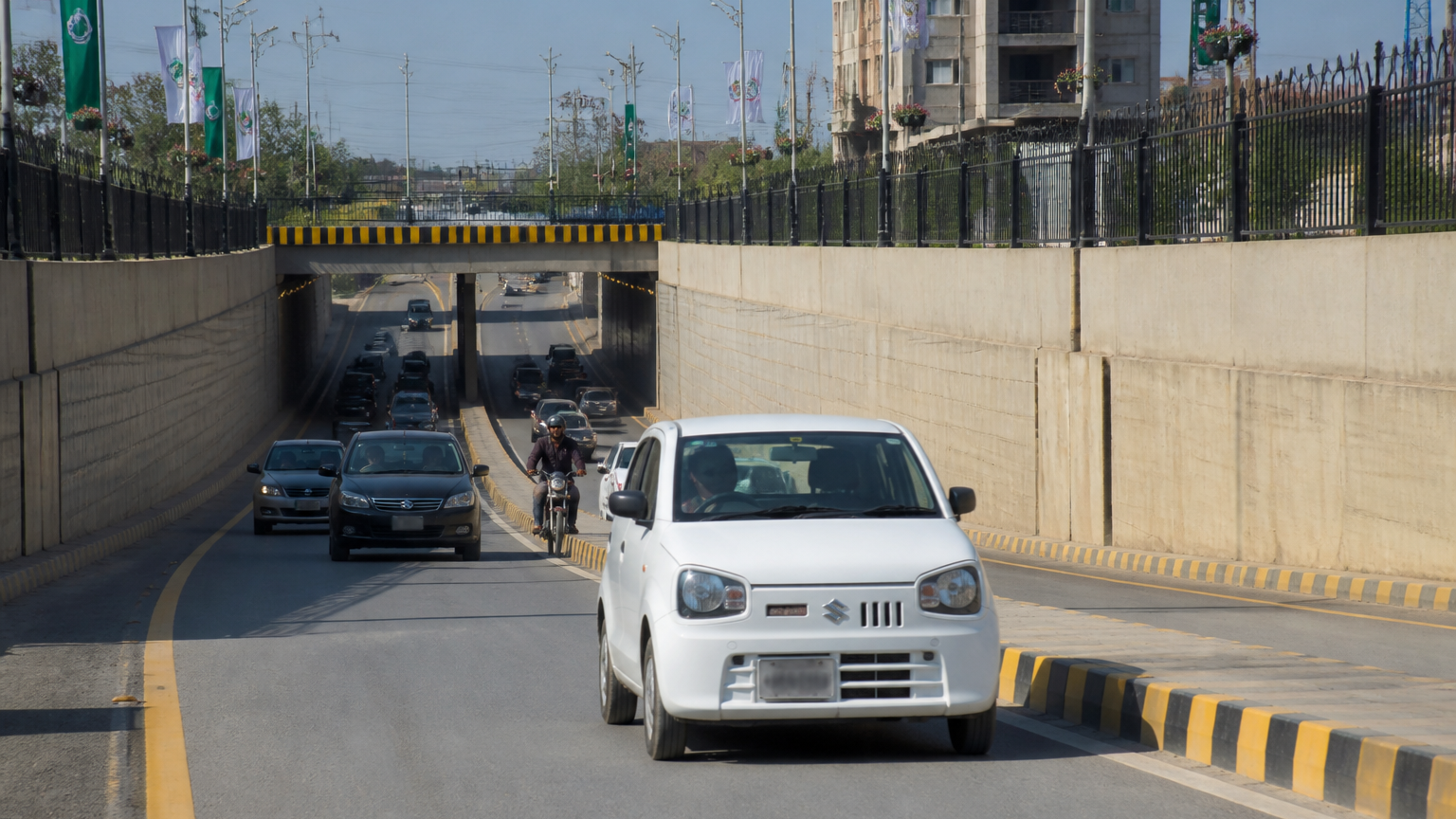
Hayatabad Underpass Opens in Peshawar for Rs1.6bn
Peshawar opens a Rs1.6bn Hayatabad underpass after 90 days—promising faster commutes, but will it truly ease rush-hour traffic?