Multan-Vehari Road Project Nears Completion: What It Means for South Punjab
The long-awaited Multan-Vehari Road project is almost done. With 80% work finished, this 90-km stretch will soon offer smoother, safer travel and support local businesses. Officials inspected progress recently and confirmed the June 30 deadline. Here's what it changes for people in the region
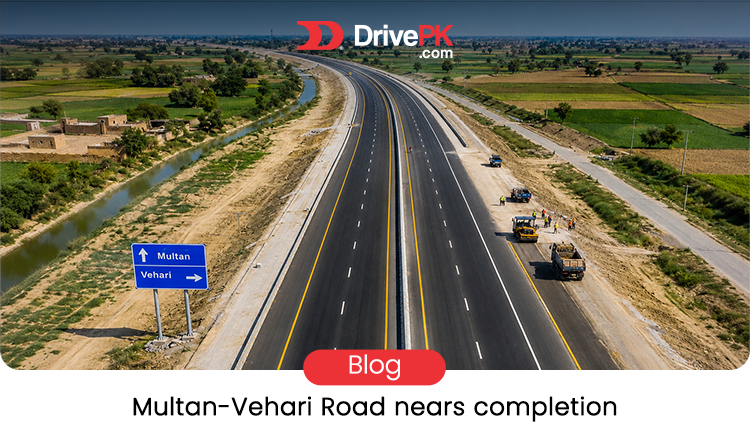
Table of Contents
- Why This Road Matters So Much
- Breakdown of the route:
- Current Progress: What We Know
- How It Will Change Daily Life
- Economic Boost for South Punjab
- Challenges Along the Way
- What to Expect After Completion
- A Step Toward Bigger Goals
- Looking Ahead
If you have ever travelled between Multan and Vehari, you know the frustration. Potholes, dust, and slow traffic have made the journey tiring for years. But things are changing. The 90-kilometre Multan-Vehari Road project is now in its final stretch. Officials say it will be ready by June 30.
Multan Division Commissioner Amir Kareem Khan recently checked the site. He walked through key sections and pushed contractors to keep quality high while finishing on time. Around 80% of the work is already done. The focus now sits on stretches like Metla Chowk to Tibba Sultanpur.
This is not just another road fix. It connects three districts and serves over 24,000 vehicles every day. For farmers, traders, students, and families, it brings real hope.
Why This Road Matters So Much
The route from Multan to Vehari has a long history. Parts of it trace back to old trade paths, including links once used toward Delhi. Over time, it became a lifeline for agriculture and small businesses in South Punjab.
Vehari itself sits in a rich farming area. Cotton, wheat, sugarcane, and fruits move through this corridor. But the old single carriageway could not handle modern traffic. Accidents were common. Travel times stretched longer than they should. Dust clouded the air and affected health.
The new project changes that. It upgrades the full length with dual carriageway in major parts, better surfacing, and modern engineering. Many call it Punjab’s first dust-free road of this scale.
Breakdown of the route:
- About 20 km in Multan district
- 10 km in Khanewal
- Around 60 km in Vehari
Total cost runs near Rs 25 billion. Work started in 2025 after approval from Chief Minister Maryam Nawaz. The government positioned it as a response to years of public demand.
Current Progress: What We Know
During the latest inspection, the commissioner reviewed several spots. Teams have completed major earthwork, carpeting, and overlay in different sections. In Vehari, several kilometres already have fresh surfacing. Khanewal shows steady advancement too.
The remaining work focuses on finishing touches, shoulders, drainage, and safety features. Officials stress that speed should not compromise standards. The June 30 target looks realistic if teams stay focused.
One standout feature is the push for a cleaner surface. Reduced dust means better air quality along the route and lower maintenance costs for vehicles.
How It Will Change Daily Life
Think about the mother who travels to Multan for her child’s treatment. Or the farmer moving produce to market before it spoils. Or the trader sending goods toward the M-4 motorway.
Shorter travel times: What once took stressful hours should become quicker and more predictable.
Fewer accidents: Better alignment, markings, and width help reduce risks.
Lower vehicle costs: Smoother roads cut fuel use and repair bills.
Cleaner air: Dust-free technology benefits roadside communities and farmers.
For students commuting between towns, it means less exhaustion. For businesses, it opens faster links to bigger markets.
Economic Boost for South Punjab
South Punjab relies heavily on agriculture and small industries. Good roads turn produce into profit by getting it fresh to buyers. This project links directly to the M-4, improving access to national trade routes.
Local contractors, labourers, and material suppliers have already seen work from the construction phase. Once finished, the road should attract more investment. Better connectivity often leads to new shops, warehouses, and services along the corridor.
Experts note that such upgrades reduce transport costs, which makes Pakistani goods more competitive. In a region where many families depend on farming, even small savings add up.
Challenges Along the Way
No big project comes without hurdles. Weather, land issues, and supply delays can slow things down. But the recent inspection showed strong oversight. The commissioner made it clear that public benefit comes first. Quality remains non-negotiable.
People living nearby have waited long enough. Many remember past promises that did not materialise. This time, visible progress has built cautious optimism.
What to Expect After Completion
The road will not solve every problem overnight. But it removes one major barrier. Safer travel at night, less congestion during peak hours, and reliable transport for goods should follow.
Maintenance plans will matter in the coming years. Good roads need care to stay good. Hopefully, the same attention given to building it will continue afterward.
A Step Toward Bigger Goals
This project fits into wider efforts to strengthen South Punjab. Better roads support health access, education, and economic activity. When people can move easily, opportunities spread further.
For residents tired of broken journeys, this feels personal. It shows that consistent pressure and government follow-through can deliver results.
The coming weeks will be important. If the June 30 deadline holds, many families will soon drive on a much-improved road. That matters.
Looking Ahead
Infrastructure like this builds slowly but affects daily life for decades. The Multan-Vehari Road stands as a practical example of focusing on real needs.
If you travel this route often, keep an eye on the final works. The difference should be noticeable. Smoother rides, less dust, and shorter trips are on the way.
South Punjab has waited years for reliable connectivity on this stretch. The end is now close. For commuters, farmers, and businesses, that brings quiet relief and fresh possibilities. For more updates, visit DrivePK.com
Tags
Share this article
About the Author

Najeeb Khan
Automotive enthusiast and writer
Comments (0)
Login Required
You need to be logged in to comment on this article.
No comments yet. Be the first to share your thoughts!
Related Articles
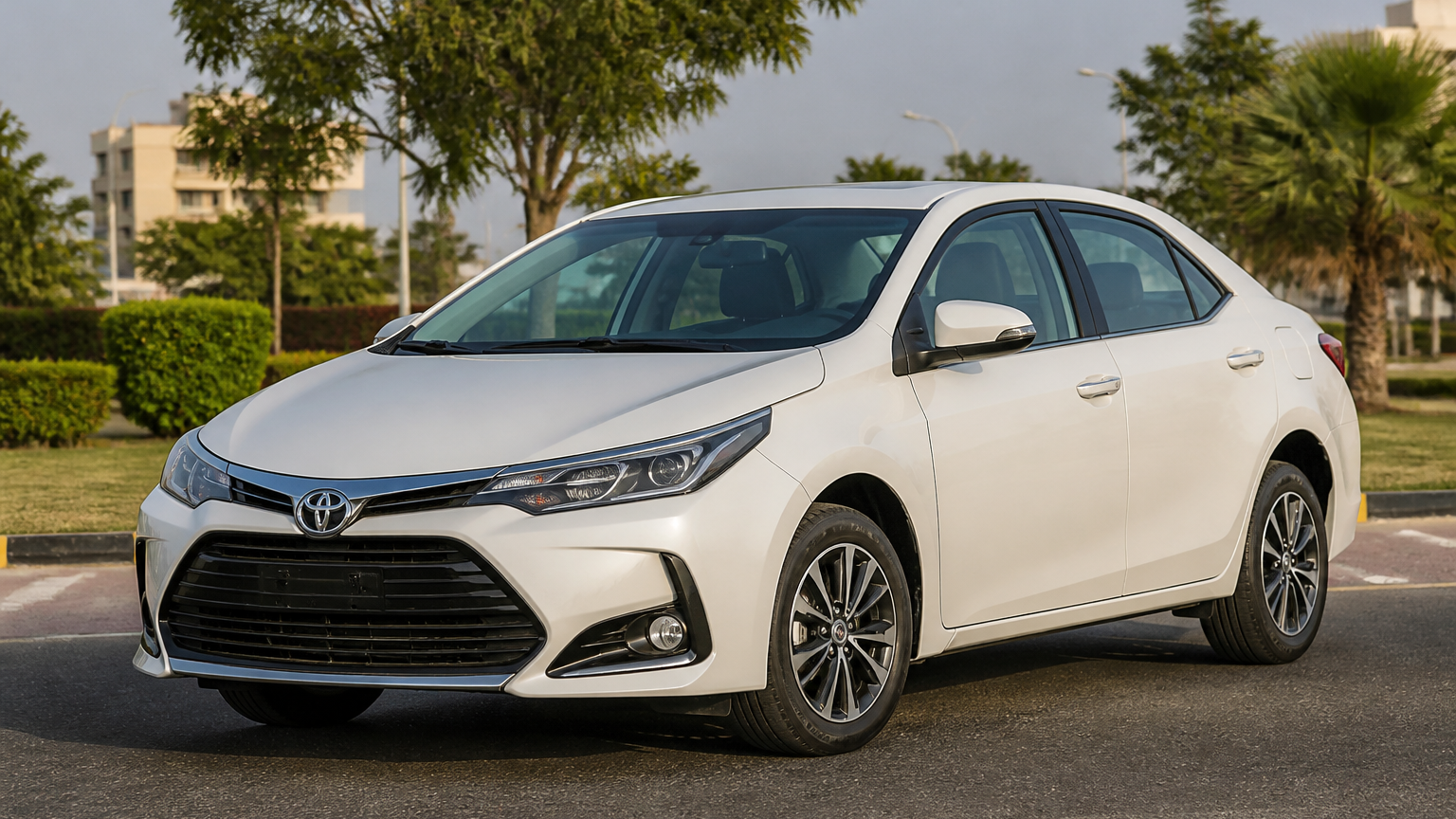
Toyota Corolla Discontinued Before Pakistan Facelift
Pakistan’s pre-facelift Toyota Corolla is reportedly discontinued, hinting at a facelift. Prices, bookings, specs and launch timing remain unconfirmed.
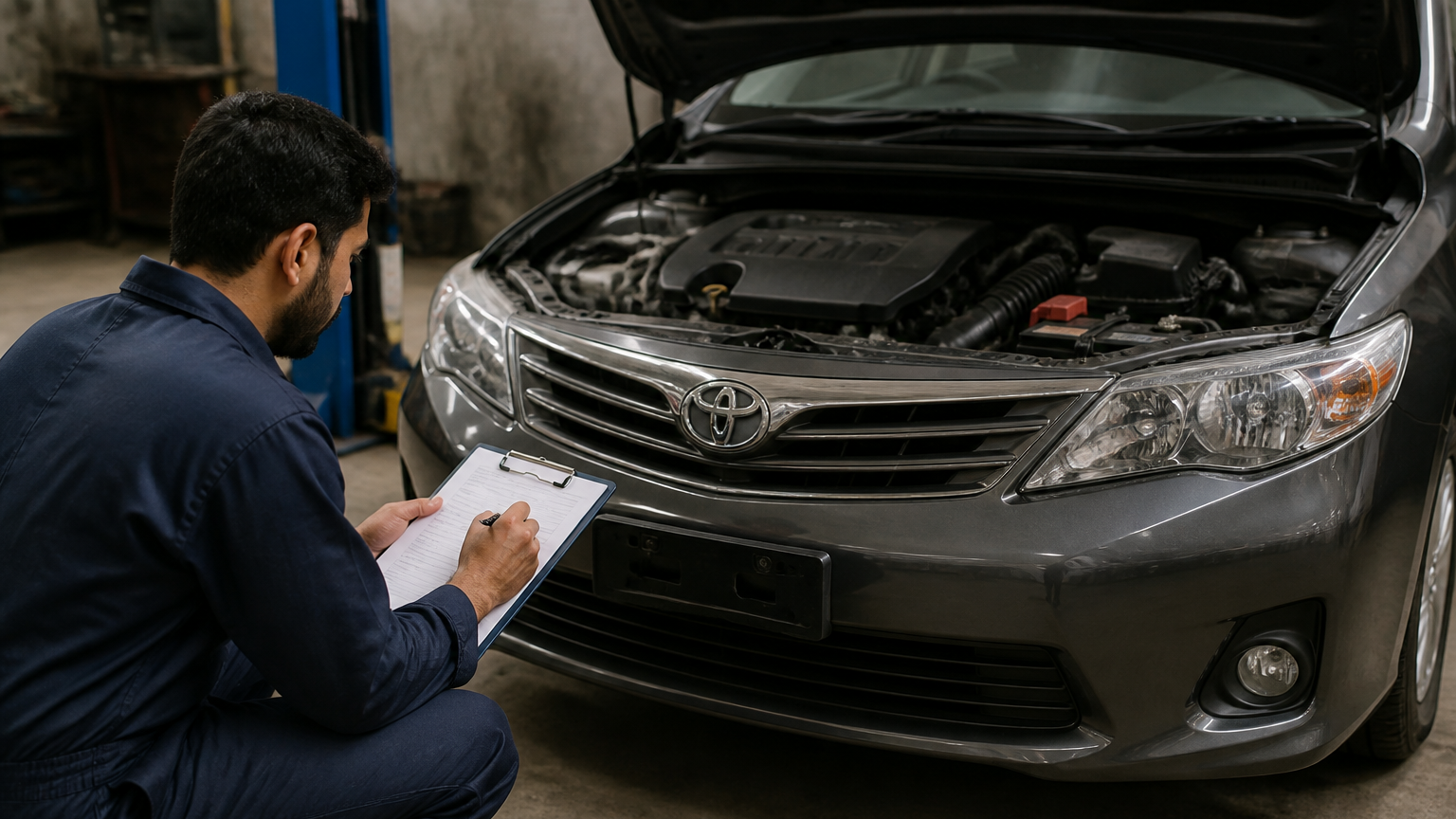
DrivePK Car Inspection Reports: Buy with Confidence
Buying a used car in Pakistan? A pre-purchase inspection can reveal hidden damage, engine issues and red flags before you pay—but it’s not enough alone.
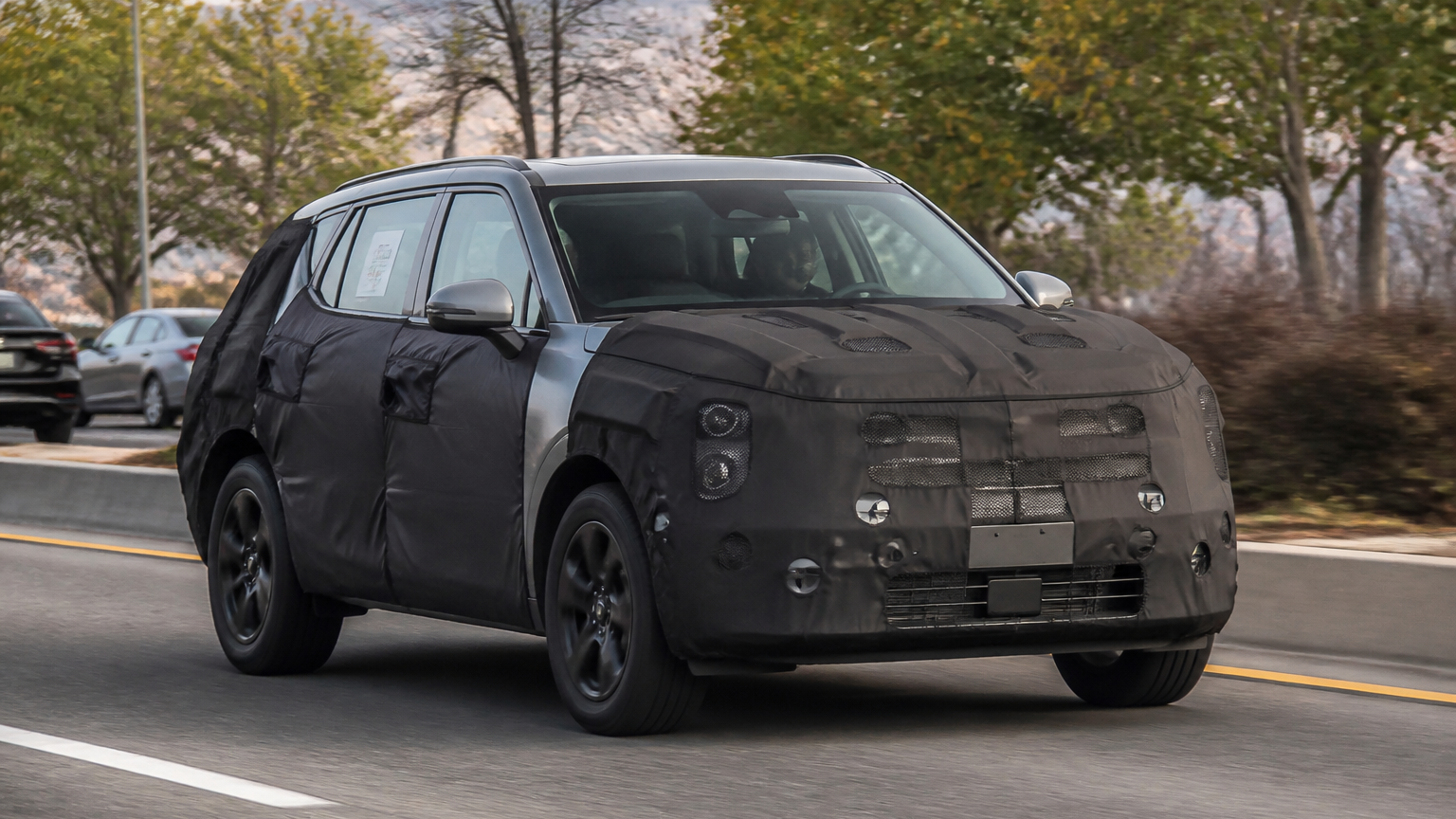
2028 Kia Sportage: Major Design Changes Spotted
Kia’s next Sportage may get a bolder, boxier redesign, with an upright profile, sharper lines, wider grille and split headlights hinted by spy shots.