New Traffic Warden System Starts in Five Punjab Cities
Punjab Traffic Police has launched a new Traffic Warden System in five major cities. The first phase covers Lahore, Rawalpindi, Faisalabad, Multan and Gujranwala. Doctors, engineers and IT experts have joined the force to bring better technology and skills to daily traffic work.
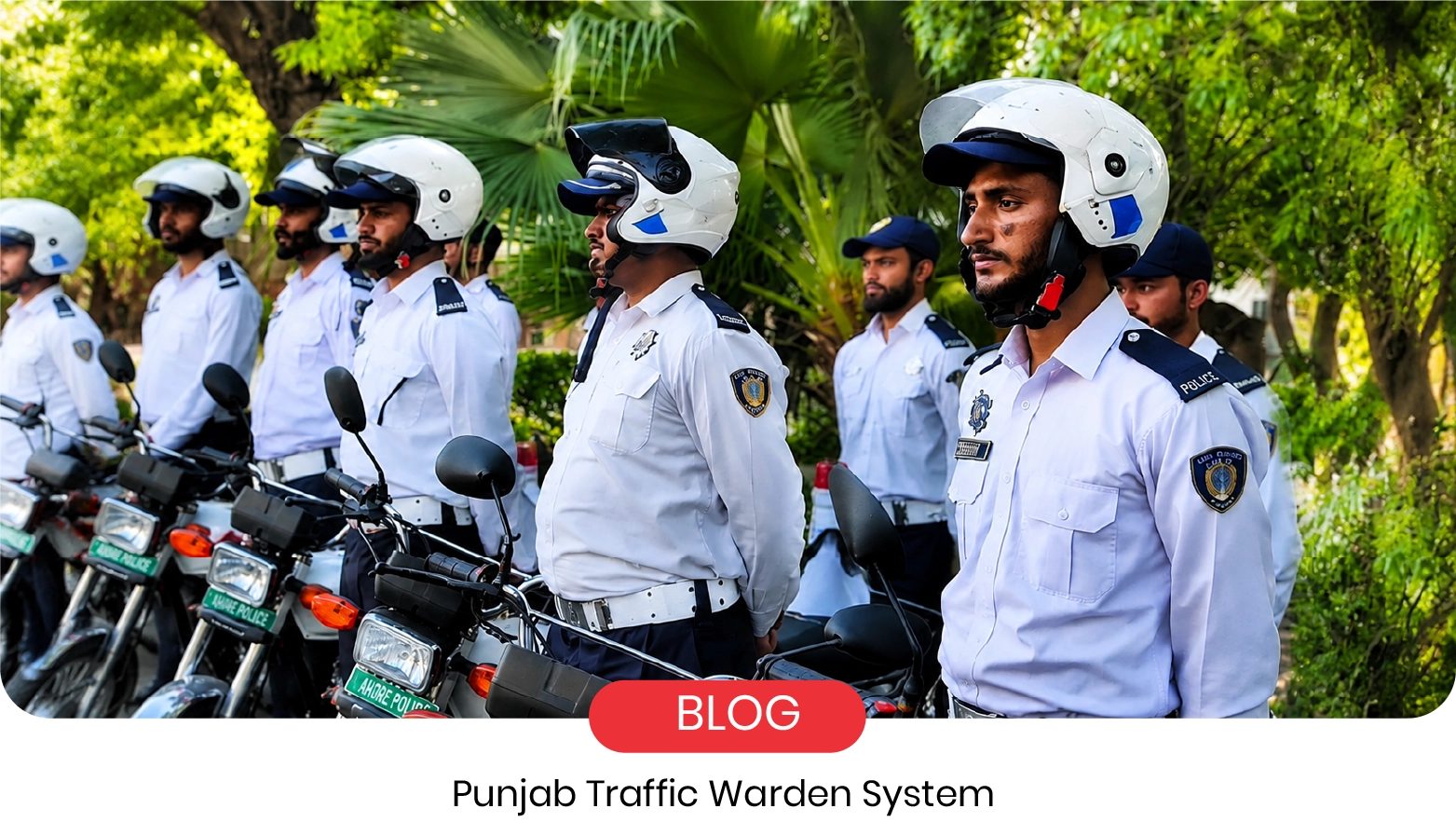
Table of Contents
- Who Is Joining the Force
- What the System Aims to Deliver
- Tribute to Those Who Served
- Why These Five Cities Matter
- Everyday Reality for Drivers
- How This Fits the Bigger Picture
- What Comes Next
If you drive in Lahore, Rawalpindi, Faisalabad, Multan or Gujranwala, you know how messy the roads can get. Long queues at signals. Sudden jams. Confusing diversions. And the constant worry about how fair or clear the traffic rules feel on the ground.
Punjab Traffic Police has started a new Traffic Warden System to tackle some of these everyday problems. The first phase covers the five largest cities. Officials say the goal is simple: make traffic management more organised, modern and useful for the public.
Head of Punjab Traffic Police Muhammad Waqas Nazir described the change as part of a wider push toward better service. The department wants a force that works with clearer systems and stronger skills.
Who Is Joining the Force
One clear shift is in recruitment. The department has brought in doctors, engineers, IT experts and other professionals. These people are not the usual traffic officers. They bring specialised knowledge.
Doctors can help with health-related road issues and emergency response planning. Engineers understand road design and flow. IT specialists work on digital tools, data and apps. Officials believe this mix will improve planning, digital enforcement and day-to-day operations.
The idea is to move beyond traditional methods. Technology and specialist skills are meant to support the wardens already working on the roads.
What the System Aims to Deliver
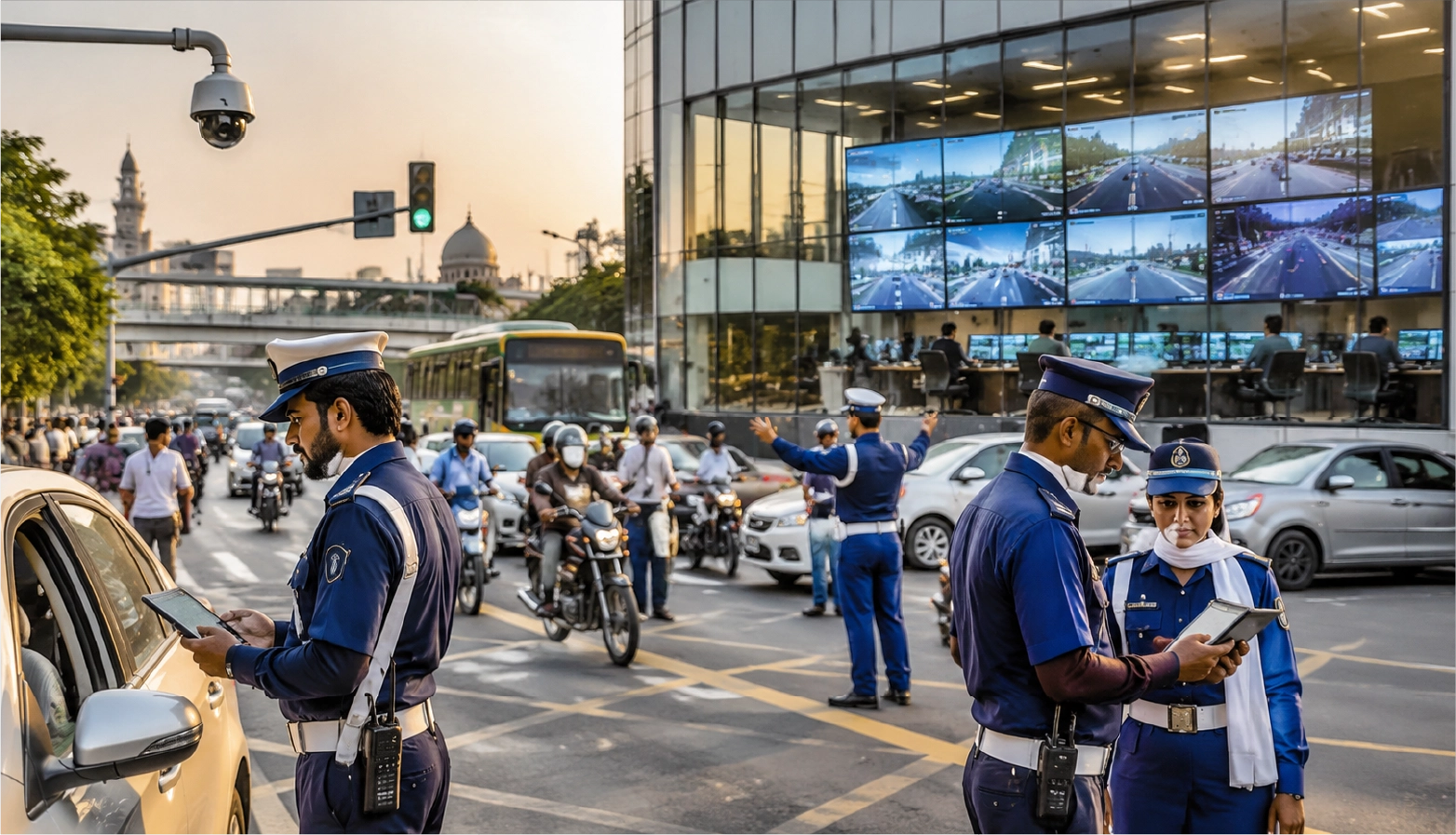
The new setup focuses on three things: better traffic flow, clearer public services and stronger organisation inside the force.
In these five cities, traffic wardens already handle urban roads. The upgrade is meant to make their work more professional. Officials talk about faster services for motorists and smarter use of technology.
This fits with other recent steps. Punjab has expanded e-challan systems that use photos and video as evidence. Drivers now get an SMS with a link so they can see the proof. Digital licensing and training programmes are also part of the larger picture. New career paths, including Junior Traffic Warden posts, have been added to give staff clearer progression.
The Traffic Warden System builds on that foundation. It tries to link people, technology and process more coherently.
Tribute to Those Who Served
During the launch, Muhammad Waqas Nazir paid special attention to the human side of the force. He remembered officers who lost their lives while on duty over the past 20 years. He said their sacrifices remain a source of strength for everyone still serving.
He also recognised injured and retired personnel. He called them a valuable part of the department’s history and said their work would continue to be respected.
These words matter. Traffic work is often hard and sometimes dangerous. Acknowledging those who paid a high price helps keep the focus on service rather than just systems.
Why These Five Cities Matter
Lahore, Rawalpindi, Faisalabad, Multan and Gujranwala carry a large share of Punjab’s road traffic. They are centres of business, industry, education and daily commuting. Congestion in these places affects millions of people every day.
A more organised traffic system in these cities can have wider effects. Smoother movement helps workers reach jobs on time. It supports trade and reduces stress for families. Better enforcement, when done fairly, can also cut the number of dangerous driving habits.
The first phase is a test. How well it works here will shape plans for other districts later.
Everyday Reality for Drivers
Most people just want to get from one place to another without unnecessary delay or confusion. They want clear rules and consistent treatment. They want officers who can handle problems without creating new ones.
The new system tries to answer some of those needs. Specialists in technology can improve how data is used to manage peak hours. Engineers can help design better temporary arrangements during road work or events. Doctors can support response when accidents happen.
None of this removes the need for good road manners from drivers themselves. Rules still matter. But a better-equipped force can make the roads feel more predictable.
How This Fits the Bigger Picture
Punjab Traffic Police has been adding digital tools for some time. Evidence-based challans, apps and training programmes are already in use. The Traffic Warden System brings people with different professional backgrounds into that mix.
It also continues institutional changes such as new ranks and clearer career paths. These steps aim to keep experienced people in the force and attract others with useful skills.
Officials present the launch as a practical step rather than a grand promise. The real test will come on the roads over the coming months. Drivers will notice whether signals work better, whether information is clearer, and whether enforcement feels more consistent.
What Comes Next
The first phase is limited to five cities. Expansion to other areas will depend on results. Training, equipment, and coordination between the new specialists and existing wardens will decide how smooth the change feels.
For now, the message from the department is clear. The force wants to work with modern tools and a wider range of expertise. It also wants to honour the people who have served, including those who gave their lives.
Drivers in Lahore, Rawalpindi, Faisalabad, Multan and Gujranwala will be the first to experience the difference. If the system reduces daily friction and makes the roads a little safer and more orderly, it will have met its basic goal.
Traffic management is never finished. New vehicles keep coming. Cities keep growing. The latest step by Punjab Traffic Police is one more attempt to keep pace with that reality. For more updates, visit DrivePK.com
Tags
Share this article
About the Author

Najeeb Khan
Automotive enthusiast and writer
Comments (0)
Login Required
You need to be logged in to comment on this article.
No comments yet. Be the first to share your thoughts!
Related Articles
N-45 اپ گریڈ: چکدرہ–تیمرگرہ منصوبہ، مالیت 17 ارب روپے
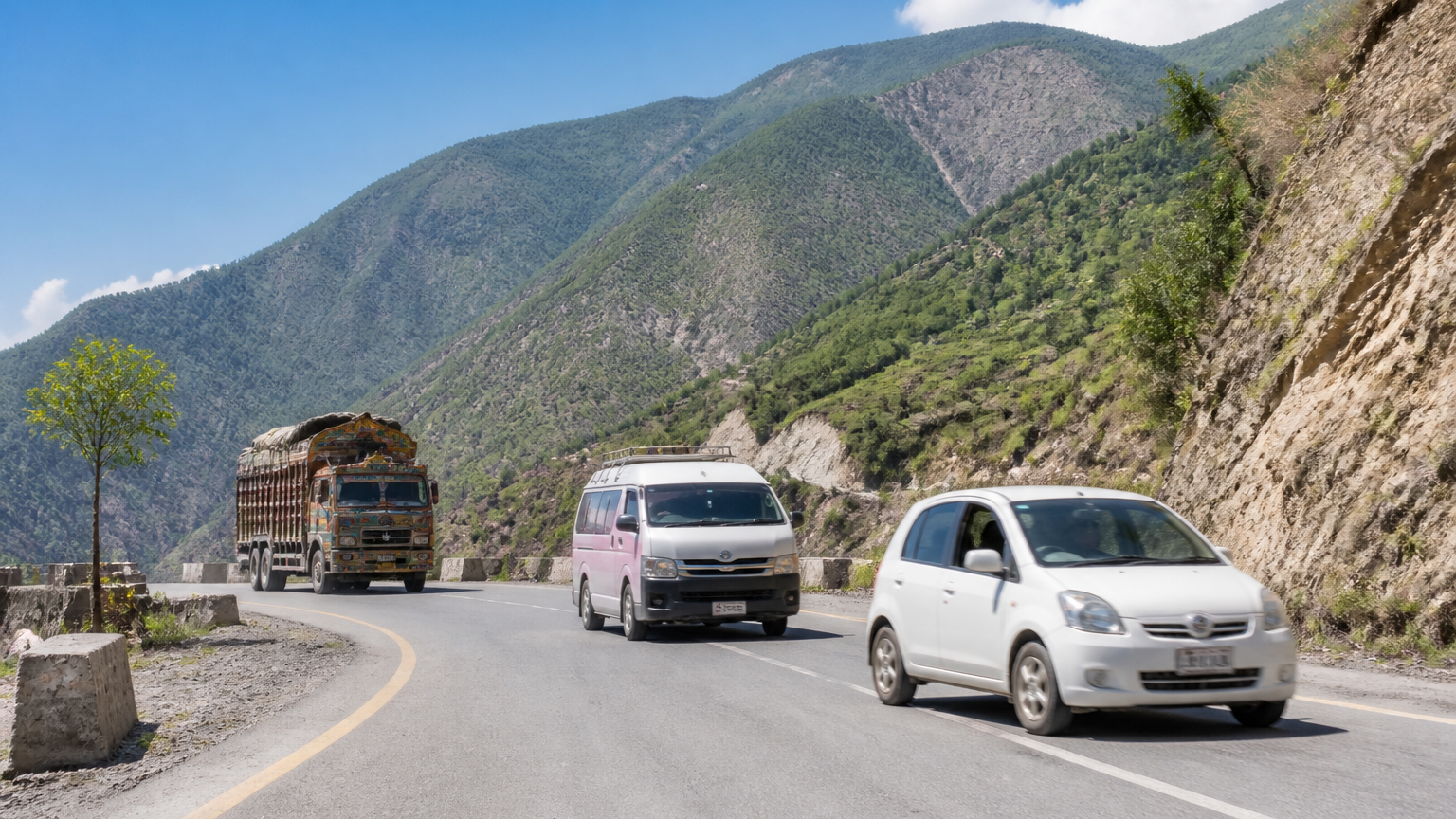
N-45 کے 17 ارب روپے کے چکدرہ–تیمرگرہ توسیعی منصوبے سے دیر اور چترال کا سفر آسان ہو سکتا ہے—لیکن تعمیرات اور آغاز کی تاریخ تاحال غیر مصدقہ ہیں۔
N-45 Upgrade: Rs17bn Chakdara–Timergara Project
N-45’s Rs17bn Chakdara–Timergara widening plan could ease Dir and Chitral travel—but construction and a start date remain unconfirmed.
کشمیر چوک اسلام آباد بند: متبادل راستے
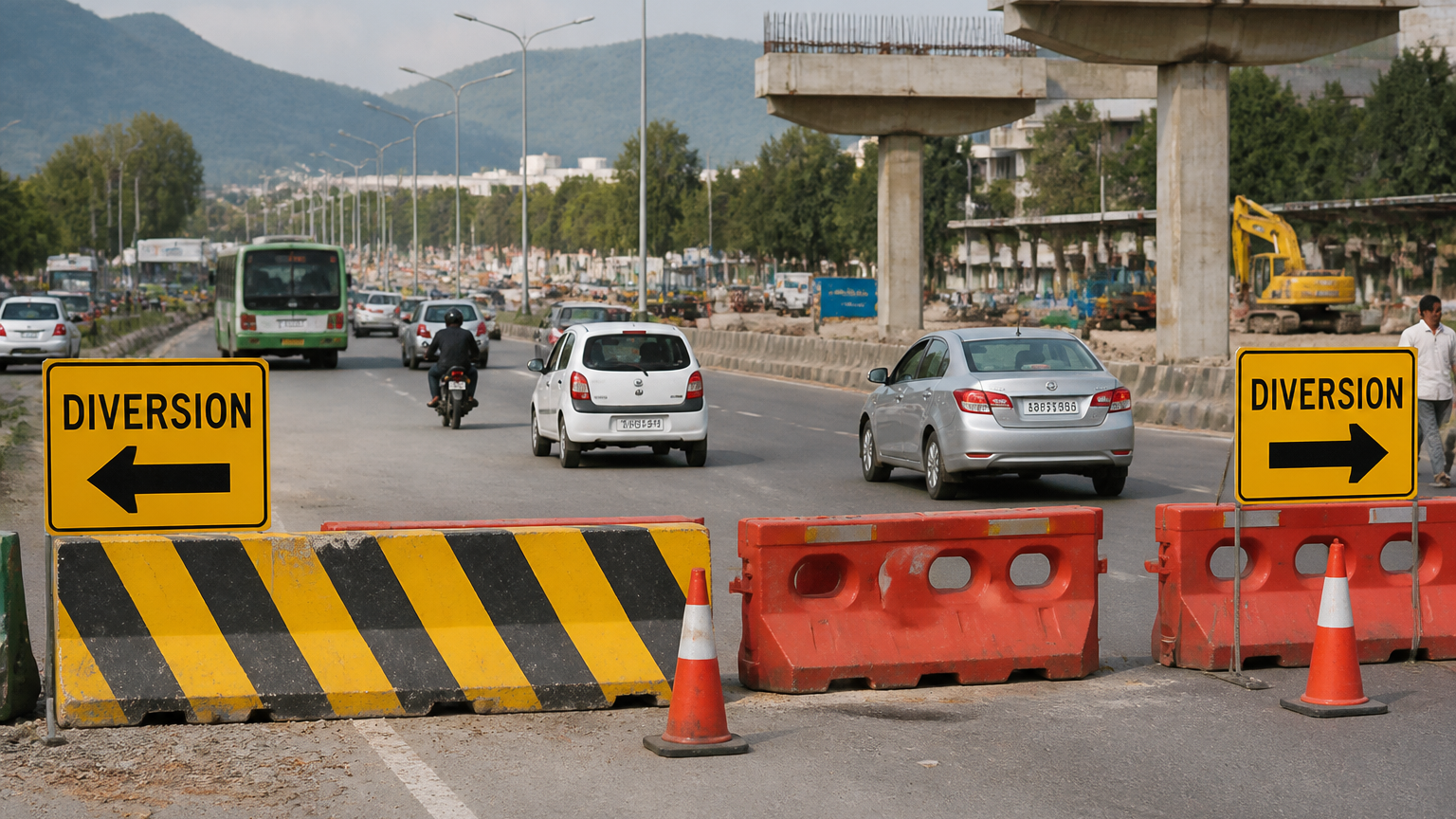
کشمیر چوک زیرِگزر کے کام کی وجہ سے مزید اطلاع تک بند ہے۔ بھارہ کہو، راول ڈیم چوک اور قریبی علاقوں کی جانب جانے والے ڈرائیورز متبادل راستے اختیار کریں۔