Pakistan Auto Industry Alarmed by CBU Import Duty Cuts
Pakistan’s auto sector is raising red flags after the government cut import duties on completely built-up vehicles. Industry leaders say this makes imported cars cheaper than locally made ones, threatening big investments and millions of jobs. Here’s a straightforward look at the issue and what it could mean.
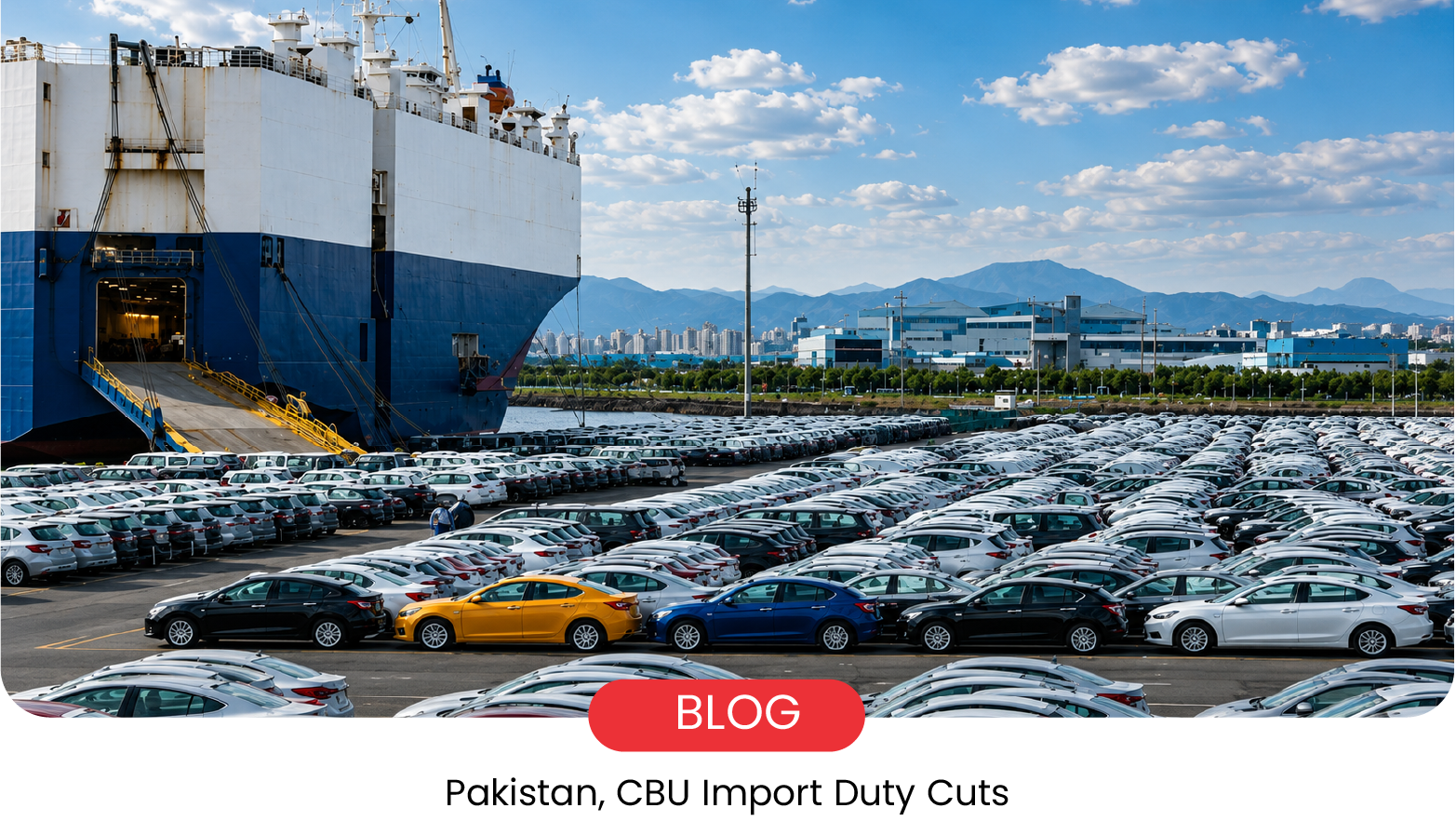
Table of Contents
- Understanding the Tariff Change
- The Scale of the Auto Industry
- Why Industry Leaders Are Concerned
- The Other Side: Benefits for Consumers?
- Balancing Protection and Competition
- What Happens Next Matters
- A Path Forward
The auto industry in Pakistan supports a lot of families. From big assembly plants to small parts makers, it keeps people working and money moving in the economy. Now, many in the sector feel worried. The federal government recently reduced import duties on completely built-up (CBU) vehicles as part of the National Tariff Policy. Industry groups say this change could make imported cars more attractive than those put together here.
They argue it puts billions in investment and around 1.8 to 2.5 million jobs at risk. Local manufacturers want a balanced approach that protects work done inside the country while still allowing healthy growth.
I dug into the details, checked recent reports, and looked at both sides. Here’s what’s really happening and why it matters for workers, buyers, and the bigger economy.
Understanding the Tariff Change
Under the new structure, duties on fully assembled vehicles coming from abroad dropped in several categories. For smaller engines, the total tariff came down noticeably. At the same time, duties on parts used by local assemblers (CKD kits) and localised components stayed higher in some cases.
This created what the industry calls an “anomaly.” Importing a ready car can now cost less in duties than bringing in parts and building it locally. Localised parts sometimes face even higher effective rates. That flips the usual logic where local production should get some edge.
The Pakistan Automotive Manufacturers Association (PAMA) wrote to the Prime Minister about it. They represent major assemblers and say the shift threatens decades of progress. Similar voices come from parts makers who supply the chain.
The Scale of the Auto Industry
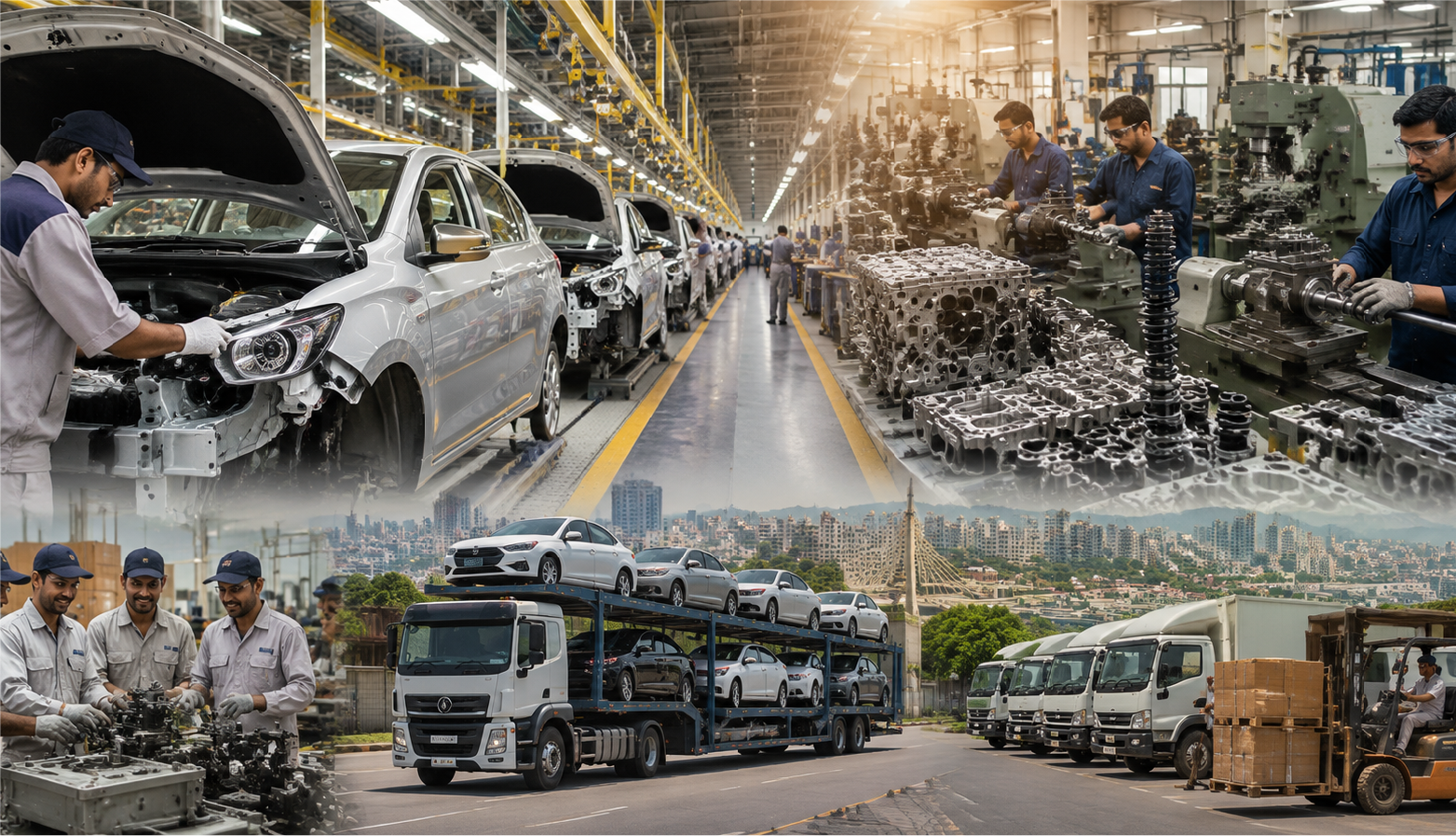
Pakistan’s auto sector is no small player. It has seen cumulative investments over $5 billion. Annual production hovers around 200,000 to 250,000 vehicles in recent years, though numbers vary. The full ecosystem, including vendors, dealers, and related services, supports 1.8 to 2.5 million jobs.
Hundreds of suppliers make parts, from simple items to more complex ones. Many small and medium factories depend on orders from big assemblers. When local production slows, the ripple effect hits these vendors hard. They employ skilled workers and invest in tools and machinery that need steady demand.
Localisation levels differ. Older Japanese brands often reach 50-70% local content in popular models. Newer entrants sometimes stay lower, relying more on imported kits. That already puts pressure on the vendor base. Further tilting the field toward imports could make things worse.
Why Industry Leaders Are Concerned
First, investment risk. Companies poured money into plants, tooling, and training expecting policy support for local work. If imports become much cheaper, those investments lose value. New projects might get delayed or cancelled.
Second, job losses. Each locally assembled vehicle creates work across the supply chain. A finished import skips most of that. Parts makers warn of factory closures and layoffs if demand drops. The sector already deals with challenges like high energy costs and competition.
Third, localisation setback. Past policies tried to increase local content to save foreign exchange and build skills. Higher duties on local parts compared to some imports send the wrong signal. Companies might choose to import more instead of investing here.
Fourth, foreign exchange impact. While imports might bring variety, they increase dollar outflows. Local assembly keeps more money inside the economy. In a country watching its reserves carefully, this balance matters.
Experts also point out that sudden changes create uncertainty. Investors like stable, predictable rules. Mixed signals can scare them away.
The Other Side: Benefits for Consumers?
Not everyone sees it as bad. Lower duties on imports could bring more choices and potentially lower prices for buyers. In a market where cars feel expensive for many, more competition might help. Some analysts say it pushes local makers to become more efficient.
The National Tariff Policy aims to simplify duties, reduce overall costs of industry inputs, and align with broader economic goals such as export growth. It’s part of efforts to make the economy more open and competitive.
For smaller cars or specific segments, cheaper imports could expand the market. More people might afford vehicles, boosting related businesses like insurance, fuel, and maintenance.
Balancing Protection and Competition
The industry isn’t against all imports or change. They want a level playing field. Suggestions include keeping a reasonable gap between CBU and CKD duties, tying benefits to actual localisation targets, and avoiding abrupt shifts.
Phased reductions over years, with clear milestones for local content, could work better. This gives companies time to adjust, invest, and compete. Support for vendors — like cheaper energy or financing would help too.
Electric vehicles add another layer. Policies encourage EVs, but the same tariff logic applies. Local assembly of EVs requires robust supply chains for batteries and parts if Pakistan wants real gains.
What Happens Next Matters
The government faces a tough call. It wants affordable vehicles for people and a strong industrial base. Both goals are important. Quick fixes or ignoring industry feedback could backfire. On the other hand, too much protection keeps prices high and innovation slow.
Stakeholders call for talks involving all sides — assemblers, vendors, government, and experts. A clear roadmap for the next auto policy could set things right. Focus on real localisation, technology transfer, and gradual opening makes sense for long-term strength.
For now, uncertainty hangs over the sector. Plants might slow production while waiting for clarity. Workers worry about stability. Buyers wonder if prices will drop or choices will improve.
A Path Forward
Pakistan has built a real auto industry over decades. It creates jobs, transfers skills, and contributes to the economy. Protecting that base while introducing fair competition seems wise. Used car imports already take a chunk of the market in some segments. Adding more pressure needs careful handling.
Local makers can compete if given tools like stable policy, cost relief on energy, and support for upgrading. Consumers win when there’s quality choice at reasonable prices, whether locally made or imported.
The coming weeks and months will show how this plays out. Industry appeals to the top leadership suggest room for adjustment. A smart balance could strengthen the sector instead of weakening it.
This situation highlights bigger questions about industrial policy. How does Pakistan grow manufacturing, create good jobs, and manage imports wisely? Getting the auto sector right offers lessons for other industries too. For more updates, visit DrivePK.com
Tags
Share this article
About the Author

Najeeb Khan
Automotive enthusiast and writer
Comments (0)
Login Required
You need to be logged in to comment on this article.
No comments yet. Be the first to share your thoughts!
Related Articles
Switching to an Automatic Car in Pakistan: What to Know
Switching to an automatic in Pakistan? Weigh traffic comfort against purchase price, servicing, gearbox support, and surprise repair costs.
شانگس کے قریب لینڈ سلائیڈ کے بعد سکردو روڈ بند
شانگس کے قریب بالتستان روڈ پر لینڈ سلائیڈ کے باعث سفر معطل ہوگیا ہے۔ مسافر اس مقام کو عبور نہ کریں؛ عملہ ملبہ ہٹا رہا ہے، تاہم دوبارہ کھلنے کا وقت تاحال معلوم نہیں۔
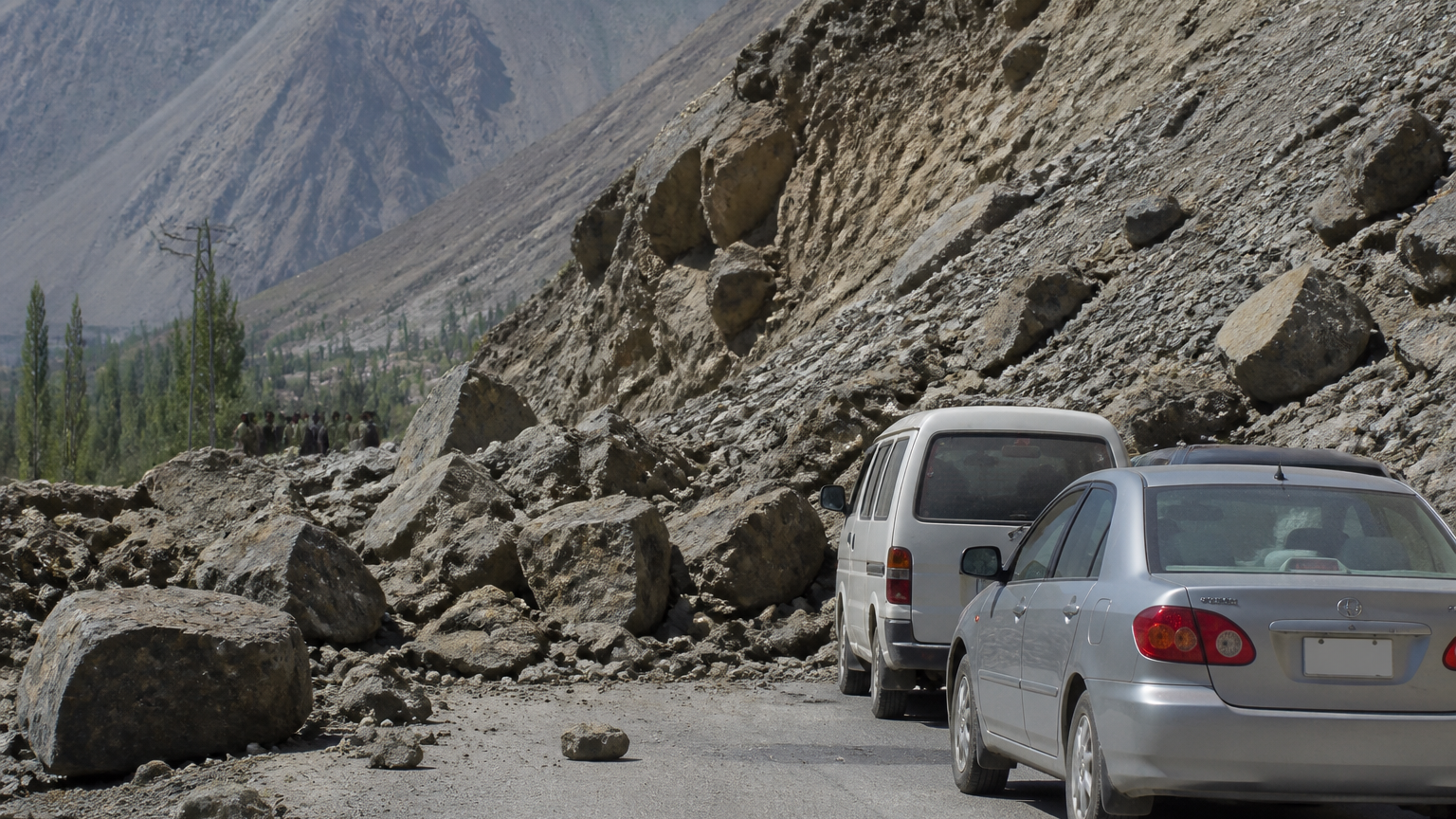
Skardu Road Closed After Landslide Near Shangus
Landslide blocks Baltistan Road near Shangus, stranding travelers. Avoid crossing; crews are clearing debris, but reopening time remains unknown.