Pakistan Auto Industry Crisis: Finance Act 2026-27 Threatens Local Manufacturing
Pakistan's auto makers are sounding the alarm over the Finance Act 2026-27. New tariffs make importing fully built cars cheaper than assembling them locally. PAMA warns this puts billions in investment and thousands of jobs at risk while slowing the shift to cleaner vehicles.
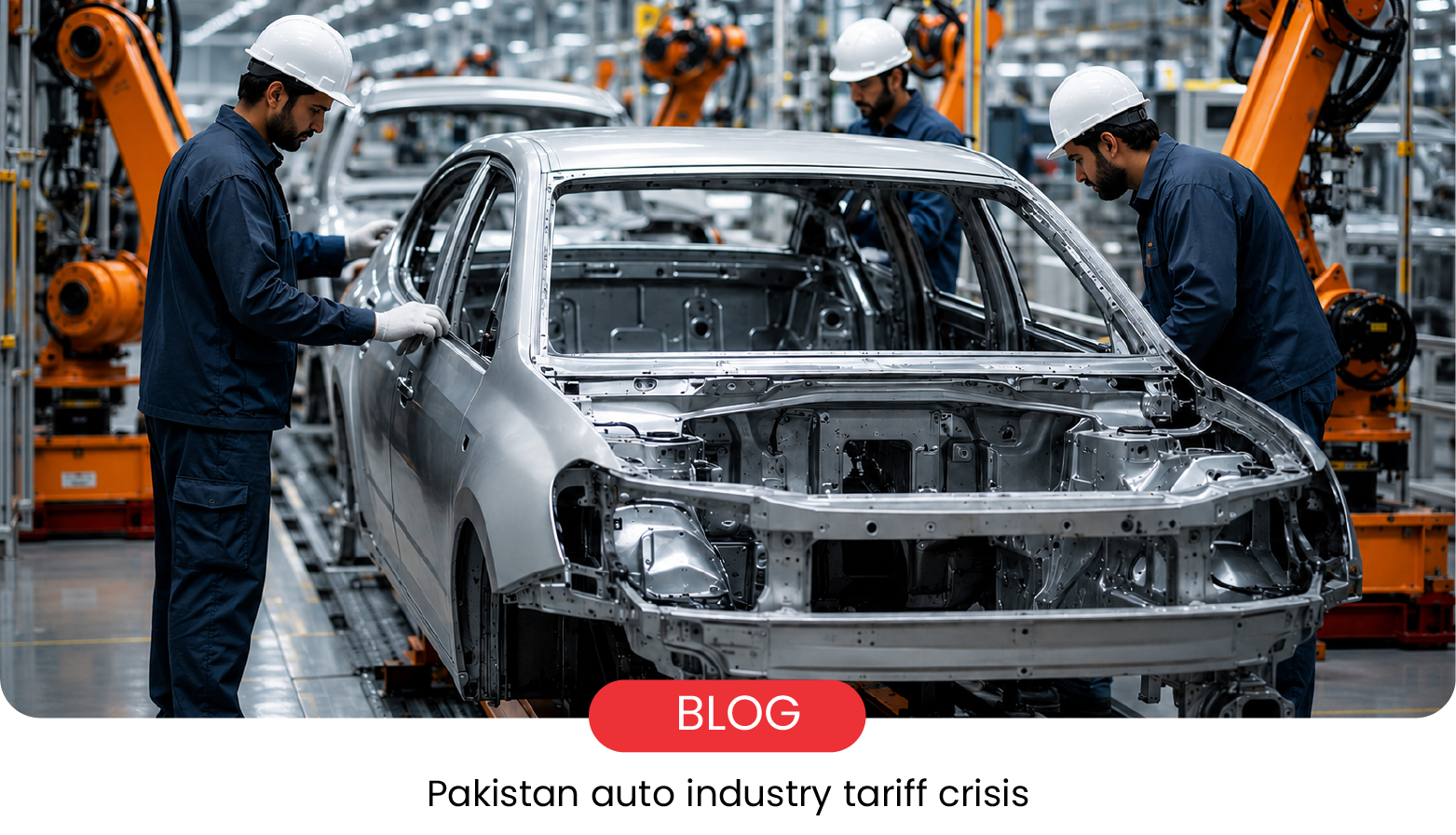
Table of Contents
- What Exactly Is the Problem?
- Under the updated tariffs:
- The GST Hike on Hybrids and PHEVs
- Why Local Manufacturing Matters
- The Call to Action
- Broader Context in Pakistan's Auto Sector
- Potential Impacts on Buyers and the Economy
- For consumers:
- For the economy:
- What Needs to Happen Next
- Experts and industry voices call for:
- A Turning Point for the Sector
Car prices, jobs, and the future of manufacturing in Pakistan are under threat. The Pakistan Automotive Manufacturers Association (PAMA) has written directly to Prime Minister Shehbaz Sharif. They say parts of the Finance Act 2026-27 create problems that could hurt local production badly.
The core issue is simple but serious. The new rules make it cheaper to bring in completely built-up (CBU) vehicles from abroad than to import parts and assemble cars here. This "inverted tariff structure" goes against years of efforts to build a strong local industry.
What Exactly Is the Problem?
Under the updated tariffs:
- Imported CBUs (especially smaller engines below 800-850cc) face lower customs duties around 30%.
- Commercially imported parts get hit with about 25%.
- But CKD kits (the packs of parts for local assembly) carry 32% or more.
- Locally sourced parts can face duties as high as 46%.
This math doesn't add up for local plants. Why invest in assembly lines, workers, and suppliers when you can simply import finished cars at a lower tax cost?
PAMA represents major assemblers producing over 100 models from 31 international brands. They warn that this threatens over $5 billion in investments and livelihoods for nearly 2.5 million families connected to the auto supply chain.
The GST Hike on Hybrids and PHEVs
There's another concern for cleaner vehicles. The General Sales Tax on locally assembled hybrid and plug-in hybrid vehicles jumped from 8.5% to 25%. This could make these transitional technologies more expensive for buyers at a time when Pakistan wants to reduce fuel imports and pollution.
Many see hybrids as a practical bridge while full EV infrastructure grows. Raising taxes on them now might slow that progress.
Why Local Manufacturing Matters
Pakistan has worked hard to develop its auto sector. Local assembly creates jobs, builds skills, brings technology transfer, and saves foreign exchange over time. The supply chain supports thousands of vendors making parts, seats, wiring, and more.
An inverted structure discourages that.
It could lead to:
- Reduced production volumes.
- Factory slowdowns or closures.
- Job losses in assembly and vendor industries.
- Less incentive for new investments.
PAMA points out that past policies encouraged localization. This change reverses that direction.
The Call to Action
In their letter, PAMA asks for immediate intervention. They want tariff rationalization so local assembly stays competitive. They also push for a stable Auto Policy 2026-2031 that gives clear direction and confidence to investors.
The association highlights disagreements between government departments (commerce, revenue, and industry). Resolving these quickly is key to restoring confidence.
Broader Context in Pakistan's Auto Sector
The industry already faces challenges like high inflation, currency fluctuations, and global supply issues. At the same time, there's growing interest in electric and hybrid vehicles. Brands like Geely are entering with EVs through partnerships such as with Bestway Group.
But if local assembly becomes unviable, new entrants might prefer pure imports too. That could limit long-term benefits like job creation and technology development.
Government goals include cutting fuel import bills and promoting greener mobility. Supportive policies for local production can help achieve both.
Potential Impacts on Buyers and the Economy
For consumers:
- Short-term, imported cars might seem cheaper.
- Long term, weaker local industry could mean higher prices, fewer choices, and poor after-sales support.
For the economy:
- Reduced industrial activity affects GDP.
- Lower tax revenue if production drops.
- Pressure on the balance of payments if imports rise.
Vendors and small businesses in the supply chain would feel the pain first.
What Needs to Happen Next
Experts and industry voices call for:
- Correcting the tariff inversion to align duties to favor local assembly.
- Reviewing the GST increase on hybrids.
- Finalizing a clear, long-term Auto Policy with predictable incentives.
- Continued support for EV and hybrid localization.
Balanced policies can protect local jobs while still allowing healthy competition and technology imports.
A Turning Point for the Sector
The auto industry has come a long way, with many international brands assembling vehicles here. This moment tests the government's commitment to manufacturing.
Prime Minister Shehbaz Sharif and his team have an opportunity to listen, engage stakeholders, and make adjustments. Quick action could prevent damage and set the stage for stronger growth.
Pakistan needs cars that are affordable, reliable, and increasingly clean. Supporting local production is one of the best ways to deliver that.
Watch for updates on the government's response. The coming weeks and the final shape of the Auto Policy 2026-31 will decide much about the future of driving in Pakistan.
This issue affects everyone from factory workers to car buyers. A thriving local auto sector benefits the whole country. Let's hope wise decisions follow the industry's concerns. For more updates, visit DrivePK.com
Tags
Share this article
About the Author

Najeeb Khan
Automotive enthusiast and writer
Comments (0)
Login Required
You need to be logged in to comment on this article.
No comments yet. Be the first to share your thoughts!
Related Articles
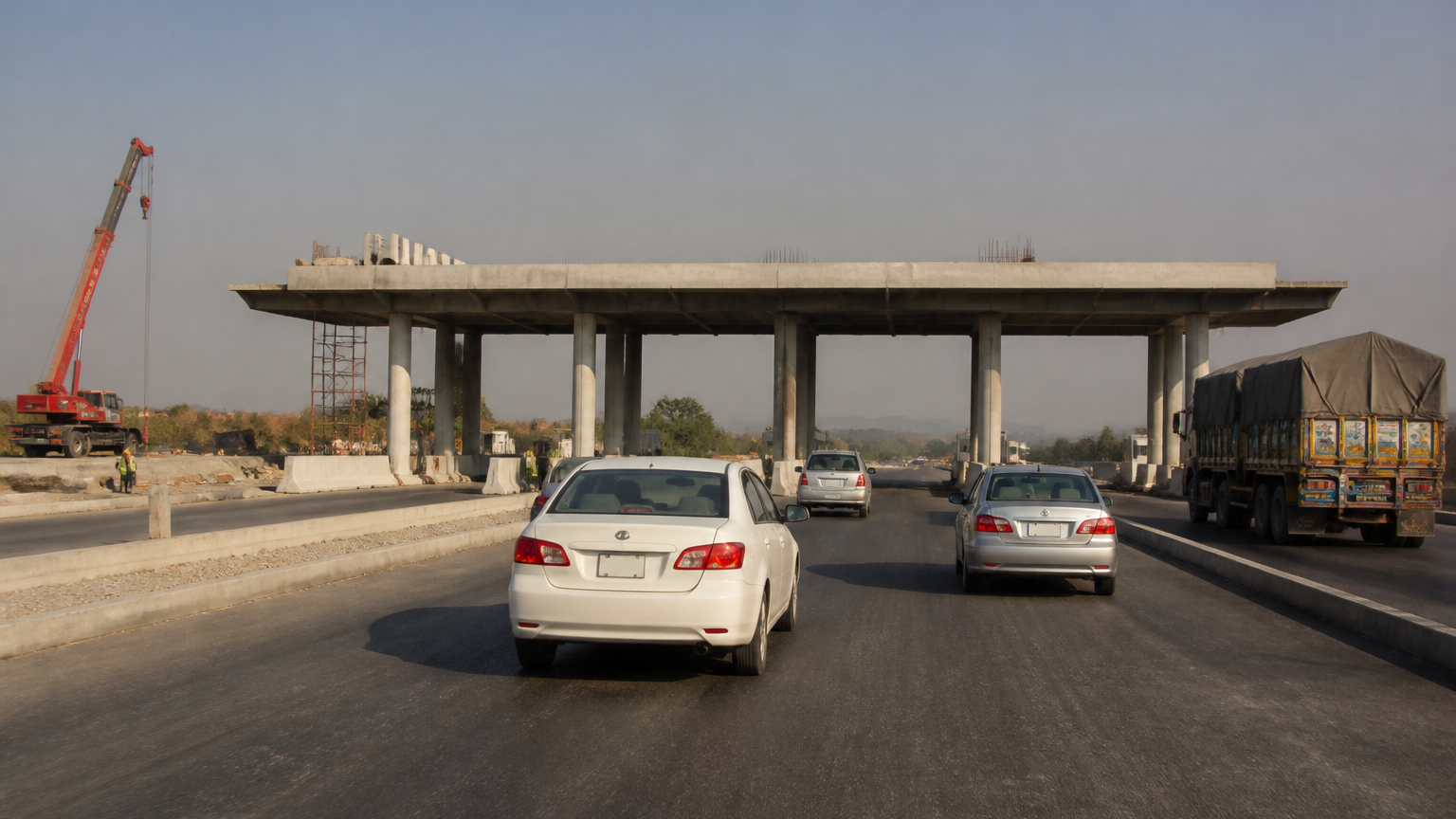
Rawalpindi Ring Road Opening Delayed by Toll Plaza Work
Rawalpindi Ring Road is structurally complete, but toll plazas and e-toll systems remain unfinished—delaying opening, toll rates and traffic relief.
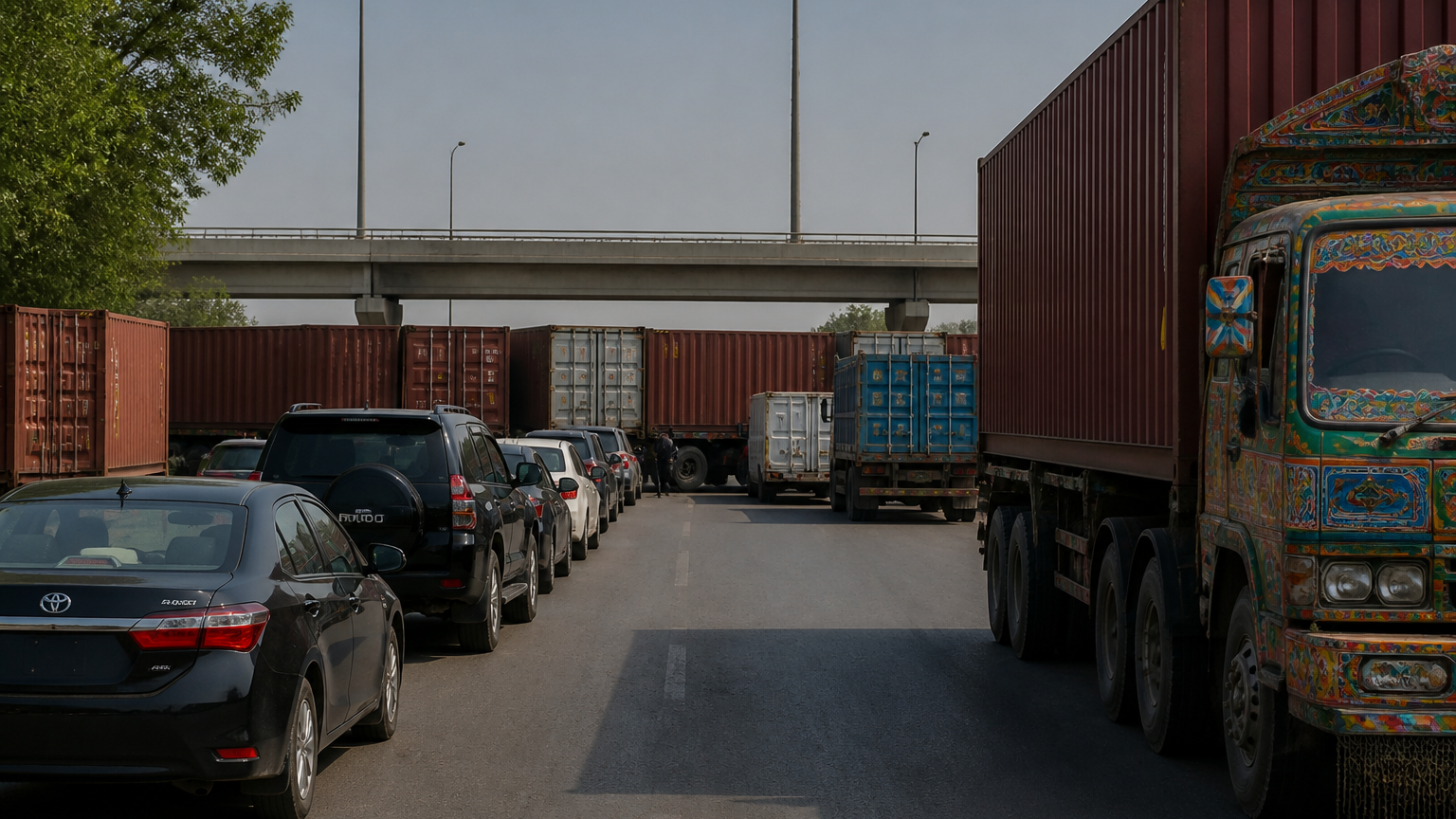
Islamabad Blockades Delay Karachi Freight Before PTI Protest
PTI’s Oct. 4 march may delay northbound freight from Karachi, affecting car parts, tyres and workshop supplies—but the scale remains unclear.
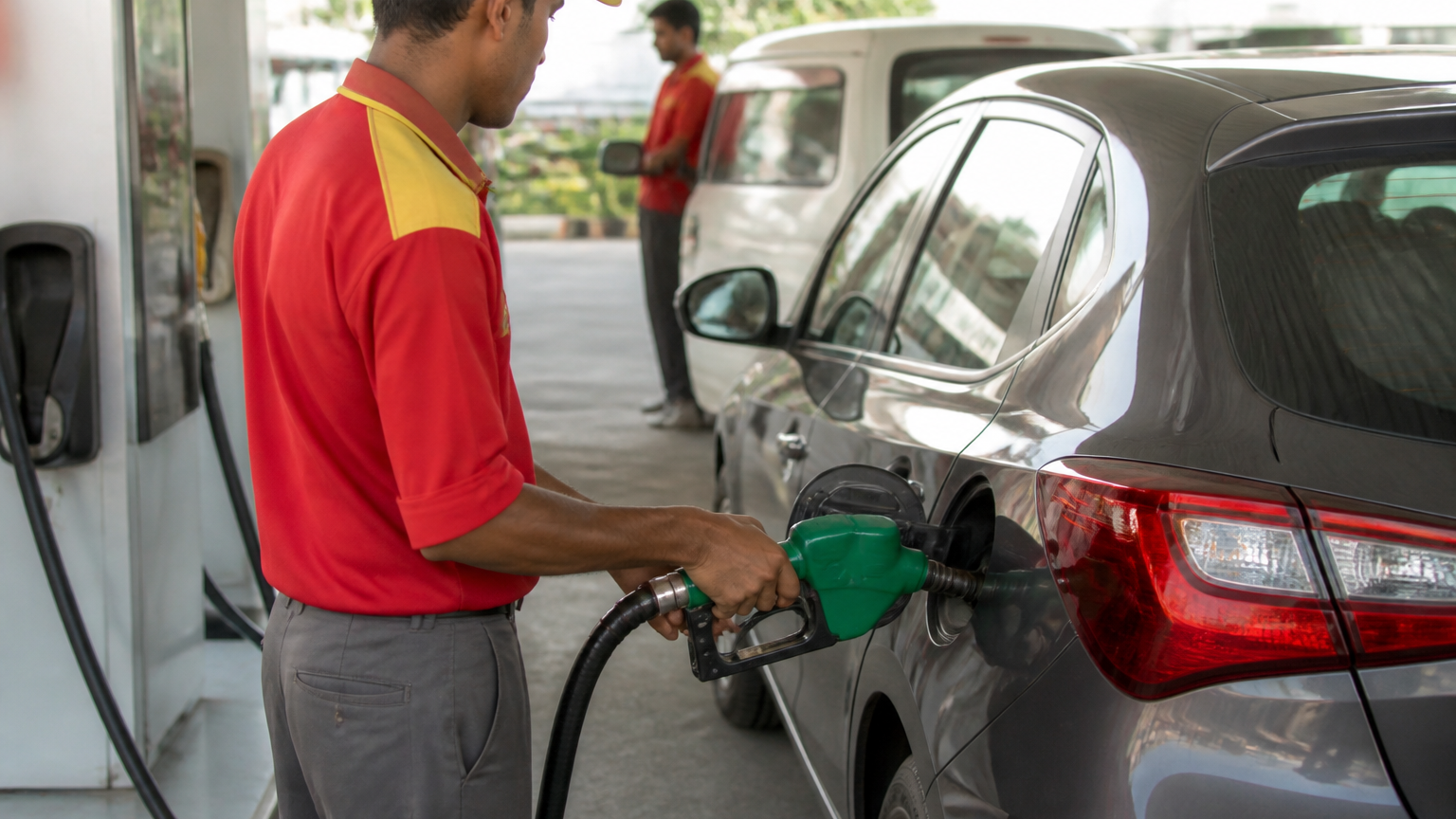
Oil Prices Near $100: Impact on Pakistan
Brent nears $100 after a sharp swing linked to China’s fuel-export curbs—but Pakistan’s petrol and diesel prices remain unchanged for now.