NHA Raises M2 Toll Rates by 7% What It Means for You
The National Highway Authority hiked tolls on the Lahore-Islamabad M2 by 7 percent starting July 5, 2026. Cars now pay Rs. 1,430 for the full route. This change affects daily commuters, families, and businesses. Here's why it happened and how to handle it.
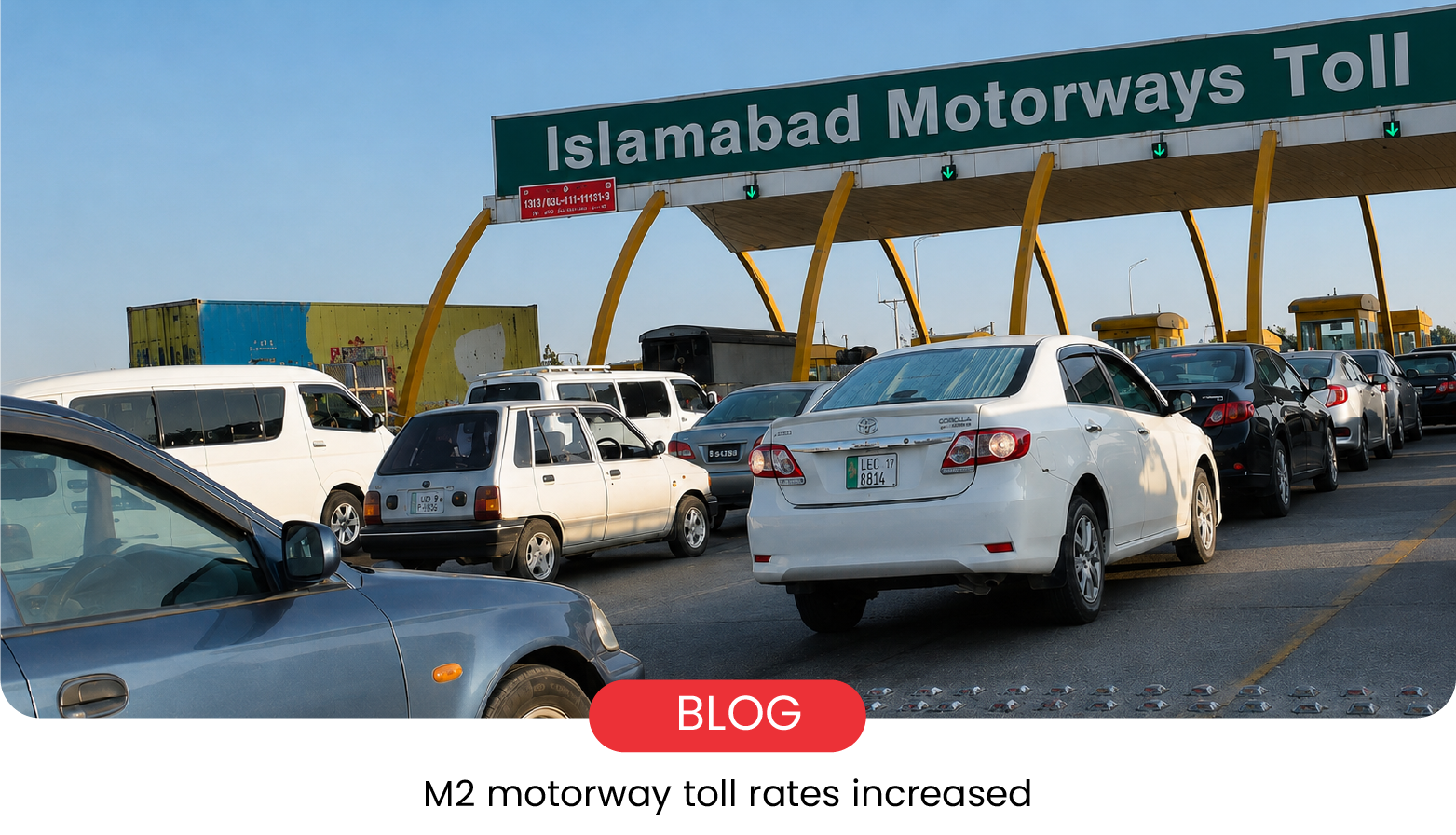
Table of Contents
- The New Toll Rates on M2
- A Quick Look Back at M2
- Why This Increase? The Real Reasons
- How This Affects Different People
- Practical Ways to Handle the New Rates
- The Bigger Picture for Pakistan's Roads
- What to Expect Going Forward
If you drive between Lahore and Islamabad regularly, you probably felt that extra pinch at the toll plaza this weekend. The National Highway Authority (NHA) raised rates on the M2 motorway by 7 percent. The new charges kicked in on July 5, 2026, and they stay in place until April 23, 2027.
This isn't some surprise move. It follows the concession agreement between NHA and Motorway Operations and Rehabilitation Engineering (Private) Limited, a Frontier Works Organization (FWO) subsidiary. The deal covers overlay and modernization work on the motorway.
And that hits home for many of us. Fuel prices already bite, and now this. But let's break it down plainly so you know exactly what's changing and why it might be worth it in the long run.
The New Toll Rates on M2
Here's the updated list for the full Lahore to Islamabad route:
- Cars, jeeps, and taxis: Rs. 1,430 (about Rs. 3.98 per km)
- Wagons: Rs. 2,390 (Rs. 6.68 per km)
- Coasters: Rs. 3,350 (Rs. 9.34 per km)
- Buses: Rs. 4,770 (Rs. 13.32 per km)
- Two and three axle trucks: Rs. 6,210 (Rs. 17.33 per km)
- Articulated trucks: Rs. 7,980 (Rs. 22.29 per km)
These figures come straight from the official notification. The M2 stretches roughly 375 km, so the per-km rates make sense for scaling.
For comparison, previous rates (around August 2025) put cars at about Rs. 1,330. The 7% jump adds up quickly if you travel often.
A Quick Look Back at M2
The Lahore-Islamabad Motorway opened in 1997 as Pakistan's first modern motorway. It cut travel time dramatically and boosted trade and tourism between Punjab's key cities. Over the years, it has carried heavy traffic, which wears down the surface.
Maintenance is constant. In 2016, they resurfaced the whole thing. The current concession focuses on ongoing overlay and upgrades to keep it safe and smooth. Without proper funding, potholes and safety issues creep in fast. Tolls help pay for that work directly.
Why This Increase? The Real Reasons
The hike ties to the BOT (Build-Operate-Transfer) model. The private partner handles operations and rehab, and toll adjustments cover costs plus a return. It's not just profit for concrete repairs, safety barriers, signage, and better drainage, especially through the Salt Range where weather hits hard.
Pakistan's road network faces big maintenance backlogs. Tolls go into the Road Maintenance Account to keep motorways running. Without regular increases, quality drops, and accidents rise. Recent years saw multiple adjustments across motorways to match inflation and traffic growth.
On the commuter side, many feel squeezed. A family trip now costs more. Truckers pass extra expenses to businesses, which can nudge up prices for goods. Yet safer, faster roads save time and fuel, which matters for the broader economy.
How This Affects Different People
Daily commuters and families:If you shuttle between the cities for work or visits, budget an extra Rs. 100-200 round trip for a car. It adds up over months.
Business travelers:Time saved on a good motorway often outweighs the toll. But frequent trips hurt margins.
Transporters:Trucks face the biggest absolute jumps. This ripples through supply chains. Higher logistics costs can affect everything from fresh produce to manufactured goods.
Tourists:The M2 remains scenic and convenient, but visitors might think twice about multiple runs.
Many readers share the frustration. Inflation already pressures household budgets. Every extra rupee at the plaza feels personal.
Practical Ways to Handle the New Rates
You don't have to take the hit lying down. Here are straightforward steps:
- Get an M-Tag.It speeds you through dedicated lanes and sometimes avoids cash surcharges. Download the One Network app to recharge easily and track spending. Many users report smoother trips and fewer delays.
- Plan trips smartly.Combine errands or carpool when possible. Check traffic apps before leaving to avoid peak times.
- Consider alternatives.For lighter travel, the old Grand Trunk Road (N-5) exists, but it takes longer and has more stops. Weigh time versus money.
- Stay updated.NHA notifications come out periodically. Follow reliable sources so surprises don't catch you off guard.
- Voice concerns.If enough commuters and businesses speak up constructively, authorities sometimes adjust policies or speed up visible improvements.
M-Tag adoption has grown, and it helps reduce congestion at plazas.
The Bigger Picture for Pakistan's Roads
Motorways like M2 drive economic activity. Faster movement of people and goods supports industry, agriculture, and services. Toll revenue funds not just M2 but also helps the wider network.
Still, transparency matters. People want to see clear progress—smoother surfaces, better lighting, fewer breakdowns. The FWO subsidiary's role brings engineering expertise, which is a plus for quality work.
Challenges remain. Rising fuel costs, vehicle numbers, and climate impacts on roads mean ongoing investment. Balancing user costs with service quality is tricky but necessary.
What to Expect Going Forward
This 7% hike lasts until April 2027. Expect more reviews as the concession continues. Future increases might tie to actual maintenance needs and inflation.
In the meantime, focus on what you control. Efficient driving, proper vehicle maintenance, and using tech like M-Tag all help stretch your rupees.
The M2 still offers one of the best driving experiences in the countrywide lanes, good visibility, and decent safety when rules are followed. A bit more at the toll is the price of keeping that standard.For more updates, visit DrivePK.com
Tags
Share this article
About the Author

Najeeb Khan
Automotive enthusiast and writer
Comments (0)
Login Required
You need to be logged in to comment on this article.
No comments yet. Be the first to share your thoughts!
Related Articles
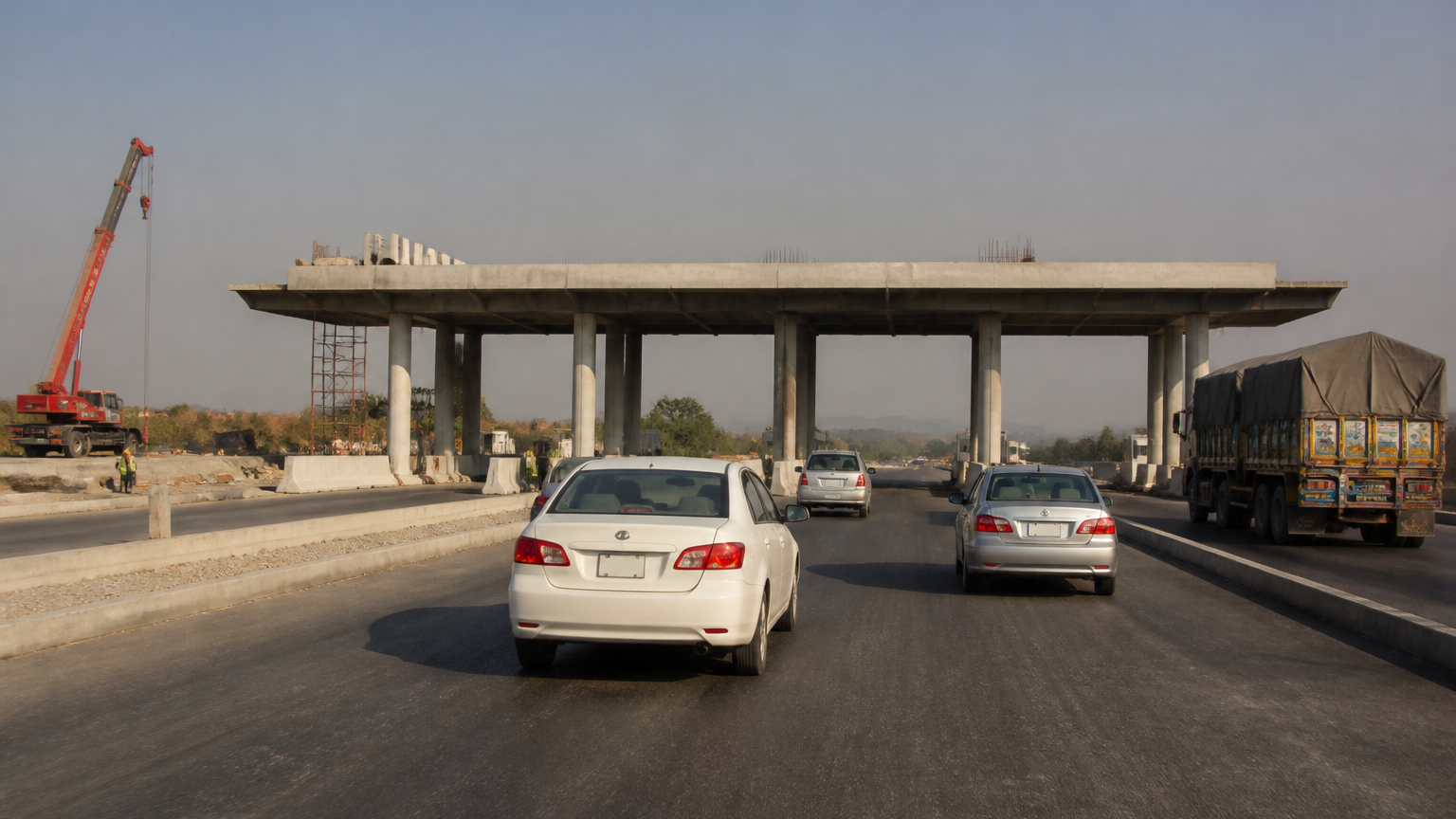
Rawalpindi Ring Road Opening Delayed by Toll Plaza Work
Rawalpindi Ring Road is structurally complete, but toll plazas and e-toll systems remain unfinished—delaying opening, toll rates and traffic relief.
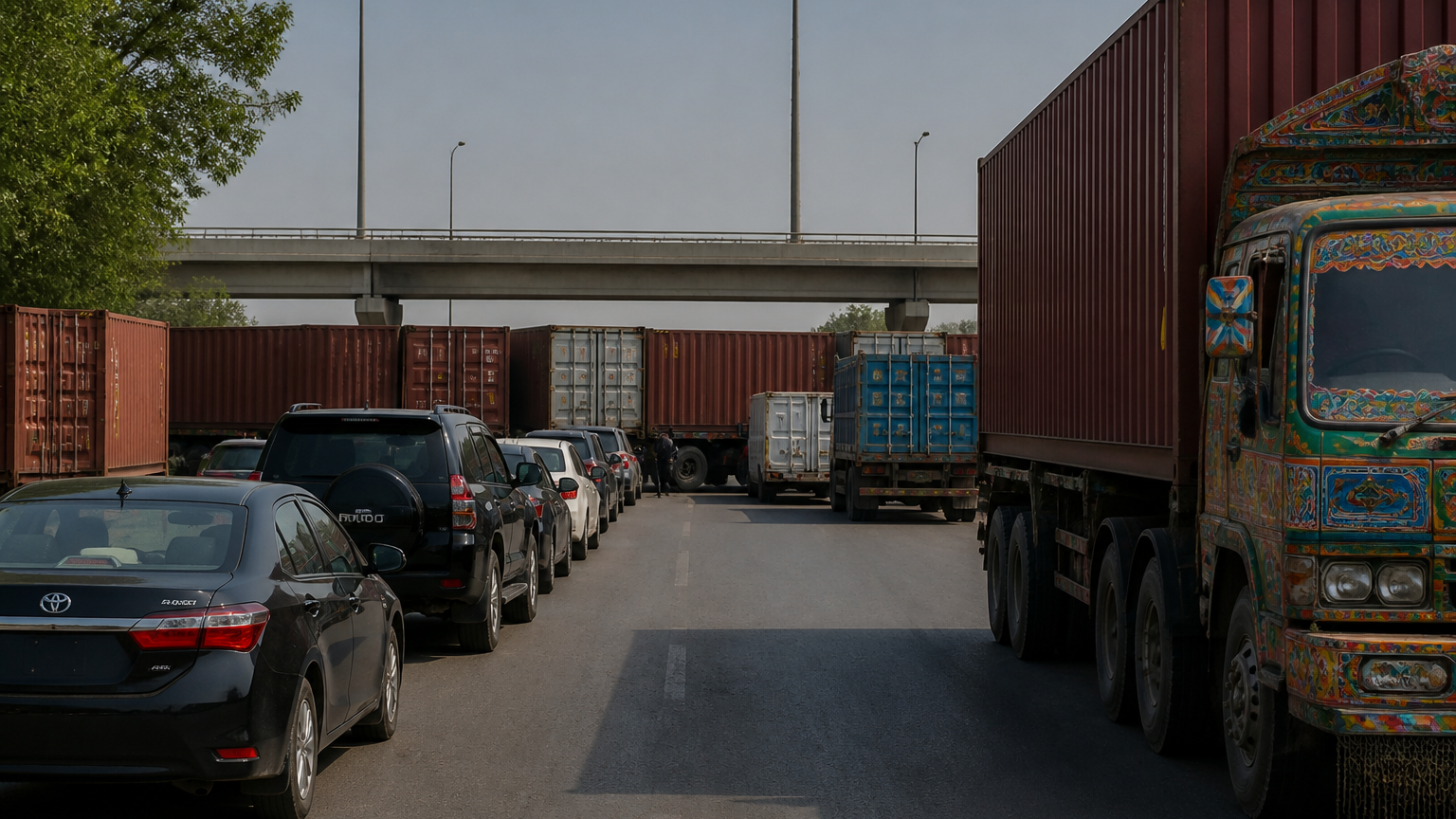
Islamabad Blockades Delay Karachi Freight Before PTI Protest
PTI’s Oct. 4 march may delay northbound freight from Karachi, affecting car parts, tyres and workshop supplies—but the scale remains unclear.
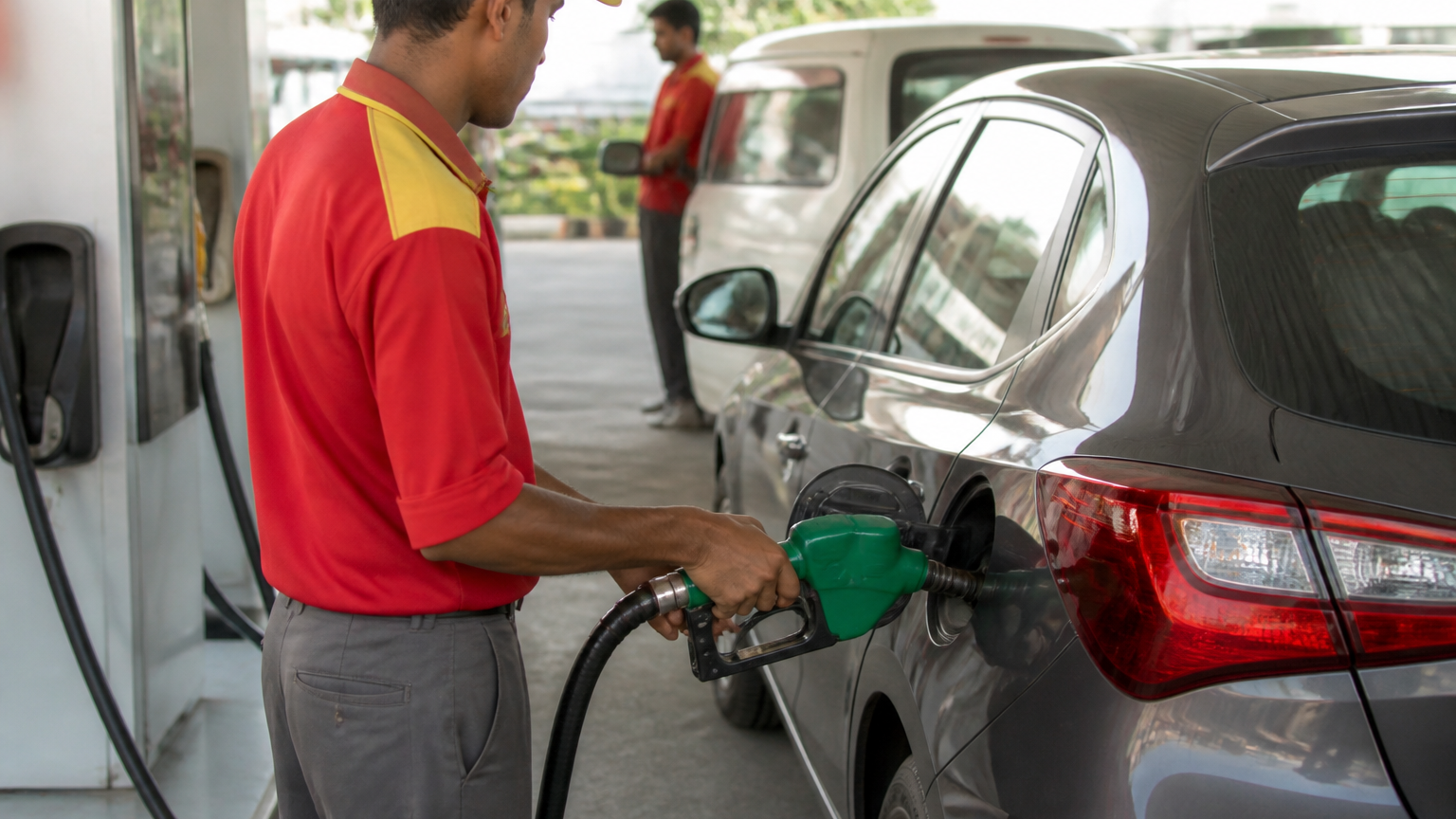
Oil Prices Near $100: Impact on Pakistan
Brent nears $100 after a sharp swing linked to China’s fuel-export curbs—but Pakistan’s petrol and diesel prices remain unchanged for now.