Pakistan Budget 2026-27: Big Support for Local EVs. Rs 23.86 Billion Relief & More
Budget 2026-27 continues strong support for Pakistan’s EV industry. It maintains customs duty concessions on components and CKD kits, allocates nearly Rs. 23.86 billion in tax relief, and keeps low rates for local assembly. This boosts local manufacturing and makes models like Deepal S05 more accessible.
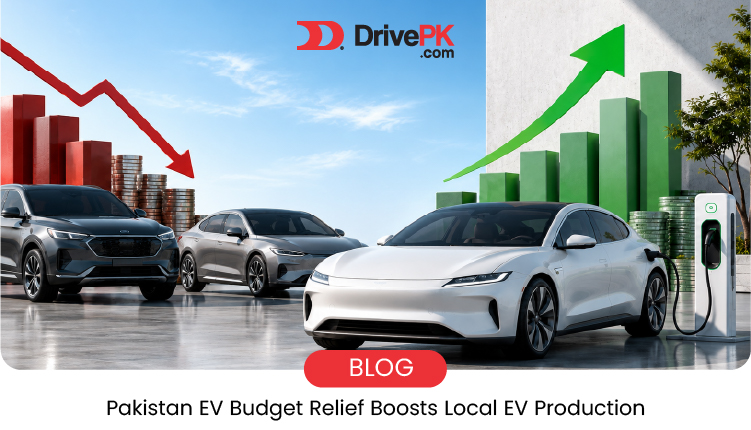
Table of Contents
- Breaking Down the Key Measures
- How This Helps Local Manufacturing
- Spotlight on Popular Models
- Real Benefits for Drivers and Businesses
- Who Benefits Most Right Now
- Bigger Picture for Pakistan’s EV Journey
- What to Expect Next
- Final Thoughts
The federal government has extended tax relief for locally assembled electric vehicles (EVs) and range-extender electric vehicles (REEVs) in Budget 2026-27. This decision eases earlier worries about price hikes. But there is more. The budget goes further to back the whole sector.
It keeps customs duty concessions on EV components and completely knocked down (CKD) kits. Local assemblers get nearly Rs. 23.86 billion in tax relief to import key parts, including battery packs up to 50 kWh. The government also avoids new taxes on locally assembled eco-friendly vehicles.
This package shows clear intent. Pakistan wants to grow its new energy vehicle sector and speed up the shift to cleaner transport.
Breaking Down the Key Measures
First, the sales tax relief you heard about stays in place. Locally assembled EVs and REEVs continue with the low 1% rate instead of jumping higher. This directly protects the prices of models such as the Deepal S05 and Honri Ve.
On top of that, customs duty concessions on EV parts and CKD kits are maintained. This makes it cheaper for companies to bring in batteries, motors, and other components needed for local assembly. The Rs. 23.86 billion allocation helps cover these benefits and supports manufacturers directly.
The budget also holds a low 1% tax rate on imported electric trucks. This signals support for commercial use, not just personal cars. Together, these steps favor vehicles built or assembled here over fully imported luxury options.
How This Helps Local Manufacturing
Importing full cars is expensive and hurts the balance of payments. By focusing on CKD kits and components, the government encourages companies to assemble here. This creates jobs, builds skills, and gradually increases local content.
Battery packs up to 50 kWh get special treatment. Many current models, including SUVs popular with Pakistani families, fall in this range. Lower import costs on these parts can eventually lead to better pricing and more choices for buyers.
This approach matches the broader Pakistan Accelerated Vehicle Electrification (PAVE) initiative. PAVE aims to make electric mobility more affordable and widespread, especially starting with two and three-wheelers but extending benefits across the board.
Spotlight on Popular Models
The Deepal S05 is a range-extender SUV built for Pakistani conditions. It offers electric driving for daily use with a petrol generator for longer trips. Thanks to continued relief on sales tax and component imports, its pricing stays stable. Many see it as a practical way to escape high fuel costs.
The Honri Ve*provides another strong local EV option. Pure electric and benefiting from the same incentives, it appeals to city drivers who want low running costs and smooth performance.
Because both local assembly incentives and CKD concessions continue, these vehicles remain competitive. Buyers avoid the big price shock many expected before the budget.
Real Benefits for Drivers and Businesses
These measures add up in practical ways:
- Lower running costs: Electricity is much cheaper than petrol for most users.
- Predictable pricing: No sudden tax-driven increases on popular local models.
- Better availability: Easier imports of parts mean faster production and potentially shorter waiting times.
- Commercial edge: Electric trucks at 1% tax can help logistics companies cut expenses.
For families, this means a realistic chance to switch without everything becoming unaffordable overnight. Businesses gain from lower operating costs over time. The country as a whole reduces oil imports and improves air quality in crowded cities.
Of course, challenges remain. Charging networks need expansion. Battery replacement costs and service availability are still concerns for many. But policy support like this gives the sector time to solve those issues.
Who Benefits Most Right Now
- Middle and upper-middle families: tired of fuel bills: REEVs like the Deepal S05 offer flexibility.
- Urban professionals: Pure EVs such as the Honri Ve suit daily commutes.
- Fleet operators: Electric trucks and vans become more attractive.
- Manufacturers and suppliers: The Rs. 23.86 billion relief and duty concessions reduce risks and encourage investment.
Even if you are not buying immediately, this stability lets you research, test drive, and plan properly.
Bigger Picture for Pakistan’s EV Journey
Oil imports put constant pressure on the economy. Supporting EVs helps ease that burden while creating new industries around batteries, assembly, and charging.
The combination of sales tax relief, customs concessions, and PAVE shows a joined-up approach. It promotes local manufacturing, attracts investment, and accelerates cleaner transportation. Progress may feel gradual, but these consistent signals matter.
Critics might push for even bolder steps. Revenue needs are real too. This budget strikes a balance by protecting local players while adjusting treatment for high-end imports.
What to Expect Next
The relief on components and local assembly extends the runway. Watch for:
- More charging infrastructure projects.
- New models entering CKD production.
- Gradual increase in local parts manufacturing.
- Updates on PAVE subsidies for wider segments.
Buyers should still calculate total costs carefully. Include electricity rates, maintenance, insurance, and resale value. Visit dealers, talk to current owners, and drive the cars yourself. Pakistani road and weather conditions matter.
Final Thoughts
Budget 2026-27 continues to support Pakistan’s electric vehicle industry in meaningful ways. Maintaining customs duty concessions on EV components and CKD kits, allocating nearly Rs. 23.86 billion in tax relief, keeping low rates on local assembly, and backing electric trucks all point in one direction. The government wants local manufacturing to grow and cleaner transport to spread.
For buyers, this means more confidence in models like the Deepal S05 and Honri Ve. Prices stay steadier. The sector gets breathing room to mature.
The transition will take time, but steps like these make it more realistic. If you have been waiting for clearer signals on EVs in Pakistan, this budget delivers them. Do your homework, weigh the options, and see what fits your needs. The shift toward electric mobility is gaining steady ground. For more updates, visit DrivePK.com
Tags
Share this article
About the Author

Najeeb Khan
Automotive enthusiast and writer
Comments (0)
Login Required
You need to be logged in to comment on this article.
No comments yet. Be the first to share your thoughts!
Related Articles

Pakistan Auto Policy 2026–31: IMF Talks in October
Chery Q brings electric mobility to Pakistan with 400 km range, advanced safety, smart technology and low running costs. Bookings are now open at PKR 1.5 million ahead of its official launch at the Pakistan Auto Show 2026, where Chery Master will reveal complete pricing and commercial details.

Chery Q Bookings Open with PKR 1.5 Million
Chery Q brings electric mobility to Pakistan with 400 km range, advanced safety, smart technology and low running costs. Bookings are now open at PKR 1.5 million ahead of its official launch at the Pakistan Auto Show 2026, where Chery Master will reveal complete pricing and commercial details.
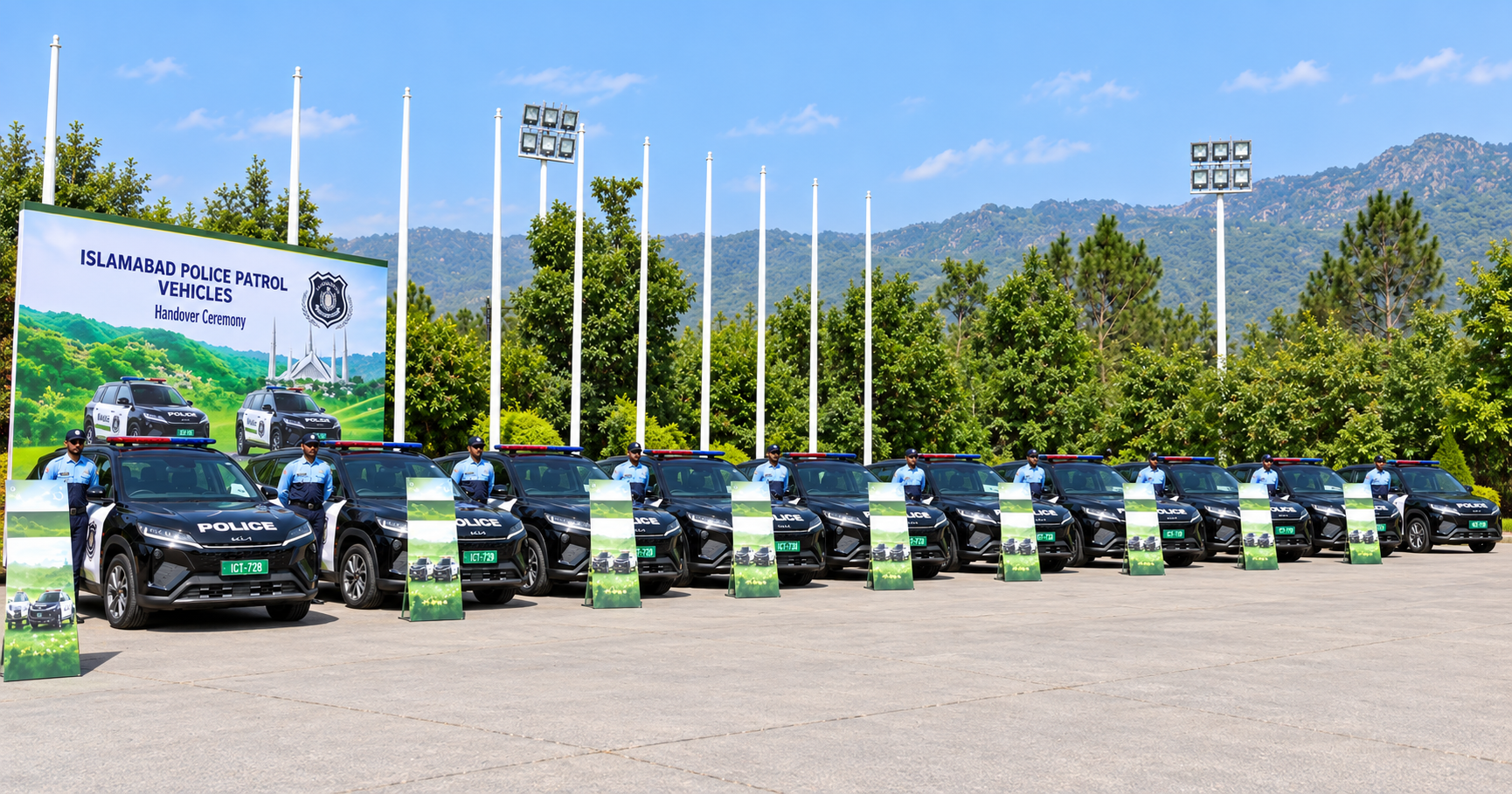
Islamabad Police receives 50 electric vehicles
Prime Minister Shehbaz Sharif handed over 50 electric vehicles to Islamabad Police for the newly established Capital Patrol Force. The keys were given to Interior Minister Mohsin Naqvi and IG Syed Ali Nasir Rizvi.