Pakistan Budget 2026-27: IMF GST Hike Could Raise Hybrid Car Prices by Rs. 4-17 Lakh
Pakistan’s Budget 2026-27 could make hybrid cars significantly more expensive as the IMF pushes for higher GST. Popular models may see price jumps of Rs. 4 lakh to Rs. 17 lakh. Buyers with bookings should check invoicing deadlines to avoid extra costs. Here’s what you need to know.

Table of Contents
- What the IMF Wants and Why It Matters
- Expected Price Increases on Popular Models
- Buyer Advice: What Should You Do Right Now?
- Broader Impact on the Auto Industry and Environment
- Real Stories and Common Concerns
- What to Watch After the Budget
Hybrid cars have become quite popular in Pakistan over the past few years. Many families choose them because they use less fuel and feel more modern than regular petrol cars. Right now, locally assembled hybrids enjoy a reduced GST rate. For engines up to 1800cc, it's around 8.5%. Larger ones between 1801cc and 2500cc pay 12.75%. This lower rate was meant to encourage cleaner vehicles and help people save on running costs.
The standard GST rate in Pakistan sits at 18%. The reduced rate for hybrids came under the Eighth Schedule of the Sales Tax Act. It was supposed to support the shift toward better fuel efficiency and lower emissions. But that policy might change soon.
What the IMF Wants and Why It Matters
The International Monetary Fund has been clear in talks with Pakistan. They want the government to remove these reduced rates and bring hybrids under the full 18% GST. The main reason is to increase revenue. Pakistan has faced shortfalls in tax collection, and the IMF sees removing concessions as one way to help meet targets for the 2026-27 budget.
Some reports even mention the standard GST rate itself could go up to 19%. For hybrids, the jump from 8.5% to 18% would be big. The government has been negotiating. Sources say they are trying for a middle ground, maybe 12% to 14%. But nothing is confirmed yet. The final call comes on June 10 when the budget is presented.
This isn't just numbers on paper. It affects real people. Many middle-class buyers saved for months or took loans to buy a hybrid. They wanted lower monthly fuel bills and a smaller carbon footprint. A sudden price rise could make that dream harder.
Expected Price Increases on Popular Models
Let's look at what this could mean for actual cars on the road. Popular models like the Toyota Corolla Cross HEV, Haval H6 HEV, Hyundai Tucson Hybrid, Honda HR-V e:HEV, and MG HS Hybrid+ would see the biggest impact.
Estimates suggest price increases between Rs. 4 lakh on smaller models and Rs. 11 lakh to Rs. 17 lakh on premium PHEVs. For a car priced around Rs. 70-80 lakh today, even a few percentage points in tax can add hundreds of thousands of rupees.
Why the big difference across models? It depends on the base price, engine size, and whether it's a mild hybrid or plug-in. Dealers and industry sources have already started sharing rough calculations. Buyers are checking their shortlists and wondering if they should move faster.
Buyer Advice: What Should You Do Right Now?
If you have an existing booking, pay close attention to the invoicing deadline. Vehicles invoiced before June 30 will likely keep the old tax rate. After that, new deliveries could carry higher prices. Call your dealer today. Ask about the exact status of your order and whether they can secure the current rate.
For those still deciding, think about your timeline. Do you need the car in the next few months? It might make sense to finalize soon. Planning for next year? Wait for the budget announcement and see the final numbers. Also consider fuel savings over time. Hybrids still offer good value even with higher upfront costs, but the gap narrows.
Compare options too. Some people are looking at pure petrol cars again or waiting for more clarity on electric vehicles. The situation for full EVs is also under discussion, with their current 1% GST possibly rising sharply.
Broader Impact on the Auto Industry and Environment
The auto sector in Pakistan has invested heavily in hybrid technology. Companies like Toyota, Sazgar (Haval), and Hyundai brought in new assembly lines. Higher taxes could slow sales and affect jobs in manufacturing and dealerships.
On the environment side, hybrids help reduce fuel imports and pollution. Pakistan already struggles with air quality in big cities. Making cleaner cars more expensive might push people back to older, less efficient options. It's a difficult balance between short-term revenue and long-term sustainability goals.
Many experts hope the government finds a balanced approach. Keeping some incentives could support both revenue needs and green mobility. Whatever happens, the budget will shape car buying trends for the next year.
Real Stories and Common Concerns
I’ve heard from friends and online forums where people share their worries. One family in Lahore saved for a Corolla Cross HEV because of daily commuting costs. Another in Karachi was eyeing a Tucson Hybrid for family trips. They all wonder if their plans need to change.
Fuel prices stay high, and traffic is getting worse. Hybrids gave a practical solution. Now buyers feel caught between wanting to do the right thing for their wallet and the planet.
What to Watch After the Budget
After June 10, keep an eye on official notifications from the Federal Board of Revenue. Dealers will update pricing quickly. Industry associations might also comment on the impact. Stay informed through reliable sources to avoid rushed decisions.
In the end, this budget reflects bigger economic pressures. Pakistan needs revenue but also wants to grow cleaner transport. How the final decision lands will affect thousands of buyers and the industry for years.For more updates, visit DrivePK.com
Tags
Share this article
About the Author

Najeeb Khan
Automotive enthusiast and writer
Comments (0)
Login Required
You need to be logged in to comment on this article.
No comments yet. Be the first to share your thoughts!
Related Articles
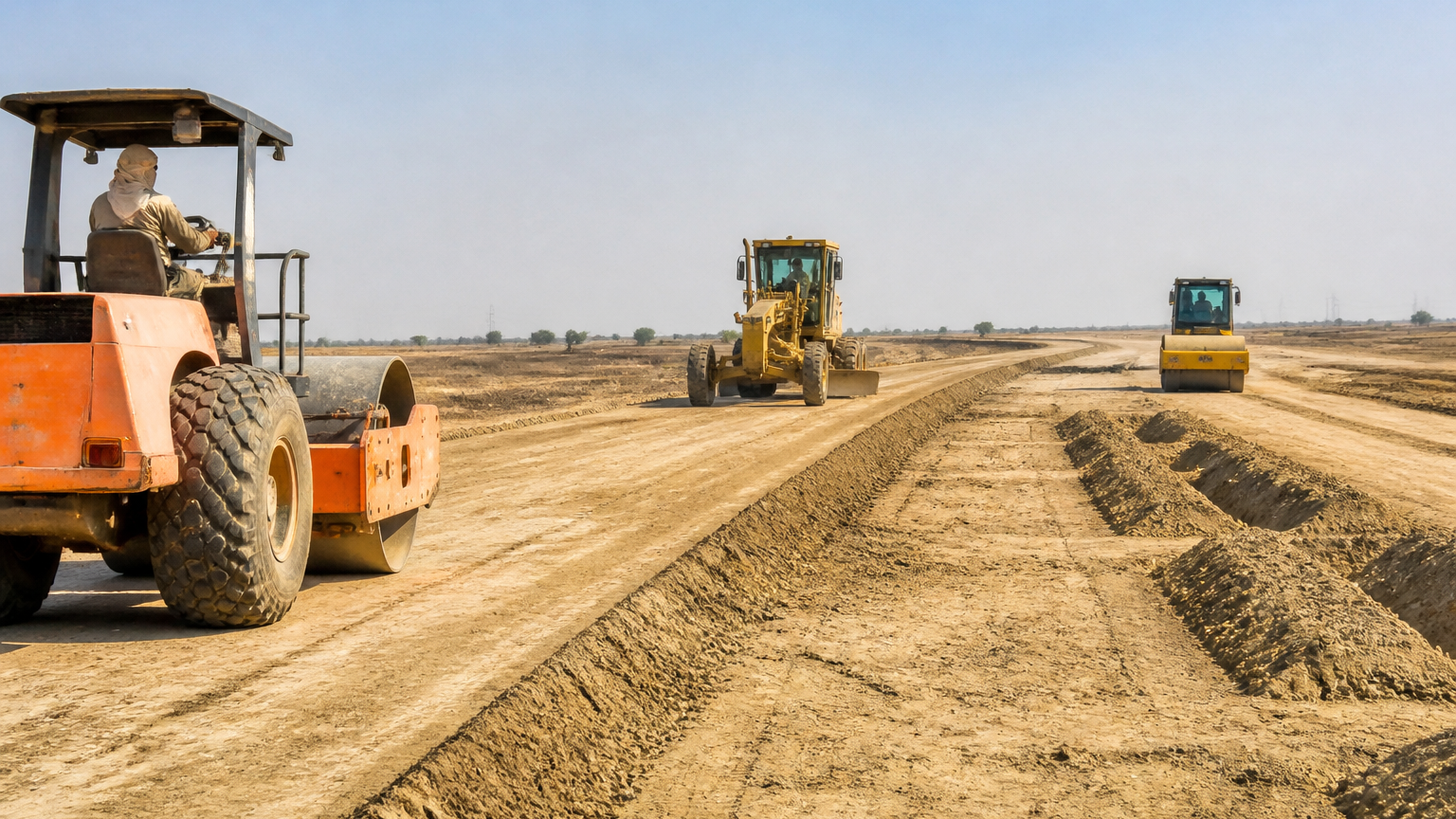
سکھر-کراچی موٹروے پر کام اگلے ماہ شروع ہوگا
سکھر-کراچی موٹروے کی تعمیر اگلے ماہ تین حصوں میں شروع ہوگی، جس سے کراچی پورٹ تک رسائی تیز ہونے کی امید ہے—تاہم منصوبے کی تکمیل کی کوئی تاریخ تاحال نہیں دی گئی۔
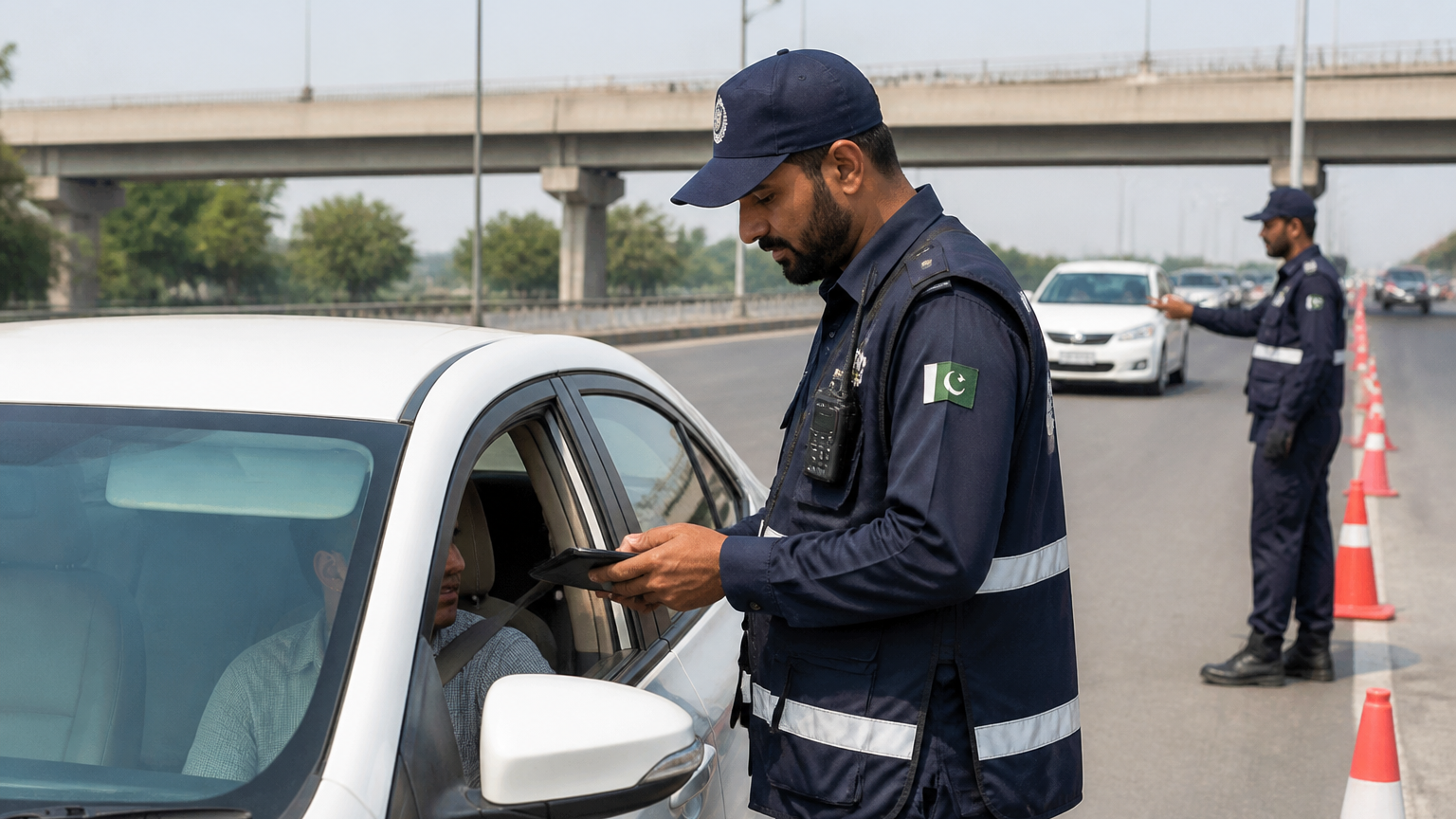
لاہور رنگ روڈ پر جرمانے 10,000 روپے تک پہنچ گئے
لاہور رنگ روڈ پر ڈرائیورز کو مبینہ طور پر 10,000 روپے تک کے جرمانے کا سامنا ہے، جن میں بغیر لائسنس ڈرائیونگ پر 5,000 روپے اور کم عمر ڈرائیونگ پر 10,000 روپے شامل ہیں۔
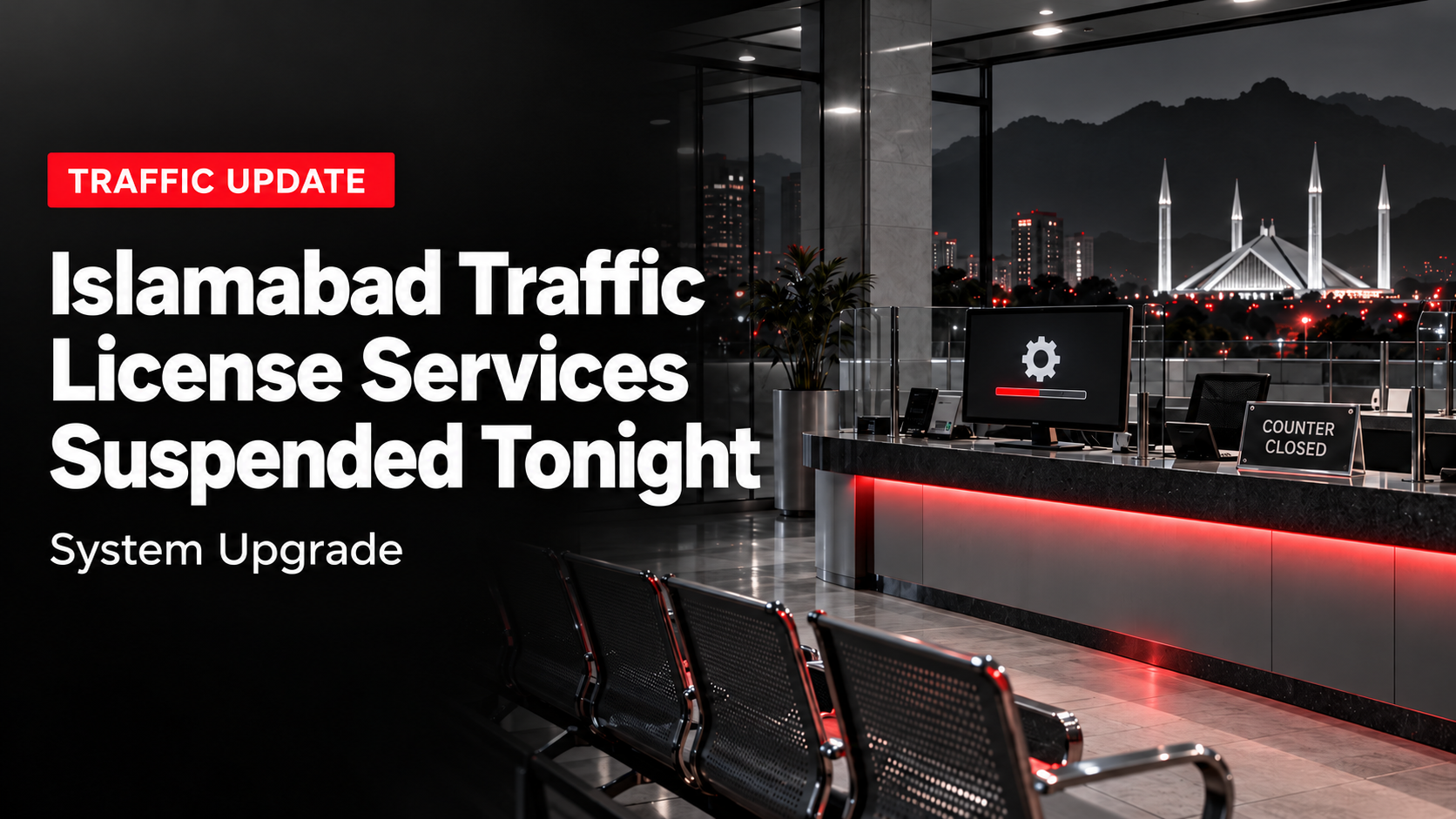
اسلام آباد ٹریفک لائسنس سروسز آج رات معطل
اسلام آباد ٹریفک لائسنس سروسز 26 اکتوبر رات 11 بجے سے 27 اکتوبر صبح 9 بجے کے بعد تک سسٹم اپ گریڈ کے باعث بند رہ سکتی ہیں—تجدید اور پرمٹس مؤخر کر دیں۔