Pakistan EV Policy 2026 Under FBR and IMF Pressure
Pakistan’s EV policy faces pressure as tougher taxes loom. Rates remain unconfirmed—buyers should think twice before making non-refundable bookings.
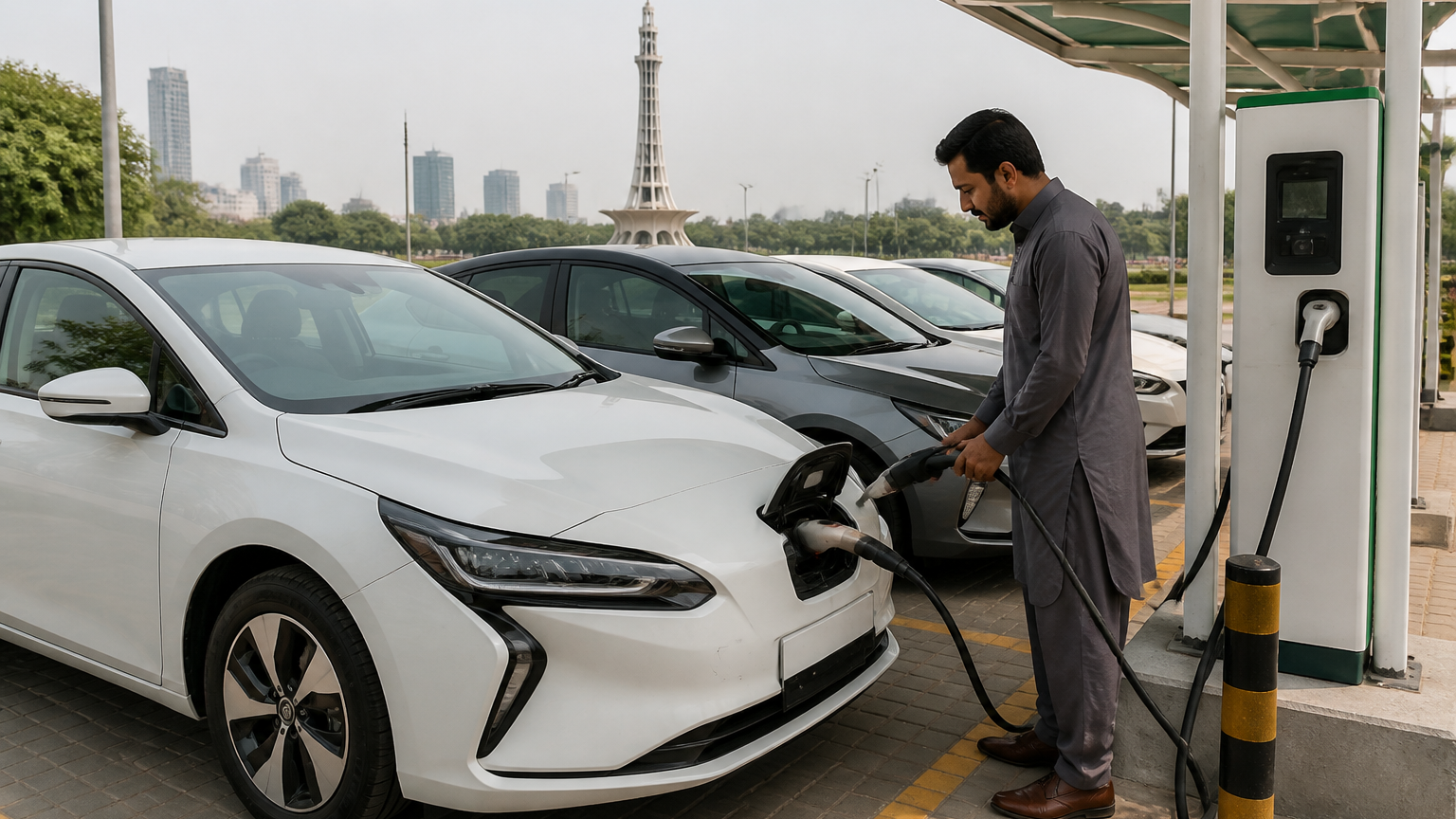
Table of Contents
- What tax rates are reportedly proposed under Pakistan’s Auto Policy 2026-31?
- Why is the reported NEV policy facing resistance?
- How could this affect a buyer in Pakistan?
- Should you buy now or wait?
- Conclusion
- Explore DrivePK services
Pakistan’s proposed Auto Policy 2026-31 is back under pressure, and the big worry for buyers is simple: could electric vehicles end up costing more before delivery? reportedly cited by a source report, some industry players are pushing the Federal Board of Revenue and the IMF for tougher treatment of new energy vehicles, but the report does not confirm any official reversal, approval, or final implementation date.
The practical advice for buyers is just as simple: treat the reported tax rates as unsettled and don’t make a non-refundable booking on hope alone.
What tax rates are reportedly proposed under Pakistan’s Auto Policy 2026-31?
Reportedly, the draft policy is not using one flat tax for every electric or hybrid model. Instead, it reportedly splits new energy vehicles, or NEVs, into different groups. For background, read our earlier coverage: Electric Vehicles in Pakistan: The Complete Guide 2026.
| Vehicle category or position | Reported sales-tax treatment | Status |
|---|---|---|
| Range-extended vehicles | 6% | Proposed |
| Plug-in hybrid vehicles | 9% | Proposed |
| Electric vehicles under the previously reported IMF position | 18% | Previously reported position, not confirmed as final policy |
| Battery electric vehicles in the current source | No final specific rate supplied | Unconfirmed |
The gap matters. A 6% rate is 12 percentage points lower than 18%, while 9% is 9 percentage points lower. But that does not mean you can instantly work out savings in rupees, because the source does not give a vehicle price, taxable value, customs schedule, or final legal definition for each category.
That’s important for Pakistani buyers, because “battery electric vehicle,” “range-extended vehicle,” and “plug-in hybrid vehicle” are not the same thing. If the final policy defines them differently, the tax outcome could change too. For background, read our earlier coverage: What Are Electric Vehicles and How Do They Work?.
Why is the reported NEV policy facing resistance?
reportedly cited by ProPakistani, some industry players are allegedly trying to pressure the FBR and IMF to go for higher taxation on NEVs. The report does not name any company or group, so we can’t go beyond that.
What we do know is the policy tension. On one side, the reported draft seems aimed at supporting electric mobility with lower tax rates for some vehicle types. On the other side, the pressure being reported points toward heavier tax treatment.
But there’s a big limit here: the supplied report does not show a final government document, an FBR notification, or an IMF statement confirming any of this as settled policy.
How could this affect a buyer in Pakistan?
If sales tax goes up, the upfront cost usually rises too. That can mean a bigger down payment, a larger loan, or both. And if customs-duty relief for imported EVs is cut back or delayed, imported models could also get pricier.
The report also says the draft seeks lower customs duties for eligible imported EVs and more financing options. That could help some buyers, but only if those measures are actually approved and implemented. Right now, we don’t have final rules, lender terms, or eligibility details.
If you’re shopping in Karachi, Lahore, Islamabad, or anywhere else, ask for a written quotation that clearly breaks out:
- Sales tax
- Customs-related charges, if any
- Registration and official fees
- Warranty terms
- Delivery date
- Refund or cancellation rules
And one more thing: don’t assume a draft tax rate will automatically show up in the final showroom price.
Should you buy now or wait?
If you need an EV immediately, ask for a fixed, itemised quote before you pay anything. Make sure the dealer states whether the price is locked even if the tax rule changes before delivery.
If you can wait, hold off until the final Auto Policy 2026-31 and any FBR notification are published. That’s the cleanest way to avoid a nasty surprise later. For many buyers, that wait could be worth it.
We’d also keep an eye on official financing announcements and any customs-duty update for imported EVs. Those two things can change the real cost just as much as the sales tax.
Conclusion
Right now, the story is about uncertainty, not a confirmed policy shift. According to the available report, the draft proposes 6% sales tax for range-extended vehicles, 9% for plug-in hybrids, and it refers to a previously reported 18% IMF position for electric vehicles, but none of that should be treated as final until an official notification appears.
So the safest move is clear: wait for the final rules if you can, and if you can’t wait, only book with a fully written quotation that shows tax, duty, warranty, and refund terms.
Explore DrivePK services
Buying or selling a vehicle? Explore DrivePK services, including car inspection, Sell It For Me and Featured Listings, and choose the option that fits your needs.
For more updates, visit DrivePK.com
Tags
Share this article
About the Author
Dr Khan
Automotive Expert & Content Strategist
Comments (0)
Login Required
You need to be logged in to comment on this article.
No comments yet. Be the first to share your thoughts!
Related Articles
Thatta Cement Plans Affordable EVs for Pakistan
Thatta Cement plans to import affordable Chinese EVs, but no model, price, launch date or bookings are confirmed yet.
اٹک میں تین روٹس پر 15 الیکٹرک بسیں
پنجاب کے ای-بس منصوبے کی اٹک تک توسیع ممکن ہے، لیکن 15 بسوں اور تین روٹس کی ابھی تک تصدیق نہیں ہوئی۔ سفر کی منصوبہ بندی سے پہلے سرکاری نقشے کا انتظار کریں۔