Electric Vehicles in Pakistan: The Complete Guide 2026
Pakistan imports over $8 billion in petroleum annually —and electric vehicles are disrupting that fast. From prices and top brands to charging stations and government policy, this complete 2026 guide covers everything a Pakistani buyer needs to know before going electric.
Table of Contents
- What Is an Electric Vehicle & How Does It Work?
- The Basic Technology Behind EVs
- EV vs. Petrol Car: What Actually Changes for a Pakistani Driver?
- The Current State of Electric Vehicles in Pakistan
- Which EV Brands Are Operating in Pakistan?
- Government EV Policy & Incentives in 2026
- How Much Do Electric Vehicles Cost in Pakistan?
- EV Car Price Range
- EV Bike and Scooter Prices
- Hidden Costs: Charging, Insurance, Registration
- Is Pakistan Ready for EVs? Infrastructure Reality Check
- EV Charging Stations: How Many, Where?
- Range Anxiety: Can an EV Handle Pakistan's Roads?
- Frequently Asked Questions
- Q1: What is the cheapest electric vehicle in Pakistan?
- Q2: Do EVs work during load-shedding in Pakistan?
- Q3: What is Pakistan's EV policy in 2026?
- Conclusion
Pakistan imports over $8 billion in petroleum annually. Electric vehicles are now disrupting that equation and fast.
For years, EVs felt like something out of a Silicon Valley brochure, far removed from the realities of Pakistani roads, power outages, and tight household budgets. That narrative is changing. Chinese manufacturers, local assemblers, and a more aggressive government stance are bringing electric vehicles within reach of the average Pakistani buyer.
Whether you're a first-time car buyer, a daily commuter tired of rising fuel prices, or simply curious about what the fuss is all about, this guide is for you. We cover everything: how an electric vehicle in Pakistan actually works, what it costs, where you can charge it, and the one thing most dealers won't bring up on their own.
What Is an Electric Vehicle & How Does It Work?
The Basic Technology Behind EVs
An electric vehicle runs on a battery pack instead of a fuel tank, and an electric motor instead of a combustion engine. The battery, most commonly a Lithium-Ion (Li-ion) or Lithium Iron Phosphate (LFP) unit, stores energy that powers the motor directly.
One feature worth knowing: regenerative braking. Every time you slow down or brake, the motor acts like a generator, converting kinetic energy back into electricity and feeding it into the battery. In stop-and-go city traffic, which describes most of Karachi, Lahore, and Islamabad, this feature quietly extends your range every single day.
No spark plugs. No oil changes. No transmission fluid. The mechanical complexity is dramatically lower than that of a petrol car, which matters a great deal for long-term ownership costs.
EV vs. Petrol Car: What Actually Changes for a Pakistani Driver?
The most immediate difference is at the fuel station because you won't be going to one anymore. Charging at home overnight costs a fraction of what petrol does per kilometre.
In city traffic, EVs are genuinely pleasant to drive. Instant torque means smooth acceleration from signals, and the cabin is near-silent. Maintenance intervals are longer and simpler: no engine oil, no coolant flushes, no timing belts.
The adjustment comes with range planning. Urban commuters covering 40 to 80 km daily will rarely feel any range pressure. Longer intercity trips require awareness of where charging points are located. For most Pakistani families using a second car for city use, an EV fits seamlessly into daily life.
The Current State of Electric Vehicles in Pakistan
Which EV Brands Are Operating in Pakistan?
The Pakistani EV market in 2026 is no longer a blank slate. Several brands have established a genuine local presence:
- MG (Morris Garages): The MG ZS EV remains one of the most recognised electric cars in Pakistan, backed by an established dealership network and after-sales support.
- Changan: Through local assembly partnerships, Changan has expanded its electric lineup, targeting the mid-range buyer.
- Gigi & Inverex: These names dominate the electric bike and scooter segment, offering budget-friendly two-wheelers that have found mass appeal in smaller cities and among delivery riders.
- BMW & other premium imports: High-end EVs continue to enter through the grey market and official import channels, serving the premium segment.
- Government-backed models: Under NEECA-aligned programs, locally assembled budget EVs are slowly entering the conversation for mass-market access.
The market is still maturing, but the direction is clear: competition is increasing, prices are coming down, and after-sales infrastructure is slowly improving.
Government EV Policy & Incentives in 2026
Pakistan's National Electric Vehicle Policy has continued to evolve. Key features of the current framework include:
- Reduced import duties on EV components and completely built units (CBUs), making locally assembled models more viable.
- SBP-approved auto financing schemes specifically for EVs, allowing buyers to access subsidised loan rates through participating banks.
- NEECA (National Energy Efficiency & Conservation Authority) guidelines mandate charging infrastructure in new commercial and residential developments.
- A 30% EV adoption target by 2030 across passenger vehicles and two-wheelers, which continues to drive policy incentives at the federal and provincial levels.
These measures are not perfect; implementation gaps exist, but the direction of policy is unambiguously pro-EV, and buyers who act now benefit from some of the most favourable conditions yet.
How Much Do Electric Vehicles Cost in Pakistan?
EV Car Price Range
The electric vehicle price in Pakistan varies widely depending on the segment:
- Budget segment (under PKR 30 lac): Limited options exist, primarily locally assembled or smaller imported units. This space is expected to grow as local assembly scales up.
- Mid-range (PKR 30–80 lac): The MG ZS EV and Changan alternatives sit comfortably here. This is the most competitive segment, with the best balance of features, range, and after-sales support.
- Premium (above PKR 80 lac): Imported BMWs, Audis, and other high-end EVs. Typically, grey-market or officially imported. After-sales availability is limited.
EV Bike and Scooter Prices
This is where affordability truly opens up. Electric two-wheelers in Pakistan start at around PKR 90,000 for basic commuter models and go up to PKR 3,00,000 for higher-spec scooters with longer ranges and better build quality.
Brands like Gigi and Inverex have found strong traction in urban and peri-urban areas. For delivery workers, students, and daily commuters covering short distances, these offer a compelling return on investment within months.
Hidden Costs: Charging, Insurance, Registration
What dealers often leave out of the showroom pitch:
- Home charging setup: A standard Level 1 charger (using a regular socket) is included with most EVs, but it is slow. A Level 2 home charger costs PKR 30,000–80,000 installed, depending on capacity and brand.
- Insurance: EV insurance premiums in Pakistan are still slightly higher than equivalent petrol cars, as insurers price in battery replacement risk. Shop around, rates are becoming more competitive.
- Registration: EVs are registered as standard vehicles. Some provincial governments have offered temporary registration fee waivers. Check the current provincial policy before purchasing.
- Battery long-term cost: Most EV batteries are warrantied for 8 years or 160,000 km. Post-warranty replacement remains expensive, though battery prices have fallen sharply since 2022.
Is Pakistan Ready for EVs? Infrastructure Reality Check
EV Charging Stations: How Many, Where?
Pakistan currently has several hundred public EV charging stations, concentrated largely in Karachi, Lahore, and Islamabad. The number has grown significantly over the past two years, but distribution remains uneven; smaller cities and highways between major urban centres are still underserved.
Key public charging networks include stations installed under NEECA-backed programs, those set up by MG and other manufacturers at their dealerships, and a small but growing number of third-party operators at commercial plazas and petrol stations.
For city-based driving, public charging is supplementary rather than essential; most EV owners charge at home. For highway travel, route planning around charging stops is currently necessary.
Range Anxiety: Can an EV Handle Pakistan's Roads?
For urban use, the answer is straightforwardly yes. Most mid-range EVs available in Pakistan offer a claimed range of 300 to 450 km. Real-world urban range factoring in air conditioning and stop-and-go traffic typically comes in at 200 to 300 km, which covers several days of city driving on a single charge.
The trickier question is load-shedding. If your neighbourhood experiences significant power outages, overnight home charging can be disrupted. Practical solutions Pakistani EV owners use include:
- Scheduling charges during known on-grid hours using the EV's built-in timer.
- Pairing a home charger with a solar system is increasingly common and cost-effective in 2026.
- Using public fast chargers for top-ups when needed.
Load-shedding is a real consideration, not a deal-breaker, but it requires planning, especially outside major cities.
Frequently Asked Questions
Q1: What is the cheapest electric vehicle in Pakistan?
The most affordable EVs in Pakistan start around PKR 25-30 lac for cars and PKR 90,000 for electric bikes. Brands like Gigi and Inverex offer the most budget-friendly options currently available, particularly in the two-wheeler category, where the return on investment is fastest for daily commuters.
Q2: Do EVs work during load-shedding in Pakistan?
Yes, with some planning. If you charge during on-grid hours or install a solar-compatible home charger, load-shedding has minimal impact on your routine. Most EV owners in Pakistan use off-grid charging solutions or schedule overnight charging during low-outage windows. Many have paired their EV charger with rooftop solar, effectively making their daily commute free of both fuel costs and grid dependency.
Q3: What is Pakistan's EV policy in 2026?
Pakistan's National EV Policy offers reduced import duties, SBP-approved auto financing, and targets 30% EV adoption by 2030. Manufacturers assembling locally receive additional incentives, including further duty relief on components. NEECA continues to push for mandatory charging infrastructure in new developments. The policy framework remains the most comprehensive that Pakistan has had for any alternative-fuel vehicle.
Conclusion
EVs in Pakistan are no longer a curiosity; they are a viable choice for city commuters, and an increasingly attractive one as prices drop and the charging network expands. If you drive primarily within a major city, cover predictable daily distances, and have access to home charging, the economics already work in your favour. Fuel savings alone can offset the purchase premium within a few years.
Challenges remain: public charging outside major cities is sparse, load-shedding demands planning, and battery replacement costs need to be understood before signing any contract. These are solvable problems, not fundamental barriers.
Pakistan's petroleum era may not end tomorrow, but the countdown has begun.
Ready to compare every EV available in Pakistan with real prices, honest specs, and no dealership spin?
Visit DrivePK.com, Pakistan's first AI-powered automotive platform. DrivePK.com uses artificial intelligence to help Pakistani buyers cut through the noise: compare electric vehicles side by side, get personalised recommendations based on your budget and commute, track real-time price changes, and read reviews verified by actual owners.
Whether you are deciding between your first electric bike or weighing up a full EV car purchase, Drivepk.com gives you the data and intelligence to make the right call in minutes, not weeks.
Tags
Share this article
About the Author

Najeeb Khan
Automotive enthusiast and writer
Comments (0)
Login Required
You need to be logged in to comment on this article.
No comments yet. Be the first to share your thoughts!
Related Articles
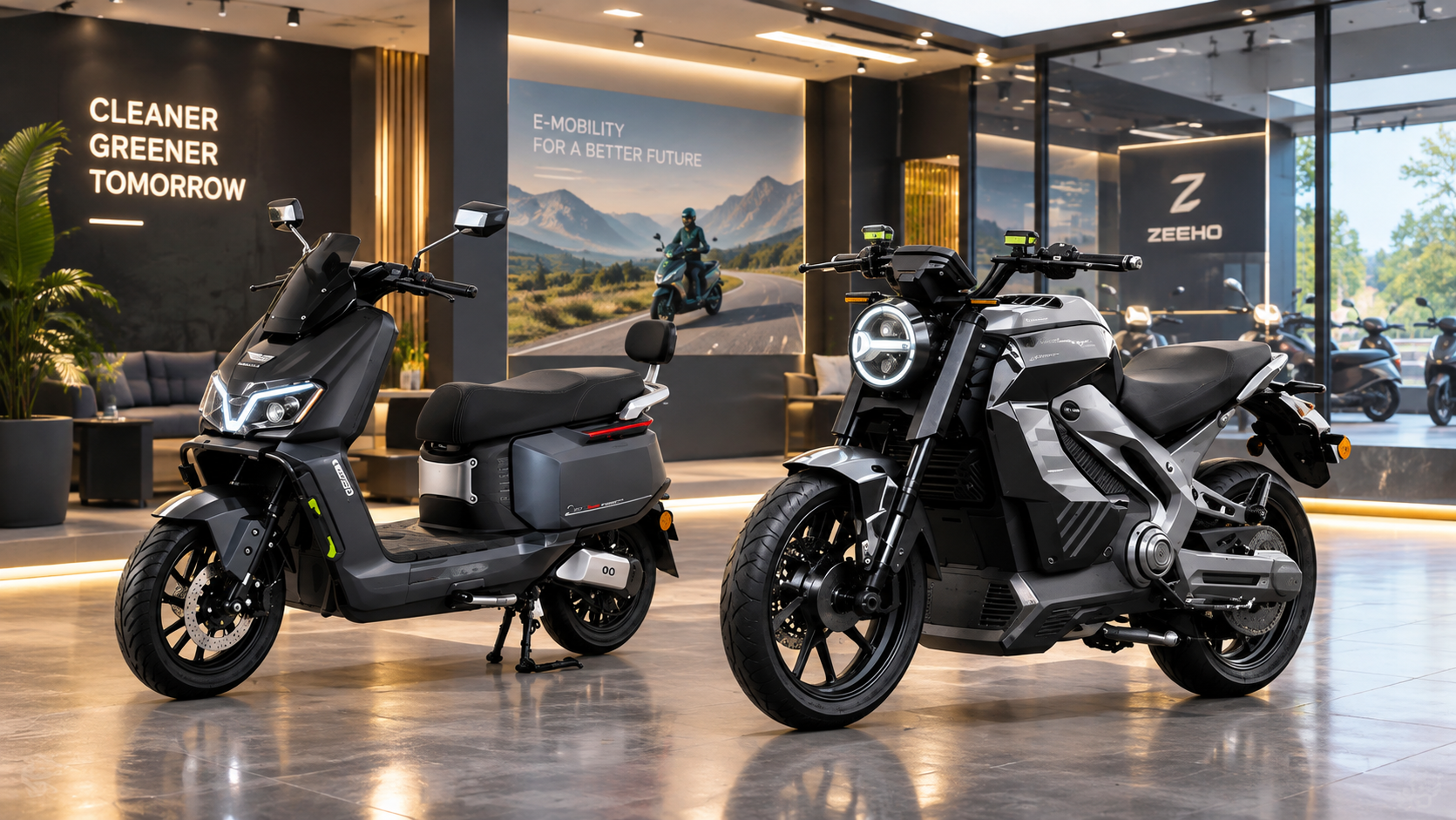
EMOTO OTOX DIMEN and OTO3 NEXO EVs Revealed
EMOTO enters Pakistan’s EV race with two distinct rides: the sporty OTOX DIMEN and city-ready OTO3 NEXO. Which fits you—and what will they cost?
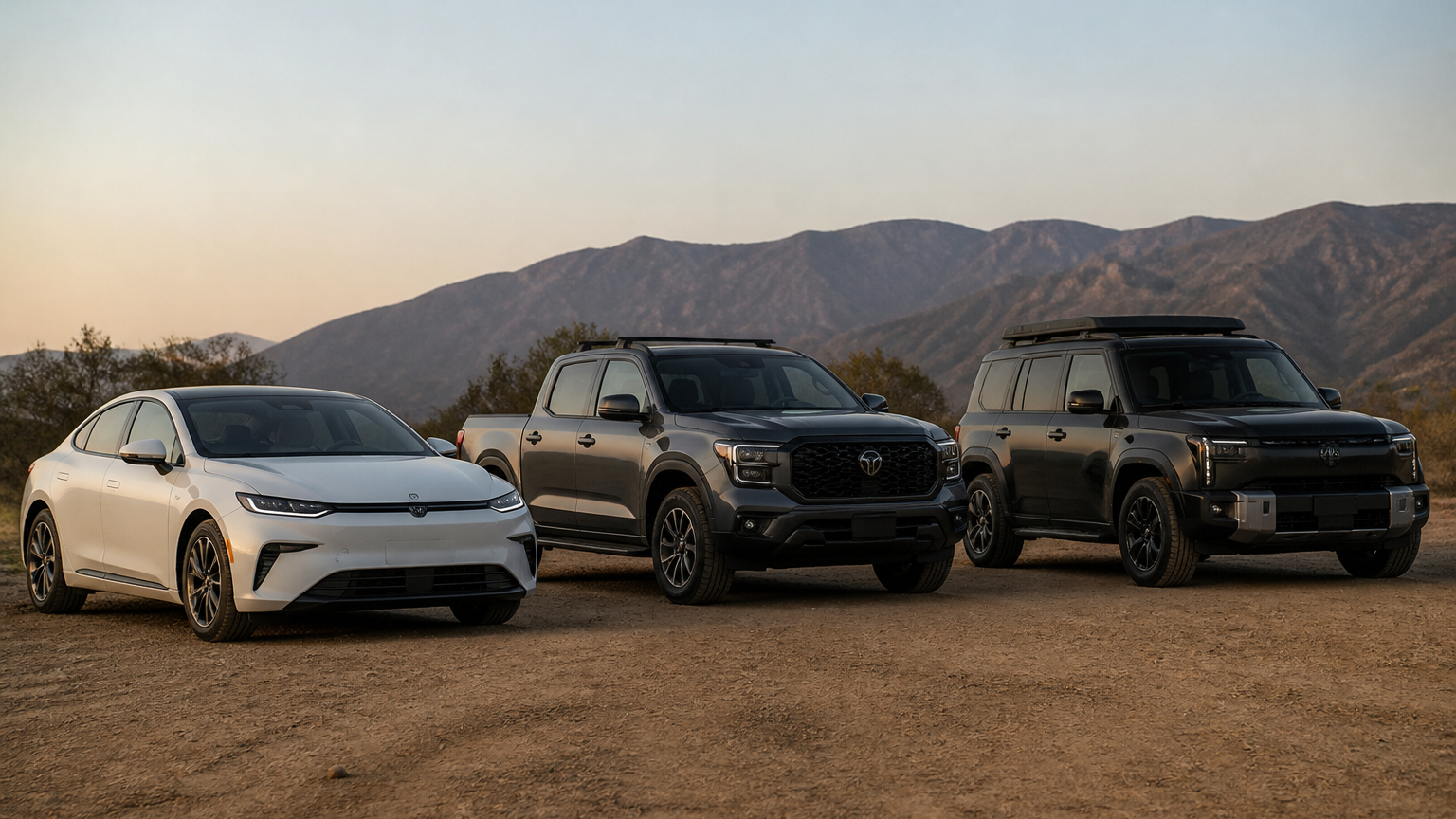
REEV Cars in Pakistan 2026: Launched and Upcoming
Pakistan’s REEV market is expanding. Compare the Forthing Friday, Deepal S05 and newer models to see if range-extending tech fits local roads.
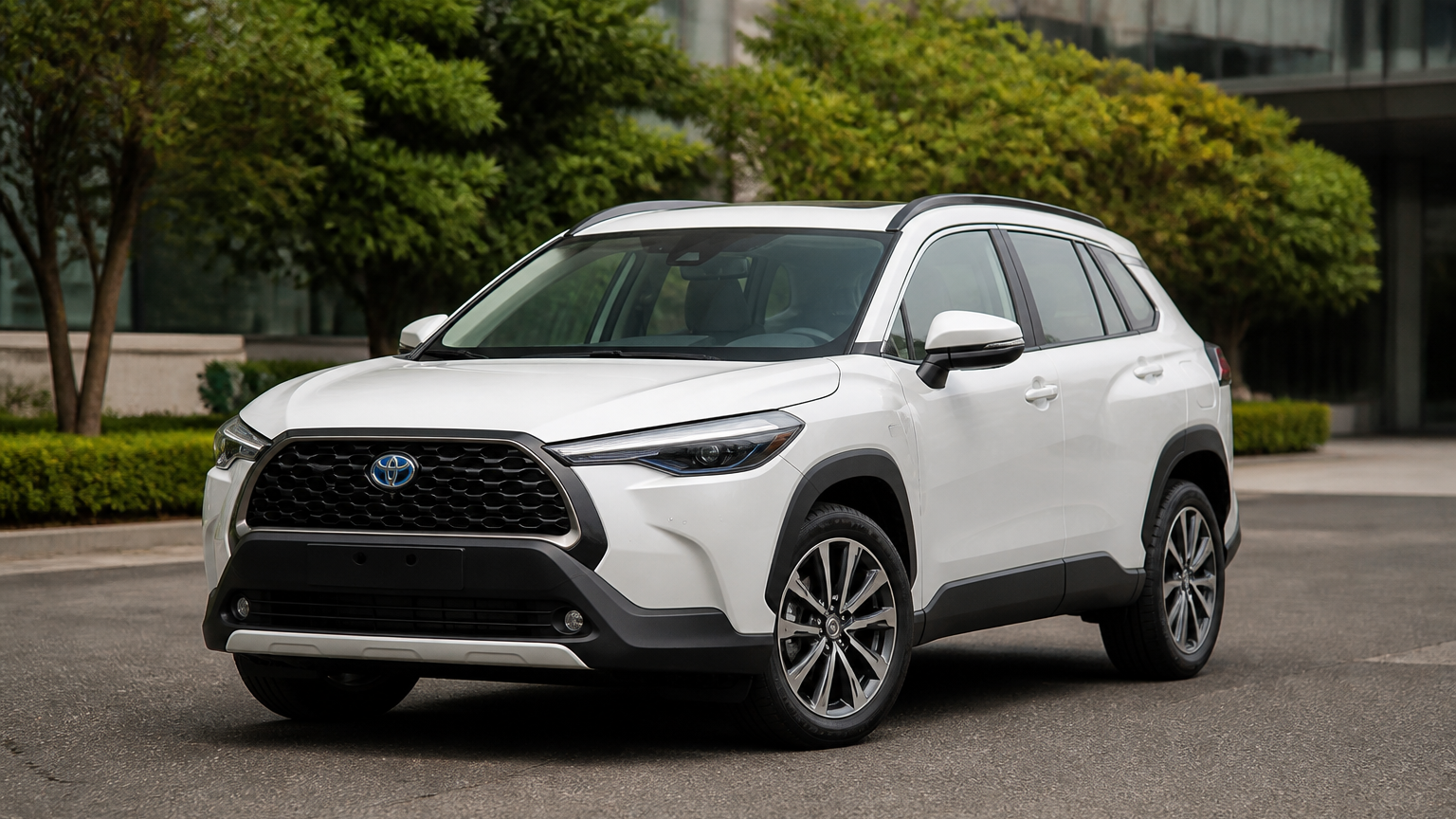
Toyota Indus REEV Tax Issue: FBR Urged to Review
Toyota Indus urges Pakistan to rethink REEV taxes, arguing hybrids with combustion engines shouldn't get the same 1% sales tax as fully electric cars.