Cars for Sale in Pakistan 2026: Ultimate Buyer's Guide
Planning to buy a car in Pakistan in 2026? This ultimate guide covers everything from new, used, NCP, and auction cars to fuel types, best platforms, documentation checks, hidden costs, and expert tips to avoid scams and make a smart purchase.
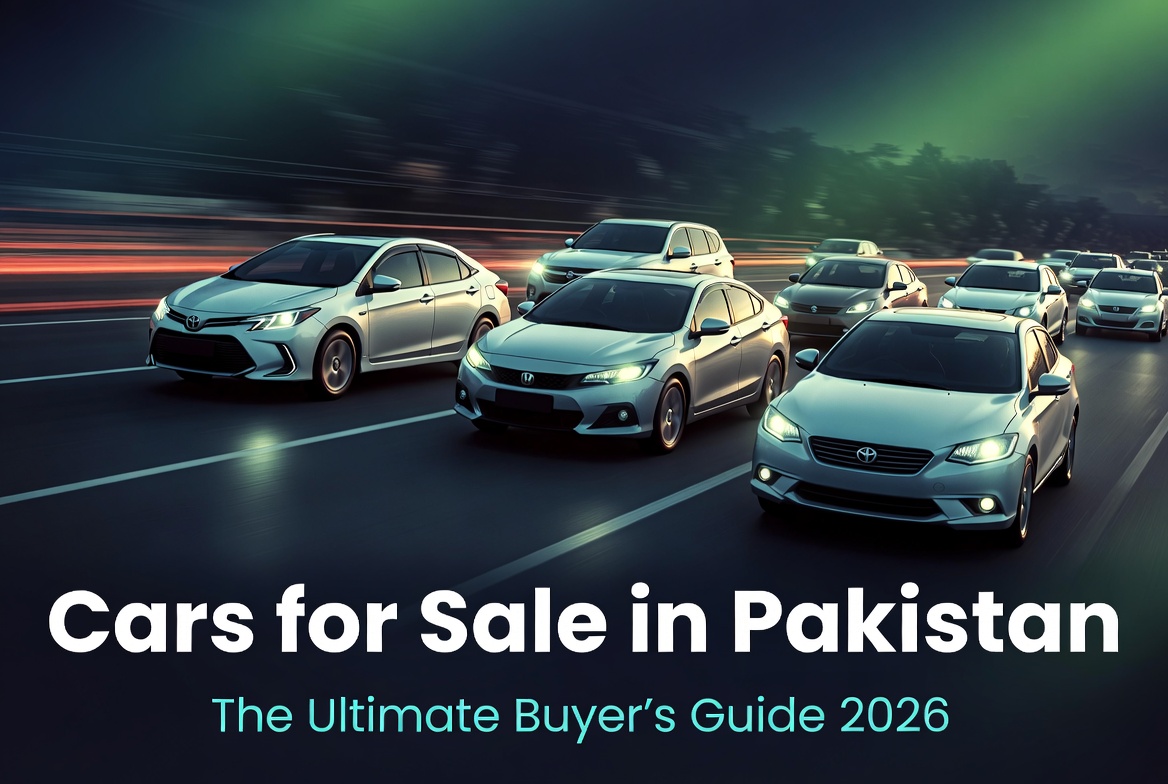
Table of Contents
- Types of Cars for Sale in Pakistan
- New Cars, Used Cars, NCP, and Auction Cars Explained
- Fuel Types Available: Petrol, Diesel, Hybrid, Electric
- Where to Find Cars for Sale in Pakistan
- PakWheels
- OLX Pakistan
- DrivePK
- Physical Car Markets Karachi, Lahore, Islamabad, Rawalpindi
- How to Buy a Car in Pakistan: Step-by-Step:
- Step 1: Set Your Budget Including Token Tax and Transfer Fees
- Step 2: Verify Ownership Documents (Chassis Number, Registration Book)
- Step 3: Mechanical Inspection Before Purchase
- Biggest Mistakes Car Buyers Make in Pakistan
- Skipping Ownership Transfer: The Legal Nightmare
- Ignoring Hidden Costs: Tax, Insurance, CNG Conversion
- Frequently Asked Questions
- Q1: What is the cheapest car for sale in Pakistan?
- Q2: How do I verify a car's ownership in Pakistan?
- Q3: Is it safe to buy from PakWheels in Pakistan?
- Ready to Buy? Your Next Step
Over 1.2 million people search for cars for sale in Pakistan every month yet most buyers still get burned on bad deals. Whether you're hunting for a budget hatchback, a vintage collectible, or a top-spec imported SUV, Pakistan's car market is one of the most complex and least regulated in the region. Prices shift with every dollar-rupee fluctuation, paperwork traps are everywhere, and sellers often know far more than buyers do.
This guide is for first-time buyers, upgraders, and anyone trying to navigate the chaos of Pakistani car deals in 2026. By the end, you'll know exactly what type of car to buy, where to find it, and how to avoid the most common and costly traps.
Types of Cars for Sale in Pakistan
Before you even start browsing listings, you need to understand the four main categories of cars available in Pakistan's market. Each comes with its own risk profile, price range, and paperwork requirements.
New Cars, Used Cars, NCP, and Auction Cars Explained
New cars are purchased directly from authorized dealers or local assemblers like Suzuki, Toyota, Honda, and Kia. You pay a premium, but you get a warranty, clean documentation, and zero ownership history to worry about.
Used cars (locally known as "second-hand" or "purani gaari") are the backbone of the Pakistani market. These are registered, previously owned vehicles sold by private sellers or used car dealers. The price range is wide, and so is the risk.
NCP (Non-Customs Paid) cars are imported vehicles on which customs duty has not been officially cleared. They are often cheaper but come with serious legal and resale complications. Ownership cannot always be fully transferred.
Auction cars are imported Japanese or Korean vehicles purchased through auction houses. They typically come with an auction sheet detailing the car's condition grade. Reputable importers provide verified auction sheets, but unscrupulous sellers forge them — always verify independently.
For deeper breakdowns of each category, see our dedicated guides on used cars in Pakistan, NCP cars, and auction imports.
Fuel Types Available: Petrol, Diesel, Hybrid, Electric
Pakistan's fuel landscape has evolved considerably. Here is what buyers face in 2026:
- Petrol remains the dominant fuel type for hatchbacks and city sedans. Parts and mechanics are widely available nationwide, making it the lowest-hassle option for most buyers.
- Diesel suits long-distance drivers and SUV users. Better fuel economy per kilometre, but diesel prices have fluctuated heavily, and engines require more careful maintenance, particularly in stop-and-go city traffic.
- Hybrid vehicles (Toyota Aqua, Prius, Corolla Cross) have surged in popularity due to rising petrol prices. Running costs are significantly lower, though battery replacement, typically needed after 8 to 10 years, can cost PKR 3 to 5 lac or more.
- Electric vehicles (EVs) are still a niche segment in Pakistan in 2026. Charging infrastructure outside major cities remains limited, and resale value is uncertain. Worth watching, but not yet the practical mainstream choice.
Where to Find Cars for Sale in Pakistan
The most convenient starting point is online. Three platforms dominate:
PakWheels
PakWheels.com is Pakistan's largest and most trusted car marketplace, with millions of listings, a built-in valuation tool, and its own inspection service. For any serious purchase, requesting a PakWheels inspection report is strongly advised it significantly reduces the risk of hidden mechanical or legal issues.
OLX Pakistan
OLX Pakistan carries a large volume of private seller listings, often at lower prices than PakWheels. However, trust signals are weaker, and scam listings are more common. Always meet sellers in person and never transfer money before a physical inspection.
- Dealer websites such as those run by Pak Suzuki, Toyota Indus, Honda Atlas, and Kia Lucky Motors are the go-to for new car purchases. Many also offer certified pre-owned programmes, a useful middle ground between new and used.
Wherever you browse online, look for: verified seller badges, complete documentation photos, clear chassis number disclosure, and multiple real photos (not stock images).
DrivePK
DrivePK.com is Pakistan's first AI-powered car platform, and a strong option for buyers who want smarter, data-driven assistance rather than a standard scroll-through-listings experience. The platform uses artificial intelligence to match buyers with the right vehicle based on budget, usage needs, and preferences, cutting through the overwhelming volume of listings that traditional marketplaces throw at you. For 2026 buyers who want less guesswork and more guided decision-making, DrivePK is worth exploring early in your search.
Physical Car Markets Karachi, Lahore, Islamabad, Rawalpindi
In-person car markets remain deeply embedded in Pakistan's buying culture. Major ones to know:
- Karachi: The car market in Sohrab Goth and surrounding areas in Karachi is one of the largest in the country, with hundreds of dealers and importers offering everything from economy hatchbacks to luxury SUVs.
- Lahore: The used car market near McLeod Road and the Walton Road strip are popular hub. Lahore dealers are known for a wide stock of locally assembled used vehicles.
- Islamabad / Rawalpindi: The markets around Faizabad and the G-11 Markaz area serve the twin cities. Given the proximity to government offices, MTMIS verification is easier here an advantage when checking ownership records.
When visiting any physical market, go with someone who knows cars mechanically, avoid weekends (when prices are inflated due to foot traffic), and never feel pressured to decide on the spot.
How to Buy a Car in Pakistan: Step-by-Step:
Step 1: Set Your Budget Including Token Tax and Transfer Fees
The sticker price is just the beginning. Factor in:
- Token tax: Paid annually and must be up to date before transfer. This varies by engine size and province; a 1300cc car in Punjab will attract a different rate than the same car in Sindh.
- Transfer fee: Paid at the excise office to officially change ownership. Budget PKR 10,000–30,000, depending on vehicle value and province.
- Insurance: Third-party insurance is legally required; comprehensive cover is wise for newer vehicles.
A realistic rule of thumb: add 5–8% on top of the car's asking price to cover all transfer-related costs before you drive it home legally.
Step 2: Verify Ownership Documents (Chassis Number, Registration Book)
This step is non-negotiable. Before any money changes hands:
- Inspect the original registration book (logbook). Check that the seller's name matches the registered owner. If it does not, you are dealing with an open-file or incomplete transfer situation, walk away unless you fully understand the legal risk.
- Verify the chassis number physically on the vehicle and cross-check it against the registration book. The chassis number is usually stamped on the firewall or door sill.
- Use the MTMIS portal (Motor Transport Management Information System) available online and via SMS to check ownership history, outstanding token tax, and whether the vehicle is reported stolen or under a mortgage.
Step 3: Mechanical Inspection Before Purchase
Never skip a mechanical inspection, regardless of how trustworthy the seller seems. Options include:
- PakWheels Inspection Service: Available in major cities, inspectors check 150+ points and produce a detailed report.
- Independent workshop inspection: Take the car to a trusted mechanic, not one recommended by the seller, for a pre-purchase check. Cost is usually PKR 2,000 to 5,000.
- Key things to check: Body panel alignment (indicates past accident damage), rust under the chassis, engine oil condition, transmission smoothness, AC compressor performance, and tyre wear patterns.
A PKR 3,000 inspection can save you from a PKR 3 lac repair bill.
Biggest Mistakes Car Buyers Make in Pakistan
Skipping Ownership Transfer: The Legal Nightmare
The number-one mistake Pakistani car buyers make is failing to complete ownership transfer immediately after purchase. "Open files" where a car is sold without the registration book being formally updated are shockingly common. The result: you are driving a car that is legally still registered to someone else.
This creates serious problems. If the previous owner has outstanding traffic fines, a tax default, or, in the worst case, the car is involved in a crime, you have no legal protection. Always insist on completing the transfer at the excise and taxation office within the legally required window. Do not accept any seller's assurance that "we will do it later."
Ignoring Hidden Costs: Tax, Insurance, CNG Conversion
The hidden cost of car ownership in Pakistan adds up fast:
- Annual token tax based on engine displacement can run from PKR 10,000 to PKR 50,000+ for larger engines.
- Comprehensive insurance for a PKR 30 lac car typically costs PKR 70,000–90,000 per year.
- CNG conversion (if desired) costs PKR 40,000–80,000 depending on cylinder size and installation quality.
- Maintenance costs for Japanese auction imports can be higher due to the need for imported spare parts.
Build all of these into your 12-month cost of ownership before you decide what you can actually afford, not just what you can afford to buy.
Frequently Asked Questions
Q1: What is the cheapest car for sale in Pakistan?
Budget used cars start from around PKR 15–20 lac for older model hatchbacks such as the Suzuki Mehran or early-generation Alto. For brand-new vehicles, entry-level hatchbacks from local assemblers begin at approximately PKR 25 to 28 lac as of 2026, though prices shift with exchange rates and government duties.
Q2: How do I verify a car's ownership in Pakistan?
Check the original registration book and confirm the seller is the registered owner. Physically verify the chassis number against the document. Then use the MTMIS portal — accessible online or via SMS to confirm ownership, check for any outstanding token tax, and ensure the vehicle carries no lien or mortgage.
Q3: Is it safe to buy from PakWheels in Pakistan?
PakWheels is Pakistan's most established and trusted car marketplace. That said, no platform eliminates all risk. Always request a PakWheels inspection report for any used vehicle, verify documentation independently, and meet the seller in person before any payment is made. Never transfer funds online without seeing the car and its paperwork face-to-face.
Ready to Buy? Your Next Step
Here is what you now know: understand your category (new, used, NCP, or auction), account for all costs beyond the purchase price, verify documents rigorously through MTMIS, and always get a mechanical inspection before handing over a single rupee.
Pakistan's car market rewards the informed buyer and punishes the impatient one.
Browse our complete guides for used cars in Pakistan, new cars in Pakistan, and NCP cars to go deeper into whichever category fits your budget and risk tolerance.
The right car deal is not about luck; it's about being the most informed person in the room. For more updates, visit DrivePK.com
Tags
Share this article
About the Author

Najeeb Khan
Automotive enthusiast and writer
Comments (0)
Login Required
You need to be logged in to comment on this article.
No comments yet. Be the first to share your thoughts!
Related Articles
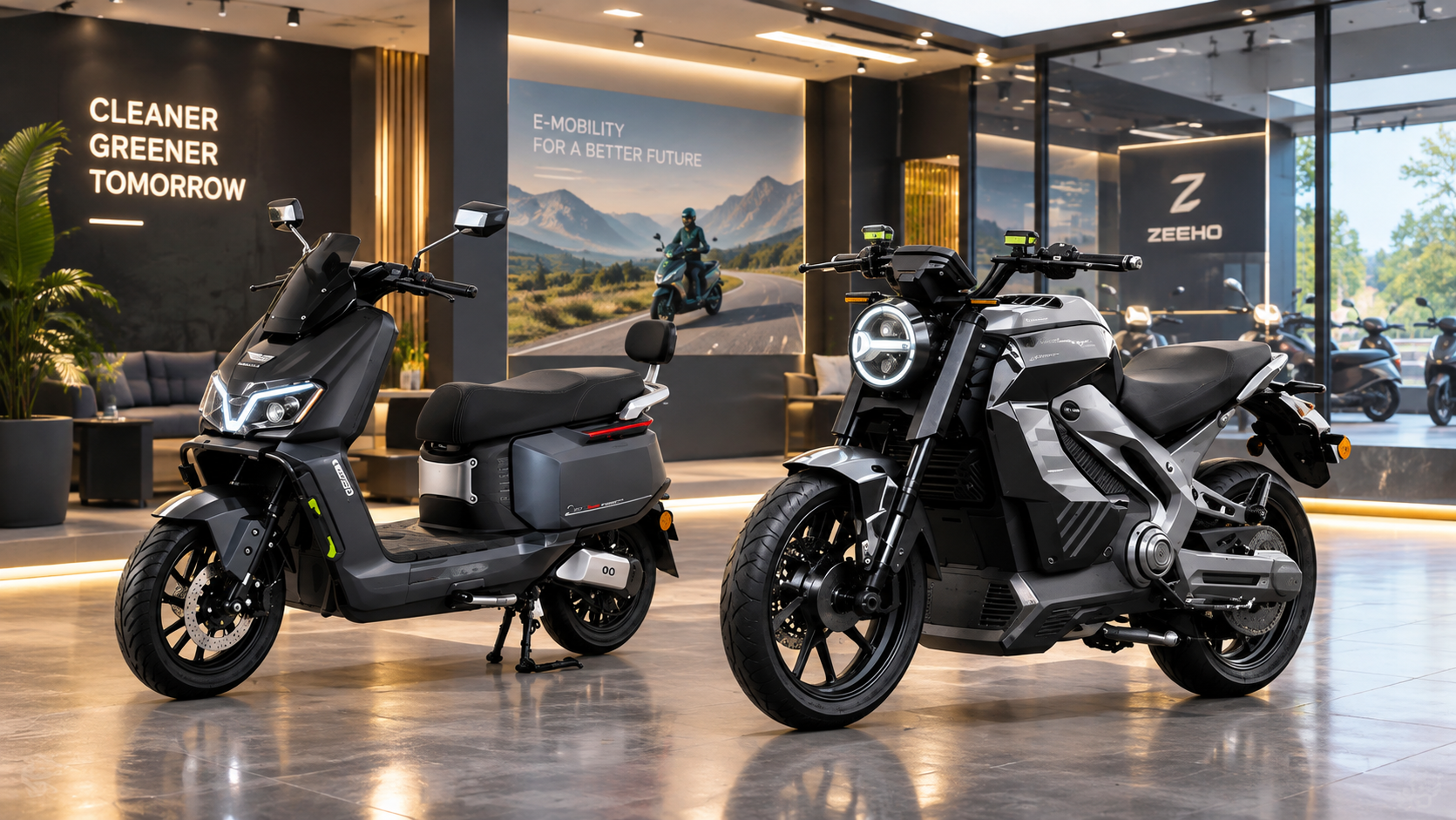
EMOTO OTOX DIMEN and OTO3 NEXO EVs Revealed
EMOTO enters Pakistan’s EV race with two distinct rides: the sporty OTOX DIMEN and city-ready OTO3 NEXO. Which fits you—and what will they cost?
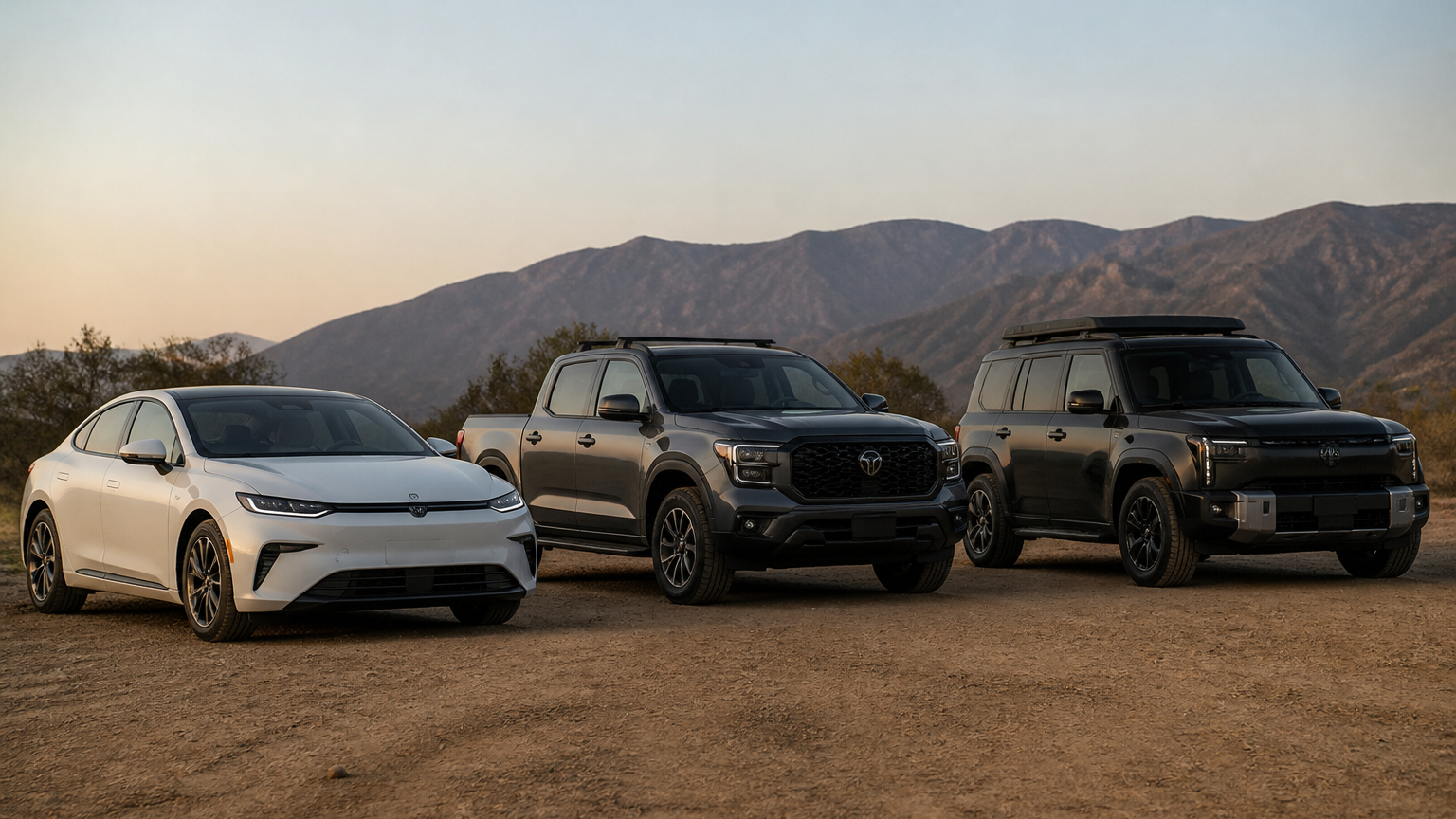
REEV Cars in Pakistan 2026: Launched and Upcoming
Pakistan’s REEV market is expanding. Compare the Forthing Friday, Deepal S05 and newer models to see if range-extending tech fits local roads.
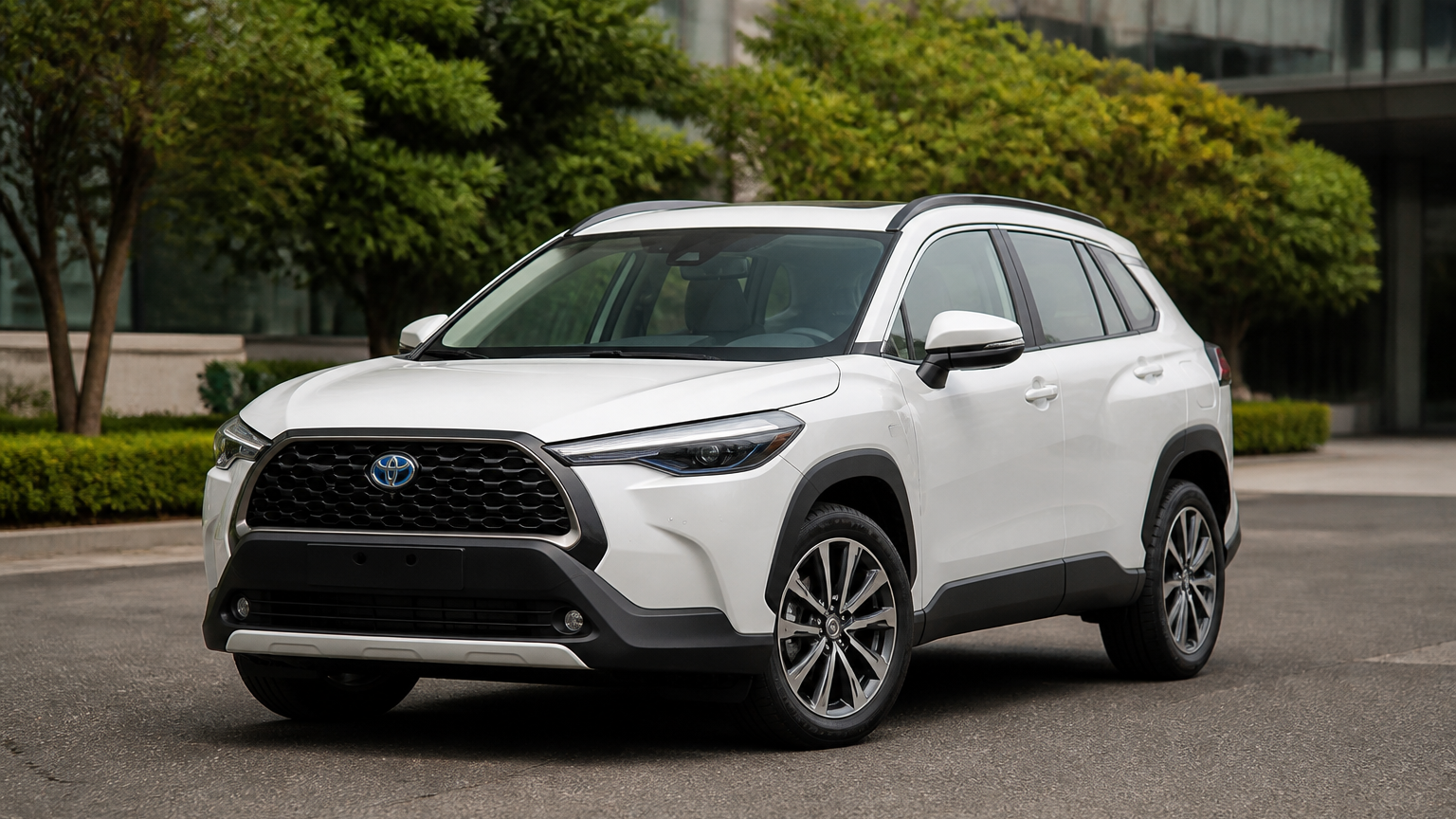
Toyota Indus REEV Tax Issue: FBR Urged to Review
Toyota Indus urges Pakistan to rethink REEV taxes, arguing hybrids with combustion engines shouldn't get the same 1% sales tax as fully electric cars.