Pakistan's EV Charging Network Expansion: 3,000 Stations by 2030 and 40 Fast Chargers on Highways
Pakistan is pushing ahead with a major EV infrastructure plan. The government aims for 3,000 charging stations by 2030, starting with 40 fast chargers along key highways. This could make long-distance electric travel easier and support more affordable running costs for EV owners.
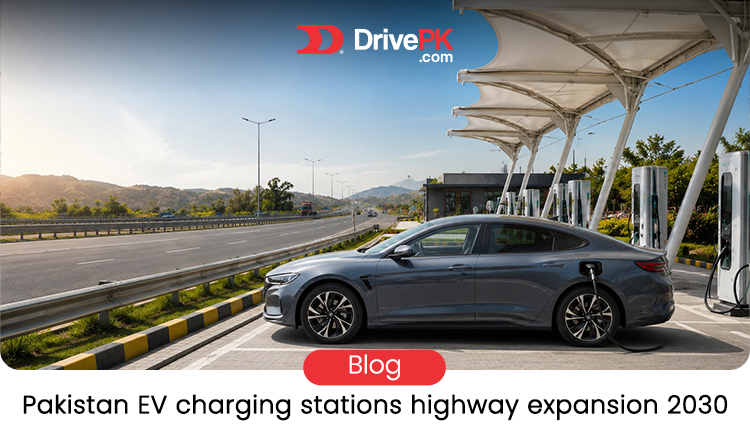
Table of Contents
- The Full Scale of the Plan
- Funding and How It Will Work
- Affordable Charging Tariff
- Why This Matters for Drivers
- Benefits Beyond Convenience
- Potential Challenges
- Timeline and Next Steps
- What This Could Mean for You
- Final Thoughts
The federal government is moving forward with plans to build a nationwide network of EV charging stations. This initiative focuses on making electric vehicles more practical for everyday use and long trips across the country.
At the heart of the plan are 40 Level 3 fast charging stations along major motorways and the N-5 highway. These will sit roughly 120km apart. That spacing helps reduce range anxiety for drivers heading from one city to another.
The Full Scale of the Plan
Beyond the highways, the broader target is ambitious. Officials want 3,000 EV charging stations operational by 2030. The breakdown looks like this:
- 1,050 fast chargers (Level 3/DC)
- 750 Level 2 chargers
- 600 Level 1 chargers
- 600 battery swap stations
They plan to roll out 240 stations in the current fiscal year as a starting point. If the proposal gets final approval, work could begin within six months.
Funding and How It Will Work
The government has set aside Rs. 2.25 billion in funding. This will support the project through a public-private partnership model. Private companies will play a big role in building and running many of these stations.
Oil marketing companies also have a part to play. They will need to install fast chargers at least at 10 percent of their fuel stations in every province. This approach uses existing locations that drivers already know and visit regularly.
Affordable Charging Tariff
One practical decision stands out. The electricity tariff for EV charging stations is set at Rs. 39.7 per kilowatt-hour. This is a significant drop from previous rates. It should help keep running costs lower for both operators and users.
Lower tariffs make electric vehicles more attractive compared to petrol or diesel, especially as fuel prices stay high.
Why This Matters for Drivers
Many Pakistanis worry about where they will charge their EVs on long drives. The 40 fast chargers on motorways and N-5 address that directly. You could travel from Karachi toward northern cities with planned stops that feel manageable.
In cities, more Level 2 and Level 1 chargers will support daily commuting and home-like top-ups. Battery swap stations could offer a quick alternative for two-wheelers and certain vehicles.
This infrastructure push comes as EV interest grows. Electric bikes are already gaining popularity due to lower running costs. More charging points could encourage four-wheeler adoption too.
Benefits Beyond Convenience
The plan ties into bigger goals. Pakistan imports a lot of fuel. Shifting to electric vehicles can reduce that bill and improve energy security. It also supports cleaner air in cities where traffic is heavy.
Public-private partnerships help share the cost and bring in expertise. Oil companies adding chargers at petrol stations creates a familiar network during the transition.
Potential Challenges
No big project is without hurdles. Electricity supply needs to be reliable at these stations. Many areas still face load-shedding, though dedicated connections for chargers might help.
Initial investment is high for operators. The Rs. 2.25 billion funding and tariff relief aim to ease that. Private sector interest is there, but execution speed will matter.
Demand needs to grow alongside supply. More people will buy EVs once they trust the charging network exists. The government’s targets for new EV sales will test how well this works.
Timeline and Next Steps
If approved, the first wave of stations could appear relatively quickly. Highway chargers are a priority for long-distance travel. Urban areas and district headquarters will follow in later phases.
Watch for updates from NEECA and other relevant bodies. They are coordinating standards and approvals to keep things consistent across provinces.
What This Could Mean for You
For someone thinking about an electric bike or car, this news brings more confidence. Running costs stay low with the new tariff. Long trips become realistic with planned fast chargers.
Businesses in transport or logistics might see opportunities too. Electric options could cut fuel expenses over time.
Even if you don’t own an EV yet, the shift affects everyone through reduced pollution and better energy use.
Final Thoughts
This EV infrastructure expansion shows Pakistan taking concrete steps toward modern transport. The combination of highway fast chargers, nationwide targets, dedicated funding, and a practical tariff creates a solid foundation.
Success will depend on steady execution and cooperation between the government, private companies, and oil marketers. But the direction is clear. Electric mobility is moving from talk to action.
Drivers will benefit most when they can charge easily and affordably. Keep an eye on progress over the coming months. The coming years could change how we travel in Pakistan. For more updates, visit DrivePK.com
Tags
Share this article
About the Author

Najeeb Khan
Automotive enthusiast and writer
Comments (0)
Login Required
You need to be logged in to comment on this article.
No comments yet. Be the first to share your thoughts!
Related Articles
Punjab EV Scheme: 120,000 Bikes and Rickshaws
Punjab’s 120,000 e-bike and rickshaw plan could cut fuel costs—but no official notification confirms it yet. Treat it as unlaunched for now.
EV Buying Guide Pakistan 2026: Prices, Range and Charging
Buying an EV in Pakistan? Check charging access, real-world range, and local service first—your daily routine matters more than the badge.
Toyota Pakistan Flags REEV GST Relief Misuse
Toyota Pakistan alleges rivals are misclassifying cars as REEVs to claim lower GST, as regulators review the issue and buyers await clarity.