Pakistan's EV Charging Roadmap: 3,000 Stations to Boost Green Transport
Pakistan just approved a roadmap for 3,000 EV charging stations across the country, aiming to expand to 6,000. Led by NEECA and the Malik Group, this move tackles infrastructure gaps and supports cleaner transport. It addresses import hurdles and aims for 30% EV adoption by 2030.
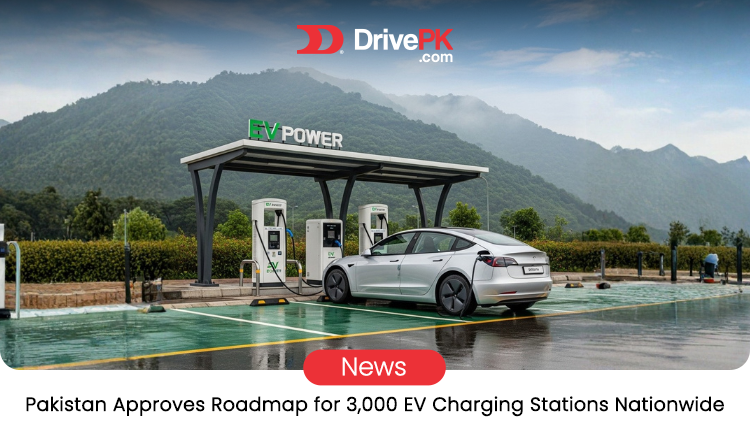
Table of Contents
- Why This Matters for Everyday Drivers
- Key Players and Partnerships Driving the Change
- Challenges on the Road Ahead
- What This Means for the Future
Pakistan is making a big move toward electric vehicles. The government approved a roadmap to set up 3,000 charging stations nationwide. This comes from a recent meeting between Malik Group CEO Malik Khuda Baksh and NEECA Managing Director Humayon Khan. They talked about building EV infrastructure to cut down on pollution and save energy.
It's not just talk. NEECA has already issued 13 licenses for charging stations. Five units have arrived at sites. But things are moving slowly because of red tape. Imports, customs duties, and approvals from different agencies are holding it back. Khan promised full support from NEECA and even suggested expanding to 6,000 stations down the line.
This plan fits into Pakistan's New Energy Vehicle Policy. The goal is to have these 3,000 stations by 2030. For starters, 240 fast chargers will be up by the end of 2025. They'll focus on major motorways like M-1, M-2, and M-3, plus the top ten cities. After that, Phase II will cover the district headquarters by 2027.
Why This Matters for Everyday Drivers
Think about it. Right now, Pakistan has fewer than 100 public EV charging spots. That's a huge barrier for anyone thinking about buying an electric car or bike. With this rollout, more people might switch. EVs are quieter, cheaper to run, and better for the air we breathe.
The government aims for 30% of vehicles to be electric by 2030. That could slash oil imports by $2 billion a year. Less money going out means more for schools, roads, or health. And it's a win for the climate. Pakistan faces floods and heat waves from global warming. Cutting emissions from transport helps fight that.
But it's not all smooth. Coordination between the public and private sectors is key. NEECA's 2024 regulations make it easier for anyone to set up a station. You can apply online through their portal. No big barriers for individuals or companies.
Key Players and Partnerships Driving the Change
Malik Group is front and center here. They're teaming up with NEECA to make this happen. But there's more. Last year, they partnered with Chinese investor ADM Group and Indus Valley. ADM is putting in $90 million. Indus Valley handles the land, and Malik Enterprises does the installs and licenses.
The breakdown looks like this: 1,000 stations in Karachi and Sindh, 1,500 in Punjab, and 750 in Khyber Pakhtunkhwa and Balochistan. That's a balanced spread to cover the whole country. NEPRA will set uniform tariffs and standards, so no confusion for users.
Foreign interest is growing too. BYD, a big Chinese EV maker, plans to assemble cars in Pakistan starting this year. That means more EVs on the roads soon. Charging stations need to keep up.
Challenges on the Road Ahead
No plan is perfect. Delays from customs and regulations are real issues. Officials in the meeting highlighted these. Imports of chargers get stuck in paperwork. Duties make them expensive. And getting all agencies on the same page takes time.
Power supply is another worry. Pakistan's grid has outages. Charging stations need reliable electricity. Maybe solar-powered options could help in remote areas.
Then there's awareness. Many people don't know much about EVs. They worry about battery life or resale value. Education campaigns could change that. Schools, media, and community events might spread the word.
What This Means for the Future
This roadmap is a step forward. It shows Pakistan is serious about green energy. With private companies like Malik Group leading, and government backing from NEECA, things could speed up.
Imagine driving from Lahore to Islamabad without range anxiety. Or charging your bike at a local station in Quetta. That's the vision.
But success depends on action. If they clear the hurdles, EV adoption could boom. It creates jobs in installation, maintenance, and tech. Local manufacturing might follow, boosting the economy.
And it's part of a bigger shift. Pakistan is joining countries like China and India in the EV race. By 2030, our roads could look very different, cleaner, and quieter.
Ultimately, this isn't just about stations. It's about building a sustainable future. One charge at a time. If you're considering an EV, keep an eye on this space. Changes are coming fast. For more updates, visit DrivePK.com
Tags
Share this article
About the Author

Najeeb Khan
Automotive enthusiast and writer
Comments (0)
Login Required
You need to be logged in to comment on this article.
No comments yet. Be the first to share your thoughts!
Related Articles
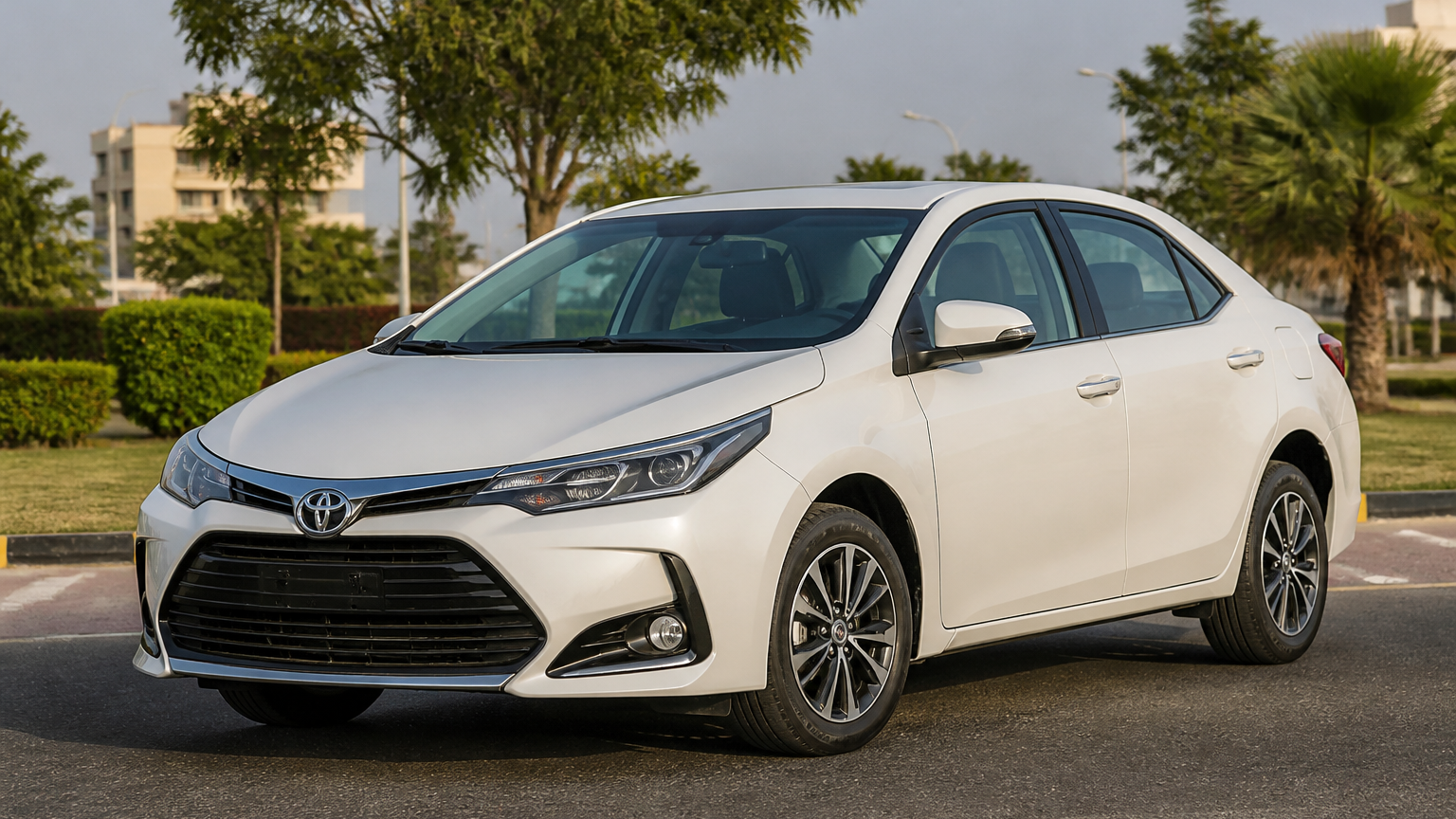
Toyota Corolla Discontinued Before Pakistan Facelift
Pakistan’s pre-facelift Toyota Corolla is reportedly discontinued, hinting at a facelift. Prices, bookings, specs and launch timing remain unconfirmed.
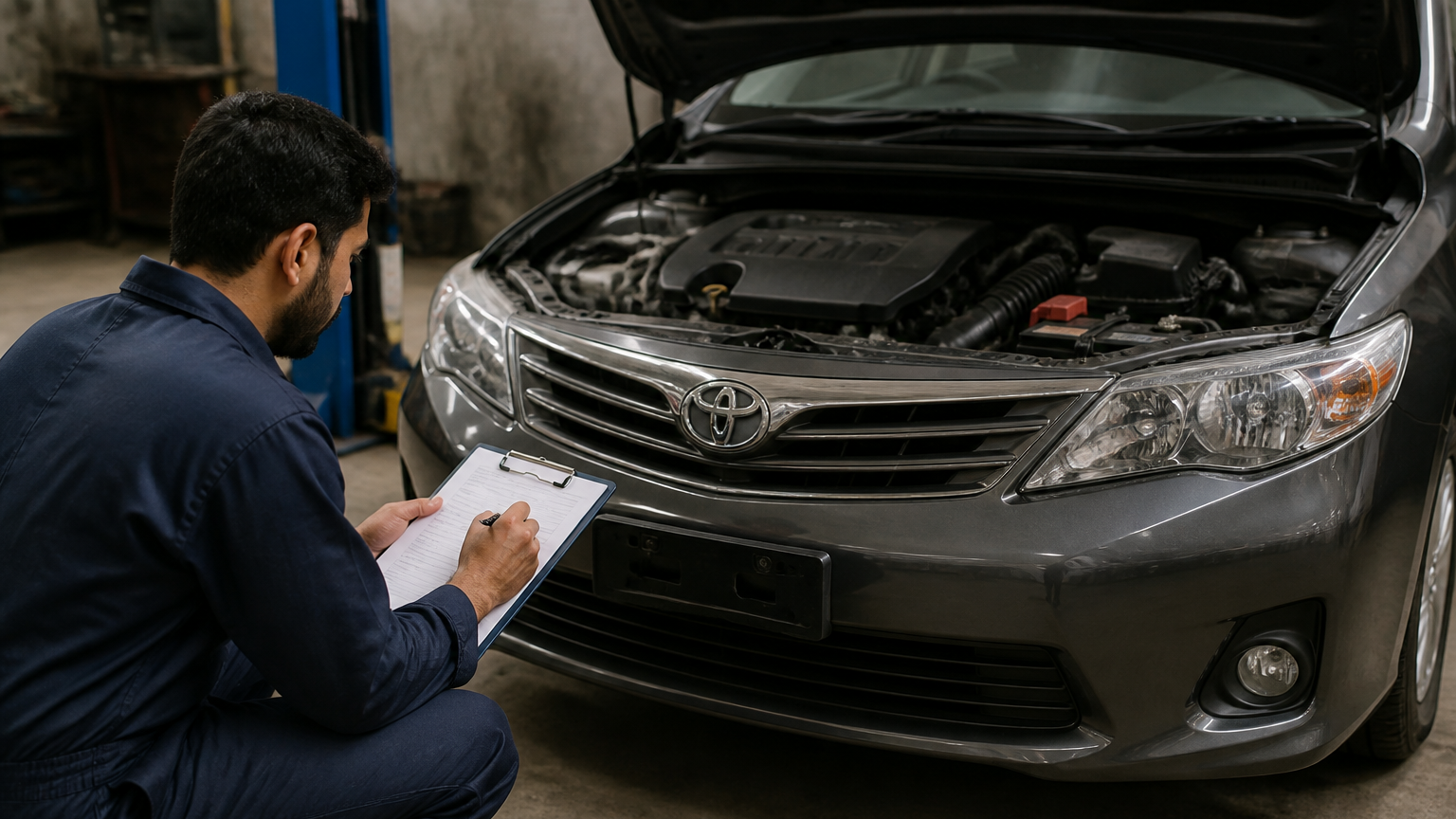
DrivePK Car Inspection Reports: Buy with Confidence
Buying a used car in Pakistan? A pre-purchase inspection can reveal hidden damage, engine issues and red flags before you pay—but it’s not enough alone.
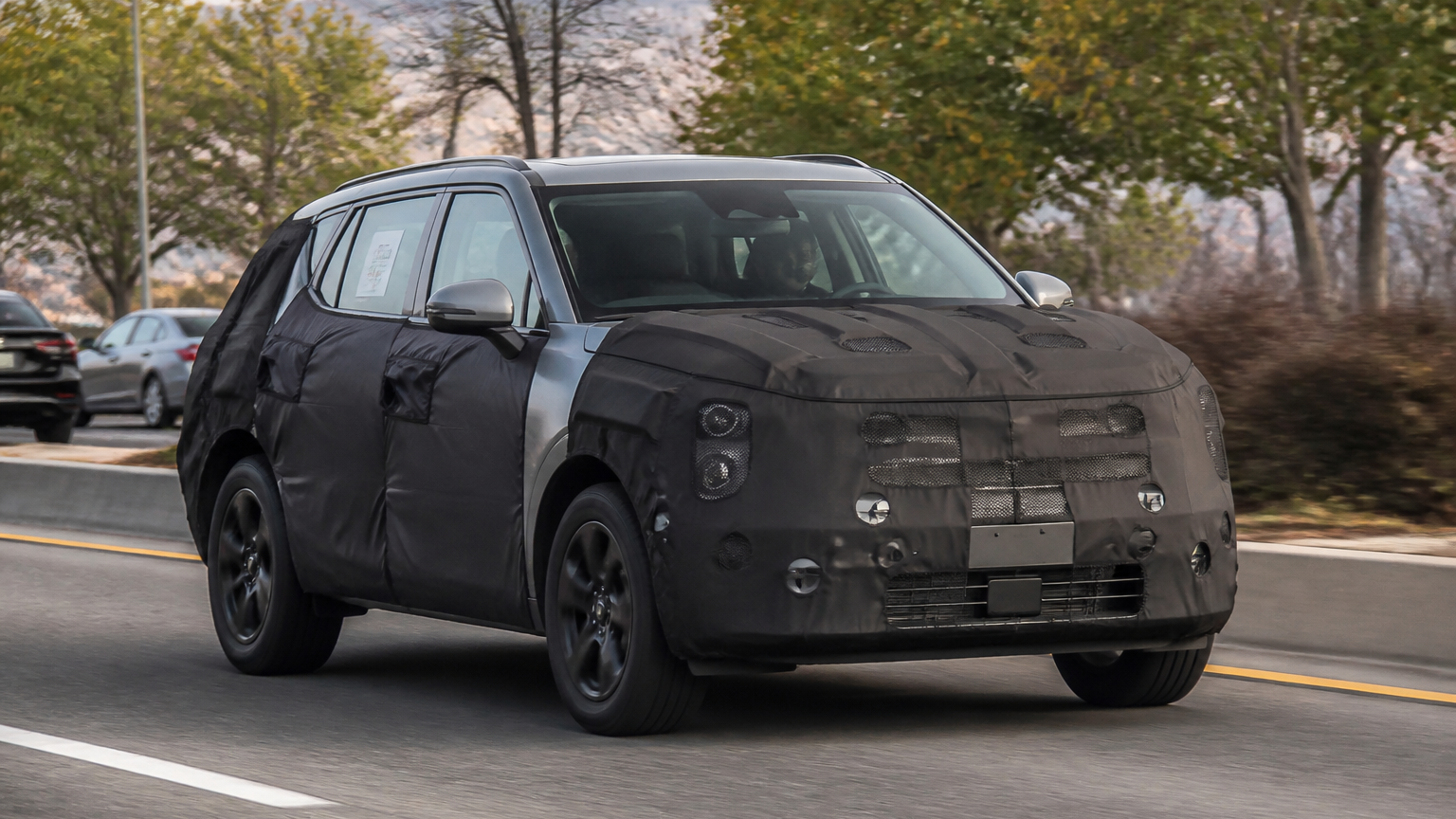
2028 Kia Sportage: Major Design Changes Spotted
Kia’s next Sportage may get a bolder, boxier redesign, with an upright profile, sharper lines, wider grille and split headlights hinted by spy shots.