Pakistan Federal Budget 2026-27 Postponed: New Date, Reasons, and What It Means for You
The federal government has postponed Pakistan’s FY2026-27 budget, originally set for June 5. This follows the delay of the National Economic Council meeting. Businesses and families now wait for clarity on taxes, spending, and growth plans. Here’s what we know so far and why it matters.
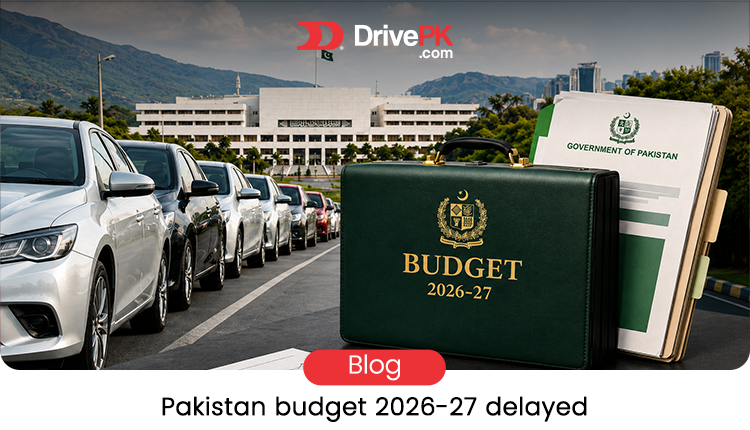
Table of Contents
- The Main Reasons Behind the Postponement
- Current Economic Picture in Pakistan
- How This Delay Affects Businesses Right Now
- What Consumers and Families Should Watch For
- Broader Implications for Economic Stability
- What Happens Next
- Staying Prepared in Uncertain Times
The news came as no surprise to those watching closely. The government issued a formal notification postponing the National Economic Council (NEC) meeting planned for June 3. Without that key meeting, presenting the full budget on June 5 became impossible.
Sources now point to June 10 as the likely new date for the budget presentation. Some reports mentioned June 8 or 12, but recent updates lean toward June 10.
This is not just a small scheduling tweak. The NEC, chaired by the Prime Minister, sets the direction for development spending and overall economic priorities. Delaying it means more time is needed to align the numbers.
The Main Reasons Behind the Postponement
No single reason stands out in official statements. But people familiar with the process mention a few clear factors.
First, talks continue on the Public Sector Development Programme (PSDP). Different parts of the coalition government want higher allocations for their projects, yet the overall money available stays tight.
Second, ongoing discussions with the IMF play a big role. The government wants to make sure the budget fits within the agreed fiscal framework before presenting it.
These are practical issues. Getting the numbers right now avoids bigger problems later. Still, the delay adds uncertainty at a time when many want stability.
Current Economic Picture in Pakistan
Pakistan’s economy shows mixed signals as we head into FY2026-27. Inflation has come down significantly from the painful highs of previous years. Recent monthly figures hover in the single digits in many reports, offering some relief to households.
Large-scale manufacturing has picked up in areas like automobiles, cement, and textiles. This happened thanks to lower interest rates and steadier policies. Tax collection by FBR grew during the first half of the year, though targets remain ambitious.
Yet challenges remain. Debt servicing takes up a huge chunk of the budget every year. Exports have faced pressure, and the trade deficit continues to need attention. The government aims for around 4-5% GDP growth in the coming year, but achieving it depends on consistent execution.
Ordinary people feel these numbers in daily life through prices at the shop, fuel costs, and job opportunities.
How This Delay Affects Businesses Right Now
If you run a business, this wait creates real headaches.
Many companies plan their investments, hiring, and purchases based on expected tax changes and duties. A delay means they hold off on big decisions. Importers worry about possible new tariffs. Exporters hope for supportive measures but cannot count on them yet.
Small and medium businesses feel it even more. They operate with thinner margins and less access to credit. Uncertainty makes it harder to borrow or expand.
Industries like construction and manufacturing, which rely on government development projects, watch the PSDP discussions closely. Any shift in spending priorities can change their order books quickly.
What Consumers and Families Should Watch For
Most Pakistanis do not read budget documents line by line. But the final decisions touch their wallets directly.
Expect focus on income tax slabs, sales tax adjustments, and duties on daily items. With inflation easing, there might be room for some relief measures. Yet the need to increase revenue collection remains strong.
Fuel prices, electricity rates, and food-related taxes often become talking points. Any increase here hits middle-income families hardest. On the other side, targeted support for agriculture or low-income groups could soften the blow.
The delay itself does not change these pressures. It simply pushes the clarity a few days further.
Broader Implications for Economic Stability
Delays in budget presentation are not new in Pakistan. They happen when complex negotiations need more time. In this case, it reflects careful handling of coalition views and external commitments.
The positive side? A better-prepared budget could prove more realistic and sustainable. Rushing through might have led to later revisions that shake confidence.
Still, repeated uncertainty affects investor sentiment. Local businesses and foreign partners prefer predictable timelines. Clear communication from the government in the coming days will help calm nerves.
What Happens Next
The NEC will meet on a new date, still to be announced officially. Once that wraps up, the budget session in the National Assembly can move forward.
Keep an eye on key areas in the coming announcement:
- Tax targets and new revenue measures
- PSDP size and focus sectors
- Plans for debt management
- Support for exports and industry
- Relief for salaried class and agriculture
These elements will shape the next twelve months for millions.
Staying Prepared in Uncertain Times
This postponement is a reminder that economic policy rarely moves in straight lines. External factors, internal talks, and global conditions all play a part.
For businesses, the smart move is to build flexibility into plans. Review your costs. Keep cash buffers where possible. Stay informed without overreacting to every rumor.
For individuals, focus on what you can control. Track essential expenses. Build small savings habits. Understand that one budget cannot fix everything overnight, but steady progress does matter.
The economy has shown resilience in recent years. Inflation is lower. Some sectors are growing. The coming budget will test whether this momentum can continue.
We will update this as new dates and details emerge. The next few days should bring more clarity. Until then, patience and careful planning remain the best approach. For more updates, visit DrivePK.com
Tags
Share this article
About the Author

Najeeb Khan
Automotive enthusiast and writer
Comments (0)
Login Required
You need to be logged in to comment on this article.
No comments yet. Be the first to share your thoughts!
Related Articles
Toyota Corolla Discontinued Before Pakistan Facelift
Pakistan’s pre-facelift Toyota Corolla is reportedly discontinued, hinting at a facelift. Prices, bookings, specs and launch timing remain unconfirmed.
DrivePK Car Inspection Reports: Buy with Confidence
Buying a used car in Pakistan? A pre-purchase inspection can reveal hidden damage, engine issues and red flags before you pay—but it’s not enough alone.

2028 Kia Sportage: Major Design Changes Spotted
Kia’s next Sportage may get a bolder, boxier redesign, with an upright profile, sharper lines, wider grille and split headlights hinted by spy shots.